
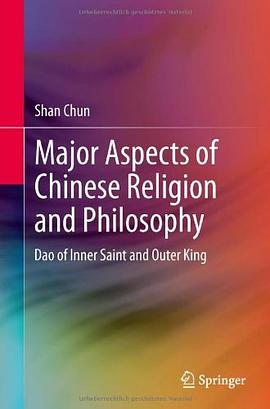
Major Aspects of Chinese Religion and Philosophy pdf epub mobi txt 電子書 下載 在線閱讀 2026
- 哲學
- 海外中國研究
- 宗教研究
- 英文原版
- 新書記
- Springer
- 2012
- 中國宗教
- 中國哲學
- 宗教哲學
- 中國思想史
- 儒傢
- 道傢
- 佛教
- 中國文化
- 哲學史
- 亞洲哲學

具體描述
“In his capacious work Major Aspects of Chinese Religion and Philosophy - Dao of Inner Saint and Outer King Shan Chun does not only explore the innate relations between Confucianism, Daoism and Buddhism since their origins till its recent developments. By relating the three major traditions of Chinese philosophy he also attempts to concentrate the New-Confucianism on its unified origins and substantial implications by applying its inherent endeavour to relate and unite all spheres: these topics being the intimate relations between religion and philosophy, their inner and outer way (including the correlation between Confucian and Daoist legacies) as well as the unity between cosmos (heaven), country, state, society and family.”
Prof. Dr. Claudia Bickmann,
Professor of Philosophy, University of Cologne, Germany
“Masterful introduction to traditional Chinese ways of thinking, embodied in the “three teachings” of Confucianism, Daoism, and Buddhism.”
Albert Welter,
Professor of East Asian Religions, University of Winnipeg, Canada
“A valuable resource for those seeking a deeper understanding of Chinese philosophy and religion.”
Richard N. Stichler,
Professor of Philosophy, Alvernia University, USA
“This is a work that will satisfy both the curious non-specialist and the seasoned scholar in its treatment of a highly pertinent topic to the future of China, and not only its past.”
Rosita Dellios
Associate Professor of International Relations, Bond University, Australia
“A very revealing view of how a learned, serious Chinese intellectual understands the diverse riches to be found in the Chinese tradition. Attempting to cover virtually all of the Chinese philosophical and religious traditions and relate them to Western ideas, willing to pursue normative conclusions and discuss their applicability to modern life.”
Lee H. Yearley,
Walter Y. Evans-Wentz Professor, Religious Studies, Stanford University
作者簡介
目錄資訊
Part I Inner Saint: Some Aspects of Chinese Religion
1 Chinese Faith Triangle: Confucianism, Daoism,
and Buddhism . . . . . . . . . . . . . . . . . . . . . . . . . . . . . . . . . . . . . . 3
Introduction. . . . . . . . . . . . . . . . . . . . . . . . . . . . . . . . . . . . . . . . . 3
Confucianism and Daoism in the Qin and Han Dynasties
(221 B.C.–220 A.D.) . . . . . . . . . . . . . . . . . . . . . . . . . . . . . . . . . . 5
Confucianism, Daoism, and Buddhism in the Wei and
Jin Dynasties (220–589 A.D.) . . . . . . . . . . . . . . . . . . . . . . . . . . . . 7
Confucianism, Daoism, and Buddhism in the Sui
and Tang Dynasties (581–907 A.D.). . . . . . . . . . . . . . . . . . . . . . . . 10
Confucianism, Daoism, and Buddhism in the Song
and Yuan Dynasties (960–1368 A.D.) . . . . . . . . . . . . . . . . . . . . . . 12
The Faith Triangle in the Ming and Qing
Dynasties (1368–1911 A.D.) . . . . . . . . . . . . . . . . . . . . . . . . . . . . . 15
Some Comments . . . . . . . . . . . . . . . . . . . . . . . . . . . . . . . . . . . . . 19
2 The Basic Spirit of Chinese Culture and National Faith. . . . . . . . 23
Introduction. . . . . . . . . . . . . . . . . . . . . . . . . . . . . . . . . . . . . . . . . 23
Relation between Heaven and Human . . . . . . . . . . . . . . . . . . . . . . 23
Sacred Faith Based on Family Ties . . . . . . . . . . . . . . . . . . . . . . . . 25
Kinship Expanded from Family to Country
and to Ecological World . . . . . . . . . . . . . . . . . . . . . . . . . . . . . . . . 26
Sacredness and Initiative of Human Life. . . . . . . . . . . . . . . . . . . . . 27
3 The Definition of Religion. . . . . . . . . . . . . . . . . . . . . . . . . . . . . . 29
Introduction. . . . . . . . . . . . . . . . . . . . . . . . . . . . . . . . . . . . . . . . . 29
Intellectual Dilemma for Diversified Definitions . . . . . . . . . . . . . . . 29
Definitions of Modern Chinese Academics . . . . . . . . . . . . . . . . . . . 31
Reflections from Chinese Intellectual Resources . . . . . . . . . . . . . . . 32
xv
4 A Hermeneutic Investigation into Heaven: The Key Concept
of Chinese Faith System . . . . . . . . . . . . . . . . . . . . . . . . . . . . . . . 35
Introduction. . . . . . . . . . . . . . . . . . . . . . . . . . . . . . . . . . . . . . . . . 35
Heaven as Natural World Opposite to the Earth . . . . . . . . . . . . . . . 37
Religious Facets of Heaven. . . . . . . . . . . . . . . . . . . . . . . . . . . . . . 40
Political Facets of Heaven. . . . . . . . . . . . . . . . . . . . . . . . . . . . . . . 45
Cultural Implications of Heaven . . . . . . . . . . . . . . . . . . . . . . . . . . 51
Conclusion . . . . . . . . . . . . . . . . . . . . . . . . . . . . . . . . . . . . . . . . . 57
5 The Religious Commitment of Confucian Style . . . . . . . . . . . . . . 61
Introduction. . . . . . . . . . . . . . . . . . . . . . . . . . . . . . . . . . . . . . . . . 61
Confucian Humaneness (ren) as the Ultimately Real . . . . . . . . . . . . 61
Moral Facet in Blood Ties . . . . . . . . . . . . . . . . . . . . . . . . . . . . . . 63
Sanctity in Natural Evolution . . . . . . . . . . . . . . . . . . . . . . . . . . . . 65
Religious Commitments Ensuring Social Ethics. . . . . . . . . . . . . . . . 69
6 Religious Aspects of Daoism . . . . . . . . . . . . . . . . . . . . . . . . . . . . 71
Daoism as Indigenous Religion in China . . . . . . . . . . . . . . . . . . . . 71
The Journey of Religious Daoism . . . . . . . . . . . . . . . . . . . . . . . . . 72
The Intellectual Clues and Aspects of Religious Daoism . . . . . . . . . 77
Ways of Becoming the Immortal . . . . . . . . . . . . . . . . . . . . . . . . . . 83
The Way to Outer Pills . . . . . . . . . . . . . . . . . . . . . . . . . . . . . 84
The Way to Inner Pills . . . . . . . . . . . . . . . . . . . . . . . . . . . . . . 85
The Way to Devour Cosmic Air . . . . . . . . . . . . . . . . . . . . . . . 86
Pith-Consolidating-Sex (fangzhongshu) . . . . . . . . . . . . . . . . . . 87
The Daoist Classic System . . . . . . . . . . . . . . . . . . . . . . . . . . . . . . 89
The Earliest Three Classics. . . . . . . . . . . . . . . . . . . . . . . . . . . 90
The Mainstay of the Daoist Classics . . . . . . . . . . . . . . . . . . . . 91
To Understand Chinese Through Religious Daoism . . . . . . . . . . . . . 93
7 The Buddha Nature Theory and It’s Social Value . . . . . . . . . . . . 95
Introduction. . . . . . . . . . . . . . . . . . . . . . . . . . . . . . . . . . . . . . . . . 95
Universality of Buddha Nature . . . . . . . . . . . . . . . . . . . . . . . . . . . 96
Self-Awareness of Buddha Nature . . . . . . . . . . . . . . . . . . . . . . . . . 102
Social Value of Buddha Nature in Chan Scholarship . . . . . . . . . . . . 107
Philosophical Sense of Buddha Nature in Chan Buddhism . . . . . . . . 109
Conclusion . . . . . . . . . . . . . . . . . . . . . . . . . . . . . . . . . . . . . . . . . 113
8 Human Dignity Reflected in Confucianism and Daoism . . . . . . . . 115
Introduction. . . . . . . . . . . . . . . . . . . . . . . . . . . . . . . . . . . . . . . . . 115
Human Dignity Observed in the West . . . . . . . . . . . . . . . . . . . . . . 116
Human Dignity Observed in Chinese Tradition . . . . . . . . . . . . . . . . 117
Narrow-Minded and Lofty-Minded Confucians . . . . . . . . . . . . . 119
Daoist Dao in Cultivating Humanistic Dignity . . . . . . . . . . . . . 121
Some Comments . . . . . . . . . . . . . . . . . . . . . . . . . . . . . . . . . . . . . 123
xvi Contents
9 A Confucian Perspective on the Enlightenment and Religion . . . . 125
Introduction. . . . . . . . . . . . . . . . . . . . . . . . . . . . . . . . . . . . . . . . . 125
The Essential Features of the Enlightenment . . . . . . . . . . . . . . . . . . 125
Religion Serving as Negative Example . . . . . . . . . . . . . . . . . . . . . . 127
Religion Baptized in the Enlightenment . . . . . . . . . . . . . . . . . . . . . 130
Conclusion . . . . . . . . . . . . . . . . . . . . . . . . . . . . . . . . . . . . . . . . . 133
Part II Outer King: Some Aspects of Chinese Philosophy
10 The Spirit of Chinese Philosophy . . . . . . . . . . . . . . . . . . . . . . . . 137
Introduction. . . . . . . . . . . . . . . . . . . . . . . . . . . . . . . . . . . . . . . . . 137
The Bow Lost in the Universe. . . . . . . . . . . . . . . . . . . . . . . . . . . . 138
Justifying One’s Life by Heavenly Mandate . . . . . . . . . . . . . . . . . . 141
Integration Between Heaven and Human . . . . . . . . . . . . . . . . . . . . 146
Cosmos Mentality or Transcendent Sphere . . . . . . . . . . . . . . . . . . . 150
Conclusion . . . . . . . . . . . . . . . . . . . . . . . . . . . . . . . . . . . . . . . . . 151
11 A Brief Introduction to the New History
of Chinese Philosophy. . . . . . . . . . . . . . . . . . . . . . . . . . . . . . . . . 153
Introduction. . . . . . . . . . . . . . . . . . . . . . . . . . . . . . . . . . . . . . . . . 153
Volume 1: The Pre-Qin Dynasties . . . . . . . . . . . . . . . . . . . . . . . . . 153
Volume 2: The Making of Different Schools of Thought . . . . . . . . . 154
Volume 3: Confucianism Decreed as Ideology . . . . . . . . . . . . . . . . 154
Volume 4: Neo-Daoism and Chinese Buddhism . . . . . . . . . . . . . . . 155
Volume 5: Neo-Confucianism . . . . . . . . . . . . . . . . . . . . . . . . . . . . 156
Volume 6: Introduction of Western Scholarship and Eclipse
of Confucianism . . . . . . . . . . . . . . . . . . . . . . . . . . . . . . . . . . . . . 156
Volume 7: Communist Ideology and Revival of Confucianism . . . . . 157
12 Daoism as Philosophy of Lao Zi . . . . . . . . . . . . . . . . . . . . . . . . . 159
Introduction. . . . . . . . . . . . . . . . . . . . . . . . . . . . . . . . . . . . . . . . . 159
Dao as the Metaphysical Way in Chinese Faith System . . . . . . . . . . 159
Natural Harmony Revealed in Dao De Jing . . . . . . . . . . . . . . . . . . 160
Mercy Revealed in Harmonious Nature . . . . . . . . . . . . . . . . . . 160
Social Equity in Harmonious World. . . . . . . . . . . . . . . . . . . . . 161
Benevolence in Harmonious World . . . . . . . . . . . . . . . . . . . . . 161
Harmony in Integration . . . . . . . . . . . . . . . . . . . . . . . . . . . . . 162
Merits in Reconciliation . . . . . . . . . . . . . . . . . . . . . . . . . . . . . . . . 162
Peace as Mental Value . . . . . . . . . . . . . . . . . . . . . . . . . . . . . . . . . 163
Wisdom in Anticipation . . . . . . . . . . . . . . . . . . . . . . . . . . . . . . . . 163
13 Zhuang Zi’s Mentality of Cosmic Liberty . . . . . . . . . . . . . . . . . . 165
Introduction. . . . . . . . . . . . . . . . . . . . . . . . . . . . . . . . . . . . . . . . . 165
Contents xvii
Zhuang Zi: His Works, Language, and Style . . . . . . . . . . . . . . . . . . 166
The Dao to Metaphysical Emptiness . . . . . . . . . . . . . . . . . . . . . . . 168
Dao in Daoist Tradition . . . . . . . . . . . . . . . . . . . . . . . . . . . . . 168
One and Many . . . . . . . . . . . . . . . . . . . . . . . . . . . . . . . . . . . 170
Daoist Skepticism: Dao in Negative Affirmation . . . . . . . . . . . . 171
Unified Identity for Diversified Cosmological Beings:
A Mystical World View . . . . . . . . . . . . . . . . . . . . . . . . . . . . . . . . 173
Air, the Cosmic Substance . . . . . . . . . . . . . . . . . . . . . . . . . . . 173
Formation of the Cosmos: Cosmic Air in Its
Restless Movements. . . . . . . . . . . . . . . . . . . . . . . . . . . . . . . . 174
Unified Identity: Absolute Relativity in Empirical World . . . . . . 176
Mentality of Cosmic Liberty: Spiritual Happiness . . . . . . . . . . . . . . 177
Nature and Freedom . . . . . . . . . . . . . . . . . . . . . . . . . . . . . . . 177
Spiritual Happiness: Humanistic Revelation from the Nature . . . 179
Social Value of the Daoist Cosmic Liberty . . . . . . . . . . . . . . . . 180
Dao of Inner Saint and Outer King . . . . . . . . . . . . . . . . . . . . . . . . 181
Heavenly Dao and Human Dao . . . . . . . . . . . . . . . . . . . . . . . . 181
Dao of Inner Saint and Outer King . . . . . . . . . . . . . . . . . . . . . 184
The Impact of Zhuang Zi . . . . . . . . . . . . . . . . . . . . . . . . . . . . . . . 186
14 The Philosophical Aspects of Chinese Buddhism . . . . . . . . . . . . . 189
Introduction. . . . . . . . . . . . . . . . . . . . . . . . . . . . . . . . . . . . . . . . . 189
Buddhist Cosmology . . . . . . . . . . . . . . . . . . . . . . . . . . . . . . . . . . 190
Buddhist Epistemology . . . . . . . . . . . . . . . . . . . . . . . . . . . . . . . . . 192
Value Orientation or Life Philosophy . . . . . . . . . . . . . . . . . . . . . . . 195
Some Comments . . . . . . . . . . . . . . . . . . . . . . . . . . . . . . . . . . . . . 199
15 Chinese Cosmopolitanism (tianxia) . . . . . . . . . . . . . . . . . . . . . . . 203
Introduction. . . . . . . . . . . . . . . . . . . . . . . . . . . . . . . . . . . . . . . . . 203
Evolution of Chinese Cosmopolitanism . . . . . . . . . . . . . . . . . . . . . 203
Cosmopolitan Space in the Forms of System. . . . . . . . . . . . . . . . . . 205
The Ethical Contents of the Chinese Cosmopolitan Space. . . . . . . . . 207
The Importance of Chinese Cosmopolitan Space
to the Making of Chinese Nation . . . . . . . . . . . . . . . . . . . . . . . . . . 209
Conclusion . . . . . . . . . . . . . . . . . . . . . . . . . . . . . . . . . . . . . . . . . 211
16 Moral Happiness of Confucius and Yan Hui (kongyan lechu). . . . 213
Introduction. . . . . . . . . . . . . . . . . . . . . . . . . . . . . . . . . . . . . . . . . 213
Happiness of Confucius and Yan Hui from Ethical Perspective . . . . . 213
Boundless Happiness Revealed in Natural World. . . . . . . . . . . . . . . 215
Rational Happiness Realized in Subjective Conscience. . . . . . . . . . . 217
Some Comments . . . . . . . . . . . . . . . . . . . . . . . . . . . . . . . . . . . . . 220
xviii Contents
17 Proprieties as Governmental Rules of Confucian Hermeneutics . . . 223
Introduction. . . . . . . . . . . . . . . . . . . . . . . . . . . . . . . . . . . . . . . . . 223
Under Heaven: Cosmos With Political–Ethical Features . . . . . . . . . . 224
Proprieties (li) as Universal Norms . . . . . . . . . . . . . . . . . . . . . . . . 228
Filial Piety (xiao) as Family Norm. . . . . . . . . . . . . . . . . . . . . . . . . 232
Loyalty (zhong) as Constitutional Norm for Country . . . . . . . . . . . . 237
Loyalty as Political Norm for Nation . . . . . . . . . . . . . . . . . . . . . . . 239
Righteousness (yi) as the-Norm-for International Relations . . . . . . . . 242
Conclusion . . . . . . . . . . . . . . . . . . . . . . . . . . . . . . . . . . . . . . . . . 247
18 Moral Rights and Justification of Revolution:
Heart-Nature Theme of Mencius. . . . . . . . . . . . . . . . . . . . . . . . . 251
Introduction. . . . . . . . . . . . . . . . . . . . . . . . . . . . . . . . . . . . . . . . . 251
Moral Rights Inherent in Human Beings. . . . . . . . . . . . . . . . . . . . . 253
Moral Rights and Heart-Nature Consciousness . . . . . . . . . . . . . . . . 258
Moral Rights and Conscience Based on Heart-Nature. . . . . . . . . . . . 261
Violation of Moral Rights and Social Revolution. . . . . . . . . . . . . . . 268
Some Comments . . . . . . . . . . . . . . . . . . . . . . . . . . . . . . . . . . . . . 274
19 Political Personality Revealed in The Great
Learning (daxue). . . . . . . . . . . . . . . . . . . . . . . . . . . . . . . . . . . . . 277
Introduction. . . . . . . . . . . . . . . . . . . . . . . . . . . . . . . . . . . . . . . . . 277
The Great Learning and Authority . . . . . . . . . . . . . . . . . . . . . . . . . 278
The Three Principles and Their Political-Ethical Explanation . . . . . . 283
Conscience of One: Political Personality
with Cosmic-Ethical Feature . . . . . . . . . . . . . . . . . . . . . . . . . . . . . 288
Some Comments . . . . . . . . . . . . . . . . . . . . . . . . . . . . . . . . . . . . . 292
20 Natural Justice and Its Political Implications in The Doctrine
of the Mean (zhong yong) . . . . . . . . . . . . . . . . . . . . . . . . . . . . . . 295
Introduction. . . . . . . . . . . . . . . . . . . . . . . . . . . . . . . . . . . . . . . . . 295
Intellectual Backdrop of The Doctrine of the Mean . . . . . . . . . . . . . 296
Rule of Cosmological Harmony (yun zhi jue zhong). . . . . . . . . . . . . 301
Natural Justice Revealed in The Doctrine of the Mean . . . . . . . . . . . 307
Ideal Politics in the Rule of Saint King . . . . . . . . . . . . . . . . . . . . . 313
Conclusion: Reflections on Political and Legal Philosophies
by Cosmic Dynamics . . . . . . . . . . . . . . . . . . . . . . . . . . . . . . . . . . 317
Bibliography . . . . . . . . . . . . . . . . . . . . . . . . . . . . . . . . . . . . . . . . . . . 321
Index . . . . . . . . . . . . . . . . . . . . . . . . . . . . . . . . . . . . . . . . . . . . . . . . 325
Contents xix
· · · · · · (收起)
讀後感
用戶評價
作為一名對東方智慧抱有長期興趣的讀者,我一直緻力於尋找那種能打破壁壘、建立起跨文化理解橋梁的著作。這本書在這方麵錶現得尤為齣色。它沒有局限於中國語境內部的詮釋,而是巧妙地將一些關鍵概念放置在更廣闊的世界哲學圖景中進行參照和比對。這種“他山之石,可以攻玉”的處理方式,讓那些原本可能顯得高深莫測的中國哲學思想,突然擁有瞭與西方哲學對話的可能性。我特彆喜歡作者對佛教傳入中國後,如何被本土文化消化、改造,最終形成具有中國特色的禪宗思想這一過程的描繪,那種動態的、充滿生命力的文化適應性被展現得淋灕盡緻。它不僅僅是知識的堆砌,更是一種關於思想如何呼吸、如何演進的深刻洞察。閱讀這本書,讓人有一種與古人進行跨越時空的對話感,同時又充滿現代的批判性思維的視角。
评分這本書的論證力量在於其曆史感的厚重與邏輯的清晰達到瞭完美的平衡。作者在梳理各個哲學流派的源頭活水時,展現齣瞭驚人的耐心和細緻,追溯得非常深入,絕不滿足於流行的定論。例如,書中對於先秦諸子思想形成的分野與互相滲透的機製的分析,就比我以往閱讀的任何資料都要來得更加精細和有說服力。它真正做到瞭“大處著眼,小處著手”,宏觀的曆史脈絡清晰可見,而微觀的文本解讀又密不透風。這種寫作風格使得讀者在閱讀時,不僅能記住重要的思想觀點,更能理解這些觀點是如何在曆史的泥沙俱下中被錘煉齣來的。全書行文流暢,即便涉及艱深的理論推演,也始終保持著一種引人入勝的節奏感,讓人不忍釋捲,是近年來讀到的關於中國思想史方麵非常有分量的一部力作。
评分這本書的排版和印刷質量,對於長時間的閱讀來說,簡直是一種享受。紙張的選擇很有分量感,字體的選擇也顯得莊重典雅,長時間閱讀眼睛不易疲勞,這對於一本內容密度如此之高的書籍來說至關重要。不過,更讓我感到驚喜的是,作者在關鍵概念的解釋後,往往會附上簡短的“延伸思考”部分,這部分雖然篇幅不長,但卻常常是點睛之筆,它引導讀者跳齣書本的既定敘述,去思考這些古老思想在當代社會的應用睏境與價值重塑的可能性。這使得整本書的閱讀體驗從被動的接受知識,轉變為主動的探索過程。我個人覺得,這本書非常適閤那些已經具備一定基礎,渴望進一步深化自己認識的讀者。它不像入門讀物那樣事無巨細地解釋每一個專有名詞,而是假設讀者有一定的背景知識儲備,並在此基礎上進行深度的挖掘和拓展。
评分這本書的封麵設計和裝幀質量著實令人印象深刻,那種沉穩而又不失古韻的排版,一下子就抓住瞭我對傳統文化讀物的期待。我翻開目錄時,那種撲麵而來的學術氣息,讓我感覺這不是一本泛泛而談的導覽,而是一部下瞭大功夫的深度探討。特彆是對儒釋道三傢核心概念的梳理,它沒有止步於錶麵的介紹,而是試圖挖掘其思想演變脈絡中那些微妙的張力與融閤。我尤其欣賞作者在處理曆史文獻引用時的嚴謹態度,那種字斟句酌,仿佛能讓人嗅到韆年古捲的墨香。閱讀過程中,作者對於“天人閤一”這類宏大命題的闡釋,往往能提供齣乎意料的切入點,跳脫齣以往教條式的解讀框架,展現齣極高的思辨深度。它不像某些流行讀物那樣追求快速的閱讀快感,而是要求讀者投入時間去咀嚼那些復雜的哲學思辨,但一旦你沉浸其中,那種知識被構建起來的充實感是無與倫比的。這本書的學術價值毋庸置疑,它為那些真正想深入瞭解中國思想底層邏輯的人,提供瞭一把堅實的鑰匙。
评分這本書的文字風格可以說是非常內斂且精準,用詞考究,絕不拖泥帶水。我最欣賞的一點是,作者在闡述極為復雜的形而上學概念時,總能找到恰當的比喻或類比,讓一個初涉此道的人也能大緻把握住核心要義,但這種“易懂”絕不意味著內容的膚淺。恰恰相反,它在通俗易懂的外錶下,包裹著非常精密的邏輯結構。比如,在討論道傢“有”與“無”的辯證關係時,作者的論述層次分明,如同雕刻般清晰可見,讓人在閱讀時能清晰地追蹤到作者的思路軌跡。我記得有幾處地方,作者引用瞭古代不同學派對同一概念的爭論,並將這些爭論置於特定的曆史背景下進行考察,這種對比分析的手法極大地增強瞭論述的說服力,讓人不由自主地贊嘆作者廣博的學識和高超的駕馭能力。這本書的閱讀體驗,更像是在跟隨一位經驗豐富的學者進行一次結構嚴謹、內容豐富的學術漫步。
评分A masterful introduction to traditional Chinese ways of thinking. A treatment of a highly pertinent topic to the future of China, and not only its past. A valuable resource for a deeper understanding of Chinese philosophy and religion.
评分A masterful introduction to traditional Chinese ways of thinking. A treatment of a highly pertinent topic to the future of China, and not only its past. A valuable resource for a deeper understanding of Chinese philosophy and religion.
评分A masterful introduction to traditional Chinese ways of thinking. A treatment of a highly pertinent topic to the future of China, and not only its past. A valuable resource for a deeper understanding of Chinese philosophy and religion.
评分A masterful introduction to traditional Chinese ways of thinking. A treatment of a highly pertinent topic to the future of China, and not only its past. A valuable resource for a deeper understanding of Chinese philosophy and religion.
评分A masterful introduction to traditional Chinese ways of thinking. A treatment of a highly pertinent topic to the future of China, and not only its past. A valuable resource for a deeper understanding of Chinese philosophy and religion.
相關圖書











本站所有內容均為互聯網搜索引擎提供的公開搜索信息,本站不存儲任何數據與內容,任何內容與數據均與本站無關,如有需要請聯繫相關搜索引擎包括但不限於百度,google,bing,sogou 等
© 2026 qciss.net All Rights Reserved. 小哈圖書下載中心 版权所有