
具体描述
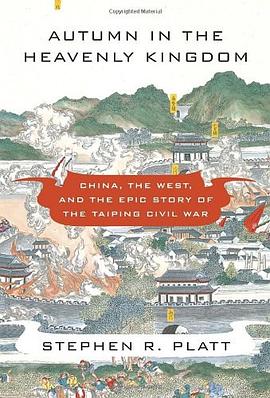
A gripping account of China’s nineteenth-century Taiping Rebellion, one of the largest civil wars in history. Autumn in the Heavenly Kingdom brims with unforgettable characters and vivid re-creations of massive and often gruesome battles—a sweeping yet intimate portrait of the conflict that shaped the fate of modern China.
The story begins in the early 1850s, the waning years of the Qing dynasty, when word spread of a major revolution brewing in the provinces, led by a failed civil servant who claimed to be the son of God and brother of Jesus. The Taiping rebels drew their power from the poor and the disenfranchised, unleashing the ethnic rage of millions of Chinese against their Manchu rulers. This homegrown movement seemed all but unstoppable until Britain and the United States stepped in and threw their support behind the Manchus: after years of massive carnage, all opposition to Qing rule was effectively snuffed out for generations. Stephen R. Platt recounts these events in spellbinding detail, building his story on two fascinating characters with opposing visions for China’s future: the conservative Confucian scholar Zeng Guofan, an accidental general who emerged as the most influential military strategist in China’s modern history; and Hong Rengan, a brilliant Taiping leader whose grand vision of building a modern, industrial, and pro-Western Chinese state ended in tragic failure.
This is an essential and enthralling history of the rise and fall of the movement that, a century and a half ago, might have launched China on an entirely different path into the modern world.
作者简介
Stephen R. Platt received his Ph.D. in Chinese history from Yale University, where his dissertation was awarded the Theron Rockwell Field Prize. He is an associate professor at the University of Massachusetts, Amherst, and is also the author of Provincial Patriots: The Hunanese and Modern China. An undergraduate English major, he spent two years after college as a teacher in the Yale-China program in Hunan province. His research has been supported by the Fulbright program, the National Endowment for the Humanities, and the Chiang Ching-Kuo Foundation. He lives in Greenfield, Massachusetts, with his wife and daughter.
目录信息
读后感
与太平天国相关的书,堪称汗牛充栋,多一本少一本,似乎已不再重要,在这个熟题材上想写出新意来,几乎不可能。 但,裴士锋告诉我们,其实还有完全不同的新视角,那就是从国际政治来看太平天国:太平天国与美国南北战争有什么关系?洪仁玕为什么要写不大可能执行的《资政新篇...
(1)-历1-甲骨文系列1-《天国之秋》豆瓣8.2 咋说呢,这本书可以说开了我的一种全球史观,能把太平天国和美国内战联系到一起真的是很厉害了 可是他塑造的全球史观一方面有利于了解各方在一个历史事件中的客观影响,不像明朝那些事一样局限在中国大地上 但另一方面他塑造的全球...
很喜欢作者的叙事风格,宏大、人物命运相互交错,但结语一章写的真不怎么样。我并不认为作者在用美国的内战与中国的内战作比较,而是在说明,如果没有爆发美国南北战争,淮军可能不会降临上海,戈登可能不会帮李鸿章攻下苏州,英国如果能一直保持中立,那太平天国一方可能不会...
我只从“对于普通中国人来说这书有什么看点”来说一下。 作者在前言就已经说明了:写作本书的最初目的是要纠正欧美知识分子关于“太平天国叛乱能够平定主要是因为西方干涉”的观念。对大多数中国读者来说,这第一句就把他们吓到了。我操,平定太平天国不是文正公搞的吗?顶多...
用户评价
我通常是那种喜欢在阅读中寻找“惊喜”的读者,而《Autumn in the Heavenly Kingdom》这本书,无疑给了我太多意料之外的触动。它并非一本轻松愉快的读物,而是以一种极其冷静而又深刻的视角,审视了一个国家在特定历史时期所经历的动荡与变革。我尤其欣赏作者在叙事上的独到之处,他并非按照时间顺序简单陈述,而是通过多角度、多视角的切换,将整个历史图景立体地展现在读者面前。我仿佛能够看到那些身处权力中心的人物,他们是如何勾心斗角,如何为了私利而牺牲国家大义;我也能够看到那些在乱世中挣扎求生的普通民众,他们是如何在生存的压力下,维系着人性的光辉。书中对战争的描写,并非仅仅是宏大的战场画面,更多的是战争对个体命运造成的不可逆转的影响。我看到了那些在战火中破碎的家庭,那些被命运玩弄的灵魂,那些在绝望中依然闪烁着希望微光的眼睛。作者对历史细节的考据也让我感到惊叹,那些关于服饰、礼仪、思想的描写,都为整个故事增添了浓厚的历史色彩,让我仿佛置身于那个特定的时代,能够闻到空气中混合着硝烟、泥土与死亡的气息。这本书让我看到了历史的残酷性与人性的复杂性,它并非简单的英雄史诗,而是关于挣扎、关于妥协、关于希望与绝望的宏大叙事。
当我合上《Autumn in the Heavenly Kingdom》这本书时,我感到一种沉甸甸的满足感,以及一股无法言喻的震撼。它并非一本仅仅罗列史实的教科书,而是一部充满了生命力的史诗。我一直被那些能够将宏大历史叙事与细腻情感描绘相结合的作品所吸引,而这本书恰恰满足了我的这种需求。作者以一种近乎冷酷却又充满悲悯的笔触,描绘了一个国家在动荡岁月中的种种挣扎与变迁。我喜欢他在人物塑造上的功力,那些曾经叱咤风云的人物,他们的野心、他们的抱负、他们的失败,都被描绘得如此真实而震撼。我甚至能够感受到他们内心深处的呐喊,听到他们因命运捉弄而发出的叹息。书中对战争的描写,并非仅仅是枪林弹雨的战场,更多的是战争对社会结构、家庭关系乃至个体精神造成的深刻影响。我看到了在动荡年代里,普通民众的坚韧与脆弱,他们的生存智慧与道德困境。作者对历史细节的考据也让我佩服,那些关于服饰、礼仪、思想的描写,都为整个故事增添了浓厚的历史色彩,让我仿佛置身于那个特定的时代,能够闻到空气中混合着战火、死亡与希望的气息。这本书让我看到了历史的另一面,它并非冰冷的史实堆砌,而是充满血肉情感的生动画卷,让我对历史有了更深层次的理解和感悟。
当我刚开始翻阅《Autumn in the Heavenly Kingdom》时,我并没有抱着太高的期望,因为我读过太多关于历史题材的书籍,很多都落入了俗套,要么是枯燥的史料堆砌,要么是虚构的激情四溢。然而,这本书却以一种出人意料的方式,征服了我。它并没有一开始就抛出大量的历史名词和事件,而是通过人物的视角,一点点地揭示着那个时代的风貌。我喜欢作者对人物内心世界的刻画,那些隐藏在微笑之下的忧虑,那些在沉默中爆发的愤怒,都被描绘得入木三分。我仿佛能够看到他们的眼睛里闪烁着复杂的光芒,感受到他们胸腔里压抑的情感。作者对历史细节的运用也极其巧妙,他不会为了展现而展现,而是将这些细节融入到叙事之中,让它们自然地流淌,为整个故事增添了厚重感和真实感。我甚至能够想象到那个时代的空气中弥漫着什么样的味道,听到那个时代特有的声音。更让我印象深刻的是,书中对战争的描写,并非仅仅是战场上的血雨腥风,更是战争对社会结构、家庭关系以及个体精神所造成的深刻影响。那些身处乱世中的普通人,他们的坚韧、他们的绝望、他们的希望,都让我深受触动。这本书让我看到了历史的另一面,它不仅仅是统治者们的游戏,更是无数普通人生存的战场。我发现自己在阅读过程中,常常会为书中人物的命运感到担忧,为他们的选择而纠结。这种情感上的投入,让我觉得这本书不仅仅是一部历史小说,更是一部关于人性和命运的深刻探讨。
《Autumn in the Heavenly Kingdom》这本书,它给我的感觉就像是一坛陈年老酒,初尝时或许有些许辛辣,但越品越能感受到其醇厚的底蕴和复杂的回甘。我通常对那些节奏过于缓慢或者过于激烈的作品不太感冒,但这本书在叙事节奏的把握上堪称完美。它不会让你因为信息的堆砌而感到疲惫,也不会让你因为情节的停滞而感到乏味。作者的笔触如同精密的织布机,将历史事件、人物命运、社会变迁如同丝线一般,巧妙地编织在一起,构成了一幅宏大而细腻的画卷。我尤其欣赏作者在展现历史的宏观层面与个体微观层面之间的平衡。它既能让你感受到那个时代波澜壮阔的变革,又能让你深入到人物的内心世界,体会他们的喜怒哀乐。那些在历史大潮中被裹挟的个体,他们的每一次呼吸、每一次心跳,都充满了力量,都诉说着一个时代的缩影。我发现自己在阅读过程中,常常会忘记自己是在读一本书,而是仿佛身临其境,与书中人物一同经历着他们的命运。作者对于当时的文化、风俗、思想的考据也让我大开眼界,那些我从未了解过的细节,在这里被栩栩如生地展现出来,让我对那个时代有了更深刻的认识。这本书不仅仅是讲述了一个故事,更像是在引导读者去思考历史的走向,去探究人性的深渊,去感受那个时代独有的魅力与伤痕。
当我拿起《Autumn in the Heavenly Kingdom》时,我并没有预设它会给我带来如此深刻的情感冲击。我曾以为这会是一部纯粹的历史考据读物,亦或是一部描写宏大战争场面的史诗。然而,它远不止于此。作者以一种近乎冷酷的笔触,描绘了一个国家在特定时期所经历的剧烈变革。我感受到的不仅仅是历史事件的陈述,更是其中交织着的人性悲欢离合。那些曾经的辉煌,那些试图挽回的颓势,那些在权力斗争中被碾碎的理想,都让我感到一种莫名的沉重。特别是当故事深入到几个关键人物的视角时,我看到了他们的挣扎、他们的抉择、他们的无奈。我甚至能感受到那种身处绝境却依旧试图寻找一线生机的绝望。作者对细节的把握堪称一绝,他能够从一个微小的物件、一个不经意的眼神中,勾勒出人物复杂的内心世界和当时的社会氛围。我仿佛置身于那个时代,看到了人们脸上的疲惫,听到了他们低语中的恐惧,嗅到了空气中弥漫的绝望的气息。书中对政治斗争的描写也并非流于表面,而是深入到了权力运作的阴暗角落,展现了利益如何腐蚀人性,野心又如何驱动人们走向毁灭。我曾一度因为情节的残酷而感到不适,但正是这种不适,让我更加深刻地理解了历史的残酷性以及人性的复杂。它让我反思,在历史的洪流中,个体究竟能有多大的能耐去改变命运?这种思考,在合上书页之后,依然萦绕在我的脑海中,久久不能散去。
这本书的封面设计就足够吸引人了,深邃的秋色,点缀着一丝不祥的预兆,让人在翻开之前就心生好奇。我通常是那种会被精致装帧吸引的读者,而《Autumn in the Heavenly Kingdom》无疑让我赏心悦目。故事的开端,它并未直接抛出惊心动魄的情节,而是循序渐进地描绘了一个似乎平静却暗流涌动的世界。我尤其喜欢作者在人物塑造上的细腻之处,无论是那些身处权力中心、心思深沉的决策者,还是那些在时代洪流中挣扎求生的普通人,他们的内心世界都被刻画得淋漓尽致。我仿佛能听到他们内心的叹息,感受到他们眼神中复杂的情感。作者对于历史背景的考据也做得相当扎实,那些细微之处,比如服饰的描写、礼仪的细节,都让我沉浸其中,仿佛穿越到了那个特定的时代。我甚至能闻到空气中混合着焚香、潮湿泥土和微弱的血腥味,这种沉浸感是很多同类书籍难以企及的。更让我感到惊喜的是,书中对战争的描写并非简单的暴力宣泄,而是深入到战争对社会结构、家庭关系乃至于个体精神造成的深刻影响。那些并非身处前线的普通民众,他们如何面对动荡,如何维系生活,如何保有希望,这些视角让我看到了历史更为真实和人性化的一面。我发现自己在阅读过程中,常常会停下来,反复咀嚼某一段文字,思考人物的动机,猜测接下来的发展。这种引人入胜的叙事风格,让我感觉自己不仅仅是在阅读一个故事,更像是在参与一场智力游戏,与作者一同探索历史的迷雾。
《Autumn in the Heavenly Kingdom》这本书,让我体验到了一种前所未有的阅读沉浸感。我一直认为,一部好的历史作品,不仅要讲述“发生了什么”,更要探究“为什么发生”,以及“发生了什么又改变了什么”。这本书恰恰做到了这一点。作者以一种极其精妙的叙事结构,将复杂的历史事件和人物命运巧妙地编织在一起。我喜欢他在人物刻画上的细腻,那些身处权力漩涡中的人物,他们的每一个眼神、每一个动作,都充满了深意。我甚至能够感受到他们内心的挣扎与纠结,那些在道义与利益、忠诚与背叛之间摇摆不定的灵魂。书中对战争的描写,并非简单的暴力堆砌,而是深入到战争对社会结构、家庭关系乃至于个体精神造成的深刻影响。我看到了在动荡年代里,普通民众的生存困境,他们的坚韧与绝望,他们的希望与渺茫。作者对历史细节的运用也令人惊叹,那些关于服饰、礼仪、思想的描写,都为整个故事增添了浓厚的历史色彩,让我仿佛置身于那个特定的时代,能够闻到空气中混合着尘土、血腥与希望的气息。这本书让我看到了历史的复杂性与人性的一面,它并非简单的善恶二元对立,而是充满了灰色地带与无奈的选择。我发现自己在阅读过程中,常常会因为书中人物的命运而感到震撼,为他们的选择而感到深思。
《Autumn in the Heavenly Kingdom》这本书,给我的感觉就像是打开了一个尘封已久的宝箱,里面不仅有珍贵的历史瑰宝,更有触及灵魂的深邃思考。我通常会被那些能够引发我深入反思的作品所吸引,而这本书无疑做到了这一点。它以一种极其冷静而又极富洞察力的笔触,描绘了一个帝国在历史洪流中的挣扎与覆灭。我喜欢作者对人物塑造的深邃,那些身处风暴中心的人物,他们的野心、他们的无奈、他们的悲剧,都让我为之动容。我甚至能够听到他们内心深处的叹息,感受到他们眼中的迷茫与痛苦。书中对权力斗争的描写,更是让我感到不寒而栗。那些隐藏在华丽辞藻背后的阴谋,那些为了利益不择手段的嘴脸,都让我对人性有了更深的认识。我甚至能够感受到空气中弥漫着的那种紧张的气氛,那种随时可能爆发的危机。作者在细节上的把握也相当到位,无论是对人物服饰的描写,还是对当时社会风貌的刻画,都显得极为真实,让我仿佛穿越到了那个时代。我尤其喜欢作者对那些边缘人物的关注,他们或许不是历史的主角,但他们的命运同样令人动容,他们的视角同样能够揭示出历史的另一面。这本书不仅仅是在讲述一段历史,更是在引导读者去思考历史的必然与偶然,去探究人性的善恶与复杂。我发现自己在阅读过程中,常常会因为书中人物的遭遇而感到心痛,为他们的选择而感到惋惜。
《Autumn in the Heavenly Kingdom》这本书,在我手中沉甸甸的,仿佛承载着沉重的历史。我通常是被那些能够引发我深入思考的作品所吸引,而这本书无疑做到了这一点。它以一种极其冷静而又极富洞察力的笔触,勾勒出了一个在动荡年代中摇摇欲坠的帝国。我欣赏作者对历史事件的梳理,并非简单的线性叙述,而是通过不同人物的视角,不同侧面的观察,将整个历史图景徐徐展开。我仿佛置身于那段纷乱的时光,看到形形色色的人物在历史的洪流中挣扎、抗争、或者沉沦。书中对权力斗争的描写,更是让我感到不寒而栗。那些隐藏在华丽辞藻背后的阴谋,那些为了利益不择手段的嘴脸,都让我对人性有了更深的认识。我甚至能够感受到空气中弥漫着的那种紧张的气氛,那种随时可能爆发的危机。作者在细节上的把握也相当到位,无论是对人物服饰的描写,还是对当时社会风貌的刻画,都显得极为真实,让我仿佛穿越到了那个时代。我尤其喜欢作者对那些边缘人物的关注,他们或许不是历史的主角,但他们的命运同样令人动容,他们的视角同样能够揭示出历史的另一面。这本书不仅仅是在讲述一段历史,更是在引导读者去思考历史的必然与偶然,去探究人性的善恶与复杂。我发现自己在阅读过程中,常常会因为书中人物的遭遇而感到心痛,为他们的选择而感到惋惜。
当我第一次看到《Autumn in the Heavenly Kingdom》的书名时,脑海中就勾勒出了一幅充满诗意的画面,然而,翻开书页后,我才发现,这“天堂王国”中的秋日,并非如诗歌般宁静美好,而是充满了肃杀与悲凉。我一直对那些能够将宏大历史背景与个体命运紧密结合的作品情有独钟,而这本书恰恰满足了我的这种偏好。作者以一种近乎冷峻的叙事风格,描绘了一个国家在历史转折点上的种种挣扎与阵痛。我喜欢他在人物塑造上的功力,那些曾经叱咤风云的人物,他们的野心、他们的抱负,在时代的风暴中显得如此渺小而又真实。我甚至能够听到他们内心深处的呐喊,感受到他们眼中的无奈与绝望。书中对战争的描写,并非仅仅是血肉横飞的战场,更多的是战争对社会结构、家庭关系乃至个体精神造成的深远影响。我看到了在动荡年代里,普通民众的坚韧与脆弱,他们的生存智慧与道德困境。作者对细节的考据也让我佩服,那些关于服饰、礼仪、思想的描写,都为整个故事增添了浓厚的历史色彩,让我仿佛置身于那个特定的时代,能够闻到空气中混合着战火、死亡与希望的气息。这本书让我看到了历史的另一面,它并非冰冷的史实堆砌,而是充满血肉情感的生动画卷。我发现自己在阅读过程中,常常会因为书中人物的命运而感到揪心,为他们的选择而感到悲叹。
基督教不足亲近西方却足以使儒家士大夫痛恨欲除之而后快
读原版还是太吃力了,读了15%换译本了。
"'Sooner or later,' Heng said,...'one has to take sides---if one is to remain human.'" (Graham Greene, The Quiet American) “各人自扫门前雪,休管他人瓦上霜。”作者是想说这个吗??
这是我读过的唯一一部翻译要比原版来得准的著作
三年来读的第一本英文书,耗时长达4个月。