
具体描述
PREFACE<br > TOURISM IN MICRONESIA<br >Though Micrenes~a has yet to be fuLLy "d~s- mes as many as Tahiti. Salpan, with much<br >cove ed" by the p~moters of packaged con- bette beaches than Guam and no militarf<br >sumer tourism, Guam and Saipan already bases, isn tfarbehind OnGuamtoursmha~<br > gure alongs de such fleshpots as BaLi, Thai su passed military spending as a source 01<br >and, and Hawaii in the tourism markets of income for theterritoryandnowtourismeve~<br >Tokyo Nagoya, and Osaka. Belau ala hot con c s with military use--the govemmeal<br >new destination about to be opened to Japo- o Guam is demanding that more of the 3O%<br >nese mass tourism and Pohnpei already has of the s and s surface presently held by the<br >a big new Japanese scuba-diving operation military be released for airport expansion and<br >that needs only a ~uple of luxury hotels other civilian use.<br >nearby to become really profitable. On Guam the big hotels have Long be~<br > A h s ac ivity dates back to 1962 when es cnd o the Tureen Bay strip but<br >the U S. government lifted its requirement of three additional h[gh-dse hotels presently un-<br >a security clearance to visit Microneala Pan der cons uc ion at Tumon a Holiday Inn, a<br >Americ~ AJ~ays inaugurated d~rect flights Hyatt Regency, and a Hotel Nikko) hotel de*<br > om Tokyo to Guam in 1967, the same year velopment has been pushed closer to down.<br > Con6nental Airlines got together wth local town Agana. The 4O3-room Palace Hot~<br > business interests to create a new joint yen- opened on Oca Point in 1991, just acm~<br > u e, Continental Air Micronesia, which be Agana Bay from the city, and the soaring<br > gan sew ce from HonoLulu to Salpan in 1968 OnwardAganaBeachHotalisgo~ng~pne~"<br > Airstrips were gradually upgraded in all the by. All these hotels would close wdhin awesk<br > gstrct~nersoftheoldTrustTerrdoryofthe ifJapanesetou companiesstsppodsendi~<br > Pac c slandsandbylg76Air M~keslsalnd their packaged pLaneloeds south<br > Hopper was calling at Mature, Kwajalein, TheJspaneseareblgongolfandtherear~<br > Pohedal and Chuuk (Truk} between Hone- new a half dozen sprawling golf coupes 0~<br > Lulu and Guam; feeder se~ces ew on o 54t-square-km Guam. Qalte achunkofS~"<br > Sa pan, Yap, and Koror. Kosrae only became pan s 123 square km is eaten up by its three<br > partof Continental swnddin1986whenajet courses and little 85 square-km Retail<br > runway was dredged up from the hagoon threatened by at least two projected<br > TO ac i ate tourist movements on its ser- cou ses including one with 54 holes! The~<br > vces ConSnental built the first big hotels in acilit]es are too expensive for most k<br > Micrenesia, the Trek Cenbnental (1970, the golfers and when they re combined w th<br > Guam Hilton (1970), Koror s Hotel Nikko military resewations, housing develedmel<br > (1971) and he Salpan Hyatt Regency shoppng malls roads parking areas, ~t<br > (974). For vadous reasons Majuro, Pohnpal, moun ainous island interiors, there isn t al<br > and Yap never got the big hotels originally o ~and left over Things are really heating~<br > planned for them and there are stilk no alrge on Salpan and Guam, wdh day-long trSf~<br > n e na ional tourist resorts on those islands, ares along he west coast highways el bo~<br > q s not widely known that Guam s now he islands. The popala ion of Salpon deul~ed<br > second-most-important tourist destinaedn in the g7Os and again in the lg80s.<br > the Pacific islands (after Hawaii), with three When the MarLanas Covenant was s]gn~<br > times as manytourists ayear as Fijiand five by President Ford in 1976 a grealsion wa<br >
作者简介
目录信息
读后感
用户评价
坦白说,在数字时代,一本厚厚的实体书似乎有点反潮流,但我更看重它所提供的“离线”体验。想象一下,在停电的小岛上,或者在手机信号时有时无的深海船上,一本无需充电、内容详实的指南是多么可靠的伙伴。这本书的篇幅看起来相当可观,我推测它不仅仅是罗列了酒店和餐厅,而是更侧重于历史背景和地理概貌。对于密克罗尼西亚这片复杂的文化拼图,理解其二战遗迹、殖民历史的交织影响,是理解当地人世界观的基础。我希望作者没有避开那些敏感的历史话题,比如帕劳的独立进程,或者加罗林群岛内部不同的政治光谱。只有深刻的历史根基,才能支撑起一个真正有深度的旅行体验。我希望它能像一位资深的地质学家兼历史学家一样,为我描绘出这些岛屿从火山喷发到人类定居的宏大叙事。
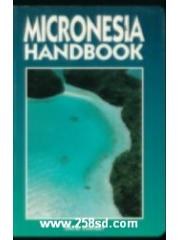
这本书的封面设计真是让人眼前一亮,那种带着热带气息的色彩搭配,瞬间就把我带到了那些遥远的太平洋岛屿上。我尤其喜欢封面上那张模糊却充满故事感的照片,仿佛能透过它感受到海风的咸湿和椰林树影的斑驳。尽管我还没有完全翻开内页,但仅仅是这本书的实体质感,就让我对手中的这份“指南”充满了敬意。它拿在手里沉甸甸的,纸张的质量看起来非常耐用,这对于经常需要户外携带的旅行指南来说,简直是太重要了。我猜测这本书的内页排版一定下了不少功夫,毕竟要在一本书里囊括如此多风格迥异的群岛,信息量的梳理和呈现方式,将是检验其专业程度的关键。我非常期待翻开之后,看到那些清晰的地图和实用的插图,希望它们能帮我顺利地穿越那些错综复杂的航线和文化藩篱。从这本书的外在来看,它散发着一种老派的、值得信赖的旅行文学气息,而不是那种浮于表面的、只重美图的观光手册。
我听说这本书的作者在当地生活了很长时间,对于那些尚未被过度开发的秘境,他似乎有着独到的见解。这对我这种热衷于深度探索的旅行者来说,简直是福音。我最关注的,是关于潜水和浮潜点的介绍。那些珊瑚礁的健康状况、最佳的能见度时间,以及最重要的是——当地的海洋保护规定,这些细节往往是那些通用旅游指南里会缺失的。我希望这本书能提供详尽的“礁石地图”,标明哪些地方是适合新手,哪些地方则需要专业向导带领。另外,关于原住民的文化习俗,我希望能看到更深入的探讨,而不是敷衍的“请勿打扰”。比如,在一些偏远的马绍尔环礁上,传统捕鱼技术和星象导航的知识是如何代代相传的?这本书是否有勇气去触及这些更深层次的文化脉络,并以一种尊重和理解的笔触去描绘?如果能找到关于当地手工艺品制作过程的描述,那就更完美了,我希望能带回一些真正具有故事性的纪念品。
这本书的另一个吸引我的地方,在于它对“不为人知”的微型国家的细致描绘。通常,指南往往会集中在像关岛这样的大型旅游中心,而像科斯雷(Kosrae)或楚克(Chuuk)这样的小岛,往往只有寥寥数语。我希望《Micronesia Handbook》能够颠覆这种不平衡,给予每一个小岛平等的关注。我渴望阅读关于那些特定岛屿独有的传说和神话,它们是如何反映当地的生态环境和族群特性的。比如,某些岛屿特有的雨林动植物,或者只有在特定季节才能观察到的海鸟迁徙路线。如果这本书能附带一个关于当地时间、日出日落以及潮汐预测的章节,那就太贴心了。总而言之,我希望这本书不仅仅是一本“告诉我去哪里”,更是一本“告诉我如何去理解这些地方”的百科全书,引导我去发现太平洋深处那些宁静而又充满生命力的角落。
我对这本书的实用信息部分抱有极高的期望,特别是关于后勤保障的细节。在这些分散的岛屿群中,岛际交通的复杂性是众所周知的噩梦。我期待这本书能提供最前沿的、甚至是“小道消息”式的交通信息:哪些私人船只有定期航线,哪些小型航空公司可能会临时取消航班,以及如何在没有预订系统的小岛上找到住宿。更重要的是,我希望看到关于“自给自足”的提示——比如,在进入那些资源有限的偏远岛屿前,应该储备哪些非处方药品、淡水净化设备的使用技巧,以及如何与当地社区进行有效、友好的物资交换。如果它能提供一些关于当地语言基础短语的入门指南,哪怕只是最基本的问候和数字,那都会极大地提升我的旅行安全感和融入感。这种对读者“生存能力”的关注,才是一本优秀生存指南的标志。