
具体描述
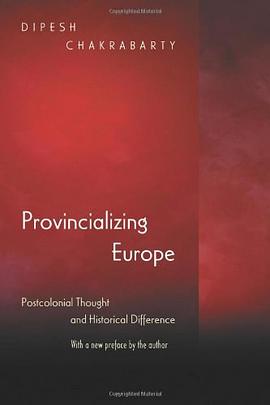
First published in 2000, Dipesh Chakrabarty's influential "Provincializing Europe" addresses the mythical figure of Europe that is often taken to be the original site of modernity in many histories of capitalist transition in non-Western countries. This imaginary Europe, Dipesh Chakrabarty argues, is built into the social sciences. The very idea of historicizing carries with it some peculiarly European assumptions about disenchanted space, secular time, and sovereignty. Measured against such mythical standards, capitalist transition in the third world has often seemed either incomplete or lacking. "Provincializing Europe" proposes that every case of transition to capitalism is a case of translation as well - a translation of existing worlds and their thought - categories into the categories and self-understandings of capitalist modernity. Now featuring a new preface in which Chakrabarty responds to his critics, this book globalizes European thought by exploring how it may be renewed both for and from the margins.
作者简介
Dipesh Chakrabarty holds a B.Sc (Physics Hons.) degree from Presidency College, University of Calcutta, a Post-graduate Diploma in Management (considered equivalent to MBA) from the Indian Institute of Management, Calcutta, and a Ph.D (History) from the Australian National University. He is currently the Lawrence A. Kimpton Distinguished Service Professor in History, South Asian Languages and Civilizations, and the College. He is also a Faculty Fellow of the Chicago Center for Contemporary Theory, an Associate Faculty of the Department of English, holds a visiting position at the Research School of Humanities at the Australian National University, and an Honorary Professorial Fellowship with the School of Historical Studies at the University of Melbourne, Australia . He is a founding member of the editorial collective of Subaltern Studies, a co-editor of Critical Inquiry, and a founding editor of Postcolonial Studies. He is a Contributing Editor to Public Culture, and has served on the editorial boards of the American Historical Review. He is one of the editors (along with Sheldon Pollock from Columbia University and Sanjay Subrahmanyam from UCLA) of the new series South Asia Across the Disciplines published by a consortium of three university presses (Chicago, Columbia, and California). He also serves on the Board of Experts for the Humboldt Forum in Berlin.
目录信息
读后感
用户评价
在收到《 Provincializing Europe 》这本书的那个下午,我迫不及待地翻开了封面,那一刻,一种预感告诉我,这将是一次不同寻常的思想旅程。我一直以来都在思考,我们对于“现代性”的理解,是否过于狭隘,是否被某种既定的叙事所框定。欧洲,这个地理和文化概念,在塑造我们认知世界的方式上,扮演了怎样的角色?《 Provincializing Europe 》这个书名本身就充满了挑衅性,它并非直接宣告欧洲的衰落,而是暗示着一种“去中心化”的视角,一种邀请我们审视那些被边缘化、被忽略的知识体系和历史叙事的呼唤。我渴望这本书能够提供一个全新的框架,让我们能够跳出既有的二元对立,去理解全球范围内发生的种种现象,那些并非简单地沿着欧洲模式复制或抵抗的社会变迁。我的期待是,它能够启发我,如何去辨识和欣赏那些来自不同文化、不同地域的智慧,如何去构建一种更具包容性和多元性的历史叙事,从而真正理解我们所处的这个复杂而迷人的世界。我希望这本书能像一把钥匙,打开我思维的囚笼,让我看见更广阔的天地,而不仅仅是围绕着“欧洲”这个轴心旋转的狭窄图景。
这本书的书名《 Provincializing Europe 》无疑是一个极具冲击力的宣言。它暗示着一种对现有知识生产模式的挑战,特别是对那种将欧洲置于历史和文明中心的叙事。我一直以来都对这种“欧洲中心主义”抱有疑问,总觉得它忽略了世界其他地方同样丰富和重要的历史经验。我渴望这本书能够提供一种全新的视角,让我们能够从一个更宏观、更平等的角度来审视全球历史的发展。我期待它能够深入地剖析,欧洲的“现代化”模式是如何被建构和传播的,以及这种传播又带来了怎样的后果。更重要的是,我希望这本书能够帮助我,去发现和理解那些被欧洲中心论所遮蔽的、来自非欧洲世界的思想、制度和实践,从而形成一种更加多元和立体的世界观。
这本书的出现,恰好回应了我心中长久以来的一个困惑。我们常常不自觉地将“进步”与“现代化”划等号,而“现代化”又常常被隐喻为一种向欧洲模式靠拢的过程。然而,这种视角似乎忽略了许多非西方社会在自身历史进程中,所发展出的独特应对方式和解决路径。这些方式,可能并不符合我们惯常理解的“理性”和“科学”,但它们却在特定的文化土壤中,孕育出了蓬勃的生命力。我希望《 Provincializing Europe 》能够深入地探讨,这种“欧洲中心主义”是如何在学术、政治、文化等各个层面渗透,并塑造了我们的认知。我期待它能够揭示,那些被“他者化”的经验和知识,是如何被压制、被简化,甚至被遗忘的。更重要的是,我希望这本书能够提供一种批判性的工具,让我能够去审视那些看似普适的理论和概念,并理解它们是如何在不同的地域和文化背景下,产生截然不同的含义和影响。我希望这本书能够帮助我,摆脱那种“以己度人”的思维模式,学会用一种更加开放和谦逊的态度,去理解和尊重那些与我不同的存在。
这本书的封面设计,以及那充满力量的书名,让我立刻产生了一种想要深入探索的冲动。《 Provincializing Europe 》这个表述,本身就带有一种颠覆性的意味。它似乎在说,我们一直以来习以为常的“欧洲中心”视角,或许并非放之四海而皆准的真理,甚至可能是一种局限。我渴望这本书能够带领我,去审视那些在“欧洲范式”之外,但同样具有生命力和解释力的知识体系。我希望它能够提供一种新的视角,让我们能够理解,那些并非简单复制欧洲模式的社会变迁,它们是如何在自身的文化和历史土壤中,生长出独特的果实。我期待它能够挑战我对于“现代化”的刻板印象,让我看到,在世界其他地方,存在着各种各样丰富而复杂的社会演进路径。我想要通过这本书,拓宽我的认知边界,学习如何以一种更加包容和尊重的态度,去理解那些与我不同的文化和历史。
我拿到《 Provincializing Europe 》这本书的时候,心中涌起的是一种对现有知识体系的挑战感。我们常常被灌输一种“欧洲是现代化的先行者”的叙事,仿佛其他文明都是在追随欧洲的脚步。然而,这种叙事是否过于简化了历史的复杂性?我希望这本书能够提供一个全新的分析框架,让我们能够超越欧洲中心主义的视角,去重新审视世界历史的进程。我期待它能够揭示,那些被欧洲中心论所遮蔽的、来自非西方世界的思想、制度和经验。我希望这本书能够帮助我理解,不同文明在各自的历史轨迹中,是如何独立地发展出应对挑战的独特方式,以及这些方式所蕴含的智慧。我想要通过阅读这本书,培养一种更加批判性的思维,去质疑那些看似普适的理论,并去发现那些隐藏在表面之下的、更加多元和深刻的意义。
当我第一次看到《 Provincializing Europe 》这本书时,我就知道它会给我带来一场思维的革命。我一直对那种将欧洲视为现代化唯一范本的论调感到不安,总觉得它忽略了世界历史的丰富性和复杂性。我希望这本书能够提供一个强有力的理论武器,让我能够去批判性地审视那些根深蒂固的欧洲中心主义观念。我期待它能够揭示,非欧洲社会在自身历史进程中,是如何发展出独特的应对方式和解决路径,这些路径可能并不符合我们惯常的理解,但却同样具有重要的价值。我想要通过这本书,学习如何从一个更加平等的视角去理解世界,如何去欣赏和借鉴来自不同文化和地域的智慧,从而构建一个更加多元和包容的全球图景。
《 Provincializing Europe 》这个书名,一下子就击中了我的好奇心。我们是否过于习惯于以欧洲为参照系来理解世界?这种视角,是否无形中限制了我们对其他文明的理解?我期望这本书能够提供一种“去欧洲中心化”的思考方式,让我们能够从一个更广阔的全球视角出发,去审视历史和现实。我希望它能够深入地探讨,欧洲的“现代化”范式是如何在全球范围内被推广,以及这种推广又带来了怎样的影响。更重要的是,我期待这本书能够帮助我,去发掘那些被边缘化、被忽视的非欧洲思想和经验,理解它们在各自的语境中所具有的独特性和价值。我想要通过阅读这本书,打破固有的思维定势,学会以一种更加开放和谦逊的态度,去理解和尊重那些与我不同的文化和历史。
当我在书店里看到《 Provincializing Europe 》这本书时,它的书名立刻吸引了我的注意。我一直觉得,在历史研究和文化分析中,我们似乎过度依赖于一些从西方思想家那里继承来的范式和理论。这些范式,虽然在某些方面具有强大的解释力,但它们在应用于非欧洲语境时,常常显得力不从心,甚至产生误导。我渴望这本书能够提供一种“反身性”的视角,让我们能够回过头来,审视这些我们习以为常的理论工具,并思考它们是如何被构建出来的,它们又有哪些潜在的局限性。我希望这本书能够鼓励我,去发掘那些被埋没的、来自不同文化的声音和思想,去理解那些并非以欧洲为模板的发展路径。我期待它能够挑战那些根深蒂固的二元对立,比如“传统”与“现代”、“东方”与“西方”,并帮助我看到一个更加流动和复杂的世界。我想要通过这本书,找到一种理解世界的新方式,一种能够包容多元、尊重差异的方式,一种能够真正看见“他者”自身能动性的方式。
《 Provincializing Europe 》这个书名,让我立刻联想到那些在历史长河中被边缘化、被遗忘的声音。我一直觉得,我们对“现代化”的理解,过于单一,过于局限于欧洲的经验。我希望这本书能够提供一种全新的视角,让我们能够跳出欧洲中心主义的框架,去审视全球范围内的社会变迁和思想发展。我期待它能够深入地探讨,那些在非欧洲语境下,是如何出现和发展出不同于欧洲模式的应对方式和解决方案。我想要通过阅读这本书,去发掘那些被低估的、来自不同文化和地域的智慧,并理解它们在各自的语境中所蕴含的独特价值。我希望这本书能够帮助我,培养一种更加批判性的思维,去质疑那些看似普适的理论,并去构建一个更加包容和多元的世界认知。
我一直对那种“西方征服世界”的历史叙事感到怀疑。虽然欧洲在某些历史时期确实取得了显著的物质成就,但这种成就的背后,是否存在着某种我们未能充分认识到的代价?《 Provincializing Europe 》这个书名,让我看到了一个可能性,那就是“欧洲”本身,也可能被置于一个更广阔的全球背景下来审视。我希望这本书能够帮助我理解,欧洲的崛起并非是历史的必然,而是多种复杂因素交织作用的结果,而其他文明在不同历史时期,也曾有过辉煌和创新。我期待这本书能够打破那种单线性的进步史观,展现出历史进程的丰富性和多样性。我希望它能够帮助我,认识到那些被欧洲中心主义所遮蔽的,来自非西方世界的思想、制度和实践。我想要通过阅读这本书,培养一种更加批判性的思维,去质疑那些看似“理所当然”的普适性解释,并去探索那些隐藏在表面之下的、更加多元和深刻的意义。
下午在看这本书,晚上访谈的时候竟然被人反问。。。你觉得庶民研究有什么问题。。。
很幸运,经Dipesh Chakrabarty本人同意,陆兴华教授转发作者亲自提供的pdf邮件。多谢!
Historiography
过一会把书评补上
Historiography