
具体描述
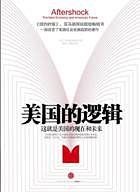
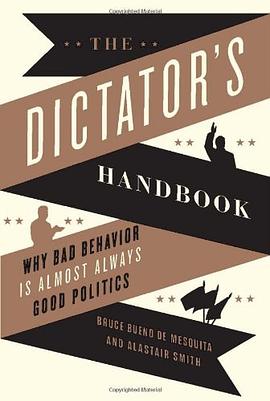
In this title, two renowned political scientists make the contrarian, research-based case that - regardless of any other factors political scientists or historians may find relevant - the calculations and actions of rulers are the driving force of all politics, and the primary goal of rulers is to maintain power as long as possible. In this clever and accessible book, Bueno de Mesquita and Smith introduce us to their perspective of the political world. They bare the logic of politics, starting from the simple premise that leaders pursue their own ends, and that populations either have, or more often don't have, the power to constrain them to a significant degree. The book is organized by a series interconnected questions, among them: Why do leaders who wreck their countries keep their jobs for so long? Why do autocracies have dismal economic policies? How are there so many suffering people in resource-rich lands? Why do 'natural disasters' disproportionately strike poor nations? Why do 'evil-doers' so often collect loads of foreign aid? Why are democracies so good at war? In answering these questions, the authors look at politics, the choices of public policies, and even decisions about war and peace as lying outside of conventional thinking about culture and history. They set aside ideas of civic virtue and psychopathology. Such notions simply are not central to understanding what leaders do and why they do it. Instead, Bueno de Mesquita and Smith see politicians as self-interested louts, just the sort of people you wouldn't want to have over for dinner, but without whom you might not have dinner at all. And from this perspective, they are able to answer some perplexing mysteries of politics, shed light on what we read in the newspapers every single day, and offer realistic ways of improving human governance.
作者简介
About the Author
Bruce Bueno de Mesquita is the Julius Silver Professor of Politics and director of the Alexander Hamilton Center for Political Economy at New York University. He is the author of 16 books, including The Predictioneer’s Game.Alastair Smith is professor of politics at New York University. The recipient of three grants from the National Science Foundation and author of three books, he was chosen as the 2005 Karl Deutsch Award winner, given biennially to the best international relations scholar under the age of 40.
目录信息
Rules to Rule By
Chapter 1 - The Rules of Politics
Three Political Dimensions
Virtues of 3 - D Politics
Change the Size of Dimensions and Change the World
Rules Ruling Rulers
Taxing
Shuffling the Essential Deck
Do the Rules Work in Democracies?
Chapter 2 - Coming to Power
Paths to Power with Few Essentials
Speed Is Essential
Pay to Play
Mortality: The Best Opportunity for Power
Inheritance and the Problem of Relatives
Papal Bull - ying for Power
Seizing Power from the Bankrupt
Silence Is Golden
Institutional Change
Coming to Power in Democracy
Democratic Inheritance
Democracy Is an Arms Race for Good Ideas
Coalition Dynamics
A Last Word on Coming to Power: The Ultimate Fate of Sergeant Doe
Chapter 3 - Staying in Power
Governance in Pursuit of Heads
The Perils of Meritocracy
Keep Essentials Off-Balance
Democrats Aren’t Angels
Bloc Voting
Leader Survival
Chapter 4 - Steal from the Poor, Give to the Rich
Taxation
Tax Collectors
Privatized Tax Collection
Extraction
Borrowing
Debt Forgiveness
Chapter 5 - Getting and Spending
Effective Policy Need Not Be Civic Minded
Bailouts and Coalition Size
Is Democracy a Luxury?
Public Goods Not for the Public’s Good
Who Doesn’t Love a Cute Baby?
Clean Drinking Water
Building Infrastructure
Public Goods for the Public Good
Earthquakes and Governance
Chapter 6 - If Corruption Empowers, Then Absolute Corruption Empowers Absolutely
Power and Corruption
Private Goods in Democracies
Private Goods in Small Coalition Settings
Wall Street: Small Coalitions at Work
Dealing with Good Deed Doers
Cautionary Tales: Never Take the Coalition for Granted
Discretionary Money
Chapter 7 - Foreign Aid
The Political Logic of Aid
The Impact of Aid
An Assessment of Foreign Aid
Aid Shakedowns
Fixing Aid Policy
Nation Building
Chapter 8 - The People in Revolt
To Protest or Not To Protest
Nipping Mass Movements in the Bud
Protest in Democracy and Autocracy
Shocks Raise Revolts
Are Disasters Always Disasters for Government Survival?
Responding to Revolution or Its Threat
Power to the People
Chapter 9 - War, Peace, and World Order
War Fighting
To Try Hard or Not
Fighting for Survival
Who Survives War
The Peace Between Democracies
Defending the Peace and Nation Building
Chapter 10 - What Is To Be Done?
Rules to Fix By
Lessons from Green Bay
Fixing Democracies
Removing Misery
Free and Fair Elections: False Hope
Acknowledgments
· · · · · · (收起)
读后感
陈虻说过,一个人应该逐渐建立起自己认知未知事物的坐标系。深感同意,如何理解和判断陌生领域的一些事情的是非价值其实就体现了一个人思想的深度、认知深度。而深度要远比广度来的重要(因为深度能够满足他人推动他人,而广度只是满足了自己) 而这本书就是一本帮助人建立如何...
很有趣的一本书 看完有一段时间了 也没做全书总结但仍印象深刻 据说中文版删改很多 回头看英文版吧 书里阐述了很多关于民主和独裁体制的关键特点等等 码了一大堆字,豆瓣告诉我涉及敏感内容不能发表。。。 总之...
陈虻说过,一个人应该逐渐建立起自己认知未知事物的坐标系。深感同意,如何理解和判断陌生领域的一些事情的是非价值其实就体现了一个人思想的深度、认知深度。而深度要远比广度来的重要(因为深度能够满足他人推动他人,而广度只是满足了自己) 而这本书就是一本帮助人建立如何...
很有趣的一本书 看完有一段时间了 也没做全书总结但仍印象深刻 据说中文版删改很多 回头看英文版吧 书里阐述了很多关于民主和独裁体制的关键特点等等 码了一大堆字,豆瓣告诉我涉及敏感内容不能发表。。。 总之...
用户评价
一直以来,我都在思考一个问题:为什么有些政治体制能够如此稳定地存在,而另一些则瞬间崩塌?特别是那些集权统治,它们是如何在漫长的岁月中,维持住那种高压的统治力量的?这本书的标题,就像一道闪电,击中了我的好奇心。我希望这本书能够提供一个全新的视角,让我看到,那些统治者们并非只是简单的“坏人”,而是有着一套非常精密的“生存哲学”。我期待它能够深入剖析那些集权统治者们的行为逻辑,揭示他们为了维护权力而采取的策略和手段。我希望作者能够用生动、易懂的语言,去解释那些复杂的政治博弈,而不是堆砌晦涩的学术术语。我尤其好奇,这本书是如何将经济学的原理,应用于政治学的分析的。我希望读完这本书,我能够对“权力”这个概念有一个更深刻、更真实的认识,摆脱掉那些理想化的滤镜,看到它最原始、最赤裸的模样。我已经在期待,这本书能够给我带来一种“茅塞顿开”的顿悟,让我能够更加清晰地理解这个世界运转的底层逻辑。
我最近对一些历史上的强人政治非常感兴趣,总觉得那些能够一手遮天的统治者,背后一定有着一套非常独特的“生存法则”。这本书的名字,就像一把钥匙,直接指向了我想要探索的那个核心。我一直觉得,很多关于极权主义的分析,都过于侧重意识形态或者社会经济因素,而忽略了统治者本身作为个体,他们的行为逻辑和决策过程。我期待这本书能够填补这块空白,让我看到那些“当权者”是如何通过各种手段来巩固和维持自己的权力的,他们会在哪些方面做出妥协,又会在哪些方面寸步不让。我特别希望作者能够提供一些具体的案例分析,不仅仅是泛泛而谈的理论,而是那些能够让我们身临其境,感受到权力博弈的残酷与智慧的真实故事。我想知道,在那些看似稳固的统治背后,是否隐藏着无数的权谋斗争和利益交换。这本书给我一种感觉,它不会回避那些人性中最阴暗的部分,反而会直面它,去解析它。这种直面,有时候会让人不适,但却是理解世界真实运作方式的必经之路。我希望这本书能够让我对“权力”这个概念有一个更接地气、更赤裸裸的认识,摆脱那些理想化的滤镜,去看到它最真实的面貌。我已经在期待,读完这本书后,我将如何去重新审视那些我所接触到的新闻和事件,是否会发现其中隐藏着新的解读维度。
我对政治学中的“理性选择理论”一直抱有浓厚的兴趣,特别是它如何应用于理解那些看似非理性的政治行为。这本书的名字,就直接勾起了我在这方面的联想。我总觉得,很多时候,我们过度地将政治行为解读为意识形态的产物,而忽略了背后更深层次的、关于个体利益最大化的驱动力。我希望这本书能够提供一个全新的视角,让我看到,那些集权统治者,他们并非只是出于对权力的纯粹欲望,而是有着一套非常精密的计算和考量,去最大化他们的利益,最小化他们的风险。我特别好奇,作者是如何将复杂的经济学原理和博弈论的思想,融入到对政治现象的分析中去的。我期待这本书能够让我看到,那些看似残酷的政治决策,其实在某些逻辑下,却是“理性”的。这种“理性”,或许会颠覆我们对“好人”和“坏人”的简单二元划分,让我们更深入地理解政治行为的复杂性和多面性。我希望这本书能够提供一些具体的模型或者框架,让我能够运用这些工具去分析现实中的政治事件,而不是仅仅停留在感性的批判层面。我已经在期待,读完这本书后,我能够更加敏锐地捕捉到政治博弈中的利益链条,以及隐藏在表象之下的真实动机。
我对政治科学中的“权力”这一概念,一直有着近乎痴迷的兴趣,特别是它在不同社会形态下的具体表现。这本书的书名,直接触动了我想要深入了解集权统治运作机制的愿望。我总觉得,很多关于“独裁”的讨论,往往停留在对其道德罪恶的批判,而很少深入到对其行为逻辑和策略的分析。我期待这本书能够填补这一认知空白,让我看到,那些统治者是如何利用制度、利用人性,去最大限度地巩固和扩大自己的权力的。我希望作者能够提供一些具体的、引人入胜的案例,来支撑他们的理论,让我能够身临其境地感受到权力博弈的残酷与智慧。我更希望,通过阅读这本书,我能够对“统治”这个行为产生一种更客观、更冷峻的理解,从而摆脱掉一些过于理想化的政治幻想。这本书给我一种感觉,它不会回避那些“不那么光彩”的政治现实,而是会直面它们,并尝试去解释它们。我已经在期待,读完这本书后,我将如何去重新审视那些我所接触到的政治新闻和历史事件,是否会发现其中隐藏着我之前从未察觉到的深层逻辑。
我一直对政治权力体系的内在运作机制,特别是那些非民主政体的运作逻辑,有着非常强烈的好奇心。这本书的标题,就直接指向了我所感兴趣的领域。我总觉得,很多对极权主义的分析,都过于宏大叙事,而忽略了最核心的、关于统治者自身行为动机的解读。我期待这本书能够填补这一空白,让我看到,那些统治者们是如何通过一系列的策略和手段,来稳固自己的权力,以及他们的“理性”计算是如何驱使他们的行为的。我特别希望作者能够提供一些具体的、具有说服力的案例分析,去论证他们的理论。我希望这本书能够让我明白,那些看似“不合理”的政治行为,在特定的权力框架下,可能却是“理性”且“有效”的。这种对“理性”定义的扩展,对于理解政治的复杂性至关重要。我期待这本书能够提供一个清晰的分析框架,让我能够运用它去解读现实世界中的政治现象,从而获得更深刻的洞察。我已经在期待,读完这本书后,我将如何以一种更加客观和冷静的态度,去审视那些政治舞台上的表演。
我一直对那些在历史长河中留下深刻印记的统治者们充满了好奇,特别是那些能够长期掌握绝对权力的领导者。这本书的名字,就像打开了一扇神秘的大门,让我窥探到他们内心深处的秘密。我总觉得,那些关于“独裁”的讨论,往往停留在对其罪行的谴责,而忽略了深入分析他们是如何做到这一切的。我期待这本书能够提供一种更加深入的、更具洞察力的分析,去揭示那些“独裁者”们在权力运作中的真实策略和技巧。我希望作者能够摆脱道德的评判,纯粹地从“如何维持权力”这个角度出发,去剖析那些统治者们的行为逻辑。我想知道,他们是如何平衡各种利益集团的,如何处理反对意见的,又如何在内外压力下保持稳定的。我更希望,通过阅读这本书,我能够理解到,在权力的顶端,人性是如何被扭曲,又如何被利用的。这本书给我一种感觉,它不会让你同情那些统治者,但一定会让你理解他们。这种理解,是认识世界真实运作方式的重要一步。我已经在期待,读完这本书后,我能够更加清醒地认识到,权力是多么具有腐蚀性和诱惑力,以及它又是如何能够被精心操纵的。
我对政治学中关于“权力”和“统治”的本质,有着持久的探究欲望。特别是在那些非民主的政治体系中,权力的运作方式往往更加极端和赤裸,也更能揭示出人性的某些本质。这本书的名字,就像一个直接的邀请,让我去深入了解那些集权统治的“游戏规则”。我一直觉得,很多对“独裁者”的分析,往往停留在对其行为的道德谴责,而忽略了对其行为背后逻辑的深入剖析。我希望这本书能够提供一种更加理性、更加客观的视角,去揭示那些统治者是如何通过一套完整的策略和方法,来维持和巩固他们的权力的。我特别好奇,作者是如何将经济学的原理,例如“成本效益分析”和“风险管理”,巧妙地应用到政治统治的分析中的。我希望这本书能够让我明白,在权力结构中,“生存”和“利益”往往是比意识形态和道德更重要的驱动力。我已经在期待,读完这本书后,我将如何以一种更加清醒的头脑,去审视那些政治舞台上的各种表演,以及它们背后隐藏的真实意图。
我对政治经济学中的“理性选择”理论,以及它如何解释那些看似非理性的政治行为,一直抱有极大的兴趣。这本书的名字,就像一把钥匙,能够打开我通往这个探索领域的大门。我总是觉得,很多关于极权主义的分析,都倾向于将其归结为意识形态或者历史的偶然性,而忽略了统治者本身作为个体,他们所面临的真实困境和所做出的“理性”选择。我期待这本书能够提供一个全新的分析框架,让我看到,那些统治者是如何在复杂的政治环境中,通过一系列的权衡和计算,来最大化自身的利益,并确保权力的延续。我特别好奇,作者是如何将经济学的模型和理论,巧妙地应用于政治学的分析,从而揭示出隐藏在表面现象之下的深层逻辑。我希望通过阅读这本书,我能够对“权力”的本质有一个更加深刻的理解,认识到它不仅仅是关于意识形态的斗争,更是关于生存和利益的博弈。我已经在期待,读完这本书后,我将如何以一种更加审慎和客观的态度,去解读那些发生在世界各地的政治事件。
这本书的名字,一下子就抓住了我关于“权力”这个主题的兴趣。我一直觉得,政治学中最引人入胜的部分,就是那些关于如何获得、维持和使用权力的讨论。特别是那些极端情况下的权力运作,往往能够揭示出人性最真实的一面。我希望这本书能够带我进入一个不同于以往的视角,去审视那些集权体制的运作。我期待作者能够用清晰、简洁的语言,去解释那些复杂的政治机制,而不是用晦涩难懂的专业术语来吓退读者。我希望它能够让我看到,那些“独裁者”们并非是凭空出现的,而是有着一套完整的“生存策略”。我特别好奇,作者是如何将那些抽象的政治理论,与生动的现实案例相结合的。我希望它能够让我理解到,在某些情况下,道德和理想可能并非是政治决策的首要考量,而是实际的利益和生存。这种认识,或许会让人感到一丝沉重,但却是理解我们所处世界的重要一步。我已经在期待,读完这本书后,我将如何去重新审视那些历史事件,是否会发现其中隐藏着我之前从未注意到的逻辑。
这本书的封面设计就充满了力量感,那种压迫性的字体和暗沉的色调,似乎预示着将要打开的,是一扇通往权力核心的黑箱。我一直对政治学中的“权力”这个概念非常着迷,特别是那些集权体制下的运作逻辑。总觉得,那些教科书上过于宏大叙事的分析,有时候会忽略掉一些更接地气、更直观的观察。我希望这本书能填补我在这方面的空白,让我看到那些隐藏在制度表面之下的真实动机和策略。我尤其好奇,作者是如何将那些复杂而抽象的政治理论,转化为生动易懂的语言,去揭示那些统治者们内心深处的算计。在信息爆炸的时代,我们常常被各种新闻和评论所淹没,但真正能够触及事物本质的解读却少之又少。我期待这本书能给我带来一种“拨云见日”的感觉,让我能够以一种全新的视角去审视那些我们习以为常的政治现象。我更希望,通过阅读这本书,我能对“统治”这个行为产生更深刻的理解,不仅仅是表面上的政治斗争,而是背后那些关于人性、关于利益、关于生存的永恒议题。它会让我思考,为什么某些政权能够长久存在,而另一些则迅速崩塌,其中的关键因素究竟是什么?这种思考,对于理解我们身处的这个世界,以及我们自身的角色,都至关重要。我已经在我的书单里放置了很久,终于下定决心要开始阅读了,期待它能给我带来一场思想的盛宴。
作者还是想说民主是个好东西. 此外, 对外援助通讯器材比食品药物更有利于推进被援助国的民主
今年读的最后一本书,和 why nation fails相得益彰。一个是讲政治,一个讲经济,其实说的都是同一件事。以前拿起the logic of political survival,结果没看下去,模型有点太复杂,这本确实非常容易读。
I think selectorate theory is an extention of realism school instead of a stand-alone theory. Overall an exciting theory with somewhat funky examples.
非常好的政治学科普书。主要强调三点,一是实证性(相对于规范性),二是方法论个人主义,三是政治联盟的组成和维持。读这本入门既避免了“天下乌鸦一般黑”的虚无主义病,也不会陷入过于moralistic地看政治。这本中文引进版恐怕少不了删减。
用一种简单模型(interchangeable, influential, essential)去替代另一种简单模型(民主vs独裁),然后生搬硬套。废话太多,车轱辘话来回说,最后我就只看看每章最后的总结。举了不少例子但分析太浅且牵强。最有趣的是,中国和新加坡的成功被作者称为“例外”,然后干脆就不讨论了!