
具体描述
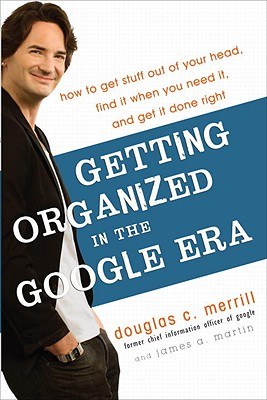
Whether it's a faulty memory, a tendency to multitask, or difficulty managing our time, every one of us has limitations conspiring to keep us from being organized. But, as organizational guru and former Google CIO Douglas C. Merrill points out, it isn't our fault. Our brains simply aren't designed to deal with the pressures and competing demands on our attention in today's fast-paced, information-saturated, digital world. What's more, he says, many of the ways in which our society is structured are outdated, imposing additional chaos that makes us feel stressed, scattered, and disorganized.
But it doesn't have to be this way. Luckily, we have a myriad of amazing new digital tools and technologies at our fingertips to help us manage the strains on our brains and on our lives; the trick is knowing when and how to use them. This is why Merrill, who helped spearhead Google's effort to "organize the world's information," offers a wealth of tips and strategies for how to use these new tools to become more organized, efficient, and successful than ever.
But if you're looking for traditional, rigid, one-size-fits-all strategies for organization, this isn't the book for you. Instead, Merrill draws on his intimate knowledge of how the brain works to help us develop fresh, innovative, and flexible systems of organization tailored to our individual goals, constraints, and lifestyles.
From how to harness the amazing power of search, to how to get the most out of cloud computing, to techniques for filtering through the enormous avalanche of information that assaults us at every turn, to tips for minimizing distractions and better integrating work and life, Getting Organized in the Google Era is chock-full of practical, invaluable, and often counterintuitive advice for anyone who wants to be more organized and productive–and less stressed--in our 21st-century world.
作者简介
作者简介
道格拉斯·梅里尔,百代唱片公司数字音乐部门总裁兼新音乐部门首席运营官,2008年4月之前担任谷歌公司首席信息官。此前是美国金融服务提供商嘉信理财高级副总裁及兰德公司信息科学家。拥有普林斯顿大学认知科学博士学位。他还是一位科技作家,文章经常发表在《计算机世界》、Washingtonpost.com、《纽约时报》、《旅游和休闲》及《娱乐周刊》等媒体上。
目录信息
读后感
1、因为观点可以,推荐速读。 关于绕开制约,牛! 关于纸质文档和电子文档,我早就用了,不错! 3、但在中国,g工具不是很实用。 gmail很慢的 g-doc不能用 g中国在hk 所以、、、 不知谁能填补空白?
当我第一眼看到这本书的时候,果然发生了书中第一句话所预测的场景——我发牢骚道:“什么?市面上这类书籍难道还不够多?凑什么热闹?”。市面上谈系统化管理的书的确多的令人发指,你去google上搜“系统化管理”,可以在0.13秒里得到1600万条搜索结果。而从这1600万之...
正如这本书的副标题一样,信息太多,时间太少,就不要浪费在这本书上了,里面的内容你已经在各种公众号或者知乎上看了无数遍。 但还是挑挑拣拣找出了能收获或者说再一次提醒自己的三点。 一、养成信息过滤的好习惯 鉴于每天都有大量信息汹涌而来,只把真正需要记忆的内容记住,...
这本书有的地方虽然写得很罗嗦,整本书的结构也很零散,但是不失为一本值得一读的好书。 Mark 几点我觉得值得思考和应用的观点。 1. 利用故事来制造记忆点,这个观点虽然老套,但作者不厌其烦地讲述如何应用这个原理,倒是很可取。 2. 关于论述制约的长篇篇章,非常发人深省...