
具体描述
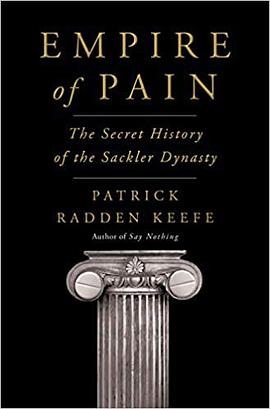
A grand, devastating portrait of three generations of the Sackler family, famed for their philanthropy, whose fortune was built by Valium and whose reputation was destroyed by OxyContin, by the prize-winning, bestselling author of Say Nothing
The Sackler name adorns the walls of many storied institutions—Harvard, the Metropolitan Museum of Art, Oxford, the Louvre. They are one of the richest families in the world, known for their lavish donations to the arts and the sciences. The source of the family fortune was vague, however, until it emerged that the Sacklers were responsible for making and marketing a blockbuster painkiller that was the catalyst for the opioid crisis.
Empire of Pain begins with the story of three doctor brothers, Raymond, Mortimer and the incalculably energetic Arthur, who weathered the poverty of the Great Depression and appalling anti-Semitism. Working at a barbaric mental institution, Arthur saw a better way and conducted groundbreaking research into drug treatments. He also had a genius for marketing, especially for pharmaceuticals, and bought a small ad firm.
Arthur devised the marketing for Valium, and built the first great Sackler fortune. He purchased a drug manufacturer, Purdue Frederick, which would be run by Raymond and Mortimer. The brothers began collecting art, and wives, and grand residences in exotic locales. Their children and grandchildren grew up in luxury.
Forty years later, Raymond’s son Richard ran the family-owned Purdue. The template Arthur Sackler created to sell Valium—co-opting doctors, influencing the FDA, downplaying the drug’s addictiveness—was employed to launch a far more potent product: OxyContin. The drug went on to generate some thirty-five billion dollars in revenue, and to launch a public health crisis in which hundreds of thousands would die.
This is the saga of three generations of a single family and the mark they would leave on the world, a tale that moves from the bustling streets of early twentieth-century Brooklyn to the seaside palaces of Greenwich, Connecticut, and Cap d’Antibes to the corridors of power in Washington, D.C. Empire of Pain chronicles the multiple investigations of the Sacklers and their company, and the scorched-earth legal tactics that the family has used to evade accountability. The history of the Sackler dynasty is rife with drama—baroque personal lives; bitter disputes over estates; fistfights in boardrooms; glittering art collections; Machiavellian courtroom maneuvers; and the calculated use of money to burnish reputations and crush the less powerful.
Empire of Pain is a masterpiece of narrative reporting and writing, exhaustively documented and ferociously compelling. It is a portrait of the excesses of America’s second Gilded Age, a study of impunity among the super elite and a relentless investigation of the naked greed and indifference to human suffering that built one of the world’s great fortunes.
作者简介
Patrick Radden Keefe is a staff writer at The New Yorker and the author, most recently, of the New York Times bestseller Say Nothing: A True Story of Murder and Memory in Northern Ireland, which received the National Book Critics Circle Award for Nonfiction, was selected as one of the ten best books of 2019 by The New York Times Book Review, The Washington Post, the Chicago Tribune and The Wall Street Journal, and was named one of the “10 Best Nonfiction Books of the Decade” by Entertainment Weekly. His previous books are The Snakehead and Chatter. His work has been recognized with a Guggenheim Fellowship, the National Magazine Award for Feature Writing and the Orwell Prize for Political Writing. He is also the creator and host of the eight-part podcast Wind of Change.
目录信息
读后感
Very impressive book, you will have all kinds of human feelings in this book, awe, happy, sad, angry, despair, the description is good, almost like watching a tv series. As the author stated in the end of the book, “my intention was to tell a different kin...
本书主要阐述了opioid crisis和sackler家族的关系,可谓是张小夏小姐去年新书的反转系列(作者让大家know their name)。本书可以帮助理解当今美国社会不信任FDA和big pharma的原因在哪。Sackler家族从Arthur M帮助辉瑞推销valium等镇静剂开始致富 直到90年代中期richard为代表...
用户评价
这本书的结构设计之精巧,令人叹服。它没有采用传统的线性叙事,而是运用了多重视角和时间跳跃的手法,将不同时空片段穿插呈现。起初可能会让人感到一丝迷惘,但随着阅读的深入,你会惊奇地发现,那些看似错位的碎片是如何被巧妙地整合到一起,最终拼凑出一个宏大而完整的图景。这种非线性的叙事不仅增加了阅读的挑战性,更重要的是,它极大地丰富了故事的层次感和信息密度。每一次视角的切换,都揭示了之前被隐藏的部分真相,让读者有种“原来如此”的顿悟感,极大地提升了阅读的智力满足度。这种需要读者主动参与建构故事的文学形式,是其高明之处。
我必须承认,这本书的深度远超我的预期。它不仅仅满足于表层的冲突和戏剧性,更深入地挖掘了人性深处的幽暗与光辉。作者对权力、欲望以及背叛的刻画入木三分,那些复杂的人物形象绝非简单的善恶标签可以概括,他们都在各自的立场上挣扎、选择,最终被时代的洪流裹挟前行。阅读过程中,我经常需要停下来,反复咀嚼那些充满哲学意味的对白和内心独白,思考其背后蕴含的深刻意涵。这种需要读者投入心力去解读和体会的阅读体验,对我来说是极具吸引力的。它迫使我跳出舒适区,去审视那些关于道德边界和社会结构的沉重议题。总而言之,这是一部需要细细品味,才能体会其磅礴气象的史诗级作品。
这本书的叙事手法简直让人拍案叫绝,作者仿佛是一位技艺高超的魔术师,将看似散乱的线索巧妙地编织成一张无懈可击的巨网。从一开始,我就被那种浓厚的历史氛围和复杂的人物关系所吸引,仿佛自己真的穿越回了那个风云变幻的时代。书中的每一个转折点都出乎意料,但回过头再看,又觉得一切都水到渠成,不得不佩服作者高超的布局能力。语言的运用更是精妙绝伦,既有古典文学的韵味,又不失现代叙事的节奏感,读起来酣畅淋漓。尤其是一些关键场景的描写,细腻入微,画面感极强,仿佛能闻到那个时代特有的尘土和硝烟味。这本书不仅仅是讲述一个故事,更像是在带领读者进行一场深刻的智力探险,每一次阅读都能带来新的感悟和发现。
从纯粹的阅读快感上来说,这本书的节奏控制简直是教科书级别的典范。它知道何时该放慢脚步,沉淀情绪,渲染气氛;也知道何时该猛然提速,用一连串的事件将读者推向高潮。这种张弛有度的叙事节奏,使得阅读过程充满了持续的兴奋感,让人欲罢不能。我发现自己常常在深夜被某个悬念钩住,不得不熬夜也要知道接下来会发生什么。作者对环境和氛围的渲染能力也值得称赞,那些地理环境的描写不仅是背景板,更像是参与到故事进程中的隐形角色,极大地增强了代入感和沉浸感。每一次翻页,都像是在推开一扇通往未知世界的大门,充满了探索的乐趣和惊喜。
我尤其欣赏作者笔下那种不动声色的批判力量。这本书看似在描绘过去或某个特定情境,但其对权力运作机制、信息控制以及群体心理的剖析,却具有惊人的现实穿透力。它没有直接喊出道德口号,而是通过人物的命运和事件的演变,不动声色地向我们展示了系统如何腐蚀人心,以及个体在巨大结构面前的无力和反抗。这种“以小见大”的叙事策略,使得批评显得尤为有力且不易被察觉。它像一把锋利的手术刀,精准地切开了某些社会现象的伪装,留给读者的是深刻的反思和久久不散的震撼。读完合上书本时,那种意犹未尽的感觉,更多的是源于对书中探讨的议题的持续思考,而非仅仅是故事结局的好坏。
即便跻身欧美上流社会,坐拥数百亿美元的财富,身负世界慈善名流家族的名衔,魔鬼就是魔鬼。他们疯狂地攫取暴利、追逐名誉,无情地侵害上百万人的健康,胶割已遭渗漏的社会财富。罔顾社会责任的资本运力,勾连成网,侵蚀美国政府、司法、商业、监管、咨询、科研、学术、社群、公共言论,酿成一场全美范围的毒祸:在过去的20多年里,致使美国50万余人死亡;整整一代人在药物成瘾和继发毒品依赖的深渊挣扎求生;损失2万亿美元,仍无法扑灭鸦片滥用似瘟疫般蔓延。始作俑者正是显赫的Sackler家族。盛名耀目的光环,隐匿、区隔的存在状态,延续三代的行为事实,Keefe紧扣以冲突构成的主线,凭借掘坟一般的调研功力,将分裂的真相曝光于公众视野。也许Sackler家的人以为,并期待,他们的罪行会像因风而起的柳絮如烟。那只是一种断见。
bad blood之后,又一本让人倒抽一口凉气的非虚构作品。从Arthur开创了医药营销,到Richard将其发扬光大,再到David宣布破产搞了一出金蝉脱壳,Sackler家族可谓完成一出前无古人后无来者的美国梦。不论是FDA,CDC,还是各州ag到DOJ,全都拿sackler没办法,资本对政治的侵袭能到何种程度,可见一斑。
"A story about ambition, philanthropy, crime and impunity, the corruption of institutions, power and greed", well written! Philanthropy is different from charity. It is a business. 当Arthur Sackler第一次向大都会博物馆"捐赠"的时候支付了馆内已有"藏品"多年前的收购价,用它们的市价进行了报税抵扣,不仅没花钱,反倒挣了一笔,并冠名成功。 Sackler三兄弟年轻的时候是共产主义者,他们期望"help alleviate man‘s suffering." 他们家族没有人为广告误导造成的止痛药滥用愧疚。
最精彩是book 1关于Arthur如何白手起家的故事。Book 2和3就是same old story, "A parable about the awesome capability of private industry to subvert public institutions." 有钱真的可以为所欲为。感觉在阅读enjoyment上还是同一作者的前作say nothing更胜一筹。
看到book 2,看不下去了