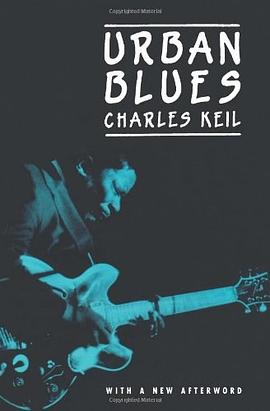
具体描述
To come to Burma, one of the few places where despotism still dominates, is to take both a physical and an emotional journey and, like most Burmese, to become caught up in the daily management of fear. Based on Monique Skidmore's experiences living in the capital city of Rangoon, Karaoke Fascism is the first ethnography of fear in Burma and provides a sobering look at the psychological strategies employed by the Burmese people in order to survive under a military dictatorship that seeks to invade and dominate every aspect of life. Skidmore looks at the psychology and politics of fear under the SLORC and SPDC regimes. Encompassing the period of antijunta student street protests, her work describes a project of authoritarian modernity, where Burmese people are conscripted as army porters and must attend mass rallies, chant slogans, construct roads, and engage in other forms of forced labor. In a harrowing portrayal of life deep within an authoritarian state, recovering heroin addicts, psychiatric patients, girl prostitutes, and poor and vulnerable women in forcibly relocated townships speak about fear, hope, and their ongoing resistance to four decades of oppression. "Karaoke fascism" is a term the author uses to describe the layers of conformity that Burmese people present to each other and, more important, to the military regime. This complex veneer rests on resistance, collaboration, and complicity, and describes not only the Burmese form of oppression but also the Burmese response to a life of domination. Providing an inside look at the madness and the militarization of the city, Skidmore argues that the weight of fear, the anxiety of constant vulnerability, and the numbing demands of the State upon individuals force Burmese people to cast themselves as automata; they deliberately present lifeless hollow bodies for the State's use, while their minds reach out into the cosmos for an array of alternate realities. Skidmore raises ethical and methodological questions about conducting research on fear when doing so evokes the very emotion in question, in both researcher and informant.
作者简介
目录信息
读后感
用户评价
这本书的封面设计简直是一场视觉的盛宴,那种粗粝的质感和大胆的色彩搭配,让人一眼就觉得这不是一本普通的读物。我是在一家独立书店里偶然翻到的,立刻就被它那种带着某种不羁和反叛的气息所吸引。内页的排版也相当讲究,字体的选择透露出一种精心打磨过的匠心,阅读起来非常舒适,仿佛作者在用一种非常私密的方式和你对话。尽管我还没有完全沉浸在文字的世界里,但光是拿在手里的那种分量感和翻阅时的触感,就足以让人对接下来的阅读充满期待。它散发出的那种独特的“气场”,让我在众多书籍中一眼就锁定了它,相信它会是一次不同寻常的精神旅程。我尤其欣赏作者在细节上的考究,比如扉页上那段不起眼的引文,似乎就暗示了全书复杂而深刻的主题。
这本书的语言风格真是妙不可言,它时而如同古典诗歌般凝练优美,用词考究到每一个音节都似乎经过了反复的锤炼;而转瞬之间,又会切换到一种极其口语化、近乎粗粝的街头俚语,这种强烈的反差感,极大地增强了文本的张力和层次感。我经常被那些精妙的比喻和意象所震撼,它们不是那种陈词滥调的堆砌,而是充满了独创性和画面感,让人仿佛能“看”到作者脑海中的场景。更让我惊叹的是,作者在处理宏大叙事时所展现出的冷静和克制,他从不急于下判断,而是将碎片化的信息巧妙地编织在一起,留给读者巨大的解读空间。读完一个段落,我常常会忍不住在脑海中重构一遍,试图捕捉那些稍纵即逝的暗示。
这本书带给我的情感冲击是持久而深刻的,它在我心中留下了一道难以磨灭的印记。它没有给出任何简单的答案或安慰,反而将生活中的荒谬、人性的脆弱与坚韧,以一种近乎残酷的真实展现出来。我发现自己在阅读过程中,时而会感到一种强烈的共鸣,仿佛作者偷窥到了我最隐秘的思绪;时而又会感到一种疏离,被带入到一个完全陌生的、光怪陆离的境地。这种情绪的过山车体验,恰恰证明了这本书强大的艺术感染力。它成功地在“局内人”的视角和“旁观者”的审视之间找到了一个完美的平衡点,让人在阅读结束后依然久久不能平息,思考着故事的余波及其对现实世界的折射。
我必须承认,这本书的阅读门槛相当高,它要求读者投入极大的注意力和背景知识储备。它不是那种可以轻松消遣的“快消品”,更像是一块需要耐心打磨的璞玉。书中引用了大量的哲学思辨和社会学理论,这些内容的穿插处理得天衣无缝,没有丝毫的生硬感,反而为故事增添了厚重的历史感和思辨色彩。我感觉自己像是在进行一场知识的马拉松,需要不断地查阅、回溯,才能真正领悟到作者构建的那个复杂世界观的完整面貌。对于那些追求智力挑战和思想深度的读者来说,这无疑是一份丰盛的盛宴,它强迫你跳出舒适区,去直面那些复杂、甚至令人不安的议题。
我是在一个连续的雨天,窝在沙发里,泡着热茶,才真正开始投入到这本书的阅读体验中。这本书的叙事节奏把握得极其精准,它不是那种让你喘不过气来的快节奏,而是像一条深沉的河流,缓缓地流动,但在水面之下,却暗流涌动着巨大的力量。我发现自己常常会读完一小节,然后合上书本,盯着窗外发呆好几分钟,消化那些潜藏在字里行间的微妙情绪。作者对人物心理的刻画简直达到了令人发指的细致程度,每一个角色的动机、挣扎和矛盾,都被剥开来,赤裸裸地呈现在读者面前,让人无法逃避地去审视自己内心深处的幽暗角落。这种深度的自我反思,让阅读过程变得既痛苦又过瘾,仿佛进行了一场深入灵魂的探险。