
具体描述
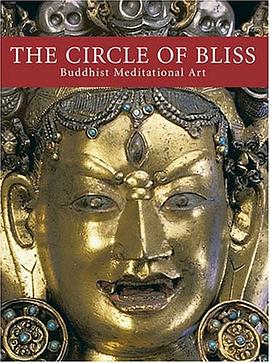
Attention to Himalayan Buddhist art has come to the forefront of art historical scholarship in recent years, especially in the areas of connoisseurship and attribution. Several major exhibitions have highlighted the artistic achievements of the Himalayan cultures, yet very few have focused primarily on the reasons for the creation of the art and its original intent. The Circle of Bliss: Buddhist Meditational Art attempts to fill this lacuna in the scholarship by showing that the function of Himalayan Buddhist art is to interpret and give physical form to specific Buddhist practices.
The exhibition catalogue for The Circle of Bliss points the way to an entirely new direction for the study of the visual representations of the Chakrasamvara Tantra and other key Buddhist Tantras. The texts of the Chakrasamvara Tantra offer profound meditational techniques to practitioners to enable them to experience the increased awareness necessary for reaching the ultimate state of human perfection, or Enlightenment. Here, for the first time in Himalayan art historical scholarship, the works of art are presented in their socio-religious context, with details about how their symbolic visual language expresses the attainment of that path. The study focuses on the esoteric meditations related to Chakrasamvara and Vajravarahi, which are regarded as among the principal meditational practices throughout the Himalayan Buddhist world. Long believed to be taught only to initiated disciples, the details of these meditations have gradually come into the light of modern scholarship over the last sixty years. With this increased public awareness, the authors have been allowed a unique opportunity to explain these esoteric processes without breaking any of the still-secret traditions. The book’s thematic emphasis provides a clear, well-articulated overview of the Himalayan Buddhist meditational process from its inception through its completion stages.
The study delineates the geo-cultural development across Asia of the diverse esoteric religious practices of Himalayan Buddhism, especially the seminal contribution of the Newar Buddhist community of Nepal in the transmission and reinterpretation of the esoteric Tantric Buddhist teachings. The practices of the Newar community, in particular the Chakrasamvara teachings, are revealed as a major force in the development of Buddhism.
Featuring approximately 160 of the aesthetically finest and most powerful masterpieces of Indian, Nepalese, Tibetan, Chinese, and Mongolian art produced over the past thirteen centuries, the catalogue includes many works published for the first time. It highlights the extraordinary artistic accomplishments of esoteric Buddhism and at the same time leads the reader to understand the intrinsic function of these exquisite works. In this in-depth contextualization of the art works, the complex world of Himalayan Buddhist art has been explicated beyond aesthetic appreciation to a germane understanding of its innermost meaning and its service in the pursuit of Enlightenment.
The catalogue is co-authored by Professor John C. Huntington and Visiting Assistant Professor Dina Bangdel, with contributions by graduate students, of the Department of the History of Art at The Ohio State University. Professor Huntington is an internationally known authority on Himalayan art and co-organizer of the 1990 exhibition, Leaves from the Bodhi Tree. Dr. Bangdel, currently assistant professor at California State Polytechnic University/ Pomona, is a specialist in Himalayan art and a leading expert on Nepalese art and culture.
作者简介
目录信息
读后感
用户评价
坦白说,初读此书时,我差点因为其晦涩的开头而放弃。叙事者似乎刻意回避了直接的情节引导,转而采用了一种近乎意识流的碎片化处理手法,将过去与现在、梦境与现实交织在一起,形成了一个令人迷失的文本迷宫。然而,一旦你适应了这种非线性的阅读节奏,一种独特的沉浸感便会油然而生。你会开始期待下一个闪回片段会揭示多少关于角色深层动机的线索。书中对“记忆的不可靠性”这一主题进行了深刻的探讨,每一次看似稳定的回忆,都在下一页被另一种主观视角所颠覆。这种结构上的大胆尝试,无疑会劝退一部分追求线性故事的读者,但对于热衷于解构叙事和心理探险的人来说,这无疑是一场智力上的盛宴。它迫使读者不再是被动的接受者,而必须成为主动的意义建构者,去拼凑出那些散落在字里行间的真相碎片。这本书的阅读体验,更像是在进行一场考古发掘,你必须小心翼翼地清理掉表层的叙事灰尘,才能见到其下埋藏的复杂骨架。
从文学技法的角度来看,作者对语言的掌控力达到了令人叹为观止的境界。全书的语言风格变化多端,时而是精准、克制的散文体,专注于描绘具体可感的物理世界;时而又切换到充满隐喻和哲思的诗化表达,探讨那些无法言喻的形而上学议题。这种风格上的剧烈跳跃,非但没有造成阅读的断裂感,反而像是在同一块画布上,同时使用了油画的厚重与水墨的写意。特别是一些段落,其句式结构之复杂,用词之考究,需要反复阅读才能完全领会其韵味。这绝对不是一本用来消磨时间的消遣读物,它更像是一部文学辞典的实践案例。我必须承认,某些章节的密度过大,迫使我不得不放慢速度,甚至查阅一些生僻的词汇,但这正是它作为一部严肃文学的魅力所在——它尊重读者的智力,并回报以深邃的语言艺术享受。
这部小说的情感内核,是一种近乎于纯粹的“失落感”的集合体。它并非讲述某件具体的大灾难,而是描绘了一种缓慢而持续的、关于“错失可能性的痛苦”。书中的人物似乎都活在一种永恒的“也许”之中——如果当初做了另一个选择,生活会变成什么样?这种对平行人生的集体缅怀,被作者处理得极其细腻,既不煽情滥俗,又充满了让人感同身受的哀伤。角色之间的联系脆弱而复杂,他们的友谊、爱情乃至敌意,都建立在共享的创伤或对未来的共同迷茫之上。当故事接近尾声时,你得到的不是一个明确的结局或圆满的安慰,而是一种接受了缺憾本身的释然。它提醒我们,生命本身就是一场不断与不完美和解的过程。这种沉静的悲剧美学,让整部作品在读完后,留下的不是眼泪,而是一种带着敬意的、对生命复杂性的深刻理解。
这部作品的叙事节奏犹如一场精心编排的慢板圆舞曲,它没有试图用喧嚣的事件去抓住读者的注意力,反而选择了在细微之处反复打磨人物的内心风景。作者对于环境的描摹达到了近乎于“在场”的程度,无论是雨后泥土的湿润气息,还是老旧木地板在特定时间发出的吱呀声,都通过精炼的文字被准确捕捉。我尤其欣赏主人公在面对抉择时的那种内在的撕扯感——那种并非黑白分明的灰色地带,而是介于责任与渴望之间的游移不定。阅读过程中,我常常会停下来,不是因为情节的转折,而是因为某一句台词的精准度,它像一把手术刀,轻轻切开了日常生活中我们习以为常却从未深思的那些情感结构。这种对细节的执着,使得整本书的基调沉静而富有张力,仿佛透过一层薄雾,看到的不是远方的景象,而是近在咫尺的真实人性。它不提供快速的满足感,而是要求读者投入时间去感受那份缓慢沉淀下来的重量,就像陈年的老酒,初尝可能平淡,后劲却悠长而复杂。
这部作品在社会批判层面上展现了令人不安的犀利。它没有采用传统的说教式批判,而是通过构建一个看似平静无波的微观社会模型,不动声色地揭示了权力结构是如何潜移默化地渗透并重塑个体价值的。角色的互动充满了微妙的张力,每一个看似礼貌的寒暄背后,都可能隐藏着阶层固化或信息不对称的暗流。我尤其留意到作者对“沉默的语言”的捕捉——那些没有说出口的话、那些通过眼神交流传递的恐惧与顺从,比任何激烈的对话都更具穿透力。读完之后,我发现自己开始审视自己周围的人际网络,思考那些我们习以为常的规则,究竟是自然法则,还是被精心设计出来的牢笼。这是一种读完后难以摆脱的后遗症,它让你对日常的表象产生一种健康的怀疑,并促使你探究隐藏在光鲜外衣之下的体制逻辑。它不是一本读完就束之高阁的书,而是那种会在你脑海中持续发酵、并改变你看待世界的滤镜。