
具体描述
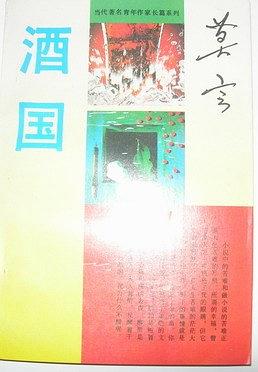
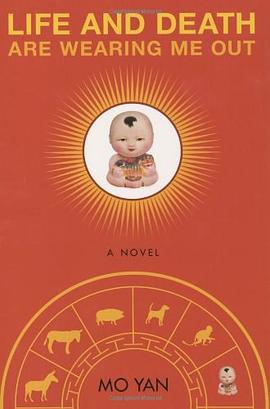
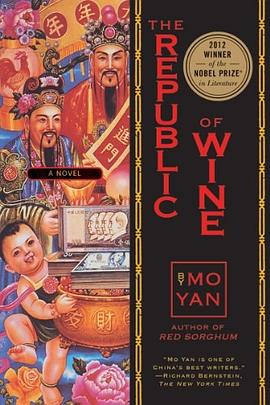
In this hypnotic epic novel, Mo Yan, the most critically acclaimed Chinese writer of this generation, takes us on a journey to a conjured province of contemporary China known as the Republic of Wine a corrupt and hallucinatory world filled with superstitions, gargantuan appetites, and surrealistic events. When rumors reach the authorities that strange and excessive gourmandise is being practiced in the city of Liquorland (so named for the staggering amount of alcohol produced and consumed there), veteran special investigator Ding Gou'er is dispatched from the capital to discover the truth. His mission begins at the Mount Lou Coal Mine, where he encounters the prime suspect Deputy Head Diamond Jin, legendary for his capacity to hold his liquor. During the ensuing drinking duel at a banquet served in Ding's honor, the investigator loses all sense of reality, and can no longer tell whether the roast suckling served is of the animal or human variety. When he finally wakes up from his stupor, he has still found no answers to his rapidly mounting questions. Worse yet, he soon finds that his trusty gun is missing. Interspersed throughout the narrative and Ding's faltering investigation are letters sent to Mo Yan by one Li Yidou, a doctoral candidate in Liquor Studies and an aspiring writer. Each letter contains a story that Li would like the renowned author's help in getting published. However, Li's tales, each more fantastic and malevolent than the last, soon begin alarmingly to resemble the story of Ding's continuing travails in Liquorland. Peopled by extraordinary characters a dwarf, a scaly demon, a troupe of plump, delectable boys raised in captivity, a cookery teacher who primes her students with monstrous recipes Mo Yan's revolutionary tour de force reaffirms his reputation as a writer of world standing. Wild, bawdy, politically explosive, and subversive, The Republic of Wine is both mesmerizing and exhilarating, proving that no repressive regime can stifle true creative imagination.
作者简介
莫言,山东高密人。出身于农民家庭,小学未毕业即辍学,在农村劳动多年,期间曾经到棉花加工厂做过临时工。一九七六年二月应征入伍,在部队历任战土、班长、教员、干事、创作员等职。一九九七年十月转业到报社工作。先后毕业于解放军艺术学院文学系和北京师范大学研究生班,获文艺学硕士学位。一九八○年开始创作。著有长篇小说《红高粱家族》《天堂蒜薹之歌》《十三步》《酒国》《丰孔肥臀》《檀香刑》等八部,还有中篇小说《透明的红萝卜》《爆炸》《野骡子》《欢乐》等二十四部,短篇小说《枯河》《白狗秋千架》《拇指铐》等六十余篇,另有剧本、散文等多部。
目录信息
读后感
《当代作家评论》1999年第5期刊登了文学批评家在《莫言小说的基本主题与文体特征》中认为莫言重要的一个文体特征为戏谑: 莫言小说狂欢化风格的另一个主要特征是“戏谑”。戏谑的言辞、动作和仪式,是狂欢场面中重要的节目。戏谑,是狂欢的基本逻辑,它构成了制度化生活的权威...
家里没看的书太多。随手翻了一本不过脑子的书,为什么选《酒国》?没看过莫言的书,也是一个原因吧。 看完书,就像看了一部《西红柿首富》之类的纯粹娱乐片,一番声色犬马之后,脑海中留下的只有渣,还有就是,着实被莫先生的重口味给恶心着了,还好不在饭点,要不然小说结尾丁...
之前读过莫言的《透明的红萝卜》和半本《檀香刑》,这本是今年专外课的指定读本,所以又找来读。 说实话,书的背面那一派称赞之词我觉得颇恶心。据说莫言现在成天到晚地想着搞诺贝尔文学奖,经常找大江健三郎那票人给他说好话写推荐信,结果两年过去了依然没有他。 我看他希望...
之前读过莫言的《透明的红萝卜》和半本《檀香刑》,这本是今年专外课的指定读本,所以又找来读。 说实话,书的背面那一派称赞之词我觉得颇恶心。据说莫言现在成天到晚地想着搞诺贝尔文学奖,经常找大江健三郎那票人给他说好话写推荐信,结果两年过去了依然没有他。 我看他希望...
《当代作家评论》1999年第5期刊登了文学批评家在《莫言小说的基本主题与文体特征》中认为莫言重要的一个文体特征为戏谑: 莫言小说狂欢化风格的另一个主要特征是“戏谑”。戏谑的言辞、动作和仪式,是狂欢场面中重要的节目。戏谑,是狂欢的基本逻辑,它构成了制度化生活的权威...
用户评价
我一直认为,要真正理解一种事物,就必须深入了解它的历史和文化背景。《酒国》这本书正是满足了我这种渴望。它并非一本枯燥的教科书,而是以一种极其引人入胜的方式,将葡萄酒与人类文明的发展紧密地联系在一起。作者在书中描绘了葡萄酒如何在宗教仪式中扮演重要角色,如何在政治谈判中充当媒介,如何在艺术创作中激发灵感。我被书中那些关于葡萄酒的古老传说和神话故事所吸引,它们为葡萄酒增添了神秘的色彩。同时,我也惊叹于作者对不同时代葡萄酒贸易和消费习惯的细致描绘,从古罗马的奢华宴饮,到中世纪的僧侣酿酒,再到现代的全球化葡萄酒市场,每一个时期都有其独特的魅力。这本书让我看到了葡萄酒的生命力,它不仅仅是一种饮品,更是人类智慧、情感和创造力的结晶。我常常在品尝一杯葡萄酒时,会想起书中描绘的场景,仿佛能够感受到几个世纪前的人们,也曾以同样的方式享受着这份甘醇。
《酒国》这本书带给我的震撼,远远超出了我对一本“葡萄酒指南”的预期。它更像是一次穿越时空的旅程,从古老的罗马帝国,到中世纪的修道院,再到现代的葡萄酒庄园,作者以其渊博的学识和生动的笔触,为我们展现了葡萄酒如何在人类历史的长河中扮演着举足轻重的角色。我被书中对不同产区葡萄酒独特风味的描述所吸引,那些关于风土、气候、酿造工艺的细节,都如同精美的诗句,在我脑海中勾勒出一幅幅生动的画面。但是,这本书的魅力远不止于此。作者深入挖掘了葡萄酒背后的故事,包括那些伟大的酿酒师的传奇经历,那些因葡萄酒而生的商业帝国,以及那些与葡萄酒相关的艺术创作和哲学思考。我尤其对书中关于葡萄酒与社会阶层、身份认同之间关系的探讨印象深刻,它揭示了葡萄酒不仅仅是味蕾的享受,更是权力和地位的象征。每一次阅读,都让我对葡萄酒有了更深层次的理解,也对人类文化的多样性有了更深刻的认识。
《酒国》这本书,让我对“传承”这个词有了更深刻的理解。它不仅仅是关于技艺的传承,更是关于精神、情感和文化的传承。作者以一种极具感染力的文字,描绘了葡萄酒从土地到杯中的整个过程,每一个环节都充满了匠心和热爱,也充满了代代相传的智慧和经验。我被书中对葡萄园的描绘所打动,那些阳光、土壤、雨露,以及辛勤劳作的葡萄农,他们将自己的生命和情感倾注于这片土地,将酿造葡萄酒的技艺一代代传承下去。我也对书中对葡萄酒品鉴的详细阐述感到惊叹,那些关于颜色、香气、口感的描述,都包含了前人积累的宝贵经验。这本书让我明白,每一瓶葡萄酒都蕴含着一个家族的故事,一个世代的坚持。它教会我如何去尊重,如何去感恩,如何在品味一杯酒时,感受到那份沉甸甸的传承。
《酒国》这本书,让我重新认识了“品味”这个词的深层含义。它不再仅仅是舌尖上的愉悦,更是对历史、文化、情感和人生阅历的综合体验。作者以一种极具洞察力的视角,将葡萄酒与人类社会的发展紧密地联系在一起,揭示了葡萄酒在政治、经济、艺术、宗教等领域扮演的独特角色。我被书中对葡萄酒与权力和财富之间关系的探讨所吸引,它揭示了葡萄酒是如何成为身份和地位的象征,又是如何影响历史的进程。同时,我也对书中对葡萄酒与情感的联系的描绘感到着迷,那些关于爱情、友情、亲情的葡萄酒故事,都充满了温暖和感动。这本书让我明白,每一瓶葡萄酒都蕴含着一个故事,而品味葡萄酒,就是去聆听和理解这些故事。它教会我如何用心去感受,如何去思考,如何在一杯酒中品味人生的百味。
《酒国》这本书给我带来的,不仅仅是关于葡萄酒的知识,更是一种对生活品味的启迪。我一直对那些能够触动人心的事物充满好奇,而葡萄酒无疑是其中之一。作者用一种非常细腻和富有感染力的方式,将葡萄酒的酿造过程、品鉴技巧,以及它背后蕴含的文化意义,淋漓尽致地展现在读者面前。我尤其喜欢书中关于不同葡萄品种的介绍,那些关于黑皮诺、赤霞珠、霞多丽的描述,都充满了诗意和哲理。它让我明白,每一瓶葡萄酒都承载着风土的灵魂,都是酿酒师心血的结晶。更重要的是,这本书让我看到了葡萄酒在人类社交和情感交流中所扮演的重要角色。从浪漫的晚餐,到愉快的聚会,再到重要的商务洽谈,葡萄酒总是能够为场合增添一份优雅和情调。我感谢作者为我打开了一扇通往葡萄酒世界的大门,让我能够更深入地理解和欣赏这项古老而迷人的技艺。
我简直无法停止思考《酒国》这本书,它不仅仅是一本关于葡萄酒的书,更像是一次对人类欲望、历史和文化根源的深刻探索。作者以一种近乎史诗般的笔触,将葡萄酒的酿造、品鉴、交易,以及它们在不同文明中扮演的角色,编织成一张错综复杂却又引人入胜的画卷。我常常在阅读时,仿佛能闻到空气中弥漫的橡木桶和发酵的香气,感受到葡萄园里辛勤劳作的农民的汗水,以及品酒会上名流雅士们细致入微的品评。这本书让我对“葡萄酒”这个词有了全新的认识,它不再只是餐桌上的佐餐佳品,而是承载了无数故事、情感和信仰的媒介。我尤其对书中关于葡萄酒与宗教、政治、艺术之间千丝万缕联系的论述感到着迷,这些看似毫不相关的元素,在作者的笔下却能有机地结合在一起,揭示出葡萄酒对人类文明进程的巨大影响。每次翻开这本书,我都能从中发现新的细节和思考,它就像一个深不可测的宝藏,总有令人惊喜的发现。我强烈推荐给所有对葡萄酒有兴趣,或者对历史、文化、人性有深刻探究欲望的读者。
这本书,可以说是为我打开了一个全新的世界。我一直对那些能够触动人心的事物充满好奇,而葡萄酒无疑是其中之一。《酒国》作者以一种非常细腻和富有感染力的方式,将葡萄酒的酿造过程、品鉴技巧,以及它背后蕴含的文化意义,淋漓尽致地展现在读者面前。我尤其喜欢书中关于不同葡萄品种的介绍,那些关于黑皮诺、赤霞珠、霞多丽的描述,都充满了诗意和哲理。它让我明白,每一瓶葡萄酒都承载着风土的灵魂,都是酿酒师心血的结晶。更重要的是,这本书让我看到了葡萄酒在人类社交和情感交流中所扮演的重要角色。从浪漫的晚餐,到愉快的聚会,再到重要的商务洽谈,葡萄酒总是能够为场合增添一份优雅和情调。我感谢作者为我打开了一扇通往葡萄酒世界的大门,让我能够更深入地理解和欣赏这项古老而迷人的技艺。
我一直对那些能够跨越时空、连接不同文化的物品充满好奇,而葡萄酒无疑是其中之一。《酒国》这本书正是满足了我这种探索的欲望。作者以一种极其引人入胜的方式,将葡萄酒与人类文明的演变紧密地联系在一起,描绘了葡萄酒如何在不同的历史时期扮演着重要的角色。我被书中对葡萄酒与古代文明的联系所吸引,从古埃及的酒神崇拜,到古希腊的葡萄酒宴饮,再到古罗马的葡萄酒文化,每一个时期都充满了神秘和魅力。同时,我也对书中对葡萄酒与现代社会的关系的探讨感到着迷,它揭示了葡萄酒是如何在全球化浪潮中演变,又是如何成为一种生活方式的象征。这本书让我看到了葡萄酒的生命力,它不仅仅是一种饮品,更是人类智慧、情感和创造力的结晶。我感谢作者为我打开了一扇通往葡萄酒世界的大门,让我能够更深入地理解和欣赏这项古老而迷人的技艺。
在我看来,《酒国》这本书是一部关于“美”的史诗。它不仅仅是关于葡萄酒本身的美,更是关于酿造它的人们所追求的美,以及品尝它的人们所体验到的美。作者以一种极具感染力的文字,描绘了葡萄酒从土地到杯中的整个过程,每一个环节都充满了匠心和热爱。我被书中对葡萄园的描绘所打动,那些阳光、土壤、雨露,以及辛勤劳作的葡萄农,共同孕育了这生命的甘露。我也对书中对葡萄酒品鉴的详细阐述感到惊叹,那些关于颜色、香气、口感的描述,都如同精美的画作,在我脑海中栩栩如生。这本书让我明白,葡萄酒不仅仅是一种饮品,更是一种艺术,一种生活态度。它教会我如何去感受,如何去欣赏,如何在平凡的生活中发现那些不平凡的美。我常常在品尝一杯葡萄酒时,会想起书中那些动人的故事,那些为追求极致美感而付出的努力,让我由衷地感到敬佩。
《酒国》这本书,是一次关于“探索”的极致体验。作者以一种令人振奋的笔触,带领读者深入葡萄酒的世界,从古老的酿造技艺到现代的科技创新,从欧洲的经典产区到新世界的崛起,每一个角落都充满了值得探索的奥秘。我被书中对不同葡萄酒风格的细致描绘所吸引,那些关于勃艮第的优雅,波尔多的醇厚,新西兰的长相思的清新,都让我仿佛身临其境,品味到不同产区的独特风情。更让我着迷的是,作者并不止步于简单的介绍,而是深入挖掘了葡萄酒背后的历史、文化、经济和社会因素,揭示了葡萄酒如何影响着人类社会的发展。每一次阅读,都像是一次新的发现之旅,让我对葡萄酒的认知不断深化。这本书激励我去探索更多,去品尝更多,去理解更多。它不仅是一本书,更是一种态度,一种永不止步的探索精神。
读完英文读中文版,痛感莫言的这本大杂烩翻译艰难。
读完英文读中文版,痛感莫言的这本大杂烩翻译艰难。
读完英文读中文版,痛感莫言的这本大杂烩翻译艰难。
膜拜了神结尾,那一大段洋洋洒洒的酒话中文版里是没有的!如此精彩,只是不知是莫言手笔还是译者神来一补。话说中文版果然是阉过了吗?!
读完英文读中文版,痛感莫言的这本大杂烩翻译艰难。