
具体描述
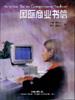
How to Improue Your Mind is one in a series of five books. There are five chapters, each dealing with a different aspect of improving your mind. There are several different sections in each chapter, and some will probably be more interesting and relevant to you than others. There is no need to read every section. I hope you will find it all interesting and entertaining, and that your reading of English will improve as well as your abilities.
★Indicates that there is a question you should think about on your own.
★★Indicates that if you are reading the book with another person you should talk about this particular question with him or her.
You may be reading the book while studying English in a class, with a teacher, or you may be reading it at home in the evenings, or on a train, or anywhere else-it doesn't matter!
What I do hope is that you enjoy reading about improving your mindin English!
作者简介
目录信息
Thanks
About this book
Some thoughts about thinking
Our wonderful brain
How to reduce stress and tension
Stress
Signs of stress
What is causing the stress?
A few tips
Old recipes for happiness
Rebotion
Mind and body
Good breathing
Sleeping better
MuscIe relaxation
Meditation
Self-hypnosis
How to think creatively
Left sbe and right side
If you have two legs why hop?
Does left mean bad?
Three 'rhinktw' languages
How to develop your visual
thinking
Seeing objects in your mind's eye
Seeing actions and movement in your mind's eye
Hearing, smelling, tasting and touching... in your mind
Creating new objects and actions
After-images
Hypnogogic images
Techniques for crearive problem solving
PIE
Define the problem
Stand back from the problem
What really is the problem?
How to get a lot of new ideas
Other people's good ideas
The familiar strange or the strange famillar?
Brainstorming
Sleep on it?
Analogies
Unexpected connections
Attributes
More techniques
Vague ideas are useful
How to evaluate and make a decision
Things to think about before you make a decision
Some ways of making decisions
A checklist for problem solving
How to use your memory
A most remarkable memory
You,too,have an amazing memory!
Do older people have good memories?
Memory and remembering
Short term and long term memory
Organising your information
Look for the important information Group your information
First letters first
The best way to learn is to teach!
Making notes
Full texts
Structured notes
Note maps
Organising yourself
Have a break!
A little and often is best
Keep going back
Learning new vocabulary
Starting point
Families of words
Memory techniques
The advice of St Thomas Aquinas
How to remember a list of objects
Technique 1: Strange connections
Technique 2: Think of a room you know well
How to remember abstract words
How to remember long numbers
How to remember people's names
Body and letter shape
Face
Voice
Character
Name
Poems
Our memories are important to the police
A picture history of memory
How to read faster... and understand more
What is the truth about faster reading?
Common faults in reading
Some techniques and exercises for increasing your reading speed
How to improve your reading efficiency
Anticipation
Surveying
Surveying the contents, etc.
Surveying the chapters
Scanning
The organisation of the text
Summary of reading techniques and skills for informational texts
Some obiections to these techniques
Last thoughts
Answers
Acknowledgements
· · · · · · (收起)
读后感
用户评价
不得不说,这本书在结构设计上达到了极高的水准。它采用了一种螺旋上升的叙事结构,每一部分看似都在重复前一部分的核心概念,但每次都会加入新的维度和更深层次的解析。让我印象深刻的是关于“同理心”的探讨,作者没有停留在情感层面,而是深入到神经科学和社会演化的角度去解释为什么共情是生存的必要条件,而不是一种软弱的表现。这种跨学科的融合能力,使得整本书的论点异常坚实有力。我特别喜欢它最后几章对“未来教育”的展望,它提出了一种培养下一代解决复杂问题的能力的全新路径,完全颠覆了我对传统教育体系的看法。这本书更像是一部关于人类潜能的严肃学术论文,但它又被包裹在极其优美和引人入胜的文笔之中,使得即便是专业人士也能从中受益匪浅。
这本书的排版和装帧都透露着一种克制而高级的美感,这与书中的内容是高度统一的。它没有使用夸张的标题或者吸睛的封面设计,而是选择了一种低调的、让人愿意反复翻阅的质感。内容上,作者对“意义”这个宏大命题的处理方式极其细腻。他没有试图去定义“生命意义是什么”,而是通过对不同文化中“仪式感”和“传承”的研究,展示了人类是如何在行动中创造意义的。我从中学习到最重要的一点是,智慧的开启往往不是一个顿悟的瞬间,而是一系列微小、持续的、有意识的选择积累的结果。书中的每一个章节都像是一个精致的微观世界,值得我们驻足欣赏和细细品味,读完后,我感到自己内心深处的那种浮躁感被极大地平复了,取而代之的是一种沉静而坚定的力量。
这算是我近年来读过最具挑战性的非虚构作品之一,主要是因为它对读者的主动思考能力要求极高。与其说它是一本“指南”,不如说它更像是一份精心设计的“思维迷宫”。书中的论证逻辑非常跳跃,常常需要读者自己去连接那些看似断裂的知识点。我尤其欣赏作者对于“认知偏差”那部分的论述,他没有采用学术界常用的晦涩术语,而是用一系列生动的生活案例来剖析我们大脑是如何欺骗自己的。例如,关于“确认偏误”的那个关于报纸头条选择的例子,让我立刻回想起自己过去几次争论中是如何只关注支持自己观点的证据的。这本书的阅读体验更像是与一位博学多识但又略带神秘感的朋友进行深度对话,他抛出观点,然后安静地等待你消化和反驳。虽然过程中时常需要停下来做大量的笔记和查阅背景资料,但这种深度的参与感,远非那种一目了然的畅销书所能比拟的。
读完这册书,我最大的感受是它彻底颠覆了我对“效率”的理解。我们这个时代太推崇快节奏和即时满足,这本书却花了大量的篇幅去探讨“慢下来”的价值,但这种慢并非是懒惰或拖延,而是一种更高维度的、更具建设性的停顿。作者巧妙地引用了大量东方哲学中的“虚静”概念,并将其与现代心理学中的“心流”状态结合起来分析。我尝试着在工作中最紧张的时刻,刻意地给自己留出十分钟的“无目的”时间,仅仅是观察周围的环境,奇迹般地发现,回归工作后,原本卡住的难题反而迎刃而解。这本书的语言风格偏向于散文诗,句式很长,充满了对自然和人性的敬畏,读起来需要极大的耐心和共鸣,但一旦你进入那个节奏,它会像一股清泉一样洗涤你被外界噪音污染的心灵。
这本书简直是打开了新世界的大门,我原本以为它会是那种老生常谈的成功学说教,结果完全出乎意料。作者的叙事方式非常独特,他没有直接告诉你“应该怎么做”,而是通过一系列看似不相关的个人经历和历史故事,层层递进地引导你去思考“为什么会这样”。我记得其中有一章讲到古罗马的灌溉系统,起初我还觉得和“智慧”这个主题扯不上关系,但读到最后才恍然大悟,那种对细节的极致关注和对系统性思维的强调,正是开启我们自身“智慧”的钥匙。这本书的厉害之处在于,它不提供标准答案,而是提供了一套让你自己去构建答案的工具箱。读完之后,我发现自己看问题的角度变了,不再是急于下结论,而是更愿意去探究事物的底层逻辑和复杂性。这种潜移默化的影响,比任何口号式的激励都来得更加深刻和持久,让我对日常生活的观察都变得充满了乐趣和新的发现。