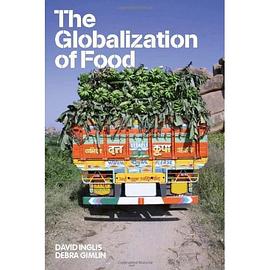
Globalization has become perhaps the most central--and one of the most contested--terms in the social sciences in the present day. If one wishes to understand the conditions in which different groups of people live today, it seems increasingly impossible to ignore the aspects of those conditions that are seen to be characterized, or influenced, by “global” forces, movements and phenomena. Regarding particular phenomena, no matter how apparently “local” or parochial in nature, as being located within “global” flows or systems or structures, seems today to be a very necessary component of any effective sort of social investigation. Many social scientific scholars in the last decade or so have engaged in a “global turn” in their thinking, investigating key areas and facets of human life--such as work, economy, cities, politics, and media--in terms of how these are being affected, influenced and changed by (what can be taken to be) “globalizing forces.” Themes of inter-societal, trans-societal and cross-planetary connections, structures, processes and movements are increasingly central across the social sciences, including sociology, anthropology, geography, political science, economics, international relations, and many humanities disciplines too. Moreover, such themes--and the controversies and polemics often attached to them--have become common currency in many spheres outside the academy, with politicians, businesspeople, political activists and citizens of all varieties taking up ideas associated with “globalization,“ and deploying them both to make sense of, and also sometimes to try to change, the world around them. This book covers the issues of globalization as they relate to food.Contributors include Carole Counihan, Alan Warde, Pat Caplan, Alex McIntosh, Rick Wilk, Jeff Sobal, Marianne Lien and Krishnendu Ray.
《全球化时代的饮食变迁:从餐桌到全球供应链的深度考察》 导言:餐桌上的世界变局 本书旨在为读者提供一个关于当代食物体系变迁的全面而深入的剖析。我们正生活在一个前所未有的时代,食物的生产、分配和消费模式正经历着由全球化浪潮驱动的深刻变革。从基因工程的应用到国际贸易协定的影响,从新兴市场中产阶级的崛起对饮食结构的影响,到气候变化对农业生产的重塑,每一个层面都揭示着一个复杂交织的全球食物网络。本书不关注某一特定理论框架的推演,而是致力于通过多学科的视角,结合扎实的实证案例,描绘出这张宏大图景的细节。 第一部分:生产的重塑——农业的工业化与专业化 全球食物系统的基石——农业——正在经历一场深刻的转型。本部分首先探讨了“绿色革命”的遗产及其在发展中国家留下的复杂印记。我们分析了大规模机械化、化肥和农药依赖型农业模式的兴起,以及这种模式在提高产量方面取得的显著成就,同时也批判性地审视了其对土壤健康、水资源和生物多样性造成的长期压力。 随后,我们深入研究了农业生产的地理重塑。气候适宜的地区日益专业化,成为特定作物或畜产品的全球主要供应地。例如,南美洲的大豆种植如何被整合进全球饲料供应链,以及东南亚的棕榈油产业如何渗透到从食品到生物燃料的各个领域。这种专业化带来了效率的提升,但也极大地增加了全球供应链的脆弱性。当某一关键地区的收成因极端天气事件受损时,其影响会迅速波及全球的超市货架。 此外,本部分还专门开辟章节讨论了技术介入的深度。精准农业(Precision Agriculture)的兴起,包括物联网(IoT)传感器、无人机监测和大数据分析在农场管理中的应用,正在改变农民的决策过程。然而,这些高科技解决方案的普及性及其对小型农户的可及性,构成了新的数字鸿沟。我们探讨了知识产权对种子市场的控制力如何影响农民的选择权和作物多样性。 第二部分:流动的食物——供应链的复杂化与风险 食物从田间地头到餐桌的过程,是现代物流和国际贸易艺术的体现。本部分聚焦于这条日益拉长和复杂的供应链。我们详细分析了冷链物流(Cold Chain Logistics)的全球扩张如何使得远距离运输易腐烂的新鲜产品成为可能,从而改变了消费者对“时令”的认知。 贸易协定和标准化的作用被置于核心位置。世界贸易组织(WTO)框架下的农业补贴、关税壁垒以及各缔约方之间不断演变的卫生与植物检疫(SPS)措施,直接塑造了谁能向谁销售什么。我们通过对特定案例(如欧洲对肉类进口的严格标准或北美对转基因作物的接纳程度)的剖析,揭示了这些“软性”壁垒如何成为国际食物政治的关键战场。 供应链的“去中心化”与“集中化”并存。一方面,许多地方性、小规模的食物网络正在复苏;但另一方面,少数几个跨国巨头(无论是农业综合企业、贸易商还是零售连锁)掌握着从采购、加工到分销的绝大部分环节。这种集中化带来的运营效率,也带来了巨大的系统性风险,一旦大型港口停摆或主要运输航道受阻,全球食物供应就会面临即时危机。本部分对食物可追溯性(Traceability)的实践和挑战进行了深入探讨,考察了消费者对“食物来源”的知情权与企业信息保护之间的张力。 第三部分:餐桌的景观——消费、文化与身份的重塑 食物不仅仅是卡路里和营养,它是文化的载体,是身份的表达。全球化对消费习惯的影响是双向的:既有“趋同”的压力,也有“碎片化”的回应。 全球速食连锁店和标准化加工食品的推广,无疑在许多发展中和新兴经济体中创造了一种新的饮食规范,特别是针对日益壮大的城市中产阶级。这种“西化”或“全球化”的饮食模式,往往与非传染性疾病(如肥胖症和糖尿病)的上升趋势形成了令人不安的关联。我们考察了营销策略、包装设计和广告宣传在塑造年轻一代饮食偏好中的强大作用。 然而,与这种趋同并存的是对地方性和“真实性”的强烈反弹。有机运动、慢食运动(Slow Food)的兴起,以及对传统烹饪技艺和本土品种的重新发掘,构成了对工业化食物体系的文化抵抗。本书详细分析了“有机认证”、“地理标志保护”(GI)等工具如何被用于重新谈判食物的价值,将其从纯粹的商品提升为具有文化和道德意义的资产。 此外,移民和文化交流极大地丰富了全球的餐桌。不同族群在新的地理环境中进行的饮食“混血”与创新,催生了全新的混合菜系,这不仅挑战了固有的文化边界,也为食品工业提供了新的市场机遇。 第四部分:可持续性与未来治理的挑战 本世纪,任何关于食物体系的讨论都无法回避环境和社会可持续性的核心议题。本书将气候变化置于审视全球食物体系的中心位置。我们分析了农业对温室气体排放(特别是甲烷和一氧化二氮)的贡献,并探讨了不同食物生产方式在碳足迹上的巨大差异。 我们着重探讨了食物损失与浪费(Food Loss and Waste)的惊人规模。从田间地头的采摘损失,到运输中的损耗,再到家庭层面的过期丢弃,食物资源被巨大地浪费。本书评估了通过改善基础设施、调整消费者行为和政策干预来减少浪费的潜力。 最后,本书将目光投向治理层面。在全球化食物体系中,谁来制定规则?是强大的跨国公司、主权国家,还是新兴的公民社会组织?我们审视了“食物主权”(Food Sovereignty)的概念,即社区应拥有决定其自身食物和农业系统的权利,并将其与国际贸易规则进行对比分析。本书结论指出,构建一个更具韧性、公平和可持续的全球食物系统,需要超越狭隘的经济效率考量,重新平衡生产力、环境责任和文化价值之间的关系。这不是一个简单的技术问题,而是一个深刻的政治和社会选择。 本书的分析将吸引对国际关系、发展经济学、环境研究、社会学以及全球商业史感兴趣的读者,提供一个深入理解我们日常饮食背后复杂全球动态的框架。