
具体描述
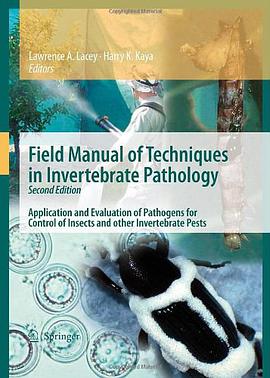
"The Field Manual of Techniques in Invertebrate Pathology" is designed to provide background and instruction on a broad spectrum of techniques and their use in the evaluation of entomopathogens in the field. The second edition of the Field Manual provides updated information and includes two additional chapters and 12 new contributors. The intended audience includes researchers, graduate students, practitioners of integrated pest management (IPM), regulators and those conducting environmental impact studies of entomopathogens. Although it can function as a stand alone reference, the Field Manual is complementary to the laboratory oriented "Manual of Techniques in Insect Pathology" and to comprehensive texts in insect pathology. The Editors have structured the 40 chapters of the Field Manual into 10 sections to provide the tools required for planning experiments with entomopathogens and their implementation in the field. The basic tools include chapters on the theory and practice of application of microbial control agents (MCAs) (Section I), statistical considerations in the design of experiments (Section II), and three chapters on application equipment and strategies (Section III). Section IV includes individual chapters on the major pathogen groups (virus, bacteria, microsporidia, fungi, and nematodes) and special considerations for their evaluation under field conditions. This section sets the stage for subsequent chapters on the impact of naturally occurring and introduced exotic pathogens and inundative application of MCAs. Twenty-three chapters on the application and evaluation of MCAs in a wide variety of agricultural, forest, domestic and aquatic habitats comprise Section VII of the Field Manual. In addition to insect pests, the inclusion of mites and slugs broadens the scope of the book. Most of the chapters in this section include step by step instructions on handling of inoculum, design of field experiments and experimental plots and application and assessment of efficacy of dozens of MCAs. Several of these chapters include supplementary techniques and media for conducting follow up laboratory studies for confirmation of infection, determination of persistence, etc. The three final chapters include: special consideration for evaluation of Bt transgenic plants (Section VIII); resistance to insect pathogens and strategies to manage resistance (Section IX); and guidelines for evaluating effects of MCAs on nontarget organisms (Section X). Due to uncertainty regarding the future availability of organophosphate and other conventional chemical insecticides, MCAs will play increasingly important roles in IPM. The Field Manual will provide researchers and IPM practitioners with techniques and practical guidance for the study and optimal use of MCAs in a variety of settings.
作者简介
目录信息
读后感
用户评价
从工具书的角度来看,这本书的索引和术语表部分设计得极为人性化,这对于需要快速检索信息的专业人士来说,是至关重要的“救命稻草”。我随手测试了几次,查找某个特定的染色技术或罕见寄生虫名称,索引的指向性都非常准确,定位速度极快,几乎没有出现误导或遗漏。更值得一提的是,书的附录部分的内容组织,简直是神来之笔,它似乎考虑到了读者在实验室中可能遇到的所有“突发状况”,提供了从试剂配比到仪器校准等一系列实用性的速查表。这表明,编写者绝非仅是纸上谈兵的学者,而是真正长期活跃在一线的实践者,深谙科研工作中的那些“隐性知识”和“常见陷阱”。这本书的价值,已经超越了一般的学术专著范畴,它已经进化成了一套系统、可靠且高度实用的全流程解决方案,是任何严肃从事无脊椎动物病理学研究的实验室都不可或缺的基石性参考资料。
这本书的行文风格是一种罕见的融合体,它既保持了学术著作应有的严谨性,又透露出一种令人耳目一新的亲切感。作者的叙述节奏掌握得恰到好处,在需要精确定义的关键术语部分,用词精准到近乎苛刻,确保了科学信息的无损传递;然而,在探讨研究方法论的优缺点时,笔锋一转,又变得颇具思辨色彩,像是与一位经验丰富的前辈进行深入的学术对话。这种“一本正经”与“娓娓道来”的平衡,极大地降低了专业知识的阅读门槛,让枯燥的技术细节变得富有生命力。我注意到,作者在讨论某些争议性或尚未完全明确的研究方向时,处理得非常审慎和客观,没有一味推崇某一种技术路线,而是全面列出各种方法的利弊,这种高度的学术良知,让人对其深表敬佩。它不仅教授我们“做什么”,更教会我们“如何批判性地思考”。
这本书的逻辑脉络铺陈得极为精妙,初读之下,便能感受到作者在构建知识体系时所下的苦心。它并非简单地罗列各种病理现象和应对措施,而是采取了一种由宏观到微观、由基础理论到高级应用的递进式结构。开篇对无脊椎动物免疫系统的概述,那种深入浅出的阐述方式,即便是我这位初涉该领域的人士,也能迅速抓住核心要点,建立起一个稳固的理论框架。随后,各个章节的衔接自然流畅,仿佛一条条精心编织的线索,将看似分散的病原体研究、诊断技术和环境因素影响等内容,完美地串联了起来。特别是关于病原体分离和鉴定的那一章,作者似乎预料到了读者可能遇到的所有操作难点,每一步骤都描述得详尽无遗,配图的示意性极强,仿佛有位资深专家在手把手地指导。这种结构上的严谨性,体现了作者深厚的学术功底和卓越的教学能力,让人在阅读过程中产生一种强烈的“掌控感”。
我特别欣赏这本书在案例选择和数据呈现上的务实态度。在阅读过程中,我发现作者并没有沉溺于过于晦涩的理论推导,而是大量穿插了来自实际田间和实验室的鲜活案例。比如,在探讨某些特定病毒感染的流行病学特征时,书中所引用的数据和图表,无一不来自近期或具有代表性的研究,这极大地增强了内容的参考价值和时效性。图表的制作质量也是一流的,那些复杂的分子通路图、不同虫株的致病性对比曲线,都被清晰地用色彩和标识区分开来,即便是那些初次接触复杂生物学模型的读者,也能迅速解读其含义。这种“眼见为实”的呈现方式,远比纯文字描述来得更有说服力。它成功地架起了一座连接教科书理论和实际科研工作的桥梁,让人感觉手中的这本书,与其说是一本参考书,不如说是一份经过时间检验的“操作手册”,每一个数据点都仿佛在向读者诉说着背后的真实故事和挑战。
这本书的装帧设计简直是一场视觉盛宴,封面那深邃的墨绿色调,配上烫金的字体,立刻给人一种沉稳而专业的信赖感。书脊的工艺也极其考究,即便是频繁翻阅,也能保持平整如新。内页纸张的质地也值得称赞,厚实且带有轻微的哑光处理,使得阅读时眼睛非常舒适,即便是长时间盯着那些密集的图表和显微镜下的微观结构照片,也不会感到明显的疲劳。装订的牢固程度也毋庸置疑,我试着将它完全摊开平放在桌面上,它能稳稳地保持住,这对于需要边阅读边做笔记的科研工作者来说,简直是福音。虽然我还没来得及深入研读每一个章节的深层技术细节,但仅从它作为“工具书”的物理形态来看,它已经远远超出了我的预期。细节决定成败,这本书的出版方显然在每一个环节都倾注了匠心,让它不仅仅是一本知识的载体,更是一件值得珍藏的工艺品。翻开扉页,那印刷的清晰度和墨水的均匀度,都显示出极高的制作水准,这无疑为接下来的学习过程奠定了一个非常积极和愉悦的基调。