
具体描述
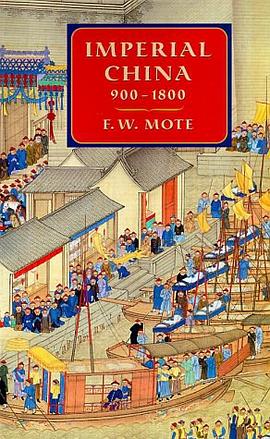
This is a history of China for the 900-year time span of the late imperial period. A senior scholar of this epoch, F. W. Mote highlights the personal characteristics of the rulers and dynasties and probes the cultural theme of Chinese adaptations to recurrent alien rule. No other work provides a similar synthesis: generational events, personalities, and the spirit of the age combine to yield a comprehensive history of the civilization, not isolated but shaped by its relation to outsiders.
This vast panorama of the civilization of the largest society in human history reveals much about Chinese high and low culture, and the influential role of Confucian philosophical and social ideals. Throughout the Liao Empire, the world of the Song, the Mongol rule, and the early Qing through the Kangxi and Qianlong reigns, culture, ideas, and personalities are richly woven into the fabric of the political order and institutions. This is a monumental work that will stand among the classic accounts of the nature and vibrancy of Chinese civilization before the modern period.
【Review】
“This massive tome crowns the long, distinguished career of Frederick Mote, an influential scholar of Late Imperial China in the United States… An outstanding feature that distinguishes this book from similar works is the author’s effort to readdress the imbalance in traditional historiography with its lopsided focus on the political and geographic center of the realm. He does a wonderful job of reconstructing the history of such historically neglected regimes as Khitan–Liao, Jurchen–Jin, and Tangut–Western Xia, from the perspective of the Other… What I find most praiseworthy is the lucid, elegant expository style of writing. In spite of the wealth of knowledge the author clearly possesses about traditional China, he chooses to cover in depth a select number of topics―personages, events, institutions, etc.―in a language that is understandable to the average man in the street, without relying on opaque verbosity. Consequently, the book is likely to leave a profound and lasting impact on the reader in areas it focuses on, which will in turn help him or her better understand a given period of Late Imperial China from a long-term perspective.”―Victor Cunrui Xiong, Chinese Historical Review
“A personal meditation on the later imperial history of China by an author who has studied and taught the subject all his life and whose knowledge of it is truly formidable. It is written in a readable, accessible style that attracts the reader’s sustained attention.”―John W. Dardess, University of Kansas
“A major contribution to our present literature on the general historiography of late Imperial China. Not only is it eminently accessible to a wide nonspecialized intellectual public, it also provides a major corrective within the field to some of the tendencies that have dominated the writing of Chinese history. Mote has highly cogent things to say about the nature of what has been called the ‘gentry’ in China and highly relevant questions to raise about the notion of a demographic explosion in eighteenth-century China and examines many of the prevailing abstract conceptions which dominate the field. Yet, he vividly demonstrated how limited our effort has been to explore in depth the vast documentary materials available to us, which are supposed to provide the ‘empirical data’ for our models, paradigms, and structural theories. Mote’s major contribution is his detailed account of the growing complexity of relations between the Chinese state and the surrounding East Asian world during the period 900–1800.”―Benjamin I. Schwartz, Harvard University
作者简介
F. W. Mote was Professor of Chinese History and Civilization, Emeritus, at Princeton University, author of Intellectual Foundations of China, and coeditor of several volumes of The Cambridge History of China.
目录信息
Preface
Acknowledgments
I. Conquest Dynasties and the Northern Song, 900–1127
1. The Five Dynasties
i. Later Imperial China’s Place in History
ii. The Course of Five Dynasties History
iii. The Eastward Shift of the Political Center
iv. Simultaneous Developments in the Ten States
v. China and Inner Asia in Geographic and Historical Perspective
2. Abaoji
i. The Khitans and Their Neighbors
ii. Ethnic Diversity and Language Community
iii. The Lessons of History
iv. The New Leader Emerges
v. The Significance of Khitan Acculturation
vi. Abaoji Receives Yao Kun, Envoy of the Later Tang Dynasty
3. Building the Liao Empire
i. Succession Issues after Abaoji
ii. The Meaning of the Early Liao Succession Crises
iii. The Khitans’ Inner Asian Tribal Empire
iv. Liao-Korean Relations
v. Expansion into North China
vi. Liao-Song Relations
4. Liao Civilization
i. Multicultural Adaptations
ii. Khitan Society
iii. Patterns of Acculturation
iv. Buddhism in Khitan Life
v. Interpretations of Liao Success
5. Creating the Song Dynasty
i. The Vigor of the Later Zhou and the Founding of the Song
ii. On Being the Emperor in Tenth-Century China
iii. Governing China
iv. The Military Problem
6. The World of Ideas in Northern Song China
i. The Man of the Age: Ouyang Xiu
ii. The Course of a Song Dynasty Official Career
iii. The Civil Service Examination System
iv. The Social Impact of the Song Examination System
v. Political Reform and Political Thought
vi. Neo-Confucian Philosophical Thought
7. Dimensions of Northern Song Life
i. High Culture
ii. The Example of Su Shi
iii. The New Elite and Song High Culture
iv. Religion in Song Life
v. Song Society
8. Origins of the Xi Xia State
i. The Tangut People: Names and Ethnic Identities
ii. Early History of the Tangut Tribal People
iii. The Tanguts Come into the Song Orbit
iv. Yuanhao Proclaims the Xia Dynasty
v. The Xi Xia as an Imperial Dynasty
II. Conquest Dynasties and the Southern Song, 1127–1279
9. The “Wild Jurchens” Erupt into History
i. Aguda’s Challenge
ii. The End of the Liao Dynasty
iii. The Northern Song Falls to the Jurchens
iv. Who Were These Jurchens?
v. Explaining the Jurchens’ Success
10. The Jurchen State and Its Cultural Policy
i. The Conquerors Turn to Governing
ii. The Period of Dual Institutions, 1115–1135
iii. The Era of Centralization, 1135–1161
iv. The Period of Nativist Reaction, 1161–1208
v. The End of the Jin Dynasty, 1208–1234
11. The Later Xi Xia State
i. Xi Xia in the Era of the Jin Dynasty, 1115–1227
ii. The Crisis of the “Partition of the State”
iii. The Destruction of the Xi Xia State
iv. The Tangut Achievement
v. Xia Buddhism
12. Trends of Change under Jin Alien Rule
i. Divisions: North and South, Chinese and Non-Chinese
ii. Jurchen Dominance
iii. The Impact of the Civil Service Examinations
iv. High Culture during the Jin Dynasty
v. Economic Life under the Jin
13. The Southern Song and Chinese Survival
i. A Fleeing Prince—A New Emperor
ii. War versus Peace
iii. Patterns of High Politics after the Treaty of 1141
14. Chinese Civilization and the Song Achievement
i. New Social Factors
ii. Elite Lives and Song High Culture
iii. Confucian Thinkers
iv. Other Kinds of Elite Lives
v. Some Generalizations about the Song Elite
15. Southern Song Life—A Broader View
i. Calculating Song China’s Population
ii. Governing at the Local Level
iii. Paying for Government
iv. Status in the Chinese Population
v. Urban and Rural
vi. Families, Women, and Children
vii. A Poet’s Observations
16. A Mid-Thirteenth-Century Overview
i. The Heritage of the Liao, Xi Xia, and Jin Periods
ii. The System of Ritualized Interstate Relations
iii. The Growing Scope of International Trade
iv. Cultural Interaction
III. China and the Mongol World
17. The Career of the Great Khan Chinggis
i. Backgrounds of Mongol History
ii. The Ethnic Geography of Inner Asia in the Late Twelfth Century
iii. Mongol Nomadic Economy and Social Life
iv. The Mongols Emerge into History
v. The Youth of Temüjin
vi. Chinggis Khan as Nation Builder
18. Forging the Mongol World Empire, 1206–1260
i. The Nearer Horizons of Empire, 1206–1217
ii. The First Campaign to the West, 1218–1225
iii. Chinggis Khan, the Man
iv. The Second Campaign to the West, 1236–1241
v. Mongol Adaptations to China under Chinggis and Ögödei
vi. Möngke Khan and the Third Campaign to the West
vii. Relations among the Four Khanates
19. Khubilai Khan Becomes Emperor of China
i. The Early Life of Khubilai
ii. Khubilai and His Chinese Advisers before 1260
iii. Möngke’s Field General in China
iv. Maneuvering to Become the Great Khan
v. The Great Khan Khubilai Becomes Emperor of China
vi. The Conquest of the Southern Song, 1267–1279
vii. The War against Khaidu
viii. Khubilai’s Later Years
ix. Khubilai Khan’s Successors, 1294–1370
20. China under Mongol Rule
i. Yuan Government
ii. Managing Society and Staffing the Government
iii. Religions
iv. China’s People under Mongol Rule
v. The Yuan Cultural Achievement
IV. The Restoration of Native Rule under the Ming, 1368–1644
21. From Chaos toward a New Chinese Order
i. Disintegration
ii. Competitors for Power Emerge
iii. Rival Contenders, 1351–1368
iv. Zhu Yuanzhang, Boy to Young Man
22. Zhu Yuanzhang Builds His Ming Dynasty
i. Learning to Be an Emperor
ii. Setting the Pattern of His Dynasty
iii. Constructing a Capital and a Government
iv. The Enigma of Zhu Yuanzhang
23. Civil War and Usurpation, 1399–1402
i. The New Era
ii. The Thought of Fang Xiaoru: What Might Have Been
iii. From Prince to Emperor
24. The “Second Founding” of the Ming Dynasty
i. Ming Chengzu’s Imprint on Ming Governing
ii. The Eunuch Establishment and the Imperial Bodyguard
iii. Defending Throne and State
iv. Securing China’s Place in the Asian World
v. The New Capital
25. Ming China in the Fifteenth Century
i. Successors to the Yongle Emperor
ii. The Mechanics of Government
iii. The Grand Canal in Ming Times
26. The Changing World of the Sixteenth Century
i. Emperor Wuzong, 1505–1521
ii. Emperor Shizong’s Accession
iii. The Rites Controversy
iv. Emperor Shizong and Daoism
v. The Emperor Shizong and His Officials
vi. Wang Yangming and Sixteenth-Century Confucian Thought
27. Ming China’s Borders
i. Border Zones, Zones of Interaction
ii. Tension and Peril on the Northern Borders
iii. Tibet and the Western Borders
iv. The “Soft Border” of the Chinese South
v. The Maritime Borders of Eastern China
28. Late Ming Political Decline, 1567–1627
i. The Brief Reign of Emperor Muzong, 1567–1572
ii. Zhang Juzheng’s Leadership and the Wanli Reign
iii. The Wanli Emperor’s Successors
29. The Lively Society of the Late Ming
i. The Population of Ming China
ii. The Organization of Rural Society
iii. Ming Cities, Towns, and Urban People: The Question of Capitalism
iv. Late Ming Elite Culture
30. The Course of Ming Failure
i. Launching the Chongzhen Reign: Random Inadequacies, Persistent Hopes
ii. The Manchu Invaders
iii. The “Roving Bandits”
iv. Beijing, Spring 1644
V. China and the World in Early Qing Times
31. Alien Rule Returns
i. Beijing: The City Ravaged
ii. The Drama at Shanhai Guan, April–May 1644
iii. Beijing Becomes the New Qing Capital
iv. The Shunzhi Emperor, 1644–1662
v. The Southern Ming Challenge to Qing Hegemony, 1644–1662
vi. The Manchu Offensive
vii. The Longwu Regime: Fuzhou, July 1645–October 1646
viii. Ming Loyalist Activity after 1646
32. The Kangxi Emperor: Coming of Age
i. Difficult Beginnings
ii. Rebellion, 1673–1681
iii. The Conquest of Taiwan
iv. Ming Loyalism and Intellectual Currents in the Early Qing
33. The Kangxi Reign: The Emperor and His Empire
i. Banner Lands and the Manchu Migration into China
ii. Recruitment and the Examination System
iii. The Mongols on the Northern Borders
iv. Manchu/Qing Power and the Problem of Tibet
v. Court Factions
vi. The Succession Crisis
34. The Yongzheng Emperor as Man and Ruler
i. Imperial Style, Political Substance
ii. Changing the Machinery of Government
iii. Other Governing Measures
iv. Military Campaigns and Border Policies
v. Population Growth and Social Conditions
vi. Taxation and the Yongzheng Reforms
35. Splendor and Degeneration, 1736–1799
i. Changing Assessments
ii. Hongli
iii. Political Measures
iv. Cultural Control Measures
v. A Late Flowering of Thought and Learning
vi. The Qianlong Emperor’s Military Campaigns
vii. China in the Eighteenth Century
36. China’s Legacy in a Changing World
i. The Background of China’s International Relations
ii. Mutual Recognition
iii. Economic Interactions
iv. Broadened Horizons of Religion, Philosophy, and Practical Knowledge
v. Diplomatic and Military Threats
vi. An Old Civilization in a New World
Appendix: Conversion Table, Pinyin to Wade-Giles
Notes
Bibliography
Index
· · · · · · (收起)
读后感
It is easier to understand this book by looking at what it leaves out than what it includes. Those excluded are “poems, masterworks of belles lettres or philosophy, extensive selections from great historians.” Apart from these segments, this thick book a...
It is easier to understand this book by looking at what it leaves out than what it includes. Those excluded are “poems, masterworks of belles lettres or philosophy, extensive selections from great historians.” Apart from these segments, this thick book a...
It is easier to understand this book by looking at what it leaves out than what it includes. Those excluded are “poems, masterworks of belles lettres or philosophy, extensive selections from great historians.” Apart from these segments, this thick book a...
It is easier to understand this book by looking at what it leaves out than what it includes. Those excluded are “poems, masterworks of belles lettres or philosophy, extensive selections from great historians.” Apart from these segments, this thick book a...
It is easier to understand this book by looking at what it leaves out than what it includes. Those excluded are “poems, masterworks of belles lettres or philosophy, extensive selections from great historians.” Apart from these segments, this thick book a...
用户评价
这本书的排版和图文结合处理得非常出色,这对于一本信息量巨大的历史专著来说,无疑是一个巨大的加分项。内页的插图选择极具匠心,它们并非简单的装饰,而是作为重要的辅助证据出现的。我特别喜欢作者在讨论特定制度或事件时,会配上当时绘制的地图、官员的肖像,甚至是相关的法律文献拓片。这些视觉材料的插入,极大地帮助了读者定位和理解文本中提到的地理概念或制度细节。例如,在论述漕运体系的复杂性时,书中附带的清代运河图示,直观地展示了其路线的曲折与战略意义,远比单纯的文字描述来得有力。此外,注释体系也做得非常专业,关键术语的解释和原始文献的出处都清晰标注,方便了有志于进一步研究的读者进行溯源。整体来看,这本书的设计者显然也深谙如何通过物理形态来提升阅读体验,它让厚重的历史知识变得易于消化,体现了出版方的专业水准和对读者的尊重。
阅读体验上,这本书给我带来了一种穿越时空般的沉浸感,这很大程度上归功于作者对文化和社会心态的细腻捕捉。它不仅仅是一部关于政治和经济的编年史,更是一部生动的社会文化史。我尤其被作者对儒家思想在不同历史阶段的变异与适应的分析所吸引。书中阐述了宋代理学的兴盛如何影响了家庭伦理,以及清代“考据学”的复兴背后所隐藏的对政治权威的微妙态度。作者没有用生硬的理论术语去套解这些复杂的文化现象,而是通过具体的文学作品、风俗习惯的变迁来佐证观点。比如,书中描述的文人雅集、园林艺术的兴盛,都被巧妙地联系到了当时文人阶层在社会动荡中寻求精神慰藉的集体心理。这种将宏大叙事与个体情感连接起来的叙事手法,使得历史不再是遥远的他者,而是可以被我们情感共鸣的部分。每当读到书中对于士大夫阶层在权力更迭中的挣扎与选择的描述时,我总能感受到一种强烈的历史宿命感和人性的复杂性,让人不禁反思我们当代社会中的文化现象,这才是优秀的历史著作的真正价值所在。
我必须说,这本书的学术严谨性达到了一个极高的水准,尤其体现在其对史料的批判性解读上。它并非简单地复述官方编纂的史书,而是深入挖掘了地方志、私人笔记、甚至是一些海外传教士的记录,进行多角度的交叉印证。这种对信息源的审慎态度,让那些看似定论的史实也呈现出了新的、值得商榷的侧面。例如,书中对清初“摊丁入亩”政策的实施效果分析,就颠覆了我过去基于教科书的刻板印象,作者通过梳理不同省份的税收记录和人口数据,揭示了政策在实际操作中遭遇的巨大阻力与地方差异,这展现了作者深厚的计量史学功底。整本书的论证结构清晰,逻辑链条环环相扣,但阅读体验绝非沉闷的学术论文。作者擅长设置悬念和提出挑战性的历史问题,引导读者一同参与到历史解释的构建过程中。读完一个章节,常常需要停下来思考半天,回味那种“原来可以这样理解历史”的豁然开朗之感。对于那些已经对这段历史有所了解的进阶读者来说,这本书提供了一个绝佳的平台,去挑战和深化自己已有的认知框架,其深度和广度都令人印象深刻。
最让我感到震撼的是,本书对于这段漫长历史中“持续性”与“断裂性”的辩证分析。许多历史著作倾向于将“宋”、“元”、“明”、“清”视为泾渭分明的阶段,但作者却成功地挖掘出了各个王朝之间内在的连续性,特别是那些在制度层面和思想文化上继承下来的“幽灵”。作者巧妙地展示了宋代的一些经济基础和技术潜力是如何在元代被压抑或改造,又如何在明清时期以新的形态爆发出来。这种“在变化中寻找不变,在稳定中看到暗流”的视角,极大地拓宽了我对历史演进规律的理解。它不再是线性的、简单的进步或衰退,而是一个复杂的、螺旋上升的过程。这种高屋建瓴的总结能力,要求作者对跨越数个朝代的文献积累有极强的把握力,而本书无疑做到了这一点。它迫使我跳出固定的朝代框架去思考,历史的脉络是连续的,个体朝代的兴衰只是其上浮现的波澜。这本书的价值,正在于它提供了一种更具包容性和动态性的历史观,让人对整个东亚历史的演变有了更深一层的敬畏。
这部关于中世纪晚期至近代早期的中国历史著作,简直是为我这样对那段波澜壮阔时代充满好奇的业余历史爱好者量身定做的。作者的叙事方式极其生动,仿佛一位经验丰富的说书人,将那些宏大的王朝更迭、复杂的宫廷政治,以及社会经济的细微变化,一一呈现在眼前。我特别欣赏他对地方精英阶层和底层民众日常生活的描绘,这种微观视角的引入,使得冰冷的史实瞬间有了温度。例如,书中对江南地区士绅家庭的教育日常、田产纠纷处理方式的细致刻画,让我得以一窥当时社会肌理的运作。它没有将重点仅仅放在皇帝的功过上,而是将视角拓展到了技术革新——比如制瓷业和棉纺织业的发展如何深刻影响了社会结构——这使得整本书的论述层次更为丰富立体。阅读过程中,我不断地在脑海中构建那个时代的场景:繁忙的运河航运、熙熙攘攘的集市,以及偏远乡村的劳作景象。作者对史料的驾驭能力令人叹服,他总能在宏观的历史大势与具体的史料证据之间找到完美的平衡点,不炫技,但让人信服。对于任何想要深入了解这个转型期中国社会动态的读者来说,这本书都是一本不可多得的佳作,它让人感到知识的获取过程是如此引人入胜,而非枯燥乏味的说教。