
具体描述
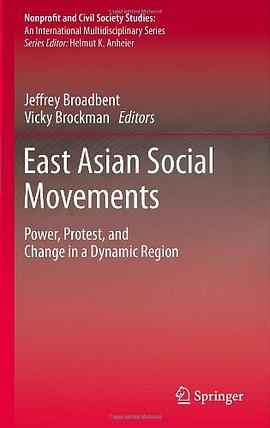
In the study of civil society and social movements, most cases are based in Western Europe and North America. These two areas of the world have similar histories and political ideals and structures in common which in turn, affect the structure of its civil society. In studying civil society in Asia, a different understanding of history, politics, and society is needed. The region’s long traditions of centralized, authoritarian states buttressed by Confucian and in some cases Communist ideologies may render this concept irrelevant.
The chapters in this international volume cover most of the areas and countries traditionally defined as belonging to East Asia: Japan, Taiwan, South Korea, Hong Kong, Singapore and China. The case studies included in this volume confront the utility of using the Western concept of civil society, represented in its most active form – social movements – to think about East Asia popular politics. Along with providing an array of important case studies of social movements in East Asia, the introduction, chapters and conclusion in the book take up three major theoretical questions:
the effect of the East Asian cultural, social and institutional context upon the mobilization, activities and outcomes of social movements in that region,
the role of social movements in larger transformative processes,
utility of Western social movement concepts in explaining social movements in East Asia.
This book will be of interest to two major groups of readers, those who study East Asia and those who pursue social movements and civil society, as well as politics more generally.
From the Back Cover
In the study of civil society and social movements, most cases are based in Western Europe and North America. These two areas of the world have similar histories and political ideals and structures in common which in turn, affect the structure of its civil society. In studying civil society in Asia, a different understanding of history, politics, and society is needed. The region’s long traditions of centralized, authoritarian states buttressed by Confucian and in some cases Communist ideologies may render this concept irrelevant.
The chapters in this international volume cover most of the areas and countries traditionally defined as belonging to East Asia: Japan, Taiwan, South Korea, Hong Kong, Singapore and China. The case studies included in this volume confront the utility of using the Western concept of civil society, represented in its most active form – social movements – to think about East Asia popular politics. Along with providing an array of important case studies of social movements in East Asia, the introduction, chapters and conclusion in the book take up three major theoretical questions:
the effect of the East Asian cultural, social and institutional context upon the mobilization, activities and outcomes of social movements in that region
the role of social movements in larger transformative processes
utility of Western social movement concepts in explaining social movements in East Asia.
This book will be of interest to two major groups of readers, those who study East Asia and those who pursue social movements and civil society, as well as politics more generally.
作者简介
目录信息
读后感
用户评价
《East Asian Social Movements》这本书,用一种令人耳目一新的方式,揭示了东亚地区蓬勃发展却又常常被忽视的社会运动图景。我一直以来对东亚地区的社会动态抱有浓厚的兴趣,但总觉得缺乏一个系统性的视角。《East Asian Social Movements》恰恰填补了这一空白。它不仅仅是一部学术著作,更是一次对当代东亚社会脉搏的深度扫描。我特别欣赏书中关于“跨国社会运动”的分析,作者通过对一系列跨越国界、涉及不同议题的社会运动案例的梳理,展现了在信息时代,东亚的社会力量如何突破地域限制,相互联结,形成更广泛的合作网络。比如,书中提到了关于环境保护的跨国倡议,以及跨国劳工权益的声援活动,这些案例都清晰地表明,东亚地区的社会运动已经不再是孤立的个体行为,而是正在形成一股日益强大的区域性合力。这种全球视角与在地实践的结合,让这本书既有宏大的理论框架,又不失对具体案例的深入挖掘,读起来既有智识上的挑战,又充满现实意义。
坦白说,我在阅读《East Asian Social Movements》之前,对东亚的社会运动并没有太多概念,甚至有些模糊。但这本书犹如一盏明灯,照亮了我理解这一复杂议题的道路。它呈现了一个既熟悉又陌生的东亚,一个在经济高速发展和社会变迁的洪流中,涌现出无数充满活力和创造力的社会运动的东亚。我特别被书中关于“数字公民行动主义”的讨论所吸引,作者生动地描绘了社交媒体、博客、在线论坛等数字平台如何成为东亚地区社会运动的重要策源地和动员工具。比如,书中描绘了在一些国家,普通民众如何利用网络匿名平台来揭露腐败、质疑官方信息,并迅速集结起志同道合的伙伴,形成网络声援和线下行动的联动。这种虚拟空间与现实世界的交织,以及技术赋权所带来的可能性,让我对当代社会运动的运作模式有了全新的认知。这本书没有回避其中的风险和挑战,但也正因如此,它才显得更加真实和可信。它让我看到了东亚社会运动的强大生命力,以及它在塑造未来的过程中所扮演的关键角色。
从一个旁观者的角度来看,《East Asian Social Movements》这本书简直是一次知识的洗礼。我过去对东亚的社会发展了解不多,只知道一些宏观层面的经济崛起和文化交流,但这本书却像一个显微镜,将东亚社会表面平静之下的暗流涌动一一展现在我面前。作者并没有回避争议,而是坦然地呈现了不同地区、不同议题下的复杂性和多样性。比如,在讨论韩国的民主化进程时,书中不仅仅聚焦于大规模的公民抗议,还深入分析了艺术家、知识分子、劳工组织等不同群体在其中扮演的角色,以及他们之间是如何相互影响、相互塑造的。让我印象深刻的是,书中对“失落一代”的分析,描述了他们在经济快速发展过程中所感受到的压力和焦虑,以及他们如何通过各种非传统的方式来表达不满和寻求出路,比如通过网络游戏社群来构建替代性的身份认同,或者通过“微型抗议”来宣泄情绪。这种对社会底层情绪和个体经验的关注,让这本书充满了人情味,也让我对东亚社会的复杂性有了更深刻的理解。总而言之,这本书提供了一个非常丰富和多维度的视角来理解东亚的社会现实。
这本书真的让我对东亚的社会运动有了全新的认识。我一直以为社会运动都是那种大规模的、激烈的抗议,但《East Asian Social Movements》这本书完全颠覆了我的固有观念。它深入探讨了东亚地区各种形式的社会运动,从传统的街头示威到更加隐蔽的数字平台上的倡议,再到社区内部的互助网络,都进行了细致的剖析。我尤其被书中关于“微观政治”的章节所吸引,作者通过大量的案例研究,展示了普通人在日常生活中如何通过点滴行动来挑战不公正,积聚力量。比如,书中提到一个关于食物共享的案例,一群城市居民通过共享自家过剩的食物,不仅解决了食物浪费的问题,更在这个过程中建立了强大的社区联系,并逐渐开始关注本地的食品生产和消费模式,甚至以此为契机,推动了更广泛的关于可持续生活方式的讨论。这种润物细无声却又影响深远的运动方式,让我看到了社会变革的另一种可能性。而且,书中并没有仅仅停留在描述现象,还花了很大的篇幅去分析这些运动的动员机制、传播策略以及它们所面临的挑战和机遇,读起来既有理论深度,又不失实践指导意义,让我受益匪浅。
作为一名对社会议题颇感兴趣的读者,我必须说,《East Asian Social Movements》这本书给我带来了极大的启发。它打破了我以往对社会运动的刻板印象,让我认识到社会变革并非总是轰轰烈烈,而是可能存在于我们日常生活的方方面面。书中关于“沉默的抵抗”的论述尤其让我着迷,作者通过大量的案例,生动地描绘了普通人在面对不公时,如何运用微妙而有效的方式来表达异议,即使在严苛的政治环境下,也能找到缝隙生存和发展。例如,在书中有一个章节详细讲述了中国大陆一些地区,年轻人在官方叙事之外,如何通过自发的文化活动、非正式的知识分享小组,来悄悄地构建和传播不同的价值观和历史叙事。这些行动虽然看似微小,但却在一点一滴地侵蚀着既有的权力结构,并为未来的社会变革播下了种子。这本书让我明白,社会运动的力量不仅仅在于其规模,更在于其韧性和创造性,以及它能够触及到多深的个体层面。它让我重新思考了“行动”的定义,以及个体在社会变迁中可能扮演的角色。
Alvin Y. So's chapter on post-modernist social movement in Hong Kong
Alvin Y. So's chapter on post-modernist social movement in Hong Kong
261
261
261