
具体描述
"It is of you the poet sings...at the beginning and at the end it is always you"
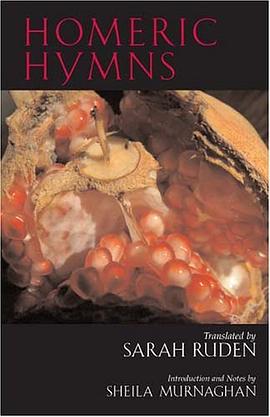
From the abduction of Persephone by Hades to Hermes' theft of Apollo's cattle, the Homeric Hymns recount some of the most compelling and significant episodes in Greek mythology. They were recited at festivals to honor the Olympian gods and goddesses, to pray for divine favor, and for victory in singing contests. They stand now as works of great poetic force, full of grace and lyricism, ranging in tone from irony to solemnity, ebullience to grandeur. Enhanced with an informative introduction that explores the hymns' authorship, performance, literary qualities, and influence on later writers, this collection gives an intriguing view of the ancient Greek relationship between humans and the divine.
作者简介
Homer was probably born around 725BC on the Coast of Asia Minor, now the coast of Turkey, but then really a part of Greece. Homer was the first Greek writer whose work survives.
He was one of a long line of bards, or poets, who worked in the oral tradition. Homer and other bards of the time could recite, or chant, long epic poems. Both works attributed to Homer – the Iliad and the Odyssey – are over ten thousand lines long in the original. Homer must have had an amazing memory but was helped by the formulaic poetry style of the time.
In the Iliad Homer sang of death and glory, of a few days in the struggle between the Greeks and the Trojans. Mortal men played out their fate under the gaze of the gods. The Odyssey is the original collection of tall traveller’s tales. Odysseus, on his way home from the Trojan War, encounters all kinds of marvels from one-eyed giants to witches and beautiful temptresses. His adventures are many and memorable before he gets back to Ithaca and his faithful wife Penelope.
We can never be certain that both these stories belonged to Homer. In fact ‘Homer’ may not be a real name but a kind of nickname meaning perhaps ‘the hostage’ or ‘the blind one’. Whatever the truth of their origin, the two stories, developed around three thousand years ago, may well still be read in three thousand years’ time.
目录信息
Further Reading
Translator's Note
The Homeric Hymns
I. Hymn To Dionysos
II. Hymn To Demeter
III. Hymn To Apollo
Delian Apollo
Pythian Apollo
IV. Hymn To Hermes
V. Hymn To Aphrodite
VI. Hymn To Aphrodite
VII. Hymn To Dionysos
VIII. Hymn To Ares
IX. Hymn To Artemis
X. Hymn To Aphrodite
XI. Hymn To Athena
XII. Hymn To Hera
XIII. Hymn To Demeter
XIV. Hymn To The Mother Of The Gods
XV. Hymn To Herakles, The Lion-Hearted
XVI. Hymn To Asklepios
XVII. Hymn To Dioskouroi
XVIII. Hymn To Hermes
XIX. Hymn To Pan
XX. Hymn To Hephaistos
XXI. Hymn To Apollo
XXII. Hymn To Poseidon
XXIII. Hymn To The Son Of Kronos, Most High
XXIV. Hymn To Hestia
XXV. Hymn To The Muses And Apollo
XXVI. Hymn To Dionysos
XXVII. Hymn To Artemis
XXVIII. Hymn To Athena
XXIX. Hymn To Hestia
XXX. Hymn To Gaia, Mother Of All
XXXI. Hymn To Helios
XXXII. Hymn To Selene
XXXIII. Hymn To The Dioskouroi
Notes
· · · · · · (收起)
读后感
用户评价
这本书的装帧设计简直是对‘朴素’的拙劣模仿。封面是那种最廉价的布面,颜色灰暗,图案模糊不清,拿到手里感觉随时都会散架。更别提内页的纸张质量,薄得像蝉翼,稍微用力一点点就可能撕裂。而且,它似乎在‘反潮流’的道路上越走越远,完全没有考虑现代读者的阅读习惯。没有彩页插图,没有精美的版式设计,甚至连个像样的护封都没有,让人感觉这本书仿佛是被匆忙地赶制出来,没有任何对读者的尊重可言。我原本希望这本书能够成为我书架上的一件赏心悦目的藏品,但现在它看起来更像是一个被遗忘在角落里的工具书。每次拿起它,我都忍不住要去买一本设计精良的版本来‘净化’一下我的阅读体验,这本实体书简直是浪费了纸张和墨水。
从内容的组织结构来看,这本书的处理方式显得极其不连贯和跳跃。它似乎将不同的抄本和残篇直接堆砌在一起,缺乏一个清晰的叙事逻辑线索,让初次接触《Homeric Hymns》的读者感到极度困惑。我花了大量时间试图在这些颂歌之间建立起内在联系,但很快就放弃了,因为它们之间的过渡生硬得像断崖。一个赞美得拉紧了,下一页就跳到了一个完全不相干的神祇的生平,中间没有任何过渡性的解释或者引导。如果你想通过这本书来系统地了解奥林匹斯诸神谱系或者特定的神话故事,我保证你会迷失方向。它更像是一个零散的资料汇编,而不是一本精心编纂的、导人入胜的古代文学选集。这使得阅读过程充满了挫败感,而不是享受知识的获取。
我必须得说,这本书的翻译质量简直是灾难性的。我不知道翻译者是不是对古希腊语有着一种‘解构’的执着,但呈现出来的英文却是生硬、晦涩,并且充满了令人费解的词汇选择。有些地方,我甚至需要对照着手边的另一本更现代的译本才能勉强理解作者想表达的意境。比如,描述赫菲斯托斯的段落,原文的火焰与熔炉的激情完全没有被传达出来,读起来就像是在看一份技术手册,干巴巴的,毫无生气。这对于一部史诗赞歌集来说,是致命的缺陷。诗歌的韵律感呢?彻底消失了。那些原本应该荡气回肠、朗朗上口的诗句,在这里被肢解成了散落的、毫无关联的句子片段。我感觉自己像是被强行拉进了一个充满了老式百科全书的房间,被要求去品味那些被过度分析和扭曲了的艺术品,而不是去感受神祇的荣光与凡人的敬畏。
关于这本书所附带的学术评论部分,坦白说,它们更像是阻碍我阅读的绊脚石,而不是帮助我理解的阶梯。这些导论和尾注充斥着我完全不熟悉的术语和晦涩难懂的学术辩论,涉及的领域极其细微,比如关于某个词汇在不同时期拉丁语转写上的微小差异,或者对一个特定版本手稿可信度的长篇大论。对于一个仅仅想沉浸在荷马式赞美诗的宏大叙事中的普通爱好者来说,这些内容是完全多余且令人精疲力尽的。我需要的是对文化背景的宏观阐释,而不是对版本学细节的过度纠缠。结果就是,我不得不像剥洋葱一样,一层一层地剥开这些冗余的学术外衣,才能勉强接触到核心的诗歌内容,这大大降低了阅读的趣味性和效率,让人感到它更像是一份严肃的学术作业,而非怡人的阅读材料。
这本书,说实话,刚翻开的时候我差点就合上了。那种厚重的纸张,泛着一股旧书店特有的灰尘和霉味,让我有点提不起精神。我原本期待的是那种现代印刷的、清晰易读的版本,结果呢,这本《Homeric Hymns》的排版简直像是从哪个尘封的档案馆里直接搬出来的。字体小得可怜,行间距也窄得让人心慌,读上几页眼睛就开始发酸。更别提那些密密麻麻的注释和校勘标记,它们像藤蔓一样缠绕在正文周围,让人根本无法专注于那些古老的诗句本身。我得承认,我几乎是靠着意志力才熬过了前几章。我试着去想象荷马时代吟游诗人的歌声,但眼前的这些枯燥的文字和复杂的学术标记,硬生生地把那种史诗的恢弘感给磨灭殆尽了。如果不是因为对古代神话的某种执念支撑着,我真不知道自己能不能坚持下去。它更像是一部供学者研究的古籍,而不是一本供普通读者欣赏的文学作品,体验感非常劝退。