
具体描述
Review
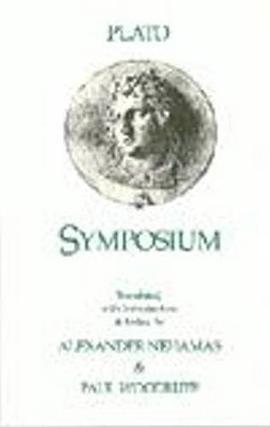
An all-male dinner party in Athens in 416 BC, with plentiful wine and attentive serving-girls, seems an unlikely setting for one of the world's greatest treatises on the nature of love. Yet in the Symposium Plato presents a series of witty, erudite and immensely readable speeches on love, in a setting which would be very familiar to the Athenians of the day. Students of classical Greek will delight in Robin Waterfield's fluent yet comfortable translation. His emphasis on accessibility rather than over-literalism has produced a translation sparkling with wit and ideas, which classicists and non-classicists alike will enjoy reading. Waterfield's fascinating introduction to the text provides valuable background to the sexual mores of the time and the social culture of classical Greece. He also examines each speech in detail, elucidating some of the more oblique points of the text to enable the reader to tackle it with confidence. The Greek playwright Agathon has walked off with the laurels at a recent competition, and is celebrating his victory with a select dinner party, or symposium. As he and his guests take their places, they decide to hold back on the amount of wine they consume and talk about love. The guests at the symposium are a mixed bunch of characters, who deliver their speeches in various styles and with different reactions from their appreciative listeners. Agathon's fellow playwright, the comic master Aristophanes, is there, as is Erxymachus, a doctor, and of course Socrates himself, brilliant philosopher and Plato's mentor. The conversation ranges from a declaration of the importance of homoerotic love to Socrates's account of his discussions with the prophetess Diotima, who claimed that we can only achieve true goodness through love. Into this scene of convivial discussion bursts Alcibiades, ex-lover of Socrates, military genius and famous bon viveur with a scandalous reputation. Thrusting himself between Socrates and his latest lover, Agathon, Alcibiades insists on joining in with the discussion but soon digresses and talks about his own love for Socrates. Although some critics have found the gate-crashing Alcibiades's speech sits awkwardly on such profound metaphysical discussion, it reminds the reader of the physical reality of love, while making several pointed references back to earlier speeches. As Waterfield says at the beginning of his introduction, the Symposium should be read at a sitting and re-visited for further enjoyment and insight. Layer after layer of meaning becomes revealed, and this slender dialogue proves to be a box of ever-increasing delights. (Kirkus UK)
作者简介
目录信息
读后感
最近因为要写点东西,重读了几年前读过的《会饮》,然而这次读来感受却与上次颇为不同。 记得几年前对苏格拉底非常崇拜,并且一旦瞥见他心中那隐藏着的神,就立刻如五雷轰顶一般,从此成为哲学的疯狂追随者。觉得周围人,包括自己从前的生活根本就不值得过,觉得从他身边逃走...
古典思想是令人着迷的,因为它的既高贵又自然。现代人对于爱欲的问题,要么归于非理性的本体,如叔本华的意志论;要么诉诸潜意识的推动,如弗洛伊德的精神分析,两条思路都把爱欲看成某种难以言传、暗自涌动的力量,最后在现代生理医学中汇聚并完成,令爱欲的人成为了一具没有...
爱欲起源于有我之心 有我才有缺憾 有缺憾才有欲望 苏格拉底没有我 希腊的神非常八卦 看到受爱情激励的人就开始变兴奋。。。。 每个神话体系都是心灵的创造 给人不同的想象和心理空间 佛教的轮回也是别有妙趣的视角 从轮回的观点看 这一世没法达到无我之境也该随缘 随着有我...
20190327打卡《会饮》柏拉图 书很薄,不影响其畅达精彩,朴素言语背后别有一番瑰丽光景。 柏拉图用一场宴饮,将所有人拽入爱的殿堂。 一、同性恋圣经 没有哪本书能将同性之爱解释得如此自然、和谐、唯美,充满智慧。 阿里斯托芬这样讲述: 原始人类曾为三种,男人、女人、阴阳...
爱欲起源于有我之心 有我才有缺憾 有缺憾才有欲望 苏格拉底没有我 希腊的神非常八卦 看到受爱情激励的人就开始变兴奋。。。。 每个神话体系都是心灵的创造 给人不同的想象和心理空间 佛教的轮回也是别有妙趣的视角 从轮回的观点看 这一世没法达到无我之境也该随缘 随着有我...
用户评价
在阅读这本书的过程中,我仿佛置身于一个充满智慧与激情的思想世界。作者以一种极为巧妙的方式,将一群杰出的思想家聚集在一起,让他们围绕着一个核心主题展开了深入而广泛的探讨。我被书中人物的深刻见解所折服,他们对“爱”的理解,从最初的吸引力,到对真理的追求,再到最终的升华,每一步都充满了哲学的深度。阅读这本书,就像在品味一杯陈年的美酒,越品越有滋味。我被其中某个角色的慷慨激昂所感染,也为另一个角色的理性分析所折服。这种思想的碰撞,让我看到了问题的不同侧面,也拓宽了我对世界的认知。这本书没有给我一个现成的答案,却给了我一种思考的方式。它鼓励我去质疑,去探索,去寻找属于自己的真理。我开始审视自己对“美”的理解,它是否只停留在表面的光鲜亮丽,还是已经触及到了更深层的灵魂共鸣。
一直以来,我都对古希腊的思想哲学情有独钟,但真正让我沉浸其中,久久不能自拔的,却是一本看似关于“宴会”的书。初拿到这本书,名字就带着一种神秘的诱惑力,仿佛能窥见那个遥远时代文人墨客们思想碰撞的火花。然而,一旦翻开,便会发现它远非一场简单的美食盛宴。作者用一种近乎戏剧化的方式,将一群性格迥异、学识渊博的雅典名士聚集在一起,以一种极其别致的视角,探讨着一个永恒而又难以捉摸的主题。他们时而引经据典,时而旁征博引,时而又以近乎诙谐的口吻,将最深刻的哲学理念娓娓道来。我常常觉得,阅读这本书的过程,就像置身于那个古老的宴厅,空气中弥漫着葡萄酒的醇香,也充斥着智慧的辩论。那些关于爱、美、灵魂的论述,如同夜空中的星辰,虽遥远却闪耀着令人着迷的光芒。我会被其中某个角色的独白所深深吸引,也会因为不同观点之间的激烈交锋而掩卷沉思。它不单单是知识的传递,更是一种情感的共鸣,一种跨越时空的对话。我开始重新审视自己对“爱”的理解,它不再是简单的男女之情,而是一种升华,一种对真善美的永恒追求。这本书对我而言,不仅仅是一本读物,更像是一位引路人,引领我走入更深邃的哲学殿堂。
读完这本书,我的脑海中萦绕着许多零散的闪光点,却又很难用几句话来概括它的全貌。这是一种奇妙的阅读体验,仿佛在迷宫中穿梭,每一步都可能发现新的惊喜。书中人物的言论,有时严谨得如同科学论证,有时又浪漫得如同诗歌吟唱。他们对“美”的定义,从外在的形体到内在的灵魂,层层递进,直至触及最纯粹的理念。我尤其欣赏作者在人物塑造上的功力,每一个角色都有着鲜明的个性和独特的见解,他们之间的对话充满了张力,也展现了思想的多元。读着读着,我仿佛也成为了这场精神盛宴中的一员,与他们一同探索着未知的领域。那些关于“渴望”和“满足”的论述,让我对人生的追求有了更深刻的理解。它让我意识到,真正的幸福并非来自外物的堆砌,而是源于内心的丰盈与升华。这本书没有给出明确的答案,却留下了无数引人遐想的空间。它挑战了我固有的思维模式,也激发了我对生命意义的更深层次的探索。我甚至开始怀疑,我们所追求的“爱”是否真的能够触及到书中描绘的那个最高境界。
这本书的语言风格别具一格,它不像我以往读过的那些哲学著作那样晦涩难懂,反而充满了生动性和感染力。作者巧妙地将抽象的哲学概念,融入到一场精心设计的对话之中,让读者在轻松愉悦的氛围中,领略思想的魅力。我特别喜欢书中对于“美”的探讨,它不仅仅局限于视觉上的享受,更延伸到了理智和灵魂的层面。这种多维度的审视,让我对“美”有了全新的认识。书中人物的辩论,时而激烈,时而又带着一丝幽默,使得整个阅读过程充满了乐趣。我常常会因为某个观点而会心一笑,也会因为某个深刻的洞察而陷入沉思。这本书给我最大的启示,在于它让我看到了思想的无限可能性。它鼓励我跳出固有的框架,去探索那些看似遥不可及的领域。我开始反思,我们是否被日常生活的琐碎所蒙蔽,而忽略了内心深处最本真的渴望。这本书就像一面镜子,映照出我内心的迷茫,也指引我寻找前行的方向。
我一直认为,真正的智慧往往蕴藏在最朴素的表达之中。而这本书,恰恰证明了这一点。作者用一种近乎对话的方式,将那些深邃的哲学理念,展现在读者面前。我被书中人物对于“爱”的层层剖析所吸引,他们从最初的身体吸引,到对美的欣赏,再到对灵魂的追寻,每一步都充满了令人着迷的逻辑。阅读这本书,我仿佛经历了一场思想的远足,每一步都充满了惊喜与启迪。我会被其中某个角色的独白所打动,也会为另一个角色的犀利观点而深思。这种智慧的交锋,让我看到了思想的无限魅力。这本书没有直接告诉我应该怎么做,却让我明白了如何去思考。它让我重新审视了“渴望”的本质,也让我开始理解,什么才是真正的“满足”。我甚至开始怀疑,我们日常所追求的那些,是否真的能够带来内心的平静与喜悦。
刚知道nehamas也批过bloom那本畅销书。
这群古希腊哲学家一本正经胡说八道再自圆其说的本领真的很impressive. 对(男性)同性之爱的崇尚和褒奖令人咂舌和艳羡。最触动我的还是alcibiades对socrates的一片痴心。
Well-written. Alcibiades控诉苏格拉底的部分太精彩了。一面说真正的爱应当give birth to immortality ,另一面身后不留著述。谦虚之人往往最是傲慢,A讽刺得恰到好处。老苏真有意思。
女性地位尚未看中
god is btw mortal and immortal. he converts prays n gifts n wishes to both the sides.