具体描述
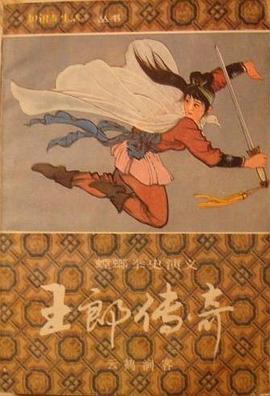
《螳螂拳史演义·下》:武术传承的波澜壮阔,家国情怀的壮丽史诗 《螳螂拳史演义·下》承接上部,将读者带入一个更加波澜壮阔的武术世界。本书并非简单的武功招式罗列,而是以螳螂拳的千年传承为主线, interwoven with the ebb and flow of history, portraying the profound philosophical underpinnings of the art, the indomitable spirit of its practitioners, and its inextricable link to the fate of the nation. This volume delves deeper into the challenges and triumphs faced by various generations of螳螂拳 masters, their relentless pursuit of martial excellence, and their unwavering dedication to safeguarding the cultural heritage and the common people. The narrative arc of 《螳螂拳史演义·下》 is meticulously crafted, drawing upon a rich tapestry of historical events and legendary tales. It begins with the martial arts landscape in the tumultuous later years of the Qing Dynasty, a period rife with internal strife and external aggression. The once mighty empire was teetering, and the people yearned for strength and protection. It is within this crucible that the legacy of螳螂拳, passed down through generations of dedicated masters, finds new purpose and urgency. One of the central themes explored in this volume is the evolution of螳螂拳 itself. While the core principles of rapid, deceptive, and powerful movements remain, the masters of this era continually refine and adapt their techniques to counter the changing nature of warfare and combat. We witness the development of more sophisticated strategies, the integration of new training methodologies, and the constant striving for a deeper understanding of the human body and its potential for explosive power. The book vividly portrays the arduous training regimes, the bone-jarring practice sessions, and the countless hours spent meditating on the principles of balance, speed, and precision. It is through these trials that the essence of螳螂拳 is forged, passed from master to disciple, each generation building upon the wisdom of its predecessors. Beyond the technical aspects of martial arts, 《螳螂拳史演义·下》 places a significant emphasis on the philosophical and ethical dimensions of螳螂拳. The book illustrates how螳螂拳 is not merely a means of self-defense, but a holistic discipline that cultivates character, fosters discipline, and instills a profound sense of responsibility. We see masters grappling with moral dilemmas, their actions guided by a strict code of honor and a deep-seated commitment to justice. The concept of "以武止戈" (using martial arts to prevent conflict) is explored in depth, highlighting the practitioners' desire to protect the innocent and uphold peace. The narrative often presents situations where brute force is not the answer, but rather strategic thinking, unwavering resolve, and a deep understanding of human nature. A significant portion of the book is dedicated to chronicling the involvement of螳螂拳 masters and their disciples in the grand historical narrative of China. As the nation faced foreign occupation and internal rebellion, these martial artists found themselves at the forefront of resistance. The book details their clandestine operations, their daring acts of sabotage, and their courageous stands against overwhelming odds. It paints a vivid picture of ordinary individuals rising to extraordinary challenges, their martial skills becoming an indispensable weapon in the fight for survival and sovereignty. We encounter fictionalized accounts of historical figures, their encounters with螳螂拳 masters shaping the course of events in subtle yet significant ways. The narrative emphasizes the selflessness and sacrifice of these martial artists, many of whom paid the ultimate price for their convictions. The family and lineage aspect of螳螂拳 is also a prominent thread woven throughout 《螳螂拳史演义·下》. The book portrays the deep bonds of loyalty and respect that exist within the螳螂拳 community. Masters are not just teachers, but mentors and father figures, their disciples not just students, but extensions of their own family and legacy. The narrative explores the sacrifices made by these families to preserve the art, the challenges of finding worthy successors, and the joyous moments when the torch of knowledge is passed to a new generation. The passing down of secrets, the intricate details of combat, and the philosophical insights are depicted as precious heirlooms, safeguarded with immense dedication. Furthermore, the book delves into the cultural impact of螳螂拳. It illustrates how the art became an integral part of local folklore, a symbol of resilience and strength for the common people. The stories of螳螂拳 heroes, their legendary exploits, and their unwavering moral compass served as inspiration and a source of hope in difficult times. The book might depict scenes of village festivals where螳螂拳 performances are a highlight, or show how the teachings of螳螂拳 permeated everyday life, influencing the way people approached challenges and interacted with each other. The narrative style of 《螳螂拳史演义·下》 is characterized by its epic scope and its humanistic touch. The author masterfully blends historical accuracy with imaginative storytelling, creating a world that is both believable and captivating. The language is evocative and powerful, painting vivid images of martial arts prowess, the grandeur of ancient China, and the deep emotions of its characters. The pacing is deliberate, allowing readers to fully immerse themselves in the lives and struggles of the protagonists. The book does not shy away from the harsh realities of life, the brutality of conflict, or the pain of loss, but it also celebrates the enduring power of the human spirit, the triumph of courage over fear, and the eternal pursuit of justice. In essence, 《螳螂拳史演义·下》 is more than just a chronicle of martial arts; it is a profound exploration of courage, honor, duty, and the unwavering spirit of those who dedicated their lives to the preservation of a valuable cultural heritage and the protection of their homeland. It is a testament to the enduring power of tradition, the importance of legacy, and the indomitable will of the Chinese people. The book serves as a reminder that true strength lies not only in the physical prowess of martial arts, but in the unwavering principles and the noble spirit that guide its practitioners. The journey within its pages offers a deeply enriching experience, leaving the reader with a profound appreciation for the history and the enduring spirit of螳螂拳.