
具体描述
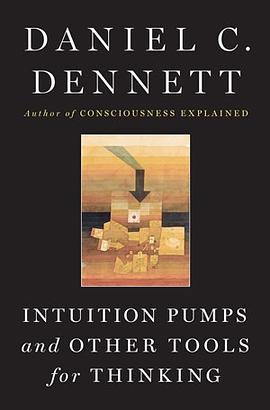
One of the world’s leading philosophers offers aspiring thinkers his personal trove of mind-stretching thought experiments.
Over a storied career, Daniel C. Dennett has engaged questions about science and the workings of the mind. His answers have combined rigorous argument with strong empirical grounding. And a lot of fun.
Intuition Pumps and Other Tools for Thinking offers seventy-seven of Dennett’s most successful "imagination-extenders and focus-holders" meant to guide you through some of life’s most treacherous subject matter: evolution, meaning, mind, and free will. With patience and wit, Dennett deftly deploys his thinking tools to gain traction on these thorny issues while offering readers insight into how and why each tool was built.
Alongside well-known favorites like Occam’s Razor and reductio ad absurdum lie thrilling descriptions of Dennett’s own creations: Trapped in the Robot Control Room, Beware of the Prime Mammal, and The Wandering Two-Bitser. Ranging across disciplines as diverse as psychology, biology, computer science, and physics, Dennett’s tools embrace in equal measure light-heartedness and accessibility as they welcome uninitiated and seasoned readers alike. As always, his goal remains to teach you how to "think reliably and even gracefully about really hard questions."
A sweeping work of intellectual seriousness that’s also studded with impish delights, Intuition Pumps offers intrepid thinkers—in all walks of life—delicious opportunities to explore their pet ideas with new powers.
作者简介
Daniel Clement Dennett III is a prominent philosopher whose research centers on philosophy of mind, science, and biology, particularly as they relate to evolutionary biology and cognitive science. He is the co-director of the Center for Cognitive Studies and the Austin B. Fletcher Professor of Philosophy at Tufts University. Dennett is a noted atheist, avid sailor, and advocate of the Brights movement.
Dennett received his B.A. in philosophy from Harvard University in 1963, where he was a student of W.V.O. Quine. In 1965, he received his D.Phil. from Christ Church, Oxford, where he studied under the ordinary language philosopher Gilbert Ryle.
Dennett gave the John Locke lectures at the University of Oxford in 1983, the Gavin David Young Lectures at Adelaide, Australia, in 1985, and the Tanner Lecture at Michigan in 1986, among many others. In 2001 he was awarded the Jean Nicod Prize, giving the Jean Nicod Lectures in Paris. He has received two Guggenheim Fellowships, a Fulbright Fellowship, and a Fellowship at the Center for Advanced Studies in Behavioral Science. He was elected to the American Academy of Arts and Sciences in 1987. He was the co-founder (1985) and co-director of the Curricular Software Studio at Tufts University, and has helped to design museum exhibits on computers for the Smithsonian Institution, the Museum of Science in Boston, and the Computer Museum in Boston. He is a Humanist Laureate of the International Academy of Humanism and a Fellow of the Committee for Skeptical Inquiry.
目录信息
读后感
先说观点,别人几乎一辈子的学术精华,我们想通过一本书读几遍就吸收容纳这是不可能的。因此我是抱着能学到东西就很满足的心态看的这本书。补充一句,能学到几种工具并学以致用这本书就很值了。另批评人家文风的,这是因为每个牛人都会有自己的风格吧,退一万步,按照91定律看...
能感觉到作者的幽默,他用尽可能通俗的语言向人们介绍一个个“直觉泵”。 直觉泵是作者发明的名词,含义就是常说的思想实验。这一个个实验引人思考。 然而,没看懂。“得到”的万维钢老师、王烁老师都是强烈推荐,他们讲了“ 批评他人的正确方式 ”、“亿年机器人”等几个“直...
在近年来读过的演化心理学、认知科学、人工智能以及神经科学等领域的著作中,有一个哲学家的名字频繁出现,他就是当今最有影响力的哲学家:丹尼尔·丹尼特。 拿最近阅读的《大局观从何而来》一书为例,人类学家罗宾·邓巴就以丹尼特提出的“意向性立场”,作为其人类史“大局观...
用户评价
初读《直觉泵和其他思考工具》时,我并没有抱有多大的期待,以为这只是一本普通的“成功学”或者“心理学”入门读物。然而,当我深入阅读之后,我发现自己完全被这本书所吸引,它提供了一种全新的视角,让我得以审视自己和周围的世界。作者以一种极其精炼且富有洞察力的方式,将许多复杂的思维概念转化成易于理解和应用的“工具”。我尤其喜欢书中关于“情境依赖性”的探讨,它让我意识到,我们很多时候对事物的判断,都受到当时所处环境的影响,而忽略了其内在的逻辑。这本书让我开始反思,我是否在很多时候,都被那些表面的信息所误导,而没有深入探究事物的本质。它提供了一种“系统性思考”的方法,鼓励我去分解问题,去识别其中的关键因素,并且去预测不同的行动可能带来的后果。这是一种非常实用的技能,它不仅能够帮助我在学业和工作中做得更好,也能够帮助我在生活中做出更明智的决策。这本书的语言风格也非常吸引人,它充满了智慧的火花,并且总是能够用恰当的比喻来解释抽象的概念,让我在阅读过程中收获了许多乐趣。
这本书,我必须承认,是一本能够真正触及“思考的本质”的书籍。《直觉泵和其他思考工具》以一种极其优雅且富有洞察力的方式,揭示了许多我们日常生活中容易忽略的思维模式。作者的语言风格非常独特,他能够将复杂的理论,用一种近乎诗意的方式呈现出来,让人在阅读的同时,也能感受到思维的乐趣。我最喜欢的是书中那些“思考框架”,它们就像是一张张精密的思维地图,能够帮助我理清复杂的思路,找到问题的关键点。例如,关于“系统性思考”的讨论,通过一个简单的“因果链条”的分析,就让我深刻体会到事物之间错综复杂的联系。这本书让我认识到,我们很多时候之所以会陷入困境,并非因为问题本身有多么复杂,而是因为我们没有找到正确的思考角度。它提供了一种“解决问题的思维工具箱”,让我能够根据不同的问题,选择最合适的工具来应对。这是一种非常实用的能力,它不仅能够帮助我在学业和工作中取得更好的成绩,也能够帮助我在生活中做出更明智的决策。这本书的价值,在于它能够真正地改变你“看”世界的方式。
这本《直觉泵和其他思考工具》简直是一场智识的盛宴,让我这种自认为对逻辑和思维方式略有涉猎的人,也大开眼界。作者以一种近乎游戏般的笔触,将那些抽象晦涩的哲学和心理学概念,转化成了一个个生动有趣的“工具”。阅读的过程,就像是在一个巨大的实验室里,接触到各种各样新奇的装置,并且被鼓励亲手去操作、去试验。我尤其喜欢书中的一些类比,它们非常巧妙地将复杂的概念具象化,比如关于“后见之明”的讨论,让我深刻体会到我们在回顾过往时,是如何被已知结果所蒙蔽,从而忽视了当时决策的真实情境和不确定性。这不仅仅是对思维谬误的揭示,更是一种关于如何更公正、更全面地评价自己和他人的方法论。书中的许多“泵”实际上是一种思维的“预演”,它们帮助我们在实际问题到来之前,就预设好应对的框架和视角,从而避免陷入惯性思维的泥沼。我发现自己开始不自觉地在日常生活中运用这些工具,比如在分析一个新闻事件时,我会尝试去模拟不同的信息源和视角,看看结果会有何不同;在做一项决策时,我也会思考是否存在“先验知识”在悄悄地影响我的判断。这本书的价值在于,它不仅仅提供了知识,更重要的是,它改变了我“如何思考”这个根本性的问题,让我对自己的心智能力有了更深刻的理解和更有效的掌控。它的内容并非那种能够立刻带来“哇”的 eureka 时刻的灵感,而更像是一种长期的、潜移默化的“能力提升”,让我变得更加敏锐、更加批判性,也更加能够享受思考本身带来的乐趣。
《直觉泵和其他思考工具》这本书,对于任何渴望提升思考能力的人来说,都绝对是一份珍贵的礼物。它没有那种哗众取宠的标题,也没有虚哨子一般的承诺,但它的内容却实实在在,直击核心。作者用一种极其精炼而又富有洞察力的方式,将复杂的思考技巧呈现在读者面前。我特别欣赏书中对于“类比”的运用,作者能够找到非常贴切的类比来解释抽象的概念,使得那些原本难以理解的思维模式,瞬间变得清晰易懂。比如,关于“确认偏差”的讨论,通过一个简单的“只看到自己想看的东西”的例子,就足以让人醍醐灌顶。这本书让我认识到,我们的大脑是一个多么“懒惰”又“固执”的器官,它总是在试图寻找捷径,并且倾向于维护已有的信念。通过学习书中的“工具”,我开始有意识地去“对抗”这种惰性,去主动地寻找反证,去拥抱不确定性。这是一种非常宝贵的思维训练,它让我变得更加客观,更加理性。而且,这本书的阅读体验非常棒,它不是那种让你读完就丢在一边,而是会让你时不时地翻开,去重温其中的某个观点,去反思自己当下的思维方式。它就像一个贴心的智囊,随时准备着为你的思考提供支持和启发。
我必须要承认,《直觉泵和其他思考工具》这本书,是近期我读过的最让我受益匪浅的书籍之一。它以一种极其独特且富有启发性的方式,为我打开了一扇通往更深刻思考的大门。作者的语言风格非常精炼而又充满了智慧,他能够用非常简单明了的语言,阐释那些原本非常复杂的心理学和哲学概念。我尤其喜欢书中那些“思维实验”,它们不是枯燥的理论堆砌,而是通过生动的场景,让我亲身体验思考的乐趣和挑战。例如,关于“锚定效应”的讨论,通过一个简单的“数字猜测”游戏,就让我清晰地看到了信息是如何影响我们的判断的。这本书让我认识到,我们的大脑并非一个被动的接受者,而是一个可以通过主动训练来优化的工具。它提供了一种“批判性思维”的训练方法,鼓励我去质疑常识,去寻找隐藏的假设,并且去验证自己的结论。这种思维方式的转变,让我对许多事情有了更深入的理解,也让我能够做出更明智的决策。这本书的价值,在于它不仅仅教授你“知识”,更重要的是,它教授你“如何学习”和“如何思考”。
《直觉泵和其他思考工具》这本书,是一次非常令人兴奋的心智探索之旅。作者以一种极为迷人的方式,将那些关于认知、逻辑和决策的复杂理论,转化成了一个个生动有趣的“思考工具”。我印象最深刻的是书中关于“反事实思维”的讨论,它让我意识到,我们如何去想象“另一种可能性”,对于我们理解当下和规划未来有着至乎寻常的影响。作者的叙述风格非常独特,他能够用一种近乎讲故事的方式,将那些抽象的心理学概念具象化,让我觉得阅读过程充满了乐趣。这本书不仅仅是关于“如何思考”,更重要的是,它让我明白了“为什么这样思考”。它帮助我理解了许多我们大脑的“捷径”和“陷阱”,并且提供了一些实用的方法来规避它们。我发现自己开始在日常生活中,有意识地去运用书中的一些“工具”,比如在做一项重大决定之前,我会尝试去设想最坏的情况,而不是仅仅关注成功的可能性。这种预判性的思考,让我对风险有了更清晰的认识,也让我能够做出更稳健的决策。这本书的价值,在于它能够真正地提升你的思维能力,让你在面对复杂问题时,能够更加从容和自信。
《直觉泵和其他思考工具》这本书,给我带来的最大感受,是一种“重塑”的力量。它让我重新审视了自己过去的一些思维习惯,并且提供了一套全新的工具,来帮助我以更高效、更具洞察力的方式进行思考。作者的叙述风格非常迷人,他能够用一种近乎艺术的笔触,将那些抽象的概念描绘得栩栩如生。我尤其欣赏书中对于“心理模型”的阐述,它让我明白了我们每个人在脑海中都有自己的一套理解世界的方式,而这些模型的好坏,直接影响着我们的决策。这本书提供了一种“识别和优化心理模型”的方法,让我能够更加清晰地认识到自己思维的局限性,并且主动去拓展和修正它们。我发现自己在阅读完这本书后,对信息的接收和处理方式都发生了显著的改变,我不再轻易相信那些片面的信息,而是会主动去探究事物的本质,去寻找多方面的证据。这是一种潜移默化的改变,但其影响却是深远的。它让我意识到,我们的大脑并非一个固定的存在,而是一个可以不断学习和成长的有机体。
我很少读到能让我如此沉迷的书,尤其是在思考工具这个相对“干枯”的领域。《直觉泵和其他思考工具》却做到了。它不是一本教你如何“记住”更多东西的书,而是一本让你学会“如何思考”的书,而且是以一种极其吸引人的方式。作者的叙述风格非常独特,充满了智慧的火花和幽默感,读起来一点也不枯燥。我印象最深刻的是关于“认知偏差”的章节,书中列举了许多我们日常生活中极易犯的错误,并且用非常形象的比喻来解释这些偏差是如何形成的。例如,关于“锚定效应”的阐述,让我意识到我在购物时,多么容易被第一个看到的标价所“锚定”,从而影响了我对商品真正价值的判断。这种对自我心智运作机制的深刻洞察,让我对许多看似自然的思维过程产生了质疑,并开始主动去审视它们。这本书提供给我的,不仅仅是一些理论知识,更是一种实践性的指导。我尝试着去应用书中的一些“思考实验”,发现它们确实能够帮助我打破思维定势,看到问题的不同侧面。它让我明白,很多时候,我们之所以无法解决问题,并非因为能力不足,而是因为我们被固有的思维模式所限制。这本书就像一个万能钥匙,解锁了许多我未曾发掘的心智潜力。读完这本书,我感觉自己对世界和人生的看法都更加清晰和有深度了,这种感觉是任何“速成”的知识都无法比拟的。
这本书《直觉泵和其他思考工具》,给我的感觉就像是获得了一套全新的“装备”,让我能够以更强大、更灵活的方式去面对这个复杂的世界。作者的语言风格非常迷人,他能够将那些深奥的心理学和哲学理论,用一种轻松幽默的方式呈现出来,让人读起来一点都不费力。我最欣赏的是书中那些“直觉泵”本身,它们就像是能够瞬间激活思维的按钮,帮助我看到平时容易忽略的盲点。例如,关于“群体思维”的分析,通过一个非常具象的场景,就让我深刻体会到个体在群体压力下是如何失去独立判断能力的。这种对社会心理学的洞察,让我对许多社会现象有了更深层次的理解。这本书的价值在于,它不仅仅提供了知识,更重要的是,它提供了一种“思考的方法”。我发现自己开始在日常生活中,有意识地运用书中的一些工具来分析问题,比如在与人争论时,我会尝试去理解对方的立场,而不是急于反驳。这种转变,让我的人际关系也得到了改善。这本书不仅仅是一本关于思考的书,它更是一本关于“更好地理解自己和他人”的书,它让我变得更加包容,更加有同理心。
我必须说,《直觉泵和其他思考工具》这本书,彻底改变了我对“思考”这个词的理解。在此之前,我以为思考就是解决问题,就是找到答案,但这本书让我明白,思考本身是一种能力,是一种可以通过训练来提升的技艺。作者如同一个经验丰富的向导,带领我穿越思维的迷宫,揭示了那些隐藏在日常决策背后的心理机制。我尤其喜欢书中那些“思想实验”,它们不是那种枯燥的理论推导,而是通过设身处地的情境,让你亲身体验思维的陷阱和乐趣。比如,关于“损失规避”的讨论,通过一个简单的选择题,就让我清晰地看到了人在面对损失时的非理性倾向。这种体验式的学习,比任何说教都来得更深刻。这本书不仅仅是关于“做什么”,更是关于“怎么做”,它提供了一种新的视角,让我能够更审慎、更全面地审视问题。我发现自己在阅读完这本书后,对信息的接收和处理方式都发生了改变,我不再轻易相信第一印象,而是会主动去探究信息的来源和潜在的 bias。这是一种潜移默化的改变,但其影响却是深远的。它让我意识到,我们的大脑并非一个被动的接收器,而是一个可以主动构建和优化的工具。
"intuition pump"这个概念很棒,但这本书并不提供太多训练。夹带的私货过多。
『出现Surely意味着论据不足;如果把「喝奶养大」的叫哺乳动物,那上数三代就没有一只哺乳动物啦;99%以上的生物个体(包括你我)都留不下任何后代,但显然你没有祖先符合这一规律。』丹内特给这种简单易用的小工具起了个名字叫「直觉泵」,年底出中文版(#60有删节),现正好评宣发中。
思维工具箱
You can’t do much carpentry with your bare hands and you can’t do much thinking with your bare brain. —BO DAHLBOM
内容本身很好,不过多数在他之前的书里都出现过,没什么新东西