具体描述
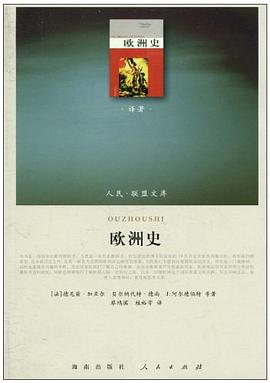
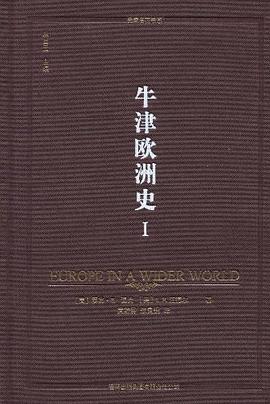
With Europe: A History, University of London professor Norman Davies has undertaken the near impossible: a synthetic one-volume overview of Europe from prehistory through the present. Remarkably, he has succeeded. Europe: A History is a conventional narrative, proceeding forward in time at a gradually decelerating pace. (The beginning covers millions of years of prehistory, while the final chapter discusses the 46 years between World War II and the book's publication.) But Davies's writing--vigorous, incisive, and confidently knowledgeable--carries the reader along, while the steady sweep of the main narrative is broken up by "capsules," boxed passages examining particular places, customs, or issues that cut across chronological lines. Davies, who has written two books on Polish history, also gives the eastern part of Europe its due coverage, unlike many of his predecessors, and manages to include commoners and the persecuted or ignored in his story along with the mighty and the royal. Europe: A History won't please everybody, but it's a highly intelligent, superbly readable overview that is certain to become a standard text. --This text refers to an out of print or unavailable edition of this title.
The pre-eminent scholar of Polish history, Davies (God's Playground and Heart of Europe) expands his focus to all of Europe. While the book is bulky, its size is hardly adequate to a complete history of the continent from pre-history to the dismantling of the Soviet Union. In addition, as one might expect, Davies has taken great pains to treat countries other than England, France and Germany as legitimate parts of Europe?not just as the thresholds over which barbarians crossed. ("For some reason it has been the fashion among some historians to minimize the impact of the Magyars," Davies writes when discussing what would become central Europe. "All this means is that the Magyars did not reach Cambridge.") The book works because his subject is not the constituent countries but the continent as a whole. Thus, while Elizabeth I gets one brief mention in passing, Aristide Briand, the French foreign minister who tried to effect a Franco-German reconciliation until the Nazis won power, gets several paragraphs. Aside from defining what Europe is and giving all countries their due, Davies also tries to show the joys of an inclusive reading of historical subjects (he disparages excessive specialization and writes admiringly of the Annales school). A master of broad-brushstroke synthesis, Davies navigates through the larger historical currents with the detail necessary to a well-written engaging narrative.
Copyright 1996 Reed Business Information, Inc. --This text refers to an out of print or unavailable edition of this title.
作者简介
Norman Davies C. M. G., F. B. A. is Professor Emeritus of the University of London, a Supernumerary Fellow of Wolfson College, Oxford, and the author of several books on Polish and European history, including God's Playground, White Eagle, Red Star, The Isles, Europe, and Microcosm.
目录信息
读后感
这部书阅读起来非常费力,绝对是挑战你的阅读神经。 本来作者写的时候就经常跳来跳去,更可恶的是中间会穿插很多知识点,而这些知识点其实和当前的内容没有多大的关联性。 实在是郁闷,先放弃。 以后要是再想去挑战的话,再说了。
这书的作者是英国人,又在波兰呆过,对俄罗斯好像有种天然的敌意,字里行间,从中世纪一直到1991年苏联解体无不是极尽贬抑之词。诺夫哥罗德比莫斯科好、列宁在他笔下简直和小胡子差不多,可能就比大斯好点。基本上如果一个没有接触过任何东西的人看了这本书,第一印象不是教皇...
读完这本书,改变了以前所谓“正史”灌输给我的不少观念。我在这里无意评论谁的观点更正确。仅从换一个角度看历史这一方面,这本书就值得一读。至少这本书给我们讲了一个与“正史”不同的欧洲。
读完这本书,改变了以前所谓“正史”灌输给我的不少观念。我在这里无意评论谁的观点更正确。仅从换一个角度看历史这一方面,这本书就值得一读。至少这本书给我们讲了一个与“正史”不同的欧洲。
转帖: 翻译质量太差2008-04-06 21:43:59 2bno1为此商品评分: 此书翻译质量实在不敢恭维,我甚至怀疑是用工具软件自动翻译的。如果是译者的能力问题,尚可让人理解,可现在感觉完全是态度问题。译者,校审,出版社,都没有百分之百尽到应尽之责,导致了一本好书翻译的语无...
用户评价
我尝试从一个纯粹的社会人类学角度来审视这本书,发现它提供了一份极其细致的、关于欧洲社会阶层变迁的非正式报告。它没有枯燥的数据图表,却通过无数生动的个体故事,勾勒出了从战前贵族到当代精英阶层、再到新移民群体的复杂互动网络。作者对于权力结构的微妙变化有着敏锐的洞察力,尤其是在描绘财富的转移和知识的代际更迭时,笔触细腻得令人不安。我特别留意了其中关于“礼仪”和“禁忌”的描写,这些看似无足轻重的行为准则,实际上是维护不同社会壁垒的无形工具。这本书的厉害之处在于,它让你在阅读一个浪漫爱情故事的同时,也能清晰地看到背后隐藏的财产继承法和婚姻策略。它揭示了“文明”的表象之下,依然涌动着古老而强悍的生存逻辑。这本书更像是社会学的田野调查报告,只不过它的工具不是问卷,而是文学的叙事。阅读它,就像是获得了一本未公开的、关于欧洲社会潜规则的秘密指南,让人在赞叹其深度的同时,也感到一丝寒意。
坦率地说,这本书的结构极其考验读者的耐心,它不是那种线性叙事的流畅体验,更像是一组碎片化的、色彩对比强烈的印象派画作的集合。我花了好几周的时间才勉强理清其中几个核心主题之间的隐秘联系。作者似乎刻意避免使用传统的章节划分,而是将叙事线索交织在一起,时空跳跃的幅度极大,前一页还在描绘中世纪的修道院生活,下一页便跃升至冷战后的柏林地下音乐场景。这种手法无疑极富艺术性,但也带来了巨大的阅读门槛,对于期望获得清晰历史脉络的读者来说,可能会感到迷失。我必须承认,我曾多次翻回目录,试图寻找一个可靠的锚点。然而,一旦你接受了这种“非结构”的叙事逻辑,你会发现它恰恰捕捉到了现代欧洲精神的本质——那种被不同时代、不同意识形态撕裂后,又试图在残骸中寻找新的意义的困境。它更像是一部诗集,而非历史著作,需要的是沉浸式的、甚至带有一点“被动接受”的心态去品味那些意象和象征的反复出现。
这本书的叙事节奏如同夏日午后的一场突如其来的雷阵雨,猛烈而让人措手不及。我原以为会是一部关于宏大历史叙事的厚重之作,却没想到它将笔触深入到了极其微小的人性肌理之中。作者对于细节的捕捉能力令人叹为观止,每一个场景的切换,都像是在播放一部精心剪辑的欧洲老电影,光影的斑驳、空气中弥漫的尘土味,甚至人物衣料的粗粝感,都扑面而来。我尤其欣赏它对“边缘人物”的刻画,那些在历史洪流中被遗忘的咖啡馆老板、深夜在街巷中游荡的流浪汉、以及那些在战后重建中默默无闻的女性。他们不是教科书上的名字,而是活生生的、充满矛盾和挣扎的个体。阅读的过程中,我时常需要停下来,不是因为情节的晦涩,而是因为那些瞬间的洞察力太过锐利,让我不得不审视自己对“欧洲精神”的既有认知。它没有提供任何简单的答案或清晰的路线图,反而更像是一面镜子,映照出这片大陆内在的复杂、纠结与永恒的魅力。这本书的价值,不在于它告诉了你什么,而在于它让你感受到了什么,那种深沉的、略带忧郁的美感,久久萦绕不去。
从语言学的角度来看,这本书的文字功力达到了令人咋舌的高度,它简直就是一场关于欧洲主要语言之间张力的精彩辩论。作者似乎拥有将德语的精确性、法语的韵律感和意大利语的热烈情感熔铸一炉的魔力。我读到那些描述城市光线的段落时,脑海中自动浮现出柔和的、略带黄色的光晕,那是只有在特定的地理环境中才能捕捉到的那种光。但这种文笔的繁复和华丽,有时也成了理解内容的阻碍。某些句子长得像是一条蜿蜒的河流,中间穿插着无数的从句和修饰语,每一次呼吸之间都需要重新定位主旨。我感觉作者的关注点更多地在于“如何说”,而非仅仅“说什么”。对于那些追求简洁明了的读者来说,这本书可能显得过于“矫饰”了。但如果你热爱文字本身的美感,愿意为了一个完美的比喻而耐心等待三页,那么这本书绝对会成为你书架上的珍藏。它挑战了我们对“可读性”的定义,将阅读变成了一种近乎体力上的耐力考验,而回报则是那些无与伦比的语言雕塑。
这本书最让我感到震撼的地方,在于它对“失落感”这一主题的深度挖掘。它不是一本歌颂欧洲辉煌的颂歌,恰恰相反,它充满了对逝去时代、消逝信仰和被遗忘的集体记忆的哀悼。我读到关于二战后那些被刻意抹去的历史印记,以及当代社会中弥漫的、对身份认同的焦虑时,感到一种深切的共鸣。作者巧妙地利用了建筑、音乐和饮食这些文化符号,来象征这种断裂。例如,对某一座被拆毁的教堂遗址的描写,表面上是关于砖石的描述,实则是在探讨信仰真空下的精神流离。这种叙事处理得非常克制,没有煽情的泪水,只有一种冷静的、近乎冰冷的观察,但正是这种克制,使得那种“失落”的情绪更加具有穿透力。它迫使读者去思考,在一个高度全球化、文化同质化的时代背景下,我们正在以何种速度失去那些独特的、地域性的“灵魂”。这本书读完后,我望向窗外,感觉整个世界的色彩都黯淡了几分,那是一种对“不复返”的清醒认知带来的沉重。
看了一点中文版的,翻译的一般,导致一本好书差点就被扔在一边。找来英文版读 and then finish off with great satisfaction!!!! Love it!
2 months to struggle through the first half of it with numerous side readings, another 1 month to finish off with great satisfaction..
作者研究斯拉夫人出生,是部真正意义上的欧洲史;但火候还是差了点。
看了一点中文版的,翻译的一般,导致一本好书差点就被扔在一边。找来英文版读 and then finish off with great satisfaction!!!! Love it!
2 months to struggle through the first half of it with numerous side readings, another 1 month to finish off with great satisfaction..