具体描述
台灣的民間信仰為本土文化發展最蓬勃而迅速的一項,也最能呈現當代人民的生活風貌。
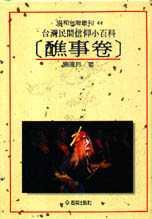
醮典是民間最重要的祭祀活動。但由於其特定的儀式需要專業人士主持,一般民眾較難了解。本卷收錄的,包括醮祭種類、醮場設施、醮祭科儀、送王船大典與法場設施等五個單元,介紹台地各種醮事祭祀:如醮典、法會、法場祭儀等;祈安醮、慶成醮、王醮等設施;並詳述各種不同的科儀,送王船獨特的祭典儀式;大體包括了醮典所有的重要事宜。
透過本書,希望能拋磚引玉,使更多朋友關心本土文化。
《台灣民間信仰小百科:醮事卷》 一本深入探索台灣民間信仰重要儀式「醮事」的百科全書 台灣民間信仰 is not merely a collection of deities and temples; it is a vibrant, living tapestry woven from intricate rituals, profound beliefs, and the collective spirit of its people. Among these rich traditions, the practice of "醮事" (jiào shì) stands out as a cornerstone, embodying a complex and deeply meaningful array of ceremonies that have shaped Taiwanese society for centuries. This meticulously researched encyclopedia, 《台灣民間信仰小百科:醮事卷》, serves as an indispensable guide for anyone seeking to understand the multifaceted world of Taiwanese ritualistic practices. Beyond the Surface: Unveiling the Depth of 醮事 Often perceived as mere religious observances, 醮事 are in fact sophisticated systems of communication with the divine, expressions of community solidarity, and vital mechanisms for maintaining cosmic and social order. This volume moves beyond superficial descriptions, delving into the historical origins, theological underpinnings, and practical manifestations of various 醮事. It aims to illuminate the profound significance of these rituals, revealing how they continue to resonate with the lives of ordinary Taiwanese people. A Comprehensive Exploration of Diverse 醮事 Practices The encyclopedia meticulously categorizes and explains a wide spectrum of 醮事, ensuring that readers gain a holistic understanding of this complex subject. Each entry is crafted with clarity and detail, providing a gateway to a deeper appreciation of these spiritual traditions. Within its pages, you will discover: The Fundamental Concepts of 醮事: A foundational section unravels the core principles behind 醮事, exploring their purpose, symbolism, and the underlying philosophical and cosmological frameworks that inform them. This includes discussions on concepts such as "祈福" (qí fú - praying for blessings), "禳解" (ráng jiě - warding off misfortune), "謝神" (xiè shén - thanking the deities), and "超度" (chāo dù - spiritual salvation). The Diverse Typology of 醮事: The book systematically introduces and explains the different types of 醮事 prevalent in Taiwan. This includes, but is not limited to: 建醮 (jiàn jiào): Grand ceremonies held for significant occasions such as temple construction or renovation, the establishment of new altars, or the consecration of deities. These often involve elaborate processions, offerings, and performances, signifying a collective undertaking of great spiritual importance. 祈安醮 (qí ān jiào): Rites focused on seeking peace, prosperity, and good fortune for the community. These are frequently performed to ward off natural disasters, epidemics, or other calamities, underscoring the role of 醮事 in community well-being. 瘟醮 (wēn jiào): Ceremonies specifically dedicated to appeasing and pacifying deities associated with pestilence and disease. These rituals are deeply rooted in the historical experience of facing outbreaks and highlight the community's efforts to seek divine intervention and protection. 禳解醮 (ráng jiě jiào): Rituals designed to dispel evil influences, negate negative energies, and avert misfortune. This often involves specific prayers, incantations, and symbolic actions to cleanse and purify the community. 謝燈醮 (xiè dēng jiào): Ceremonies conducted to express gratitude to deities, often following the successful conclusion of a previous ritual or at the end of a specific period, such as the lunar new year. 超拔醮 (cháo bá jiào): Rites aimed at guiding the souls of the deceased to a better afterlife. These rituals underscore the profound respect for ancestors and the belief in the continuity of spiritual existence. 科儀 (kē yí): A detailed examination of the specific ritual procedures and sequences employed in various 醮事. This includes the recitation of scriptures, the performance of sacred dances, the arrangement of offerings, and the role of Taoist priests and other ritual specialists. The Central Figures in 醮事: The encyclopedia sheds light on the key participants and orchestrators of these ceremonies. This includes: 主醮壇 (zhǔ jiào tán): The principal altar or temple where the main ceremonies are conducted, often considered the spiritual heart of the event. 道士 (dào shì): Taoist priests and masters of ritual, whose expertise in chanting, performing rites, and invoking deities is crucial to the efficacy of 醮事. Their roles, attire, and the significance of their incantations are explored in depth. 壇生 (tán shēng): Lay devotees and volunteers who actively participate in the preparation and execution of 醮事, representing the collective effort and commitment of the community. 值年爐主 (zhí nián lú zhǔ): The principal caretaker of the incense burner for a specific year, signifying their esteemed role in overseeing the spiritual affairs of the community. The Essential Elements and Symbolism: A significant portion of the book is dedicated to deconstructing the intricate symbolism embedded within each aspect of 醮事. Readers will gain an understanding of: 法器 (fǎ qì): The sacred implements used in rituals, such as bells, drums, swords, and seals, and the specific energies and purposes they represent. 符籙 (fú lù): Taoist talismans and charms, their design, inscription, and their role in invoking divine power and protection. 科儀音樂 (kē yí yīn yuè): The chanting, singing, and instrumental music that accompanies 醮事, and their significance in creating a sacred atmosphere and communicating with the divine. 陣法 (zhèn fǎ): The ritualistic arrangements and formations employed in ceremonies, often representing cosmic patterns or spiritual fortifications. 祭品 (jì pǐn): The diverse array of offerings made to deities, from food and fruits to symbolic objects, and the meanings behind their selection. Regional Variations and Evolution: Recognizing that 醮事 are not monolithic, the encyclopedia acknowledges and explores the regional variations and historical evolution of these practices across different parts of Taiwan. This highlights the dynamic nature of folk religion and its adaptation to local customs and beliefs. The Social and Cultural Impact: Beyond their religious significance, 醮事 play a crucial role in fostering community cohesion, reinforcing cultural identity, and providing a framework for social interaction. The book examines how these rituals serve as gatherings for families, neighbors, and entire villages, strengthening the social fabric. A Resource for All 《台灣民間信仰小百科:醮事卷》 is an invaluable resource for a wide audience. For scholars and researchers, it offers a wealth of detailed information and nuanced analysis. For students of religion and cultural studies, it provides a comprehensive introduction to a vital aspect of Taiwanese heritage. For practitioners and devotees, it offers deeper insights into the traditions they uphold. And for the curious general reader, it opens a window into a fascinating and enduring world of spiritual practice. This encyclopedia is more than just a collection of facts; it is an invitation to engage with the heart of Taiwanese folk belief, to understand the profound connections between the human and the divine, and to appreciate the enduring legacy of 醮事 in shaping the spiritual and cultural landscape of Taiwan.