
具体描述
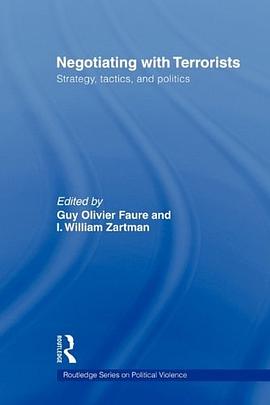
This edited volume addresses the important issue of negotiating with terrorists, and offers recommendations for best practice and processes. Hostage negotiation is the process of trying to align two often completely polarised parties. Authorities view hostage taking as unacceptable demands made by unacceptable means. However terrorists view their actions as completely justified, even on moral and religious grounds. If they are to try and reconcile these two sides, it is essential for hostage negotiators to understand terrorist culture, the hostage takers' profiles, their personality, their view of the world and also the authorities, their values and their framing of the problem raised by the taking of hostages. Although not advocating negotiating with terrorists, the volume seeks to analyse when, why, and how it is done. Part I deals with the theory and quantifiable data produced from analysis of hostage situations, while Part II explores several high profile case studies and the lessons that can be learnt from them. This volume will be of great interest to students of terrorism studies, conflict management, negotiation, security studies and IR in general. I William Zartman is the Jacob Blaustein Distinguished Professor Emeritus of International Organization and Conflict Resolution and former Director of the Conflict Management and African Studies Programs, at the Paul H. Nitze School of Advanced International Studies, Johns Hopkins University, Washington, DC. He is a member of the Steering Committee of the Processes of International Negotiation (PIN) Program at the International Institute of Applied Systems Analysis (IIASA) in Laxenburg, Austria. He is author/editor of over 20 books on negotiation, conflict and mediation. Guy Olivier Faure is Professor of Sociology at the Sorbonne University, Paris I, and a member of the Steering Committee of the Processes of International Negotiation (PIN) Program at the International Institute of Applied Systems Analysis (IIASA) in Laxenburg, Austria. He has served as an advisor to French government on hostage negotiations.
作者简介
Guy Olivier Faure is Professor of Sociology at the Sorbonne University, Paris V, and a member of the Steering Committee of the Processes of International Negotiation (PIN) Program at the International Institute of Applied Systems Analysis (IIASA) in Laxenburg, Austria. He has served as an advisor on hostage negotiations. He has authored and co-authored fifteen books on negotiation and conflict resolution. His works have been translated into twelve languages. I. William Zartman is the Jacob Blaustein Distinguished Professor Emeritus of International Organization and Conflict Resolution and former Director of the Conflict Management and African Studies Programs, at the Paul H. Nitze School of Advanced International Studies, Johns Hopkins University, Washington, DC. He is a member of the Steering Committee of the Processes of International Negotiation (PIN) Program at the International Institute of Applied Systems Analysis (IIASA) in Laxenburg, Austria. He is author or editor of over twenty books on negotiation, conflict, and mediation.
目录信息
读后感
2001年的9·11事件彻底打破了原有的世界格局。在国际政治的雷区,打击恐怖主义所带来的挑战日渐清晰而又真切。中欧国际工商学院客座教授居伊·奥立维·福尔(Guy Olivier Faure)将为您拨开迷雾,在他的新书《谈判专家:面对恐怖分子的战略、战术与政策》一书中就这一热点话题展...
2001年的9·11事件彻底打破了原有的世界格局。在国际政治的雷区,打击恐怖主义所带来的挑战日渐清晰而又真切。中欧国际工商学院客座教授居伊·奥立维·福尔(Guy Olivier Faure)将为您拨开迷雾,在他的新书《谈判专家:面对恐怖分子的战略、战术与政策》一书中就这一热点话题展...
2001年的9·11事件彻底打破了原有的世界格局。在国际政治的雷区,打击恐怖主义所带来的挑战日渐清晰而又真切。中欧国际工商学院客座教授居伊·奥立维·福尔(Guy Olivier Faure)将为您拨开迷雾,在他的新书《谈判专家:面对恐怖分子的战略、战术与政策》一书中就这一热点话题展...
全球化时代,恐怖事件正前所未有地向人们靠近,它极大地改变着现代战争的方式,而如何与恐怖分子打交道,对于国际影响与日俱增的中国来说,已成为一门必修课。 恐怖分子来自不同的文化背景,有独特的组织形态,利益诉求多元,此外他们总是处于高度紧张中,这意味着,事态随时...
2001年的9·11事件彻底打破了原有的世界格局。在国际政治的雷区,打击恐怖主义所带来的挑战日渐清晰而又真切。中欧国际工商学院客座教授居伊·奥立维·福尔(Guy Olivier Faure)将为您拨开迷雾,在他的新书《谈判专家:面对恐怖分子的战略、战术与政策》一书中就这一热点话题展...
用户评价
这本书的叙事节奏处理得非常高明,它如同一个精密的钟表,滴答作响,分秒必争,却又留足了留白供读者进行深度思考。在描述一些关键的“转折点”事件时,作者采用了多线叙事的手法,将幕后情报部门的密谋、前线指挥官的决策失误以及受害者家属的无声抗议并置,营造出一种全景式的紧张感。这种多维度的视角,有效地避免了将议题简单地二元化——即“好人”与“坏人”的对立。相反,它将焦点引向了决策过程中的系统性缺陷以及信息链条的断裂。对于那些对国际关系史略有涉猎的读者来说,书中对过往失败案例的重新解读,提供了许多令人耳目一新的洞察。例如,作者如何论证某些看似成功的“强硬立场”背后,其实埋下了未来更大危机的伏笔,这种辩证性的历史观,极大地提升了本书的思辨价值。
这本书的封面设计着实吸引人,那种深沉的蓝与偶尔跳跃出的暗红色调,仿佛预示着一场在道德与现实边缘的艰难抉择。我是在一个阴雨连绵的周末开始阅读的,最初的几页,作者就以一种近乎冷酷的笔触,勾勒出了一个令人不安的场景——在一个国际危机爆发的背景下,决策者们围坐在密不透风的会议室里,空气中弥漫着咖啡的苦涩和无声的焦虑。我特别欣赏作者对“斡旋”这一行为的细致解构,它不是简单的讨价还价,而是一场涉及文化差异、历史宿怨和个人心理极限的复杂博弈。作者没有急于给出任何道德上的判断,而是将焦点置于程序、沟通的障碍以及权力动态的微妙变化上。书中的案例分析,无论是对过去历史事件的引用,还是对当前地缘政治热点的影射,都显得十分扎实,每一个引述的数据和引文都经过了精心的筛选和考量,让人不禁停下来,思考这些看似遥远的冲突是如何在微观层面上影响着每一个相关个体的命运。那种抽丝剥茧的叙事方式,让人感觉自己仿佛也参与了那些高风险的谈判桌前,感受着每一步决策背后沉重的分量。
如果要用一个词来概括这本书带给读者的感受,那可能是“清醒”。它毫不留情地剥离了关于国际安全话题中常见的理想主义滤镜,直面那些令人不适的真相:即在某些情况下,最小的恶往往是唯一的选择。我尤其欣赏作者在处理道德困境时的那种冷静的、近乎学术的疏离感,这使得书中提出的任何激进观点都显得有理有据,而非单纯的情绪宣泄。书中关于“信息不对称”如何被用作谈判工具的分析,给我留下了深刻的印象——如何精准地控制信息流,使对手误判己方的底线,或者夸大己方的行动能力。这种对认知战和心理博弈的精细描摹,让这本书不仅具有很强的时事性,更具有跨越时代的指导意义。合上书卷时,我感到的是一种沉重的知识负担,因为它告诉你,真正的“胜利”可能并非是我们想象中的彻底压倒对方,而是在泥泞中找到一个相对可持续的平衡点,代价之高昂,令人深思。
这本书的学术深度和对实践操作的关注点达到了一个罕见的平衡点。它不仅仅是一本理论探讨,更像是一本为高级政策制定者准备的“操作手册”的理论前言。作者对不同文化背景下谈判策略差异的对比分析,尤其精彩。比如,书中对比了西方强调的“明确性”和某些东方文化中更偏好的“间接性”在危机解决过程中的冲突与融合。这让我意识到,许多看似僵持不下的局面,其根源可能仅仅是不同“交流语境”的碰撞。此外,作者对“可信度”的构建和维护在长期对抗中的重要性进行了长篇论述,展示了如何通过一系列精心设计的、看似不相关的行动,来逐步建立或摧毁对手对己方的认知模型。这种对全局观和细节操作的掌控,让这本书的阅读体验远超一般的政治分析读物。它迫使我从一个更宏观、更具结构性的角度去审视国际冲突的解决机制。
阅读过程中,最让我感到震撼的是作者对“人性”这一核心要素的深刻挖掘。书中描绘的那些非国家行为体(Non-State Actors)的内部运作逻辑,颠覆了我以往对“恐怖分子”这一标签的刻板印象。作者似乎花费了大量篇幅去探究驱动这些组织行动的内在动机,这并非是为他们的行为开脱,而是试图理解一种在极端意识形态下扭曲的理性。他们如何进行组织管理?他们的资源筹集网络是怎样的?更重要的是,在他们看似铁板一块的对外形象下,个体成员的恐惧、忠诚与背叛又是如何交织的?书中穿插的那些“内部视角”的描述,虽然可能是基于高度敏感的情报重建,但其细节的真实感令人不寒而栗。我尤其对其中关于“信号传递”的章节印象深刻,如何在模糊不清的信息和相互猜忌的环境中,辨别出对方释放出的真正意图的微小信号,这简直是一门精妙而残酷的心理学艺术。这本书的文字风格是内敛而克制的,但在这种克制之下,涌动着对人类在极端压力下行为模式的深沉思考。