
具体描述
作者简介
目录信息
Unit One Reservation
1. Accepting a Long Distance Call Reservation
2. Accepting a Booking in Person
3. Accepting a Group Reservation
4. Refusing a Reservation
5. Inquiring about the Room Rate
6. Accepting a Reservation for V. I. P
Useful Expressions
Unit Two Registration
1. Registering a Guest Who Has a Reservation
2. Registering a Walk-in Guest
3. Helping to Fill in the Registration Form
4. Registering a Tour Group
5. Registering a Group of Guests at the Fair '"
6. Dealing with a Reservation Mix-up
7. Dealing with a Late Guest
8. Recommending Another Hotel for the Guest
9. Rearranging a Room for the Guest
10. Extending a Reservation for Two Days
11. Paying 50% charge on an Extension for Half
a Day
12 Changing Rooms
Useful Expressions
Unit Three Luggage Service
1. Bringing the Guest to the Front Desk
2. Showing the Guest to His Room
3. Introducing the Room Facilities
4. Running on Errands for the Guest
5. Delivering Bags to the Guest' s Room
6. Getting down the Luggage for the Guests When
They Leaves
Useful Expressions
Unit Four Information
1. Inquiring a Guest
2. Visiting Someone at the Hotel
3. Leaving a Message for the Guest
4. Paging the Guest for the Visitor
5. Leaving a Message for the Visitor
6. Delivering the Key When the Guest Returns
7. Booking a Plane Ticket
8. Booking Play Tickets
9. Recommending Places of Interest
10. Introducing Spicy Chinese Dishes
11. Inquiring about the Hours at the Restaurants
12. Inquiring about Entertainment in the Hotel
13. Inquiring about the Night Club
14. Checking the Luggage
15. Claiming the Luggage
Useful Expressions
Unit Five Switchboard
1. Answering an Outside Call
2. Taking a Message fbr the Caller
3. Answering a Call from the Guest Room
4. Askihg for a 'Morning Call
5. Making an Overseas Call
6. Making a Domestic Call
Useful Expressions
Unit SixThe Cashier
1. Changing Money
2. Offering OneWay Change Only
3. Explaining Change Limit during Night Hours
4. Explaining a Credit Limit
5. Checking Out in Cash
6. Checking Out by Traveller's Cheques
7. Explaining an Itemized Bill
8. Miscalculating
9. Making Two Separate Bills for the Guest
Useful Expressions
Unit Seven Business Center
1. Having Copies Made
2. Having Visiting Cards Printed
3. Tpying Documents for the Guest
4. Sending a Fascimile
5. Lending Printer to the Guest
6. Making an Overseas Distance Call
Use ful Expressions
Unit Eight Guests' Complaints
1. Complaining about the Noise
2. Complaining about the Intolerable Condition
3. Moving the Guest to Another Room
4. Complaining about the Delay of the Luggage
5. Complaining about the Missing of a Necklace
6. Complaining about the Slow Service
Useful Expressions
Part Two Housekeeping Department
Unit One Chamber Service
1. Making up the Room
2. Helping Guest to Solve Problems
3. Providing Turn-down Service
Useful Expressions
Unit Two Room Service
1. Inquiring about Room Service
2. Asking for Room Service
3. Getting Some Drinks and Refreshments for the
Guests
Useful Expressions
Unit Three Laundry Service
1. Explaining the Laundry Service to the Guest
2. Accepting Laundry with Special Requirements
3. Asking for the Express Service
4. Delivering the Laundry to the Guest' s Room
5. Asking for Mending Service
6. Inquiring about Laundry
Useful Expressions
Unit Four Convention Service
1. Renting Convention Facilities
2. Checking Convention Facilities
3. Testing Convention Facilities
Uint Five Miscellanous Services
1. Providing Baby-sitting Service
2. Providing Extended Service
3. Providing Shoe-shining Service
4. Dealing with an Emergency
5. Arranging a Cocktail Party for the Guest
6. Solving a Damage Problem
7. Inquiring after a Guest
8. Congratulating a Guest on Her Birthday
9. Taking Care of the Patient
Useful Expressions
Part Three Food and Beverage Department
Unit One Making Reservation in a Restaurant
1. Reserving a ?'able in a Restaurant
2. Accepting a Reservation with Special Requirements
3. Refusing a Reservation
Useful Expressions
Unit Two Receiving Guests
1. Seating the Guest Who Has a Reservation
2. Seating the Guest without a Reservation
3. Waiting for Seats
4. Sharing the Table
5. Receiving a Delegation
6. Receiving a Tourist Group
Useful Expressions
Unit Three Taking Orders
1. Ordering Chinese Breakfast
2. Ordering Western Breakfast
3. Taking Orders for Chinese Food
4. Taking Orders for Western Food
5. Recommending Today' s Speciality
6. Introducing Chinese Food
7. Taking Orders for Wine
8. Suggesting Table D' Hate
9. Recommending Sweets and Fruit
Useful Expressions
Unit Four Serving Dishes
1. Misserving
2. Speeding up the Dish
3. Refusing to Change the Dish
Useful Expressions
Unit Five Paying the Bill
1. Going Dutch
2. Charging More
3. Signing the Bill
Use full Expressions
Unit Six At Buffet and Snack Bar
1. Giving Information about a Buffet
2. Talking about Buffet Hot Pot Dish
3. Having a Meal in a Snack Bar
Unit Seven At the Bar
1. Serving Drinks
2. Talking about Chinese Wines
3. Mixing Cocktails
Useful Expressions
Unit Eight Coffee Shop
1. Having Something at the Coffee Shop
2. Waiting for Someone
3. Trying Chinese Dim Sum
Unit Nine Room Service
1. Asking fora Room Service
2. Sending Food to the Guest Room
3. Ordering Snacks and Drinks
Useful Expressions
Unit Ten Settling Complaints
1. Complaining about the Steak
2. Complaining about the Shrimps
3. Complaining about the Dining-room
Useful Expressions
Part Four Shopping Arcade
Unit One Textiles and Knitwear Department
1. Buying a Sweater
2. Buying an Embroidered Silk Blouse
3. Buying a Carpet
Useful Expressions
Unit Two Arts and Crafts Department
1. Buying Some Porcelain
2. Buying Some Jadeware
3. Buying Some Cloisonne
4. Buying Some Seals
5. Buying a Painting
6. Buying Writing Brushes and Inkstones
Useful Exprssions
Unit Three Pharmacy and Foodstuff Department
1. Buying Chinese Medicine
2. Buying Some Chinese Pastry
3. Buying Some Chinese Wine
Useful Expressions
Unit Four Native Produce Department
1. Buying Some Jinghua Ham.
2. Buying Some Chinese Tea
3. Buying Some Dried Bamboo Shoots
Useful Expressions
Part Five For Other Departments
Unit One The Beauty Center
1. At the Barber' s
2. At the Hairdresser
3. Special Requirements with the Barber
Useful Expressions
Unit Two The Recreation Center
1. In the Chess and Cards Room
2. In the Kalaoke Hall
3. In the Ballroom
4. In the Music Teahouse
5. At the Night Club
6. In the Billiard Room
7. In the Electron Game Room
8. In the Bowling Room
9. In the Bar
Useful Expressions
Unit Three The Fitness Center
1. At the Health Club
2. At the Sauna Center
3. At the Indoor Swimming Pool
4. In the Indoor Skating Rink
5. At the Tennis Court
6. In the Squash Rackets Room
Useful Expresseions
· · · · · · (收起)
读后感
用户评价
对于我这种自学能力比较强,但缺乏实际口语环境的人来说,一本好的教材的价值就在于它的“真实性”和“系统性”。这本书在“系统性”上做得尤为出色。它不是零散的句子堆砌,而是按照一个客人从踏入大堂到退房离开的完整时间轴来组织的。比如,入住流程结束后,它无缝衔接到了“楼层服务与客房内沟通”,再到“餐饮预定与特殊活动安排”。这种结构非常有利于学习者建立起完整的业务流程概念。更让我惊喜的是,它对“危机公关”这一块的讲解。在描述如何处理客人对房间卫生或噪音的不满时,书中强调的不仅仅是道歉,更重要的是快速响应和提供补偿措施。它甚至提供了一份简化的“投诉升级流程图”,并标注了在每一步中,应该使用什么级别的语言进行沟通。这让学习者明白,语言不仅仅是交流工具,更是管理和解决问题的利器。这本书的深度,已经超越了一般的外语学习范畴,更像是一本结合了跨文化交际和客户关系管理的专业教材。
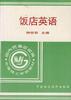
这本《饭店英语》的书,我拿到手的时候,心里其实是抱着挺大的期望的。毕竟,在旅游业或者酒店服务行业里混,一口流利的英语简直是必备的技能。我翻开第一页,就被它那种务实到近乎“操作手册”的风格给吸引住了。它不像某些语言书那样,上来就给你一堆枯燥的语法规则,而是直接切入主题,比如“如何办理入住手续”、“客房服务请求的处理”,甚至连“处理客人的投诉”这种棘手的场景,书里都给出了非常具体、地道的表达方式。我记得有一章专门讲餐饮服务的,详细列出了从点单、推荐酒水到结账的全套流程对话,每一个步骤都配有标准美式和英式的发音提示,这对于我这种口音不太标准的人来说,简直是福音。书中还穿插了一些“文化小贴士”,比如在不同国家,对小费的理解和表达方式有什么区别,服务员应该如何使用更得体的肢体语言,这些细节的处理,真的体现了作者对一线工作的深刻理解。我个人最欣赏的是它提供的“场景模拟演练”,很多句子都是可以直接套用在实际工作中的,读完以后,感觉自己像是在一个真实的五星级酒店里实习了一遍。唯一的遗憾可能是在网络时代的背景下,关于线上预订和社交媒体沟通的案例稍微有点少,但瑕不掩瑜,对于提升日常服务用语的专业度和流畅性来说,这本书绝对是教科书级别的存在。
说实话,我买书的标准很高,尤其对这种技能型的工具书。我之前也看过几本类似的“职场外语”书籍,很多都停留在“Hello, how may I help you?”这种基础的层面,深度不够。但《饭店英语》这本书给我的感觉完全不同,它就像一个经验丰富的前辈,手把手地教你如何优雅地应对各种突发状况。我特别留意了它在处理“特殊需求”那部分的措辞。比如,客人需要加床、需要更改预订时间,或者对房间的设施提出异议时,书里提供的回复不仅仅是“Yes”或“No”那么简单,而是教会你如何使用缓冲词和委婉的表达,最大限度地维护客人的尊严和酒店的形象。比如,当房间暂时满员时,它教你用“While I check our system for further availability, may I offer you a complimentary beverage in the lobby?”来替代生硬的拒绝。这种语言的艺术,才是真正区分“服务员”和“优秀服务专家”的关键。而且,这本书的排版设计也非常人性化,关键术语和常用短语都有用粗体或者不同的颜色标示出来,即便是快速翻阅查找时也能一目了然。它的词汇量覆盖面很广,从前台的行政术语到客房服务的专业名词,都覆盖得非常全面,我感觉自己的专业词汇量因此暴涨了不少。
这本书的阅读体验,如果用一个词来形容,那就是“高效”。我平时工作非常忙,没有太多时间进行长时间的系统学习,所以更偏爱那种可以随时拿起、随时放下,并且每次都能有所收获的资料。《饭店英语》恰好满足了这一点。它的小标题和板块划分非常清晰,我可以根据自己当天需要复习的业务模块(比如“行李服务”或“紧急情况处理”),直接定位到相应的章节,快速浏览和记忆关键短语。书中的语言组织非常简洁明了,几乎没有冗余的文字,每一个单词的选择都充满了服务行业的精确性。我尤其喜欢书中对“积极语言”的强调。它总是鼓励我们使用“We can do this for you”而不是“We cannot do that”,这种语言上的积极导向,潜移默化地影响了我的服务心态。总而言之,这本书不仅是提升英语技能的工具,更像是一本关于“如何以专业形象示人”的隐形指南。对于任何想在高端服务业有所建树的人来说,它都是一本不可多得的“案头必备良书”。
我向来认为,语言学习最怕的就是“纸上谈兵”,而《饭店英语》这本书巧妙地避免了这一点。它的每个章节后面都附带了大量的“情景对话练习”,这些练习的设计非常巧妙,不是简单的填空,而是让你根据情境,自己组织完整的回复。比如,它会设定一个场景:“一位持特殊饮食要求的客人要求更改晚餐菜单,而厨师长此时正在休息,请你如何处理?” 这种开放式的练习,强迫读者调用书中学到的所有句型和策略,进行创造性的表达。另外,这本书的音频资料(虽然我是在电子版上使用的,但可以推测纸质版附带的光盘内容)的录音质量非常高,发音清晰、语速适中,非常适合反复模仿。我发现,很多英语为母语的人在酒店工作时,也会下意识地使用书中介绍的那些非常“得体”的表达方式,这足以证明其内容的权威性。它教会了我如何用一种更具“职业素养”的方式去说话,而不是仅仅停留在“能听懂”的层面。这种从“生存口语”到“专业交流”的跨越,是这本书最大的价值所在。