
具体描述
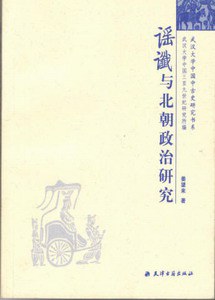
《谣谶与北朝政治研究》,本书主要内容包括:导论、谣谶、佛道之争与高齐政治、谣谶、山东地域势力与北朝政治等。姜望来的这本《谣谶与北朝政治研究》拟以北朝时期某些重要谣谶为切入点,具体探析其政治、宗教、社会内涵及其深刻影响;透过相关谣谶之政治文化含义,进一步考察这一历史时期政权嬗替、佛道之争、地域势力变迁以及北朝整体政治进程的内在线索与规律。
作者简介
目录信息
第一节 选题旨趣
第二节 学术史回顾与反思
第三节 研究思路
上编 谣 谶、佛道之争与高齐政治
第一章 论“永宁见灾”
第一节 “永宁见灾”谣言之含义与形成背景
第二节 “永宁见灾”谣言与魏末僧徒之政治动向
小结
第二章 论“亡高者黑衣”
第一节 黄黑之谶与东西魏政治
第二节 黑衣之谶与周齐政治
小结
第三章 论“四七之期必尽”
第一节 “四七之期必尽”谶言之含义与形成背景
第二节 “四七之期必尽”谶言与佛道之争之关系
第三节 “四七之期必尽”谶言之影响
小结
第四章 高齐皇室与佛道
第一节 高齐皇室与佛教
第二节 高齐皇室与道教
第三节 道教造像所见道教在东魏北齐之变迁
小结
第五章 方术之士与高齐政治
第一节 高氏前期对方术之士之利用
第二节 高氏后期与方术之士关系之恶化
小结
下编 谣谶、山东地域势力与北朝政治
第六章 论“上党有天子气”--兼论高齐氏族问题之一
第一节 “上党有天子气”谶言兴起之社会政治背景
第二节 “上党有天子气”谶言与高齐氏族问题
小结
第七章 论“齐当兴,东海出天子”--兼论高齐氏族问题之二
第一节 “东海出天子”谶言源流、影响及与佛道之关系
第二节 “东海出天子”谶言与高齐氏族问题
小结
第八章 论“儿当大贵,从东国来”--兼论杨隋氏族问题
第一节 “儿当大贵,从东国来”谶言与佛教之关系
第二节 ”儿当大贵,从东国来”谶言与山东地域势力之关系
第三节 “儿当大贵,从东国来”谶言与杨隋氏族问题
小结
第九章 论“白衣天子出东海”
第一节 “白衣天子出东海”谶言与佛教之关系
第二节 “白衣天子出东海”谶言与李唐之兴起
小结
第十章 邺城谣谶与北朝政治社会变迁
第一节 迁邺迁洛之争与谣谶
第二节 邺城谣谶与东魏北齐政局
第三节 邺城谣谶兴盛之原因与“邺都难治”问题
小结
综论:谣谶与北朝政治进程及北朝谣谶之思想、政治、社会基础
附录
高洋所谓“殷家弟及”试释
魏周禅代与山东势力之形成
参考文献
· · · · · · (收起)
读后感
用户评价
这本书简直打开了我对北朝历史认知的一扇新大门。我一直觉得北朝那段历史,很多地方都显得扑朔迷离,充满了各种说不清道不明的因素。而《谣谶与北朝政治研究》这本书,恰恰就抓住了这些“说不清道不明”的关键点,并将其上升到了学术研究的高度。作者对于“谣谶”这一概念的定义和界定,就非常有启发性。我之前从未想过,那些民间流传的、看似荒诞不经的谣言,竟然在古代的政治斗争中扮演着如此重要的角色。作者通过大量的史实考证,向我们展示了谣谶是如何在特定的历史条件下,成为一种能够影响政治格局、甚至改变历史走向的特殊力量。书中对不同时期、不同政权所面临的谣谶问题的分析,都显得非常到位。我特别喜欢作者在探讨某些具体谣谶时,那种抽丝剥茧、层层递进的分析方法。他不仅仅是告诉我们某个谣谶是什么,更重要的是,他去解释这个谣谶为什么会出现,它又是如何被不同的人群所解读和利用的。这种深入的挖掘,让我对北朝政治的理解,不再停留在表面的权力争夺,而是看到了更深层次的社会心理和文化动因。这本书的阅读过程,对我来说,是一次智识上的愉悦体验,它让我看到了历史研究的另一种可能性,也让我对北朝那段跌宕起伏的历史,有了更加立体和深刻的认识。
A truly groundbreaking work that delves into the underbelly of Northern Dynasties politics, a period often characterized by upheaval and competing claims to legitimacy. "Rao Chan and Northern Dynasties Political Research" is not for the faint of heart; it requires a reader willing to engage with nuanced arguments and meticulously analyzed primary sources. My initial encounter with the concept of "yao chan" in historical contexts was largely superficial, confined to tales of ancient prophecies and omens. However, this book elevates the study of these phenomena to an entirely new level. The author masterfully illustrates how rumors and prophecies were not merely passive reflections of societal anxieties but actively shaped political discourse and action. The detailed examination of specific cases, where the author demonstrates how certain prophecies were strategically disseminated and interpreted to either bolster or undermine ruling regimes, is utterly compelling. It reveals a sophisticated understanding of propaganda and psychological warfare as integral components of political maneuvering. I found myself constantly re-evaluating my understanding of events, realizing that the overt political actions were often preceded or accompanied by a subtle yet powerful currents of belief and expectation, expertly manipulated through these rumors. The book’s strength lies in its ability to synthesize disparate historical fragments – court records, anecdotal accounts, and even fragments of oral traditions – into a coherent narrative of how political power was contested and maintained through a complex interplay of tangible force and intangible influence. This is a book that will undoubtedly provoke extensive discussion and further research within the field.
这本书为我理解北朝那段复杂而充满魅力的历史,提供了一个全新的、极为重要的维度。在此之前,我阅读的北朝史著作,大多聚焦于军事、制度、或者主要人物的传记,对于那些“看不见”的因素,如民间的思潮、社会心理的变化,往往着墨不多。而《谣谶与北朝政治研究》这本书,恰恰将目光投向了这些“看不见”的领域,并以“谣谶”为切入点,进行了深入而细致的学术探讨。作者并没有把谣谶简单地视为一种社会现象,而是将其置于北朝政治斗争的宏大背景下,去考察它所扮演的实际角色。我印象最深刻的是,作者通过对大量史料的梳理和分析,证明了谣谶不仅仅是民间零星的传说,而是能够被有意识地制造、传播,并被政治力量所利用的。书中对不同时期、不同政权在应对谣谶时的不同策略,以及谣谶本身如何演变、如何被解读的分析,都显得尤为精彩。它让我看到了,在那些激烈的权力斗争背后,还存在着一场关于人心、关于信仰、关于“合法性”的隐性较量,而谣谶正是这场较量的重要战场之一。阅读这本书,就像是在一层层剥开历史的真相,看到了那些隐藏在表面之下的复杂运作机制。它极大地丰富了我对北朝政治的认知,也让我更加理解历史的深刻性和多面性。
这本书就像一把锋利的解剖刀,精准地剖析了北朝政治背后那些常被忽视的“软实力”。在此之前,我阅读北朝史,总是聚焦于那些惊心动魄的军事冲突、朝堂上的权谋斗争,以及那些叱咤风云的帝王将相。然而,《谣谶与北朝政治研究》却将我的目光引向了另一种力量——谣谶。作者并没有将谣谶简单地视为民间迷信,而是将其置于政治斗争的核心地带,揭示了它在那个时代所扮演的复杂而关键的角色。我尤其被书中对谣谶传播机制的分析所吸引。作者细致地描绘了谣谶是如何在社会的不同阶层、不同群体之间流传,以及它们是如何被有心人所利用,成为煽动情绪、制造恐慌、或者凝聚支持的有效工具。这种对“信息传播”和“心理战”在古代政治中的作用的深刻洞察,让我耳目一新。书中对几个重大历史事件中谣谶影响的案例分析,简直是神来之笔。我看到了那些我们熟悉的历史人物,在面对这些看似虚无缥缈的谣言时,是如何做出反应,又是如何被这些谣言所影响。这种将宏大历史事件与微观的心理活动、社会情绪相结合的叙事方式,使得整个北朝政治史在我眼中变得更加鲜活、更加真实。它让我明白,政治的博弈,不仅仅是刀剑和法令,更是一种关于人心和信念的争夺。这本书是历史爱好者和研究者都不可错过的佳作。
这本书的阅读体验,用“震撼”二字来形容一点也不为过。我曾以为自己对北朝的历史已有相当程度的了解,读过不少相关的专著和通史。然而,《谣谶与北朝政治研究》这本书,却以一种近乎颠覆的方式,重新构建了我对那个时代的认知框架。作者并没有选择从宏大叙事的角度,去讲述那些家喻户晓的帝王将相的故事,而是将目光聚焦在了“谣谶”这一看似边缘,却又至关重要的史料类型上。这种切入点本身就极具创意和挑战性。在阅读的过程中,我数次被作者的洞察力所折服。他不仅仅是罗列了北朝时期流传的各种谣谶,更重要的是,他深入挖掘了这些谣谶背后所蕴含的社会心理、文化基因以及政治意图。他清晰地展示了,这些谣谶并非空穴来风,而是与当时社会存在的各种矛盾、不安、以及人们对于未来的期许紧密相连。作者的论证过程逻辑严谨,旁征博引,大量的文献引用和细致的史料分析,让他的观点具有了极强的说服力。我特别欣赏书中关于不同群体如何解读和利用谣谶的分析,例如皇权是如何将某些谣谶纳入自己的意识形态体系,而反对派又是如何利用谣谶来挑战既有统治的。这种层层递进的分析,让我看到了北朝政治斗争的复杂性,远非简单的权力更迭,而是牵涉到意识形态、民众心理、以及社会潜流的方方面面。这本书的出现,无疑为北朝史的研究注入了新的活力,也为我这样的普通读者提供了一个更加立体、更加深刻的观察视角。
"Rao Chan and Northern Dynasties Political Research" is a tour de force that compels readers to reconsider conventional understandings of power dynamics in pre-imperial China. My prior engagement with Northern Dynasties history primarily revolved around the established narratives of dynastic successions and military campaigns. This book, however, introduces a compelling argument for the significant, yet often overlooked, role of "yao chan"—rumors and prophecies—in shaping political outcomes. The author's scholarly approach to a subject often relegated to the fringes of historical discourse is nothing short of remarkable. The detailed examination of how these prophecies were not simply passive reflections of societal anxieties but were actively weaponized by various political factions to legitimize their authority, delegitimize rivals, and manipulate public opinion is a revelation. The book’s strength lies in its rigorous methodology, drawing upon a vast array of historical sources to demonstrate the tangible impact of these intangible beliefs. I was particularly struck by the author's nuanced analysis of how different social groups interpreted and utilized these prophecies, revealing a complex tapestry of beliefs and political strategies. This is not a superficial treatment of a fringe topic; it is a profound exploration of how cultural phenomena intersect with political power, offering a more comprehensive and sophisticated understanding of a crucial period in Chinese history. The book's ability to weave together the mundane and the mystical, the tangible and the symbolic, makes for a deeply engaging and intellectually stimulating read.
我 must say, this book has utterly transformed my understanding of the Northern Dynasties, a period I've always found rather opaque and, frankly, a bit intimidating. "Rao Chan and Northern Dynasties Political Research" – the title itself intrigued me, hinting at a less-trodden path in historical scholarship. And it certainly delivered. What struck me most profoundly was the author's meticulous dissection of how seemingly ephemeral “yao chan” (rumors and prophecies) were inextricably woven into the very fabric of Northern Dynasties politics. I had always assumed these were mere folk superstitions, easily dismissed by any serious political actor. But this book argues, with compelling evidence, that these prophecies were far from trivial. They were potent weapons, wielded by various factions to legitimize their claims, sow dissent among their rivals, and even to shape the aspirations and fears of the populace. The author's detailed case studies, tracing the origins and dissemination of specific prophecies, and then demonstrating their impact on key political events, were nothing short of brilliant. It felt like stepping into a masterclass in historical deconstruction. The way the author connects these whispers and portents to actual power struggles, to the rise and fall of dynasties, is truly remarkable. It’s not just about listing prophecies; it’s about understanding the socio-political ecosystem that allowed them to flourish and exert influence. This book has made me realize that to truly grasp the complexities of Northern Dynasties politics, one cannot simply focus on court intrigue and military campaigns; one must also delve into the realm of collective belief and the power of the spoken and prophesied word. It’s a challenging read, no doubt, demanding close attention, but the intellectual rewards are immense.
这本书真是让我大开眼界!作为一名对中国古代史,尤其是北朝时期抱有浓厚兴趣的普通读者,我一直觉得这一段历史充满了迷雾和误解。《谣谶与北朝政治研究》这本书,可以说是为我拨开了层层迷雾,让我得以窥见那个动荡不安却又极其关键的历史时期。作者在书中对于“谣谶”这一概念的深入探讨,给我留下了极其深刻的印象。我之前对谣谶的认知,大多停留在民间传说或者算命先生的口中,觉得它不过是些虚无缥缈的迷信之谈。然而,这本书让我认识到,在北朝那样一个社会转型期,谣谶绝非简单的迷信,而是一种深刻的社会心理、政治动员工具,甚至是一种影响政治决策的隐性力量。作者通过大量史料的爬梳梳理,细致地分析了不同时期、不同地域的谣谶是如何产生、传播,以及它们在多大程度上渗透到了皇权、士族、甚至是普通民众的认知和行动中。我特别喜欢作者对一些具体谣谶的解读,例如书中对“北帝南王”之类的谣谶如何被用来合法化或颠覆政权的分析,简直是抽丝剥茧,鞭辟入里。它不仅仅是文字的堆砌,更是对历史逻辑和人性幽微之处的精准把握。通过这些分析,我不再简单地认为北朝的政治斗争是发生在朝堂之上,刀光剑影的直接对抗,而是认识到,在更深层次的社会文化心理中,也有着一场无声的较量,而谣谶正是这场较量的重要载体和表现形式。这本书的价值,在于它提供了一种全新的视角来理解北朝政治,让我看到了历史背后隐藏的复杂性和多层面性,这远比那些陈陈相因的政治史叙述要来得生动和深刻得多。
As an avid reader of Chinese history, I've always found the Northern Dynasties to be a particularly fascinating, albeit tumultuous, period. "Rao Chan and Northern Dynasties Political Research" provided an entirely novel lens through which to view this era. What captivated me most was the author's meticulous examination of "yao chan" – rumors and prophecies – not as mere trivia, but as potent forces that actively shaped political landscapes. I had previously viewed such elements as peripheral, easily dismissed by pragmatic rulers. This book, however, compellingly argues their centrality. The author's detailed analysis of how specific prophecies were invoked to legitimize new dynasties, undermine existing ones, or even to rally popular support for rebellions, was both eye-opening and thoroughly convincing. The way the author traces the evolution and dissemination of these rumors across different social strata and geographical regions demonstrates a profound understanding of the era's socio-political dynamics. It’s not simply a catalog of prophecies; it’s an intricate exploration of how belief systems and collective anxieties were harnessed for political gain. The book’s strength lies in its ability to demonstrate the tangible impact of intangible forces, revealing the complex interplay between overt power structures and the underlying currents of popular sentiment and belief. It challenged my preconceived notions and offered a more nuanced, sophisticated understanding of the strategies employed by political actors during this critical period. This is a work that demands careful consideration and offers immense intellectual rewards.
This book is a remarkable intellectual undertaking that shines a much-needed light on the often-overlooked role of rumors and prophecies in shaping the political landscape of the Northern Dynasties. As someone with a long-standing fascination for this period, I found "Rao Chan and Northern Dynasties Political Research" to be an utterly transformative reading experience. The author's meticulous research and insightful analysis demonstrate that "yao chan" were far from mere superstitious utterances; they were potent tools of political discourse and manipulation. The detailed case studies presented in the book, illustrating how specific prophecies were strategically employed to legitimize imperial claims, instigate rebellions, or sow discord among rivals, are nothing short of brilliant. It’s a powerful reminder that political power is not solely consolidated through military might or institutional structures, but also through the cultivation and exploitation of collective belief systems and public sentiment. The author's ability to trace the circulation and adaptation of these rumors across different social strata and political factions reveals a sophisticated understanding of the era's complex socio-political dynamics. This is a work that challenges simplistic interpretations of history and offers a deeply nuanced perspective on how intangible forces can exert significant influence on tangible political outcomes. It’s a demanding but immensely rewarding read for anyone seeking a deeper understanding of this critical juncture in Chinese history.
附录二是作者硕论第一节的修订版。
附录二是作者硕论第一节的修订版。
有种说不出的膜力
写法可学
老姜博论,还可完善