
具体描述
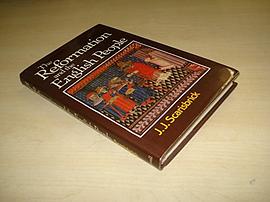
This is one of the earliest of the revisionist accounts of the English Reformation. It helpfully states its central thesis in its second sentence: "On the whole, English men and women did not want the Reformation and most of them were slow to accept it when it came," a contention confirmed and built upon by others since, most notably Christopher Haigh, Eamon Dufy and Diarmaid MacCulloch. Instead of the traditional account of a disgruntled layfolk, sick and tired of "priestcraft" and superstition calling for reform, we have instead a picture of a thriving late-medieval Catholic piety among a laity, having enforced upon it an unwelcome reform from Protestant-minded bishops and statesmen. Scarisbrick's work is thoroughly researched and his findings now entering the mainstream of opinion. Contrary to the view that Luther's doctrine of the "priesthood of all believers" gave rise to a literate, liberated laity, Scarisbrick argues that the loss of the medieval lay fraternities left lay people with less self-determination and less of a role to play in their religion. The English Reformation led to "a marked shift in the balance of power in favour of the clergy...The new Protestant minister, if he was a zealous servant of the Gospel, was a disciplining, preaching authority-figure. He may not have had the sacramental powers of the old priest, but he expected rank-and-file lay people to be more passive..." (p. 39) Balancing this is the massive transfer of ecclesiastical lands into the hands of the laity through the loss of religious houses with the dissolution of the monasteries. An incident recounted on p. 108 serves as something of a metaphor for the reluctance of some English Christians of the sixteenth century to embrace the iconoclasm of Protestant worship. In 1569 at Durham as a high altar stone was being hidden in a rubbish heap to be recovered when things swung back to conditions more favourable to Catholic worship, one of the ringleaders was heard to address the stone "Domnius vobiscum (The Lord be with you)." In such ways did English Catholic laity of the period come to terms with the new order.
作者简介
目录信息
读后感
The complex web of events that we call the Reformation had a profound and lasting effect on English life. This book is a new attempt to understand how it 'happened' and how English men and women responded to it. Using the evidence of wills and account-books...
The complex web of events that we call the Reformation had a profound and lasting effect on English life. This book is a new attempt to understand how it 'happened' and how English men and women responded to it. Using the evidence of wills and account-books...
The complex web of events that we call the Reformation had a profound and lasting effect on English life. This book is a new attempt to understand how it 'happened' and how English men and women responded to it. Using the evidence of wills and account-books...
The complex web of events that we call the Reformation had a profound and lasting effect on English life. This book is a new attempt to understand how it 'happened' and how English men and women responded to it. Using the evidence of wills and account-books...
The complex web of events that we call the Reformation had a profound and lasting effect on English life. This book is a new attempt to understand how it 'happened' and how English men and women responded to it. Using the evidence of wills and account-books...
用户评价
这本书的叙事节奏把握得非常出色,它并非那种平铺直叙、让人昏昏欲睡的教科书式论述。作者似乎深谙如何设置悬念和冲突,让读者持续保持探究的欲望。我特别佩服他处理复杂社会群体时的那种平衡感。他没有将当时的社会简单地划分为“虔诚的改革者”和“顽固的保守派”这种二元对立。相反,书中对那些处在中间地带、摇摆不定、实用主义至上的“中间人”的刻画,才真正体现了历史的复杂性。我脑海中浮现出伦敦码头那些走私洋货的商人,他们对新的教义持开放态度,但更关心的是贸易壁垒会不会因此产生。这种对经济驱动力的深刻洞察,使得整个改革的图景变得更加真实可信,不再是空中楼阁。此外,书中对“公共话语空间”的分析,比如酒馆里流传的讽刺歌谣和手抄的小册子,如何成为民间舆论的放大器,这一点读来令人拍案叫绝。这些“非正式”的传播渠道,在作者的笔下焕发出惊人的生命力,证明了思想的传播从来都不是自上而下的单向灌输。
从装帧设计到索引的详尽程度,这本书都透露出一种对读者的尊重。但抛开这些外在的因素,真正让我震撼的是作者对“想象的共同体”的构建过程的分析。他不仅仅展示了英格兰如何从一个天主教国家转变为一个新教国家,更重要的是,他探讨了这种转变是如何在人民的集体想象中被“编织”出来的。通过统一的祷告书、新的庆典日、以及对“异教残余”的系统性清除,一种新的国家认同感是如何在潜移默化中被塑造的。书中引用的关于爱尔兰和苏格兰边境冲突的案例,非常有力地说明了这种“想象的边界”是如何形成的,以及这种边界感如何影响了普通人对“他者”的看法。阅读这本书,就像是参与了一场关于民族构建的深度研讨会,作者以无可辩驳的证据链,展示了信仰、政治和身份认同之间错综复杂、难以解开的联系。
我必须承认,我对这类研究的期望值通常不高,往往只求了解大致的框架。然而,这本书的学术深度和广度彻底颠覆了我的固有印象。它所引用的原始材料之丰富,令人咋舌,各种教区记录、遗嘱、法庭笔录被巧妙地穿插运用,它们不是堆砌数据的证明,而是为论点提供坚实的脚注。更值得称道的是,作者在处理性别议题时的视角非常现代和敏锐。他没有将女性仅仅视为男性改革的附庸,而是探讨了改革如何为女性在家庭和社区中提供了新的阐释空间,哪怕这些空间依然受到严格的社会规范制约。例如,女性对家庭圣经阅读的掌控权,是如何转化为一种隐性的家庭权威。这种多维度的解读,让原以为是“男性主导”的历史课题,展现出了细腻的性别纹理。读完后,我感觉自己对那个时代的信仰生活有了一种更具批判性和层次感的理解,而非简单地接受既定的历史结论。
这本书的语言风格非常具有感染力,它有一种老派的英式优雅,但同时又充满了现代史学家的严谨。作者擅长使用对比手法来凸显时代的张力。例如,当他描述新教徒的极简教堂装饰,与他们私下对财富的追求之间的矛盾时,那种幽默而辛辣的讽刺感,让人读来非常过瘾。我特别喜欢书中关于“时间观念”的转变那一章。在天主教体系下,钟声、圣徒日和弥撒时间构成了生活的骨架;而改革后,时间被重新“私有化”,更多地依附于工作和个人勤勉。这种抽象概念的具象化描述,让我深刻体会到信仰的变迁是如何重塑人类对自身存在的感知。它不仅仅是关于“信什么”,更是关于“如何度过每一天”。这种深入到存在论层面的探讨,使得这本书的价值远远超出了普通断代史的范畴。
翻开这本关于宗教改革时期英国人民生活的书,我立刻被那种扑面而来的历史厚重感所吸引。作者的笔触细腻入微,他没有将重点仅仅放在宏大的政治角力或神学辩论上,而是深入到普通民众的日常肌理之中。比如,他对乡绅阶层如何在新旧信仰之间摇摆不定,他们的田产、他们的家族关系如何因此发生微妙的变化,描绘得入木三分。我尤其欣赏书中对物质文化的研究,例如面包、啤酒的制作工艺,以及这些日常必需品如何受到教会改革带来的仪式变化的影响。这不仅仅是历史叙事,更像是走进了一幅精心复原的十七世纪英国风俗画。作者似乎有一种魔力,能将那些晦涩的法律条文和教义之争,转化为一个个鲜活的家庭故事。读到邻里之间因为是否要砸毁圣像而争吵,或者一位普通的纺织工人如何努力去理解《圣经》的英文译本,我都感到一种强烈的共鸣——历史并非高高在上,它就发生在我们脚下的泥土里。这种对“微观历史”的精妙把握,让整本书的阅读体验丰富而立体,远超我预期的学术探讨,更像是一次沉浸式的田野调查。
The Author is Earliest Revisionist on Reformation
The Author is Earliest Revisionist on Reformation
The Author is Earliest Revisionist on Reformation
The Author is Earliest Revisionist on Reformation
The Author is Earliest Revisionist on Reformation