
具体描述
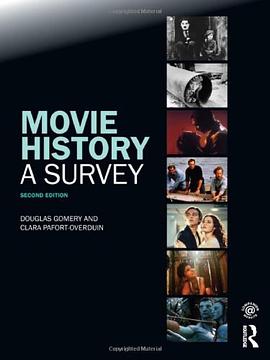
Covering everything from Edison to Avatar, Gomery and Pafort-Overduin have written the clearest, best organized, and most user-friendly film history textbook on the market. It masterfully distills the major trends and movements of film history, so that the subject can be taught in one semester. And each chapter includes a compelling case study that highlights an important moment in movie history and, at the same time, subtly introduces a methodological approach. This book is a pleasure to read and to teach. Peter Decherney, University of Pennsylvania, USA In addition to providing a comprehensive overview of the development of film around the world, the book gives us examples of how to do film history, including organizing the details and discussing their implications.Hugh McCarney, Western Connecticut State University, USA Douglas Gomery and Clara Pafort-Overduin have created an outstanding textbook with an impressive breadth of content, covering over 100 years in the evolution of cinema. Movie History: A Survey is an engaging book that will reward readers with a contemporary perspective of the history of motion pictures and provide a solid foundation for the study of film. Matthew Hanson, Eastern Michigan University, USA How can we understand the history of film? Historical facts don't answer the basic questions of film history. History, as this fascinating book shows, is more than the simple accumulation of film titles, facts and figures. This is a survey of over 100 years of cinema history, from its beginnings in 1895, to its current state in the twenty-first century. An accessible, introductory text, Movie History: A Survey looks at not only the major films, filmmakers, and cinema institutions throughout the years, but also extends to the production, distribution, exhibition, technology and reception of films. The textbook is divided chronologically into four sections, using the timeline of technological changes: Section One looks at the era of silent movies from 1895 to 1927; Section Two starts with the coming of sound and covers 1928 until 1950; Section Three runs from 1951 to 1975 and deals with the coming and development of television; and Section Four focuses on the coming of home video and the transition to digital, from 1975 to 2010. Key pedagogical features include: timelines in each section help students to situate the films within a broader historical context case study boxes with close-up analysis of specific film histories and a particular emphasis on film reception lavishly illustrated with over 450 color images to put faces to names, and to connect pictures to film titles margin notes add background information and clarity glossary for clear understanding of the key terms described references and further reading at the end of each chapter to enhance further study. A supporting website is available at www.routledge.com/textbooks/moviehistory, with lots of extra materials, useful for the classroom or independent study, including: additional case studies -- new, in-depth and unique to the website international case studies -- for the Netherlands in Dutch and English timeline - A movie history timeline charting key dates in the history of cinema from 1890 to the present day revision flash cards -- ideal for getting to grips with key terms in film studies related resources -- on the website you will find every link from the book for ease of use, plus access to additional online material students are also invited to submit their own movie history case studies - see website for details Written by two highly respected film scholars and experienced teachers, Movie History is the ideal textbook for students studying film history.
作者简介
目录信息
读后感
用户评价
我最欣赏这本书的地方在于其对“边界”的模糊化处理,它彻底打破了不同学科之间的壁垒,构建了一个跨学科研究的典范。作者似乎坚信,要真正理解某个宏大的主题,就必须跳出传统的学科定义。在分析某个特定阶段的演变时,他会毫不生涩地将社会经济学的模型、心理学的行为偏差理论,乃至一些艺术史中的符号学分析工具融为一炉,形成一套极其复杂的分析工具箱。这种融合不是简单的堆砌,而是深入到各个学科的核心逻辑层面,去寻找它们共同的“语法结构”。这对我这种既关注人文思辨又关注结构分析的读者来说,简直是如获至宝。书中对于某一概念的界定,往往需要横跨三个或四个领域才能被完全理解,这迫使我不得不频繁地在不同的知识体系中来回穿梭,极大地拓宽了我的知识视野。这本书真正体现了“融会贯通”的最高境界,它不是在知识的边缘游走,而是在知识的交汇点上扎营,展现了真正的学术野心和广度。
这本书的结构组织简直是一团迷雾,我花了将近一半的阅读时间才勉强理清它的脉络。它似乎刻意摒弃了传统的时间线或者主题划分法,而是采用了跳跃式的、碎片化的叙事结构。章节之间的关联性不是显性的逻辑递进,更像是某种潜意识的联想或是作者脑海中突然浮现的灵感碎片。有时,一个章节会突然插入一段与上下文看似毫不相关的早期文献摘录,然后用几页篇幅去解读这段文字背后的社会语境,接着又戛然而止,跳到数十年后的某个现代案例进行对比。这种“非线性叙事”的运用,一方面极大地考验了读者的专注力和信息重构能力,你需要像考古学家一样,在这些散落的碎片中自行搭建起完整的框架。但另一方面,一旦你适应了这种节奏,你会发现它提供了一种多维度的理解视角,让你能够同时从宏观的时代背景和微观的个体行为中去审视同一现象。这本书,与其说是一本可供查阅的参考书,不如说更像是一份需要读者投入巨大认知努力去“解码”的密文。
我得承认,这本书的语言风格充满了强烈的个人色彩,甚至可以说,它更像是一系列高度浓缩的、情绪饱满的个人随笔集合,而非标准意义上的信息手册。作者的用词非常大胆且富有画面感,一些描述简直是华丽到近乎炫技的程度。比如,他描述某个历史时期的衰落时,没有使用“衰退”或“萧条”这类平庸的词汇,而是用了一种极其富有张力的动词来描绘那种缓慢而不可逆转的崩塌过程,让人仿佛能闻到空气中弥漫的腐朽气息。这种写作方式的优点在于,它能瞬间将读者带入情境,产生强烈的情感共鸣,阅读体验非常酣畅淋漓,有种被文字“裹挟”着向前冲的感觉。当然,这种风格的代价也很明显——它的精确度时常让位于感染力。对于追求绝对客观和中立信息检索的读者来说,这本书可能会显得过于“情绪化”或“主观臆断”。但对我而言,我更看重的是作者在字里行间流露出的那种对研究对象的深刻爱憎,这使得阅读过程不再是枯燥的数据比对,而更像是一次与一位才华横溢的智者的深入对话。
这本书的封面设计简直是视觉的盛宴,那种深邃的墨绿色调配上烫金的字体,一下子就抓住了我的眼球。我是一个对视觉美学有很高要求的人,所以光是拿到这本书时那种厚重和质感,就已经让我对手册里的内容充满了期待。它不是那种轻飘飘的快餐读物,而是那种真正愿意花心思去打磨,去雕琢的作品。装帧的工艺看得出是下足了本钱的,书脊的弧度处理得恰到好处,翻阅起来非常顺手,纸张的纹理细腻而不失韧性,即便是长时间阅读也不会觉得刺眼或疲劳。我特意留意了一下内页的排版,字体大小和行距的设置非常科学,那些密密麻麻的文字信息在这样精心设计的版式下,竟然奇迹般地变得易于消化。这本“作品”的物理形态本身,就构成了一种无声的宣言:作者和出版方对内容质量的自信,以及对阅读体验的极致追求。我敢说,这本书的装帧设计本身,就值回了大部分购书的价钱,它不仅仅是知识的载体,更是一件值得收藏的工艺品。每次翻开它,都像是在进行一次仪式,预示着即将沉浸于一场精心构建的、充满美感的知识之旅。
这本书的论述视角简直是太新颖了,完全颠覆了我过去对某个领域理解的固定框架。我通常阅读严肃的学术著作,习惯于那种严谨的、线性的、逻辑推导式的叙事结构,但这本书的作者显然更像一位哲学家而非纯粹的史学家。他没有急于给出结论,而是巧妙地设置了一系列的悖论和开放性问题,引导读者进行深层次的自我辩论。例如,在探讨某个关键转折点时,作者并没有简单地罗列因果,而是引入了“偶然性”和“结构必然性”之间的张力,用了一种近乎文学评论的笔法来解构历史事件的发生机制。这种“在叙事中建构理论,在理论中深化叙事”的手法,使得阅读过程充满了智力上的挑战和乐趣。它不是在告诉我“是什么”,而是在诱导我思考“为什么会是这样,以及它可能不是这样”。读完某个章节,我常常需要停下来,点燃一支烟,对着天花板沉思许久,那种思维被激活、被拉伸的感觉,是许多同类书籍所无法给予的。它要求读者具备一定的背景知识,但同时,它也以一种近乎挑衅的姿态,邀请那些抱有既有观念的人来重新审视自己的立场。
非常不错。。。。
非常不错。。。。
非常不错。。。。
非常不错。。。。
非常不错。。。。