
具体描述
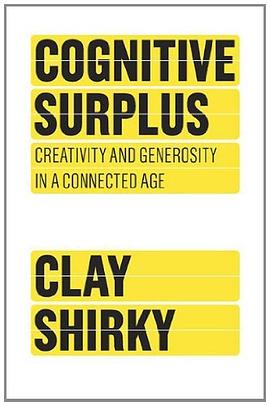
The author of the breakout hit Here Comes Everybody reveals how new technology is changing us from consumers to collaborators, unleashing a torrent of creative production that will transform our world.
For decades, technology encouraged people to squander their time and intellect as passive consumers. Today, tech has finally caught up with human potential. In Cognitive Surplus , Internet guru Clay Shirky forecasts the thrilling changes we will all enjoy as new digital technology puts our untapped resources of talent and goodwill to use at last.
Since we Americans were suburbanized and educated by the postwar boom, we've had a surfeit of intellect, energy, and time-what Shirky calls a cognitive surplus. But this abundance had little impact on the common good because television consumed the lion's share of it-and we consume TV passively, in isolation from one another. Now, for the first time, people are embracing new media that allow us to pool our efforts at vanishingly low cost. The results of this aggregated effort range from mind expanding-reference tools like Wikipedia-to lifesaving-such as Ushahidi.com, which has allowed Kenyans to sidestep government censorship and report on acts of violence in real time.
Shirky argues persuasively that this cognitive surplus-rather than being some strange new departure from normal behavior-actually returns our society to forms of collaboration that were natural to us up through the early twentieth century. He also charts the vast effects that our cognitive surplus-aided by new technologies-will have on twenty-first-century society, and how we can best exploit those effects. Shirky envisions an era of lower creative quality on average but greater innovation, an increase in transparency in all areas of society, and a dramatic rise in productivity that will transform our civilization.
The potential impact of cognitive surplus is enormous. As Shirky points out, Wikipedia was built out of roughly 1 percent of the man-hours that Americans spend watching TV every year. Wikipedia and other current products of cognitive surplus are only the iceberg's tip. Shirky shows how society and our daily lives will be improved dramatically as we learn to exploit our goodwill and free time like never before.
作者简介
克莱·舍基,被誉为“互联网革命最伟大的思考者”、“新文化最敏锐的观察者”,从事有关互联网的社会和经济影响的写作、教学与咨询,特别关注社会网络和技术网络的交叉地带。目前在纽约大学的互动电信项目中任教,其咨询客户包括诺基亚、宝洁、BBC、美国海军和乐高公司等。多年来,在《纽约时报》、《华尔街日报》、《哈佛商业评论》、《连线》和《IEEE计算机》等报刊上发表文章,广受读者追捧,并经常在技术会议上充当主题演讲者。
目录信息
读后感
翻了几十页,觉得外国人写书的思维方式仍然让我接受不了。不是说逻辑性强的么,我更像是在沙尘暴中找沙堆。有书评说第六章是亮点,我还未读到。回头翻下,看了前几张,只看到颠来倒去的重复一个意思,不懂作者的逻辑
原文的副标题是 互联时代的创新与慷慨 我觉得更符合本书的内容,更多时候作者是在向读者展示一种事实和现象(如本书前大半部分内容),以及一些经验教训分享和一点激发性的思考(如最后几章所述)。或许国人正或已经被学以致用的框框筐住了,总想获得直接快速的收益,或许是对...
当自由时间累积成认知盈余 麦当劳想提高奶昔销量,因此雇用了研究员来弄清楚顾客最关注奶昔的哪种特质。是要做得更稠?更甜?还是更凉?几乎所有研究员关注的都是产品。然而Gerald Berstell却选择了忽略奶昔本身,对顾客进行研究。他每天坐在麦当劳里长达18个小时,观察都...
看了第7章简直想打4星啊,但是前面6章只能算2星,综合下只能3星了。 方式、动机、机会三者融合,累积自由时间作为原材料,生产了认知盈余,带来了仍我们为彼此创造机会的机会。以群体的形式尝试新事物,是对社会化媒体最为意义深远的利用。 新工具提供的机会越多,任何人可以...
用户评价
在阅读过程中,我时常被作者的洞察力所折服。他总能捕捉到那些被大多数人忽略的细微之处,并从中提炼出具有普遍意义的规律。我尤其欣赏他在阐述“认知剩余”时所展现出的那种深刻的理解力,他并非简单地罗列现象,而是深入剖析了其背后的驱动因素和潜在影响。他能够将互联网的兴起、信息技术的进步以及人类社会结构的变化巧妙地结合起来,形成一个完整的理论框架。我感觉就像是在与一位睿智的长者对话,他用通俗易懂的语言,将复杂的社会议题阐释得淋漓尽致。书中不时出现的那些令人拍案叫绝的观点,总能引发我强烈的共鸣,让我开始反思自己过去的一些认知盲点。他对于“认知剩余”的定义和分析,具有极强的启发性,让我对我们身处的这个时代有了更清晰的认识。这本书就像是一盏明灯,照亮了我理解当下社会发展的道路,让我看到了隐藏在日常碎片化互动背后的巨大能量。
这本书的封面设计,初看之下,仿佛是某个现代艺术展览的展品,简约的线条勾勒出一种抽象的概念,色彩的运用也颇为考究,带着一种思考的余韵。我是在一个雨天的午后,偶然在书店的角落里瞥见它的。书名“Cognitive Surplus”本身就带着一股难以言喻的吸引力,好像暗示着某种隐藏在集体智慧中的宝藏,等待着被发掘。我拿起它,翻开第一页,一股淡淡的油墨香扑鼻而来,让人瞬间沉静下来,仿佛置身于一个远离喧嚣的知识殿堂。作者的文字,初探之下,就展现出一种独特的魅力,他没有选择平铺直叙的叙事方式,而是像一位经验丰富的向导,引领读者穿越一片片思想的迷雾。开篇的引言就抛出了几个引人深思的问题,关于我们如何利用碎片化的时间,关于那些看似微不足道的个体贡献如何汇聚成改变世界的力量。我感觉自己被一种无形的力量牵引着,想要一探究竟,想要理解那些藏匿在“认知剩余”背后的深刻含义。作者并没有急于给出答案,而是巧妙地铺陈,营造出一种循序渐进的探索感。那种感觉,就像是打开了一扇通往新世界的大门,门后是未知的风景,充满了无限的可能性,让人迫不及待地想要迈入其中,去感受、去理解、去发现。
这本书的结尾,给我的感觉就像是一场发人深省的对话,让我久久无法平静。作者并没有止步于对“认知剩余”现象的分析和描绘,而是进一步探讨了如何更好地引导和利用这种力量,以实现更积极的社会转型。我从中看到了一种对未来的殷切期望,一种对人类集体智慧潜能的坚定信念。他呼吁我们去思考,如何建立更有效的平台和机制,去激发和支持那些愿意贡献自己“认知剩余”的个体。我感觉作者在鼓励我们,不要仅仅是旁观者,而要成为积极的参与者。他提出的许多设想,虽然有些大胆,却充满了前瞻性,让我对未来的社会发展充满了好奇和期待。例如,他关于如何将“认知剩余”转化为解决全球性问题的力量的讨论,给我留下了深刻的印象。这本书不仅仅是一本关于现象的解读,它更是一本关于行动的指南,一本关于未来的宣言。它让我意识到,我们每个人手中都握着一把钥匙,能够解锁“认知剩余”的巨大潜力,去创造一个更美好的世界。
当我翻到这本书的中间部分时,我感觉自己仿佛被卷入了一场关于网络时代集体创造力的漩涡。作者用大量生动鲜活的案例,讲述了无数个普通人在互联网这个巨大的平台上,如何利用自己的闲暇时间,贡献出惊人的才华和智慧。我被那些故事深深打动,比如那些为开源软件项目默默付出的程序员,他们牺牲自己的周末和假期,只为构建一个更美好的技术生态;又比如那些热心翻译的志愿者,他们跨越语言的障碍,将知识的火种传递给更多人;还有那些参与维基百科编辑的普通人,他们日复一日地校对、补充、完善,共同构建起一座庞大的知识宝库。这些故事,没有惊天动地的壮举,却充满了平凡的伟大。作者巧妙地将这些个体行为上升到“认知剩余”的高度,阐述了当社会积累了大量的自由时间、自由资源和自由技能后,所能够释放出的巨大能量。我开始重新审视自己,思考我手中的每一个“认知剩余”,是否也能够被有效地利用起来,去创造一些有价值的东西。这本书不仅仅是在讲述故事,它更像是在唤醒人们内心深处的创造欲望,让我们意识到,我们每个人都拥有改变世界的力量,尽管这种力量可能隐藏在我们不经意间的行动里。
读到这本书的后期,我明显感受到作者在探讨“认知剩余”所带来的深远社会影响。他并没有停留在个体层面,而是将目光投向了更宏观的社会变迁。他分析了这种集体智慧的涌现,如何颠覆了传统的生产模式和组织形式,如何催生了新的经济形态和社会结构。我尤其对书中关于“注意力经济”和“参与式文化”的论述印象深刻。作者指出,在信息爆炸的时代,个体的注意力变得尤为珍贵,而“认知剩余”的参与者们,正是通过对特定内容的关注和贡献,在无形中塑造着文化的走向。这种自下而上的力量,正在悄然改变着信息传播的渠道,挑战着传统的权威机构,并且为个人提供了前所未有的表达和影响世界的机会。我仿佛看到了一个更加民主、更加平等的未来图景,在这个未来里,个体的声音不再被忽视,集体的智慧能够汇聚成强大的推动力,去解决社会面临的各种挑战。作者的论证逻辑严谨,数据引用翔实,让这些抽象的概念变得触手可及,引人深思。
里面有不少现实的例子。
感觉啰啰嗦嗦讲了很多显而易见的东西,或许因为已经是五年前的内容了吧。最后一章相对有意思一点。
我最喜欢这种披着理论外衣但是有很强实践意义的东西了——既有“解构世界”的高端感,又有似乎常能被举一反三的实践性。蛮明显是一些结构功能主义的痕迹,也从文化社会学角度讨论了下被机构化的社交网络。虽然并不是tip-book,也还是蛮适合做MKT等行业稍瞄两眼的。
Interesting, but not quite useful.
为什么人们有那么多时间上网做各种各样的事情? 原因无非三种:手段(便捷)、动机(分享,互惠互利,自我的内在满足和实现)和机会(有更多机会去实现人的伦理。 互联网时代不是专业/业余的二分法时代,而是认可普通人的创造是有价值的,本身就是自我实现的过程,互联网前所未有地帮助人们实现这种价值。个人满足与整全并非假象,但是网络大众的集体创造被无偿占有也是事实。文化生产背后的技术与利益结构不应被人遗忘,无论该种利益属于何种资本主义。