
具体描述
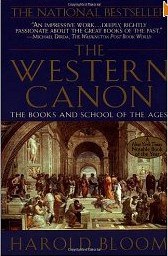
A review of 200 or 300 words cannot do justice to a book like this: it is the summation of a great critic's most fundamental beliefs--something like a dying Bernstein's last performance of Mahler's ninth, though in this case a lot less sad. In fact, this book of essays represents Bloom at his most celebratory, and there's a wonderful, vigorous energy about it. Why, one wonders, reading it, do we bother reading anybody but Shakespeare, Dante, or Chaucer? The argument for Shakespeare is particularly compelling. Bloom believes that Shakespeare is the canon: that he defines for the Western world the standards by which we judge all literature. And more: he defines for us what we are ourselves, what we understand of human nature. This argument, offered with Bloom's customary flare for the controversial, is akin to the remark that all philosophy is a footnote to Plato, and like it, is probably in large measure true. Thus, modern psychology doesn't add very much to what people could have already learned from reading Shakespeare because Shakespeare defines the limits of what we know: we can't get beyond or outside him. Certainly, experience teaches that Bloom is right; indeed, the evolution of human consciousness seems to have taken one of its periodic jolts forward about the time of Shakespeare, and he above all seems to have captured the entire scope of what was new. As Bloom points out, Shakespeare is universally adored, in all languages, and perhaps it is for this reason. The essays on Dante and Chaucer are almost equally powerful, though in a sense less awesome. And the brief remarks about the powerful movements of resentment trying to push apart these great pillars of the Western canon, though perspicacious, are melancholy and incidental. Get this book for the great essays on Shakespeare. For lovers of literature, probably nothing more powerful or in an odd way more religious will be written this year. Stuart Whitwell --This text refers to an out of print or unavailable edition of this title.
作者简介
哈罗德·布鲁姆,1930年出生于纽约,先后就读于康奈尔大学和耶鲁大学,1955年起在耶鲁大学任教。早期研究浪漫主义诗歌,曾出版过论布莱克、雪莱、叶芝、斯蒂文斯等英美诗人的专著。除先前提到《影响的焦虑》、《西方正典》之外,他还著有《误读之图》、《卡巴拉犹太神秘哲学与批评》、《诗与隐抑》以及即将出版的新作《耶稣和亚维:神圣之名》(Jesus and Yahweh:The Names Divine)。作为一个批评家,布鲁姆主要研究领域包括诗歌批评、理论批评和宗教批评三大方面,而英国浪漫主义诗歌、后期弗洛伊德的精神分析理论和犹太教的诺斯替主义与喀巴拉主义则是这些批评的主要对象。在美国,布鲁姆绝对算得上是一个大牌的学者和批评家。他以其独特的理论建构和批评实践被誉为是“西方传统中最有天赋、最有原创性和最具煽动性的一位文学批评家”。
目录信息
读后感
按:进入文学研究领域之后,文学阅读时间反而急剧减少,这不能不说是一种遗憾。近些日子手边没有什么特别紧要的事情,突然想重新翻看那些几年前、十几年前读过的文学作品。读书人都知道,重读是一件甚美妙的事,看看当时那些旁批,随手写来的很多感想现在都觉得似乎有些隔膜,...
关于文学的语境,值得一谈的大概有三个层次。 在第一层次上,文学依赖于文本之外的语境。 到此为止,“纯”的文学还不存在。 大多数中世纪的东方文学都是应酬性的,这一点适用于从阿拉伯到中国的整个亚洲大陆——或许印度除外。对一位古代阿拉伯或波斯诗人来说,诗歌是展...
摘自 经济观察网 导语:布鲁姆主张阅读是一项孤独和自由的实践,而无关乎教育、轻松愉悦或者消除社会罪孽,最终的目的就是“去面对伟 大”。 1 在哈罗德•布鲁姆的著作《西方正典:伟大作家和不朽作品》里,你经常会看到一些毫无掩饰的比较:“除了莎士比亚,乔...
技术的发展和商业的繁荣带给人类一种虚骄、狂傲的自信:似乎历史的进步恰如时光之箭,永远向前。我们坚信自己正日复一日毋庸置疑也不容争辩地在不断进步着。现代科技与商业联手造就的各种光怪陆离的奇幻(感官)体验,让人目眩神迷;前所未有的信息传递的便捷,又让人不...
美国学者协会曾对40所大学进行抽样调查,测定20世纪学生文学知识的变化。结果显示:如果把1900年定为100分,1914年一次大战前就是99分,1939年二战前则为73分,1964年越战前降至69分,1993年伊拉克战争后只剩了25分。总之这条曲线一个世纪来持续下落,最近的40年更几乎就是自...