
具体描述
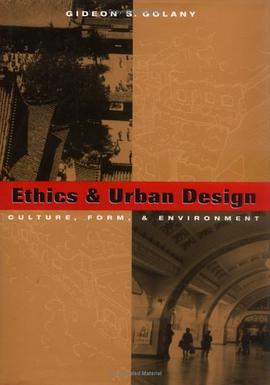
"The city," according to urban design scholar Gideon Golany, is "the largest and most complicated project ever produced by humankind." In Ethics and Urban Design, he challenges design professionals to reexamine their basic assumptions about the urban environment and offers design strategies based on enduring human values.
In search of answers to the paradoxical problems of the modern city, Golany takes the reader through the sweep of human settlements from the dawn of civilization to the present. His authoritative examination of the genesis of the city is illuminated by instructive examples of early urban centers. Mesopotamia, the Indus River Valley, the Egyptian cities of the Nile, and the capital cities of ancient China--all are examined in the light of what made them work as major centers of human activity.
What Golany finds in the success stories of the past are cohesive sociocultural values that shaped the design of homes, neighborhoods, and cities. These ethical values helped to maintain an equilibrium within the society that permeated its natural, social, and human-made environments. In the present era, conversely, he finds a major disconnection between human values and the ethics of technology, which has resulted in confusion, imbalance, and dehumanization.
To help designers gain a perspective on possible solutions, Golany explains leading comprehensive design strategies, including the valley theory, the urban border zone concept, and the regional concept of Patrick Geddes. In the case study of contemporary Holland, he details what a small, densely populated country has been able to achieve through design planning rooted in environmental ethics.
"Future Frontiers for Urban Design," the culminating section of this groundbreaking book, opens with Golany's vision of the future city. He examines the issues of thermal performance and climate as they relate to urban design and offers the concept of "geospace"--the earth-enveloped habitat. Buttressing his presentation with detailed information on the mechanics of geospace, Golany describes case studies of the successful use of earth-enveloped habitats in China and Tunisia. He makes a powerful argument for the geospace city as a renewal of ancient traditions that can restore the vital equilibrium between nature and human settlements that we seem to have lost.
Ethics and Urban Design is a distinguished scholar's analysis and prescription for the city; it offers an abundance of stimulating ideas for the architects, designers, and planners who have assumed responsibility for its future.
Ethics & Urban Design draws on historical examples and contemporary case studies from around the world to illustrate urban design strategies that can help restore equilibrium to the natural, social, and built environments of the city. In this stimulating book, urban design scholar Gideon Golany offers architects, designers, and planners both an in-depth analysis of the fundamental issues of urban design and practical options for the design of the future city.
* Examines the genesis and development of the city from the earliest presettlements to the rise of urban society
* Presents urban design strategies based on historical examples of early urban centers, including Mesopotamia, the Indus River Valley, Egypt, and China
* Offers case studies of environmental success stories from Europe, Asia, and Africa
* Details geospace design options--the use of underground space for diversified land use, housing, and transportation
* Fully illustrated, with over 80 photographs, drawings, and diagrams
作者简介
目录信息
读后感
用户评价
我是一名对城市规划和建筑理论抱有浓厚兴趣的学生,最近在查找相关资料时,意外地发现了这本《Ethics and Urban Design》。单从书名来看,它就足够吸引我了。我一直认为,城市设计并非只是技术性的工作,它关乎着人类的福祉,关乎着社会公平,甚至关乎着我们对未来的想象。而“伦理”这个词,恰恰触及了这些最核心的价值。我希望能在这本书中找到关于城市设计中潜在的权力关系、利益冲突,以及如何通过设计来促进社会正义的论述。它会不会讨论那些被忽视的群体,比如老年人、残障人士,以及低收入家庭,他们的需求在城市规划中是如何被考虑的?会不会揭示一些设计师在追求美学或经济效益的同时,可能忽略了对环境和社会的长远影响?我期待这本书能够提供一个批判性的框架,帮助我理解城市发展背后的复杂动因,并鼓励我去思考如何才能创造出更具包容性、可持续性和人文关怀的城市空间。它不仅能满足我的学术好奇心,更能引导我在未来的学习和实践中,始终将伦理原则置于设计思考的中心,用设计去回应并改善现实世界的问题。
我对城市的历史变迁和发展轨迹一直有着莫名的情结,总觉得每一栋建筑、每一条街道都承载着过去的故事,也预示着未来的方向。最近,我被《Ethics and Urban Design》这本书的书名深深吸引。它让我联想到,城市的设计不仅仅是关于如何建造,更是关于如何“生活”的问题。在现代社会,城市化进程加速,如何在追求效率和发展的同时,不牺牲我们对公平、公正和尊严的追求,这似乎是摆在我们面前的一个重要课题。这本书的名字,直接指向了“伦理”这个核心概念,让我期待它能够深入探讨城市设计中那些被忽视的道德维度。它是否会分析那些看似中立的设计,实际上可能强化了社会不平等?是否会揭示在城市规划过程中,不同群体之间的利益是如何被博弈的?我又是否能从中找到关于如何通过设计来营造更具包容性、更可持续性的社区,从而提升全体市民的生活品质的思路?我希望这本书能够为我提供一种批判性的工具,让我能够以更深刻的眼光去审视我们周围的城市环境,并思考作为个体,我们该如何参与到城市的设计和发展中,以期创造一个更美好、更公正的未来。
这本《Ethics and Urban Design》的书名,让我脑海中涌现出一幅幅生动的画面。我时常漫步在城市的街头,感受着高楼大厦带来的压迫感,或是迷失在那些密集而相似的住宅区。有时候,我也会在一些被精心设计的公共空间中感到宁静和愉悦。这些截然不同的体验,让我开始思考,是什么造就了它们之间的巨大差异?是纯粹的功能性考量,还是背后有着更深层次的道德考量?书中“伦理”一词,让我联想到那些关于“善”与“恶”、“对”与“错”的讨论,如果将其应用到城市设计中,那将是怎样一番景象?我设想,它或许会探讨如何避免城市发展中可能出现的歧视和排斥,如何确保每一个居民都能享受到城市带来的便利和舒适,而不是仅仅被一部分人占有。也许它会讨论在改造旧城时,如何平衡经济利益与文化遗产的保护,如何尊重那些世代居住在这里的人们的记忆和情感。我又或许会在这里找到关于城市美学与道德责任的联系,思考那些令人赏心悦目的设计,是否也承载着一种更高级的社会关怀。这本书,在我心中勾勒出了一个理想的城市模样,一个不仅仅是功能强大,更是充满人文关怀和道德高度的城市。我期待它能提供一种新的视角,让我去理解并批判性地审视我们所处的城市环境。
我一直对城市如何被塑造,以及这种塑造如何影响我们的生活充满好奇。最近偶然翻到了这本《Ethics and Urban Design》,虽然我还没来得及深入阅读,但仅仅是书名就激起了我极大的兴趣。它似乎触及了一个我一直以来都感到模糊但又至关重要的领域。我总觉得,我们身边那些宏伟的建筑、宽阔的马路,以及隐藏在街角巷尾的公园和广场,不仅仅是钢筋水泥的堆砌,它们背后一定蕴含着某种价值取向,某种关于“应该如何”的思考。这本书的名字直接点出了“伦理”这个词,这让我期待它能揭示城市设计中那些看不见的道德维度。是关于公平分配公共空间?还是关于尊重历史文脉?亦或是关于可持续发展的承诺?我迫不及待地想知道,设计师们在做出每一个决定时,究竟是如何权衡利弊,又是以何种伦理原则为指导的。我希望这本书能为我提供一个清晰的框架,让我能够重新审视自己所处的城市环境,理解那些决定城市面貌的深层力量。这不仅仅是一本关于建筑和规划的书,在我看来,它更是一本关于我们如何共同生活,如何创造更美好、更公正的城市空间的指南。我非常期待它能带来启发,让我对城市产生更深刻的理解和认识。
在我看来,城市就像一个巨大的生命体,它的肌理、它的脉搏,无时无刻不在影响着生活在其中的每一个个体。而《Ethics and Urban Design》这个书名,就如同为这个生命体注入了一剂深刻的哲学思考。我经常在想,那些我们习以为常的街道布局、建筑风格,以及我们每天穿梭其中的公共空间,它们是如何被塑造出来的?它们的背后,是否隐藏着一些不易察觉的价值导向,一些关于“好”与“坏”的隐喻?这本书的名字直接点出了“伦理”二字,这让我不禁联想到,设计者在每一个选择面前,是如何斟酌的?是仅仅追求效率和美观,还是会深入思考其对社区关系、社会互动、甚至居民心理健康的长远影响?我希望这本书能够探讨城市设计中那些不那么显而易见的道德困境,例如,如何在快速的城市化进程中,平衡经济发展与文化传承?如何在有限的资源下,为所有市民提供公平可及的公共服务和空间?我憧憬着,通过阅读这本书,能够获得一种全新的视角,让我能够更深刻地理解,一个真正“好”的城市,不仅要有令人赞叹的建筑和便捷的交通,更要有能够滋养人性、促进和谐、并体现人文关怀的内在精神。