
具体描述
史学名家严耕望代表作,遍搜史料,排比诠次,展现汉代地方行政风貌!
-----------------------------------------------
★史学名家 严耕望论现代中国史学家,特别推崇陈垣、陈寅恪、吕思勉和钱穆为“四大家”。而有学者认为,严耕望于四大家的优点能兼收并揽——他的规模宏大承自钱穆,辨析入微取诸陈寅恪,平实稳健尤似陈垣,有计划而持之以恒则接武吕思勉。他在史学上终能达到通博与专精相反相成的境界决不是幸致的。
★学术经典 中国历代史家记载政治制度,多偏详中央而忽略地方。本书与《秦汉地方行政制度》则另辟蹊径,以其系统、精深的研究,成为中国地方行政制度史领域的开山力作,对学界影响深远。
★精校精修 《两汉太守刺史表》初版于1948年,限于当时编印水平,错讹甚夥。此后虽于1993年增订再版,仍难称善本。北京联合出版公司此次影印出版,做了大量修版、重录及更正错讹的工作,改动达千余处,并适当增大开本与版心,力图以清朗悦目的形态呈现给广大读者。
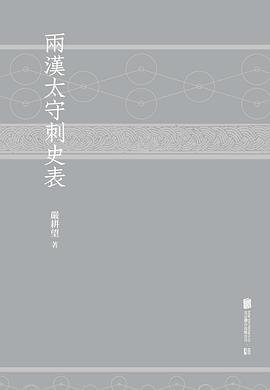
★精良印制 本书圆脊精装,外有护封,内文以100克纯质纸印刷,整体设计端庄、厚重,与其学术经典性相称。
-----------------------------------------------
海外学术界二十余年来,真能潜心学术,有著作问世者,几乎无从屈指。惟(耕望)能淡泊自甘,寂寞自守,庶不使人有秦无人之叹!
——钱穆,著名历史学家
先生之著作偏重归纳法之应用。搜集所有能见到之资料,以归纳法抽绎其共通性,往往有重大发现。
——廖伯源,历史学者,法国儒莲汉学奖获得者
-----------------------------------------------
◎ 内容简介
本书是研究汉代地方行政制度的重要参考书。作者从传统文献及碑刻材料中收集了大量汉代郡国守相与司隶刺史的记载,以年代为经、以州部郡国为纬绘制成表,将太守刺史之籍贯、姓名填入表中,并后附其简传。本书将零散的史料排比诠次,使其条理化,并重视行政区划之沿革,体例谨严,不但可作工具书翻检,通读全书亦有助于加深对汉代行政制度的理解。
作者简介
严耕望(1916—1996),字归田,安徽桐城人,著名历史学家。1941年毕业于武汉大学历史系,初任职于齐鲁大学国学研究所,师从钱穆,1945年入“中央研究院”历史语言研究所。1964年赴香港中文大学新亚研究所任教。1970年当选“中央研究院”院士。1978年转任香港中文大学中国文化研究所高级研究员,并赴耶鲁大学任客座教授。1983年回“中研院”史语所任研究员。1985年退休,晚年居于香港。
严耕望一生踏实勤勉,著述宏富,在政治制度史与历史地理研究领域极具开创性,为学界所称道。代表性专著有《两汉太守刺史表》《秦汉地方行政制度》《魏晋南北朝地方行政制度》《唐仆尚丞郎表》《唐代交通图考》等。
目录信息
读后感
在此书的序言中,严老自谦道,这是他所有的作品中最差的一部书,最初是写《秦汉地方行政制度史》时做的附表,后来表做的太大了,老师建议他把这一部分单独发行于是就有了这本《两汉太守刺史表》。后来由于一些历史原因,本书《秦汉地方行政制度史》却没有先行发行,倒是这套表...
几大电商网站都缺货,亚马逊也是加盟书店的。好不容易买到这本书,还是在博库上买的,有点意思。 这本书可以看出严老先生在读书时就用功颇深,值得我辈学习! 书的内容没得说,当然有人说也会有纰漏,这个在所难免。不过印刷质量确实一般,希望日后有出版社能够排印
严耕望先生的《两汉太守刺史表》是他早年的重要作品,起草于1941年,1948年2月由商务印书馆出版第一版。1991年作者进行大幅增订,并于1993年4月由中央研究院历史语言研究所出版增订版(第二版)。相较第一版,第二版增加了一些内容(详见序言)和索引(单独成册),并由平装变...
严耕望先生的《两汉太守刺史表》是他早年的重要作品,起草于1941年,1948年2月由商务印书馆出版第一版。1991年作者进行大幅增订,并于1993年4月由中央研究院历史语言研究所出版增订版(第二版)。相较第一版,第二版增加了一些内容(详见序言)和索引(单独成册),并由平装变...
几大电商网站都缺货,亚马逊也是加盟书店的。好不容易买到这本书,还是在博库上买的,有点意思。 这本书可以看出严老先生在读书时就用功颇深,值得我辈学习! 书的内容没得说,当然有人说也会有纰漏,这个在所难免。不过印刷质量确实一般,希望日后有出版社能够排印
用户评价
《两汉太守刺史表》这本书,于我而言,不仅仅是一本历史读物,更像是一把开启两汉时代地方治理精微之处的钥匙。作为一名对中国古代政治制度,尤其是其中地方管理架构极具好奇心的读者,我深知太守和刺史这两类官员在维系庞大汉王朝运转中的关键作用。他们的任命、履职、政绩,无不与帝国疆域的稳定、经济的发展以及社会的秩序息息相关。 我特别期待这本书能以一种极为系统和详尽的方式,为我呈现两汉时期太守与刺史的任职全貌。我希望这不只是一份冰冷的官僚名单,而是一幅生动的图卷。书中是否会详细记录每一位官员的姓名、任职时间、任职地域,甚至包括一些重要的事迹或对其评价?例如,某个太守是如何在边疆抵御匈奴侵扰,某个刺史又是如何在大灾之年安抚流民,恢复生产?这些具体的案例,往往比任何制度条文更能揭示历史的真实面貌。 Beyond the factual compilation, I am eager to explore the author's scholarly approach and the reliability of the information presented. Compiling a comprehensive list of officials over two centuries requires meticulous research and critical analysis of historical sources. I am interested in knowing which primary and secondary sources were consulted, and how the author navigated potential discrepancies or gaps in the historical record. The transparency of the research methodology is crucial for establishing the book's credibility and academic value. I also hope that 《两汉太守刺史表》 will offer a deeper understanding of the evolution of the 太守 and 刺史 roles throughout the Han Dynasty. Were there significant changes in their responsibilities, powers, or selection criteria between the Western Han and Eastern Han periods? How did major historical events or policy shifts influence the functioning and significance of these provincial administrators? Understanding these temporal dynamics is essential for a comprehensive historical interpretation. The geographical dimension of this study is also of great interest. The Han Empire was vast and geographically diverse. I am keen to explore how the administrative challenges and governance strategies might have varied across different regions. Were certain areas known for particularly competent or corrupt officials? Did specific policies prove more effective in certain geographical or cultural contexts? Examining these regional variations will provide a richer and more nuanced understanding of Han Dynasty governance. Moreover, I anticipate that the book will shed light on the social and economic impact of the actions of these provincial officials. How did their policies influence agricultural production, trade, urban development, or cultural practices? Conversely, were there instances where their misconduct or mismanagement led to economic hardship or social unrest? Connecting administrative actions to tangible societal outcomes will significantly enhance the book's contribution. Furthermore, I am interested in the interplay between the 太守 and the 刺史. While both were crucial provincial officials, their specific roles and jurisdictions might have differed. I would like to understand how these two positions interacted, whether there was cooperation or conflict, and how their combined efforts contributed to the overall administration of the empire. This dynamic relationship is a critical aspect of understanding the Han governmental structure. The very act of compiling such a detailed "table" signifies a commitment to organizing complex historical data. I would be interested in the principles of organization used in the book. Is it chronological, geographical, or thematic? The clarity and logic of the presentation will greatly influence the reader's ability to extract meaningful insights and make comparisons across different officials and regions. Ultimately, I believe that 《两汉太守刺史表》 has the potential to serve as an invaluable reference for anyone interested in the administration and governance of the Han Dynasty. By illuminating the roles and careers of these essential provincial officials, it promises to provide a more complete and nuanced understanding of this critical period in Chinese history, enriching our appreciation for the administrative backbone of the empire.
《两汉太守刺史表》这本书,对我而言,不仅仅是一部历史著作,更像是一次深入两汉王朝肌理的探险。作为一名长期以来对中国古代政治制度,特别是地方行政管理体制充满浓厚兴趣的读者,我始终认为,理解一个王朝的运作,离不开对其中基石性人物的深入剖析。而太守与刺史,无疑是两汉时期地方治理体系的核心,他们的任命、任职、政绩,直接关系到国家政令的畅通、地方秩序的稳定以及民众生活的福祉。 我对这本书最深的期待,在于其“表”所蕴含的系统性和详实性。我希望它能如同一份精准的“历史户籍”,为我呈现两汉时期所有太守、刺史的任职信息。这其中,最好能包含官员的姓名、籍贯、任职起止时间、所辖具体地域,乃至一些关键的任职事迹或历史评价。这样的信息,不仅能帮助我们勾勒出两汉时期地方官僚体系的构成与分布,更能为我们研究当时的行政区划、官员选拔机制、以及不同地域的治理特点提供宝贵的第一手资料。 Beyond the factual compilation, I am eager to understand the author's scholarly methodology and the reliability of the sources used. Compiling such a comprehensive list of officials across the Han Dynasty necessitates rigorous research and careful selection of historical data. I am interested in learning about the primary sources consulted and how the author addressed any potential discrepancies or gaps in the historical record. Transparency in research methodology is crucial for establishing the book's academic credibility and utility. Furthermore, I hope the book will offer a nuanced perspective on the evolution of the 太守 and 刺史 roles throughout the Han Dynasty. Were there significant shifts in their powers, responsibilities, or selection criteria between the Western Han and Eastern Han periods? How did major historical events, such as imperial succession crises, military campaigns, or significant policy reforms, influence the functioning and prominence of these provincial administrators? Understanding these temporal dynamics is essential for a comprehensive historical analysis. The geographical dimension of this study is also of great interest. The Han Empire encompassed a vast and diverse territory with varying economic, social, and cultural conditions. I am keen to explore how the administrative challenges and governance strategies might have differed across these regions. Were certain areas known for consistently capable officials, or were particular geographical or administrative challenges more pronounced in specific territories? Examining these regional variations will provide a richer understanding of Han Dynasty governance. I also anticipate that 《两汉太守刺史表》 will shed light on the broader socio-economic impact of these provincial officials' actions. How did their policies influence agricultural production, trade, infrastructure development, or cultural life? Conversely, were there instances of corruption, mismanagement, or ineffective governance that led to detrimental consequences for the populace? Connecting administrative actions to their tangible effects on society will significantly enhance the book's historical significance. Moreover, I am curious about the interaction between the 太守 and the 刺史. While both were key provincial officials, their specific roles and jurisdictions might have varied. I would like to understand how these two positions complemented or potentially conflicted with each other, and how their combined efforts contributed to the overall administration of the empire. This dynamic relationship is a critical aspect of comprehending the Han governmental structure. The very nature of creating a comprehensive "table" signifies a commitment to organizing complex historical data. I would be interested in the organizational principles guiding this compilation. Is it chronological, geographical, or based on the prominence of the official or region? The clarity and logic of the presentation will significantly influence the reader's ability to derive meaningful insights. Ultimately, I believe that 《两汉太守刺史表》 has the potential to be an indispensable reference for anyone seeking to understand the intricate workings of the Han Dynasty's administration. By illuminating the careers and contributions of these crucial provincial officials, it promises to offer a more complete and nuanced picture of this pivotal period in Chinese history, enhancing our appreciation for the administrative backbone of the empire.
《两汉太守刺史表》这本书的出现,对我来说,就像是拨开历史的迷雾,看到了那些支撑起庞大汉王朝地方运作的基石。作为一名对中国古代政治制度,特别是其地方治理架构极感兴趣的读者,我一直认为,理解一个王朝的运作,不能仅仅关注其最高统治者,更需要深入到地方的管理者身上。而两汉时期,太守和刺史这两个职位,正是地方行政权力的核心,他们的履职情况,直接关系到国家的稳定与发展。 我期待这本书能以一种极为详尽且系统的方式,为我们描绘出一幅清晰的两汉太守刺史任职图。我希望其中不仅仅是冰冷的名单,更包含着丰富的细节。比如,关于某位太守,书中是否会提及他从何而来,因何被任命,任职期间是否遭遇过重大的政治挑战,他又是如何应对的?又比如,某位刺史,他所监察的区域有哪些特点,他又是如何平衡中央的政令与地方的实际情况的?这些鲜活的个体故事,往往比抽象的制度更能触动人心,也更能揭示历史的真相。 Beyond the specific individuals, I am deeply interested in the broader administrative and political context in which these officials operated. The Han Dynasty was a period of immense transformation, with evolving power dynamics between the central government and local authorities. I would like to understand how the role and influence of 太守 and 刺史 changed throughout the dynasty, perhaps in response to shifts in imperial policy, the rise of powerful clans, or significant internal and external threats. This broader perspective is crucial for appreciating the full significance of their positions. Furthermore, I am keen to learn about the author's approach to historical methodology and source criticism. Compiling such a comprehensive "table" undoubtedly requires extensive research and careful selection of historical data. I would be interested in understanding the primary sources used, such as the *Records of the Grand Historian* (*Shiji*), the *Book of the Han* (*Hanshu*), and later dynastic histories, as well as any potential challenges in verifying the accuracy of the information. The transparency of the research process enhances the credibility and utility of the book. The geographical aspect of this study also fascinates me. The Han Empire was vast and diverse, encompassing various regions with distinct economic, social, and cultural characteristics. I am curious to explore how the duties and effectiveness of 太守 and 刺史 might have varied across different territories. Were certain regions known for having particularly capable or corrupt officials? Did specific administrative policies prove more successful in certain geographical areas than others? Understanding these regional nuances would provide a richer tapestry of Han Dynasty governance. I also anticipate that 《两汉太守刺史表》 will offer valuable insights into the social and economic implications of provincial administration. How did the policies enacted by these officials affect the lives of ordinary people? Did they promote agriculture, encourage trade, or foster cultural development? Conversely, were there instances where their actions led to exploitation or instability? The book's ability to connect administrative actions to tangible societal outcomes would significantly enhance its impact. Moreover, I am interested in the interplay between the 太守 and the 刺史. While both were provincial officials, their specific roles and responsibilities might have differed. I would like to understand how these two positions interacted, whether their jurisdictions overlapped, and how their respective functions contributed to the overall administration of the empire. This dynamic relationship is a key element in understanding the efficacy of the Han governmental structure. The very act of creating a systematic "table" implies a significant effort in organizing and presenting complex historical data in a digestible format. I would be interested in the organizational principles behind this compilation. Is it chronological, geographical, or perhaps based on the significance of the official or region? The clarity and logic of the presentation will greatly influence the reader's experience and the book's overall utility. Ultimately, I believe that 《两汉太守刺史表》 has the potential to be a cornerstone resource for anyone seeking to understand the granular workings of the Han Dynasty's governance. It promises to illuminate the often-overlooked figures who were responsible for the day-to-day administration of the empire, providing a vital counterpoint to the more commonly studied imperial narratives. Its contribution to Han studies could be profound.
《两汉太守刺史表》这本书,仅仅是书名本身,便足以勾起我极大的阅读兴趣。在浩如烟海的中国古代史中,两汉时期无疑是一个承前启后、奠定大一统王朝基础的关键阶段。而在这波澜壮阔的历史画卷中,太守与刺史作为地方行政的实际掌权者,他们的存在与作为,直接关系到国家政令的贯彻、地方的稳定以及民众的生活。我一直觉得,要真正理解一个王朝的运作,必须深入到基层,而这两类官员正是最直接的触角。 我对这本书最期待的部分,是它能否为我呈现一个清晰、准确、详尽的两汉太守刺史任职“表”。我希望这份“表”不仅仅是人名和官职的简单罗列,更能包含任职时间、所辖地域、以及一些关键的任职事迹或评价。这样的信息,不仅能帮助我们勾勒出两汉时期地方官吏的分布图,更能让我们窥见官员的选拔、流动以及在不同地域的施政特点。它就像是历史的一份底稿,隐藏着无数值得挖掘的细节。 Furthermore, I am particularly keen to understand the author's approach to historical research and source verification. Compiling such a comprehensive list of officials across two centuries would undoubtedly involve rigorous scholarly work. I am interested in knowing which primary sources were consulted, such as the *Shiji* and *Hanshu*, and how the author addressed potential discrepancies or gaps in the historical record. The transparency of the research methodology is crucial for building confidence in the book's findings. Beyond the factual compilation, I hope the book delves into the nuances of the roles and responsibilities of 太守 and 刺史. Were their powers and duties clearly defined and differentiated? How did their respective functions contribute to the overall administration of the empire? Understanding the administrative framework within which they operated is essential for appreciating their historical impact. Were there instances where these roles overlapped or where one superseded the other? The geographical scope of this study is also a major point of interest. The Han Empire was vast and diverse, encompassing a wide range of regions with differing economic and social conditions. I am eager to explore how the appointment and performance of 太守 and 刺史 might have varied across these different geographical areas. Did certain regions consistently produce more effective administrators, or were there particular challenges associated with governing specific territories? I also anticipate that 《两汉太守刺史表》 will provide valuable insights into the broader political and social context of the Han Dynasty. How did the political climate, the emperor's policies, and the influence of powerful families shape the careers and actions of these provincial officials? Understanding these external factors is crucial for a comprehensive appreciation of their roles and their impact on society. Moreover, I am interested in learning about any notable figures among the 太守 and 刺史. Were there individuals whose exceptional leadership, administrative acumen, or moral integrity left a lasting legacy? Conversely, were there officials whose corruption or incompetence led to significant problems in their jurisdictions? Such individual narratives can illuminate the human dimension of history and provide valuable lessons. The very act of creating a comprehensive "table" suggests a desire to systematize historical knowledge. I would be interested in the organizational principles employed in the book. Is it arranged chronologically, geographically, or by some other thematic structure? The clarity and logic of the presentation will greatly enhance the reader's ability to extract meaningful insights from the data. Ultimately, I believe that 《两汉太守刺史表》 has the potential to be an indispensable resource for scholars and enthusiasts of Han Dynasty history. By shedding light on the administrative backbone of the empire, it promises to offer a more complete and nuanced understanding of this pivotal period in Chinese history, enriching our appreciation for the complex mechanisms of governance.
《两汉太守刺史表》这本书,在我心中犹如一座即将被开启的宝藏,仅仅是书名,便足以点燃我对那个遥远而辉煌时代地方治理的无限遐想。作为一名对中国古代官制,尤其是地方行政管理充满好奇的读者,我深知太守与刺史这两大地方核心官职在整个汉王朝体系中的举足轻重。他们不仅是中央意志的传达者,更是地方秩序的维护者和发展的推动者,其个人能力、品行操守、施政方略,直接关系到一域乃至全局的稳定与兴衰。 我对于这本书最深的期待,在于其“表”所承诺的系统性和全面性。我希望它能够如同一份详尽的“人物名录”和“履职记录”,为我呈现两汉时期所有太守、刺史的任职情况。这其中,理想的状态是能够包含官员姓名、籍贯、任职起止时间、所辖地域、以及一些简要的关键事迹或评价。这样的信息,不仅能帮助我们构建出两汉时期地方官员的立体画像,更能为我们研究当时的行政区划变迁、官员选拔机制、以及不同地域的治理特点提供坚实的基础。 Beyond the factual presentation, I am deeply interested in the author's methodology and the rigor of the research behind this compilation. Given the vastness and sometimes fragmented nature of historical records from the Han Dynasty, it would be fascinating to understand how the author identified and verified the information for each official. What primary sources were consulted? How were potential discrepancies resolved? The transparency and scholarly integrity of the research process are paramount for the book's value. Furthermore, I hope the book will offer a nuanced understanding of the evolution of the 太守 and 刺史 roles throughout the Han Dynasty. Were there significant changes in their powers, responsibilities, or selection criteria between the Western and Eastern Han periods? How did major political shifts, such as the transition from Western to Eastern Han, or significant policy reforms, impact the functioning and importance of these provincial administrators? Understanding these temporal dynamics is crucial for a comprehensive historical perspective. The geographical context of Han Dynasty governance is also a key area of interest. The empire spanned a vast and diverse territory, with varying economic, social, and cultural conditions. I am keen to explore how the challenges and effectiveness of 太守 and 刺史 might have differed across these regions. Were certain areas known for consistently competent officials, or were specific geographical or administrative challenges particularly pronounced in certain territories? I also anticipate that 《两汉太守刺史表》 will shed light on the broader socio-economic impact of these provincial officials' actions. How did their policies influence agriculture, trade, infrastructure development, or cultural life? Conversely, were there instances of corruption, mismanagement, or ineffective governance that led to detrimental consequences for the populace? Connecting administrative actions to their tangible effects on society would greatly enrich the book's significance. Moreover, I am curious about the interaction between the 太守 and the 刺史. While both were key provincial officials, their specific roles and jurisdictions might have varied. I would like to understand how these two positions complemented or potentially conflicted with each other, and how their combined efforts contributed to the overall administration of the empire. This dynamic relationship is a critical aspect of comprehending the Han governmental structure. The very nature of creating a comprehensive "table" suggests a commitment to organizing and presenting complex historical data in an accessible format. I would be interested in the organizational principles guiding this compilation. Is it chronological, geographical, or based on the prominence of the official or region? The clarity and logic of the presentation will significantly influence the reader's ability to derive meaningful insights. Ultimately, I believe that 《两汉太守刺史表》 has the potential to be an indispensable reference for anyone seeking to understand the intricate workings of the Han Dynasty's administration. By illuminating the careers and contributions of these crucial provincial officials, it promises to offer a more complete and nuanced picture of this pivotal period in Chinese history, enhancing our appreciation for the administrative backbone of the empire.
这部《两汉太守刺史表》如同一座沉寂已久的宝库,一旦开启,便展露出两汉时期那波澜壮阔的历史画卷。作为一名对中国古代政治制度和地方治理充满好奇的读者,我一直渴望能有这样一部作品,能够系统性地梳理出那些在地方行政体系中扮演着至关重要角色的太守和刺史。这本书的书名本身就极具吸引力,它直接点明了核心内容,预示着作者将带领我们深入探究这些官职的设立背景、演变过程、职能划分以及他们在维持地方稳定、推行国家政策、甚至影响历史走向过程中的实际作用。 我尤其期待书中能够详细描绘这些官员的选拔标准、任职条件以及他们的权力边界。在那个中央集权不断加强,但地方势力依然不容忽视的时代,太守和刺史的权力与责任如何平衡?他们是如何与中央政府保持联系,又如何处理与地方豪强、士族的关系?书中是否有案例分析,生动展现某个具体的太守或刺史是如何应对棘手的政治危机,是如何在复杂的社会环境中施政,从而留下深远影响的?这些问题都深深地牵引着我的阅读兴趣。 更进一步,我希望这本书能够不仅仅停留在官职的介绍上,而是能够挖掘出隐藏在这些官职背后的个体故事。历史上,有多少位太守和刺史是为国捐躯的忠臣,又有多少位是凭借卓越才能辅佐一方的贤良?他们的家庭背景、个人经历、性格特质,是否也对他们的执政风格产生了影响?能否通过史料的爬梳,为我们展现这些历史人物的立体形象,让我们感受到历史的温度,理解他们所处的时代以及他们所做出的选择? 这本书的价值还在于它能够为我们理解两汉时期社会经济发展的脉络提供一个独特的视角。太守和刺史作为地方的最高长官,他们的施政直接关系到当地的农业生产、商业活动、文化教育以及社会治安。书中是否会分析不同地区、不同时期太守刺史的施政侧重点,以及这些施政措施对当地社会经济发展产生的具体影响?例如,哪些官员致力于兴修水利,促进农业发展?哪些官员又积极推行教化,提升民智?这些细节的展现,无疑能帮助我们更深刻地理解两汉王朝的繁荣与衰落。 从学术研究的角度来看,《两汉太守刺史表》无疑会是史学界研究两汉地方制度、官员制度乃至社会史的重要参考。我个人虽然不是专业的史学家,但对于史料的严谨运用和观点的创新性有着相当的期待。作者是否能够在前人研究的基础上,提出新的见解?是否能够通过对现有史料的重新解读,发现新的线索,揭示被忽略的历史真相?一本优秀的史学著作,应当能够引领读者进入一个更加广阔的学术视野,激发起我们进一步思考和探索的动力。 我非常欣赏这类能够将宏观的历史叙事与微观的个案分析相结合的图书。太守和刺史的设置,本身就反映了中央与地方关系的演变,而具体的官员事例,则能生动地展现这种关系的复杂性与动态性。我期待书中能够有对一些著名太守或刺史的深入剖析,例如像曹操、诸葛亮早期在地方的任职经历,或者是一些被历史遗忘但实际贡献卓著的官员。通过这些个案,我们可以更直观地理解他们所面临的挑战、他们的决策过程以及这些决策所带来的后果。 这本书的书名《两汉太守刺史表》也暗示了一种系统性的梳理和编纂。我非常好奇作者是如何收集和整理这些信息的。在史料分散、记载不一的情况下,如何进行甄别和考证,确保表格的准确性和完整性?这背后一定凝聚了作者大量的心血和严谨的研究态度。这种对细节的关注,正是优秀历史著作所必备的品质,也让我对这本书的内容充满了信心。 读史使人明智,而关于官员的史书,更能让我们理解权力的运作和责任的担当。在现代社会,我们依然能从古人的经验中汲取智慧。这部《两汉太守刺史表》能否为我们提供关于官员选拔、任用、监督以及问责的启示?在理解两汉时期官员制度的同时,我们是否也能从中反思当下?这种跨越时空的对话,是阅读历史的魅力所在,也是我期待在这本书中能够获得的宝贵体验。 对于喜欢汉代历史的读者来说,本书的价值不言而喻。两汉是中国历史上承前启后、奠定中华文明重要基础的时期,而地方官吏则是维系这个庞大帝国运转的关键节点。通过了解太守和刺史的职责与表现,我们可以更全面地理解两汉王朝的政治生态、社会结构以及文化风貌。这本书无疑会成为我案头常备的参考书,每每翻阅,都能从中获得新的认识和启发。 总而言之,《两汉太守刺史表》在我心中已经成为一本充满期待的著作。它不仅仅是对历史文献的整理,更是对一段重要历史时期政治肌理的深入剖析,是对塑造中华文明进程的无数地方官员的致敬。我迫不及待地想要翻开它,跟随作者的笔触,穿越时空,去探寻那些在两汉沃土上留下足迹的太守和刺史们的传奇人生,去领略那段波澜壮阔的历史。
《两汉太守刺史表》这本书的问世,对我而言,如同在翻阅一部厚重的历史档案,其书名本身就带着一种严谨的学术气息,指向了对那个遥远时代地方治理核心人物的系统性梳理。两汉时期,作为中国历史上的一个重要转折点,不仅在政治制度上确立了大一统的基本框架,也在社会经济、文化思想等多个层面留下了深刻的印记。而在这幅波澜壮阔的历史画卷中,太守与刺史作为地方行政的最高执行者,他们的作为与否,直接关系到朝廷政令能否有效推行,地方秩序能否得以维持,甚至整个王朝的兴衰。 我对此书的期待,首先在于其“表”这一形式所蕴含的详实信息。我希望书中能够如同一份精密的调查报告,为我们呈现两汉时期各地太守、刺史的任职名单,包括他们的姓名、籍贯、官职、任职起止时间、以及可能涉及到的重要政绩或事迹。这样的信息,对于研究两汉时期的官员制度、地方行政区划的演变、甚至是官员的选拔与流动机制,都具有不可估量的价值。它能够帮助我们跳出宏观的历史叙事,看到那些在地方舞台上默默耕耘、却对历史进程产生实质性影响的具体人物。 Furthermore, I am particularly intrigued by the potential insights into the appointment and dismissal criteria for these provincial officials. What qualities were deemed essential for a 太守 or 刺史? Were they primarily selected based on merit, lineage, or political connections? How did the emperor or central government ensure the loyalty and competence of these individuals who wielded significant power in their respective jurisdictions? The book's exploration of these selection processes would offer a valuable perspective on the effectiveness and potential pitfalls of the Han Dynasty's administrative apparatus. Beyond the organizational structure, I anticipate that 《两汉太守刺史表》 will provide a deeper understanding of the practical functions and challenges faced by these officials. What were their daily responsibilities? How did they balance the mandates from the central government with the local realities and demands of the populace? Were there specific policies or initiatives that were particularly effective or notoriously unsuccessful in different regions? Case studies or exemplary narratives, if included, would be invaluable in illustrating the complexities of local governance during this era. The historical record often prioritizes the actions of emperors and prominent figures at the imperial court, while the contributions of provincial administrators can be less prominent. I hope this book will bring to light the often-unsung heroes and perhaps even the cautionary tales of these太守 and 刺史. Did any of them rise from humble origins to achieve distinction? Were there instances of exceptional leadership in times of crisis, such as natural disasters or rebellions? Conversely, were there officials whose misconduct led to significant societal disruption? Moreover, I am eager to learn about the geographical distribution and temporal evolution of the太守 and 刺史 offices. Did the number of these positions change over time? Were certain regions consistently more significant or problematic, thus requiring more attention from the central government in terms of official appointments? Understanding these spatial and chronological patterns would offer a richer context for evaluating the administrative priorities and strategies of the Han Dynasty. The compilation of such a detailed "table" itself suggests a profound engagement with historical sources. I would be interested in understanding the author's approach to sourcing and verifying information. In an era where historical records might be incomplete or biased, how did the author ensure the accuracy and reliability of the data presented? The methodology employed in reconstructing this historical panorama is as important as the information itself. Finally, I believe that 《两汉太守刺史表》 has the potential to offer valuable lessons for contemporary understanding of governance and public administration. By examining how provincial authorities operated in ancient China, we can draw parallels and contrasts with modern administrative practices, gleaning insights into effective leadership, accountability, and the challenges of managing diverse populations and territories. This book, therefore, is not merely a historical record but a potential source of wisdom for the present.
《两汉太守刺史表》这个书名,本身就犹如一块精心打磨的玉璧,触之即感受到其所蕴含的温润光泽与深厚底蕴。作为一名对中国古代政治制度,特别是地方治理体系有着浓厚兴趣的读者,我早已对两汉时期那种中央集权与地方自主性并存的复杂格局充满了好奇。而太守与刺史,无疑是维系这一格局运转的最核心的两个职位,他们的存在,直接决定了国家机器能否在广袤的土地上有效地运作。 我非常期待这本书能够以一种极为细致和系统的方式,为我们呈现两汉时期这两类重要地方官员的任职图谱。我设想,这不仅仅是一份简单的名录,更可能是一部详尽的“人物志”和“地方志”的结合。书中是否会对每一位太守、刺史的任职背景、所管辖的地域范围、以及在任期间的关键事件进行介绍?例如,某个太守是如何应对当地豪强的挑战,某个刺史又是如何推行教化,平息民怨的?这些具体的案例,往往比干巴巴的制度条文更能生动地展现历史的肌理。 Beyond the individual biographies, I am eager to explore the evolution of the 太守 and 刺史 roles throughout the Han Dynasty. Were there significant shifts in their responsibilities, powers, or selection criteria between the Western Han and Eastern Han periods? How did major historical events, such as imperial succession crises, major wars, or significant economic reforms, impact the functioning and effectiveness of these provincial administrators? Understanding these temporal dynamics is crucial for a comprehensive grasp of their historical significance. Moreover, I am keen to learn about the author's approach to sourcing and validating the information presented. Compiling a comprehensive list of officials over such an extended period would inevitably involve grappling with fragmented or contradictory historical records. I would be interested in knowing which primary sources were consulted and what methodologies were employed to ensure accuracy and minimize potential biases. The rigor of the research process is often a key indicator of a book's reliability and scholarly contribution. The geographical dimension of this study also holds immense appeal. The Han Dynasty encompassed a vast and diverse territory, from the fertile plains of the Yellow River to the frontier regions. How did the administrative challenges and governance styles differ across these various regions? Were certain 太守 or 刺史 particularly successful in specific geographical or cultural contexts? Exploring these regional variations would offer a nuanced understanding of the complexities of managing such a large empire. I also anticipate that 《两汉太守刺史表》 will offer valuable insights into the social and economic impact of these officials' actions. Did their policies foster agricultural development, promote trade, or support cultural endeavors? Conversely, were there instances where their actions led to economic decline or social unrest? Understanding their influence on the daily lives of ordinary people would provide a more complete picture of their historical importance. Furthermore, I am curious about the administrative relationship between the 太守 and the 刺史. Were their jurisdictions always distinct, or were there instances of overlap or cooperation? How did they interact with each other and with the central government? The interplay between these different levels of authority is a critical aspect of understanding the effectiveness and potential dysfunctions of the Han administrative system. The very act of compiling such a "table" implies a significant effort to organize and systematize historical data. I would be interested in understanding the underlying principles of this organization. Is it purely chronological, geographical, or perhaps thematic? The way information is structured can significantly influence the reader's understanding and the insights derived from the data. Finally, I believe that 《两汉太守刺史表》 has the potential to serve as a foundational text for further scholarly research on Han Dynasty governance. By providing a comprehensive and meticulously compiled dataset, it will undoubtedly facilitate future studies on a wide range of related topics, from social history and economic development to the evolution of legal and administrative practices. Its contribution to the field of Han studies could be substantial.
我迫不及待地想要一探《两汉太守刺史表》的究竟。在浩如烟海的中国古代史中,两汉时期无疑是一个极其辉煌的时代,它奠定了大一统王朝的基本格局,也孕育了影响深远的文化思想。而在这宏大的历史叙事之下,地方官吏,特别是太守和刺史,扮演着至关重要的角色。他们是中央政令在地方的执行者,是连接国家与人民的纽带,其能力、品行以及施政策略,直接关系到一方水土的安宁与发展。 本书的书名简洁明了,却蕴含着巨大的信息量。它预示着作者将以一种系统性的方式,梳理和呈现两汉时期太守、刺史的任职情况。我特别好奇的是,书中是否会提供一个详尽的“表”——一个包含官员姓名、任职时间、任职地点、主要事迹等关键信息的列表?这样的列表,对于我们理解两汉时期地方行政区划的变迁、官员的流动以及不同地区官员的构成,无疑具有极其重要的参考价值。 Furthermore, I am keen to understand the author's methodology in compiling this extensive list. Given the vastness of historical records and potential discrepancies, how were these officials identified and their service periods verified? Did the author consult official histories, local gazetteers, archaeological findings, or a combination of sources? The rigor and accuracy of such a compilation are crucial for its academic and historical value. I anticipate the book will not only present the information but also offer insights into the challenges of historical research and source criticism concerning provincial administration. Beyond mere enumeration, I hope the book delves into the specific roles and responsibilities of太守 and 刺史. How did their powers differ? What were the checks and balances on their authority? Were there instances where these roles overlapped or were consolidated? Understanding the evolution of these offices and their functional nuances would provide a deeper appreciation of the administrative machinery of the Han Dynasty. For instance, were certain regions preferentially assigned experienced or particularly capable officials? The narrative of history is often shaped by the actions of individuals. Therefore, I am eager to see if 《两汉太守刺史表》 includes biographical sketches or highlights the significant achievements and failures of prominent太守 and 刺史. Were there officials renowned for their administrative acumen, their patronage of learning, their efforts in economic development, or their military leadership in defending the borders? Conversely, were there examples of corruption or mismanagement that led to significant unrest or decline? Such individual stories would humanize the administrative structures and bring the historical period to life. Moreover, the book's potential to shed light on regional disparities and developmental trajectories during the Han Dynasty is a significant draw. Different regions possessed unique geographical, economic, and social characteristics. How did the appointment and performance of太守 and 刺史 vary across these diverse locales? Did specific administrative policies implemented by these officials contribute to the prosperity of some regions while exacerbating the challenges in others? Analyzing these variations would offer a nuanced understanding of the Han Empire's internal dynamics. As a reader interested in the evolution of Chinese governance, I am also curious about the political context in which these officials operated. The Han Dynasty witnessed periods of consolidation, expansion, and internal strife. How did the political climate – the strength of the central government, the influence of the imperial court, and the prevalence of powerful local clans – affect the appointment, tenure, and actions of太守 and 刺史? Understanding these external factors is vital for a comprehensive grasp of their roles. Finally, the very act of compiling such a comprehensive "table" speaks to a dedication to scholarly inquiry and a desire to provide a foundational resource for future research. I anticipate that 《两汉太守刺史表》 will not only satisfy my personal curiosity about this specific aspect of Han history but will also serve as an invaluable reference for scholars, students, and anyone interested in the intricate workings of ancient Chinese administration. Its potential to illuminate the often-overlooked figures who managed the empire's vast territories is immense.
《两汉太守刺史表》这本书,对我而言,就像是一扇通往两汉时代政治心脏的窗户。作为一名对中国古代官制,尤其是地方行政体系深感好奇的读者,我一直认为,要理解一个王朝的宏图伟业,离不开对其地方执政者的深入了解。而太守和刺史,正是两汉时期地方治理的擎天之柱,他们的任职、作为,直接关系到国家政令的贯彻、地方的稳定以及百姓的福祉。 我对于这本书最期待的,是它能否呈现出一份精确、详实、且富有信息量的两汉太守刺史“表”。我希望这份“表”不只是一串串冷冰冰的名单,更能包含官员姓名、任职时间、所辖区域、以及一些关键的任职事迹或评价。这样的细节,不仅能帮助我勾勒出两汉时期地方官员的分布图,更能让我窥见当时官员的选拔标准、升迁路径以及不同区域治理的侧重点。它将是研究两汉地方政治的一份宝贵财富。 Beyond the factual compilation, I am eager to delve into the author's research methodology and the reliability of the sources employed. Compiling such a comprehensive list of officials over two centuries requires meticulous scholarly work. I am interested in knowing which primary sources were consulted and how the author addressed potential discrepancies or gaps in the historical record. The transparency and rigor of the research process are crucial for establishing the book's academic value and trustworthiness. Furthermore, I hope the book will provide a nuanced understanding of the evolution of the 太守 and 刺史 roles throughout the Han Dynasty. Were there significant changes in their powers, responsibilities, or selection criteria between the Western and Eastern Han periods? How did major historical events or policy shifts influence the functioning and importance of these provincial administrators? Understanding these temporal dynamics is essential for a comprehensive historical interpretation. The geographical context of Han Dynasty governance is also a key area of interest. The empire spanned a vast and diverse territory with varying economic, social, and cultural conditions. I am keen to explore how the administrative challenges and governance strategies might have differed across these regions. Were certain areas known for consistently capable officials, or were particular geographical or administrative challenges more pronounced in specific territories? Examining these regional variations will provide a richer understanding of Han Dynasty governance. I also anticipate that 《两汉太守刺史表》 will shed light on the broader socio-economic impact of these provincial officials' actions. How did their policies influence agricultural production, trade, infrastructure development, or cultural life? Conversely, were there instances of corruption, mismanagement, or ineffective governance that led to detrimental consequences for the populace? Connecting administrative actions to their tangible effects on society will significantly enhance the book's historical significance. Moreover, I am curious about the interaction between the 太守 and the 刺史. While both were key provincial officials, their specific roles and jurisdictions might have varied. I would like to understand how these two positions complemented or potentially conflicted with each other, and how their combined efforts contributed to the overall administration of the empire. This dynamic relationship is a critical aspect of comprehending the Han governmental structure. The very nature of creating a comprehensive "table" signifies a commitment to organizing complex historical data. I would be interested in the organizational principles guiding this compilation. Is it chronological, geographical, or based on the prominence of the official or region? The clarity and logic of the presentation will significantly influence the reader's ability to derive meaningful insights. Ultimately, I believe that 《两汉太守刺史表》 has the potential to be an indispensable reference for anyone seeking to understand the intricate workings of the Han Dynasty's administration. By illuminating the careers and contributions of these crucial provincial officials, it promises to offer a more complete and nuanced picture of this pivotal period in Chinese history, enhancing our appreciation for the administrative backbone of the empire.
用了这么久的复印盗版,总算能趁这次再版入一套了。考据精良,参考价值高,严耕望不愧是严谨厚实之代表。
“婆娘是别人的好,儿子是自己的乖”,无下限吹捧责编~☆☆☆☆☆☆☆☆☆☆
全是干货的资料工具书,小遗憾。
“婆娘是别人的好,儿子是自己的乖”,无下限吹捧责编~☆☆☆☆☆☆☆☆☆☆
全是干货的资料工具书,小遗憾。