
具体描述
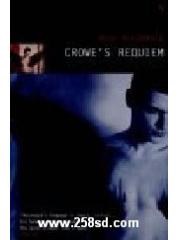
Amazon.com The first section of Crowe's Requiem is eerily reminiscent of Günter Grass's classic novel The Tin Drum. In that book, young Oskar refuses to grow, remaining instead in the body of a 3-year-old even as he ages mentally and psychologically. In Irish writer Mike McCormack's novel, the title character not only refuses to grow, he won't walk or speak, either. "I was taking stock of the world and had made a decision not to pronounce on it until I was in full possession of the facts. I would not be lured so easily. So throughout my infancy I stayed dumb, a watcher on the kitchen floor; piling up information in my heart, waiting for my moment." Eventually the moment comes and the boy begins to grow. He also goes to live with the only member of his family who understands him, his grandfather, who has a grim take on the world: "There will be death and pain and affliction, illness and grieving, and humiliation, any number of variations on the fundamental misery of being.... I would like to be able to tell you a different story, but any other version would fly in the face of the facts." From this relentlessly honest old man, the child learns, among other things, the importance of having the right name, for without it, a man isn't himself. He christens himself Crowe. In the little village of Furnace in the west of Ireland, Crowe is friendless. Once he arrives at a university in the city, however, he makes a vital connection with a young woman. But their happiness is short-lived when Crowe makes a rash choice out of love, and pays a terrible price. In his debut collection of short stories, Getting It in the Head, Mike McCormack displayed great versatility, ranging from gruesome black humor to touching familial love. Crowe's Requiem has all of his darkness but all of his tenderness as well, as he limns this tale of a self-described fallen angel. --Alix Wilber --This text refers to an out of print or unavailable edition of this title. From Publishers Weekly Crowe is a young Irishman desperately seeking to apply a mythic gloss to his brief, awkward life in McCormack's bleak first novel, following his praised collection of short stories, Getting It in the Head. As the book begins, Crowe is only 20 but dying of progeria, a rare aging disease. Like any old man, he looks back upon his life and tries to invest the past with some meaning. Raised in the backcountry Irish village of Furnace by his grandfather, he was an indifferent student; yet he won a place at university in the city, and fell in love with a fellow student, Maria Callas Monk. As Crowe recounts his tale, however, he recollects Furnace as a land of "chthonic gloom," which "opened up before me like a wound in creation," and his enigmatic grandfather as a "harrowed visionary" who spikes his dysfunctional lessons about life with fatalism and violence. A few years older than Crowe, Maria becomes not simply his troubled girlfriend but this image of an enchanted princess, and when she faces financial crisis, he submits to a suspicious pharmacological trial in a misguided effort to save his damsel in distress. Maria furiously and accurately accuses Crowe of always seeing himself at the center of a drama, as if the world arranged itself in order to cast him in a pivotal heroic role. Although McCormack fashions Crowe's as "a story of death and enchantment, madness and delusion, faint hearts and fair maids," this is a stretch for his protagonist's more humble range. In caging his readers within the mind of a boy possessed of a vivid imagination who is destined never to grow up, literally or figuratively, the author's subversive triumph is in revealing Crowe's failure to transform himself from an ordinary luckless soul (albeit with an extraordinary disease) into a tragic hero. (Mar.) FYI: Getting It In the Head won Britain's Rooney Prize in 1996.Copyright 1999 Reed Business Information, Inc. --This text refers to an out of print or unavailable edition of this title. See all Editorial Reviews
作者简介
目录信息
读后感
用户评价
这本书的哲学底蕴令人印象深刻,它远远超越了一般的类型小说范畴,更像是一次对人类存在本质的深刻冥想。作者似乎对时间和权力的腐蚀性有着独到的见解,笔下的人物都在宏大的历史洪流中进行着徒劳而又充满尊严的抗争。我尤其欣赏作者对“失败”的处理,它不是故事的终结,而是另一种形式的开始或启示。书中对于那些宏伟建筑、古老仪式和失落文明的描绘,透露出一种对逝去辉煌的敬畏,同时又警示着所有文明终将走向衰亡的宿命论。这使得整部作品笼罩着一层既壮丽又苍凉的基调。阅读它需要一种沉静的心态,它不会迎合你对即时满足的渴望,而是要求你与之共同经历一段漫长而艰辛的精神旅程。它提出了许多尖锐的问题,却从不提供简单的答案,留给读者的,是无尽的回味与思索,非常适合在安静的夜晚,泡上一杯热茶后细细品味。
这本书的语言风格非常独特,有一种古典的韵律感,同时又夹杂着现代的犀利和精准。作者似乎对词汇的运用有着近乎偏执的追求,每一个形容词和动词的选择都恰到好处,精准地捕捉了场景的情绪和氛围。尤其是在描绘那些宏大叙事背景下的个体命运时,那种诗意与残酷的并置,读起来让人既心碎又感到一种强烈的审美愉悦。我尤其钟爱作者对于环境的描写,无论是荒芜的废墟,还是光怪陆离的都市景观,都如同高清的电影画面一般在我脑海中展开。故事的主线虽然复杂,但作者总能用一种近乎优雅的方式将其梳理清晰,让人在迷宫中行走却不至于迷失方向。更难能可贵的是,作者在保持叙事节奏紧凑的同时,没有牺牲文学性,大量的隐喻和象征手法需要读者调动全部的智力去解读,这极大地提升了阅读的参与感。这不只是一本小说,更像是一部精心打磨的文学艺术品,值得放在书架上细细把玩。
坦率地说,这本书的开篇着实考验了读者的耐心,信息量之大和世界设定的晦涩程度,初读时差点让我放弃。然而,一旦你跨过了最初的门槛,就像找到了进入一个精密钟表的钥匙孔,你会发现所有看似零散的齿轮是如何咬合在一起,驱动着整个宏伟的机械运转。作者对于“信息不对称”的运用达到了炉火纯青的地步,你只能通过角色的局限性视角去拼凑世界的全貌,这种探索感是阅读体验中极其珍贵的一部分。我很少读到如此大胆使用非线性叙事的作品,时间轴的跳跃和视角的频繁切换,要求读者必须保持高度的专注,但这回报也是巨大的——当一切碎片最终拼凑完整时,那种震撼感是无以复加的。这本书探讨的主题非常深刻,涉及了记忆的可靠性、身份的构建以及历史的建构性,这些都不是轻松的话题,但作者处理得极为高明,没有说教,只有展示。推荐给那些真正热爱挑战思维、不满足于传统线性故事的资深读者。
这本书的叙事手法简直令人拍案叫绝,作者对时空的掌控力非同一般。开篇的几章,我仿佛被一股无形的力量拽入一个完全陌生的世界观中,每一个场景的描绘都充满了细致入微的感官体验。那种历史的厚重感和未来的不确定性交织在一起,形成了一种奇特的张力。我特别欣赏作者在构建复杂政治体系时所展现出的那种不动声色的功力,没有冗长枯燥的背景介绍,而是通过人物之间的微妙互动和日常对话,将权力结构、社会阶层和潜在的冲突自然地铺陈开来。读到中期,情节的推进开始加速,那些看似不经意的伏笔开始一一显现,每一次“原来如此”的顿悟都伴随着脊背一阵发凉的感觉。角色的塑造更是达到了一个极高的水准,他们并非扁平的符号,而是活生生地在道德的灰色地带挣扎,他们的选择充满了人性的复杂与矛盾,让人在共情的同时又不得不审视自身的立场。读完后劲十足,很多细节和哲思都需要时间去慢慢消化,绝对是值得反复品味的佳作,那种沉浸式的阅读体验,是近些年来少有的体验。
从纯粹的娱乐性角度来看,这本书的悬念设置可以说是教科书级别的。它不是那种依靠廉价的“反转”来哗众取宠的类型,而是通过层层剥离真相的外衣,让你不断地质疑你所相信的一切。每一个看似安全的盟友,每一个看似确凿的证据,在接下来的章节中都会被彻底颠覆。这种慢热型的张力积累,比快节奏的动作场面更让人坐立不安。我发现自己频繁地停下来,在脑海中回溯前文,试图找出那些被我忽略的微小线索,这种主动的“侦探”过程让人欲罢不能。角色间的对话充满了张力,很多时候,表面上的客套话语下隐藏着致命的威胁或深刻的背叛意图,光是分析这些对话的潜台词就够我花费不少时间。如果你追求的是那种能够让你完全脱离现实,沉浸在一个逻辑自洽、危机四伏的世界里,并享受抽丝剥茧过程的阅读体验,那么这本书绝对是你的不二之选。