
具体描述
在线阅读本书
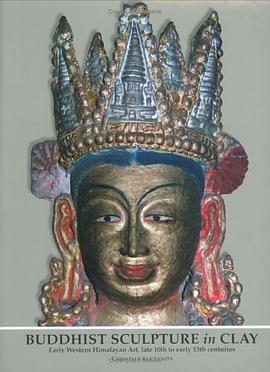
Large-scale clay sculptures representing the main deities are characteristics of the earliest Tibetan Buddhist monuments and particularly of the monasteries and village-temples built -from the end of the 10th to the early 13th centuries in West Tibet and Ladakh. Commonly placed in the main niches along the central axis of the monuments, these images of highest quality constitute a major source for the cultural and religious history of western Himalayan (Indo-Tibetan) art and early Tibetan art in general. Based on extensive field research and in situ documentation for more than a decade, this groundbreaking study provides a comprehensive assessment of the early western Himalayan sculptures and their context. Western Himalayan clay sculpture is the only preserved sculptures known so far that are built in accordance with the sophisticated sculptural technique described in Indian classical literature. It is closely linked to late Northwest-Indian (Buddhist) art in which otherwise little evidence remains. By surveying the astonishing variety of these sculptures and linking them to contemporaneous painting and other art forms such as woodcarving, this book provides the first comprehensive account of the development of western Himalayan art and its variegated forms of local adaptations. By tracing the spread and origin of iconographic forms and motifs, this study illuminates the interaction between Indian and Tibetan art when Buddhism was firmly established in the western Himalayas. Finally, it summarizes how the heritage of early western Himalayan art and sculpture has continued. The surveyed monuments include the Tabo Assembly Hall, Ropa, Nako, Lalung, Dungkar as well as the early temples of Alchi, Mangyu and Sumda. The 323 illustrationsmost of them in situ documentation in color as well as archival photography, plans and diagramsmake this intensely cross referenced and indexed book an indispensable source for anyone interested in western Himalayan and early Tibetan art. The stunning quality and distinctive aesthetics of the sculptures, many of them represented on a full page, make it also a visual feast.
作者简介
目录信息
读后感
用户评价
这本书的阅读体验非常宁静且引人入思。它不像一些艺术史书籍那样追求视觉的冲击力,而是更侧重于精神层面的共鸣。作者似乎有一种魔力,能够将那些数百年前的泥土塑像的“内在生命”挖掘出来,呈现在我们眼前。阅读过程中,我经常会停下来,闭上眼睛,去想象那些塑造者在昏暗的工作室中,怀着怎样的虔诚与专注,完成手中的作品。书中对泥塑与地域文化、社会变迁之间相互作用的探讨尤其精彩,它清晰地揭示了艺术并非真空中的创作,而是深深植根于其所处的时代土壤之中。这本书的行文节奏舒缓而沉稳,像一部讲述时间流逝的史诗,让人在不知不觉中沉浸其中,体会到一种超越时空的对话感。对于寻求心灵滋养和文化深度的读者来说,这本书提供的精神食粮是极其丰厚的。
如果说市面上很多艺术史书籍是关于“看”艺术,那么这本书更像是关于“感受”和“理解”艺术的诞生过程。作者的文字有一种独特的亲和力,尽管探讨的是严肃的学术课题,但读起来却丝毫没有枯燥感,仿佛一位博学的导师在耐心地为你讲解一个古老的故事。我尤其喜欢作者对“泥土”这一媒介本身的材质特点和象征意义的反复强调,这种对基础材料的深刻洞察,是许多只关注最终成品的形式分析所无法比拟的。这本书不仅为我们提供了丰富的历史知识和艺术鉴赏的工具,更重要的是,它激发了我们对传统工艺中那种慢工出细活的匠人精神的重新审视和尊重。对于那些希望深入了解亚洲雕塑传统中“非永久性”材料的持久影响力的研究者或爱好者来说,这本书绝对是提供关键见解的必读书目。
这本书简直是打开了一扇通往古老文明和精湛工艺的大门。从我翻开第一页起,就被那种扑面而来的历史厚重感深深吸引住了。作者显然投入了巨大的心血去研究那些尘封已久的文物,文字的组织逻辑严密,对细节的描绘达到了令人惊叹的程度。我尤其欣赏它对不同地域、不同时期造像风格演变的梳理,那种清晰的脉络感使得原本看似零散的雕塑群落变得有章可循。阅读过程中,我感觉自己仿佛是一位穿梭于历史长河的鉴赏家,亲眼见证了工匠们如何将一块块普通的泥土塑造成承载信仰与审美的艺术品。书中的图版选择非常考究,每一张图片都像是精心挑选的焦点,极大地辅助了文字的阐述。对于任何对亚洲艺术史,尤其是早期宗教艺术有兴趣的人来说,这本书都是一份不可多得的宝藏,它不仅仅是关于“塑像”的记录,更是关于信仰如何通过物质形态得以永恒的深刻探讨。读完之后,我对那些沉默的泥土形象有了全新的认识和敬畏。
说实话,这本书的学术深度远超我的预期,它绝不是那种走马观花的介绍性读物,而是充满着扎实考据和细致入微的比较分析。我特别喜欢作者在论述中不断引入的考古学发现和文献佐证,这使得整部作品的论点具有了无可辩驳的力量。在阅读关于某些特定造像中心流派演变的那几章时,那种层层递进的论证过程,让人不得不佩服作者深厚的专业功底。它没有采用那种故作高深的晦涩语言,相反,尽管内容专业,但叙述的流畅性和引导性极强,引导着读者一步步深入理解复杂的艺术语言。我注意到作者对材料科学和风化痕迹的观察也十分敏锐,这为我们理解古代泥塑的保存状况和制作工艺提供了新的视角。这本书的价值,在于它提供了一个理解早期佛教艺术语汇的深度框架,而非仅仅停留在表面的美学赞叹。
这是一本结构宏大、视野开阔的文化史著作。它巧妙地将宗教哲学、社会人类学和纯粹的艺术分析融合在一起,构建了一个多维度的观察体系。我特别欣赏它在处理不同区域性特征时的包容性和比较性视角,没有采取单一的、自上而下的评判标准,而是尊重了每一种地方性表达的独特价值。书中对技术变迁的描述——比如泥土配方的改良、烧制技术的演进对最终形态的影响——被处理得非常生动,让人明白“技术”本身也是一种文化表达。在阅读过程中,我常常感到被作者的广博知识所折服,他总能从一个看似局部的细节,迅速扩展到更宏大的文明交流背景中去,这种思维的跳跃性和联结性,极大地丰富了我的认知。它不仅是关于“泥塑”的记录,更是关于信仰传播、文化适应与艺术创新的精彩论述。