
具体描述
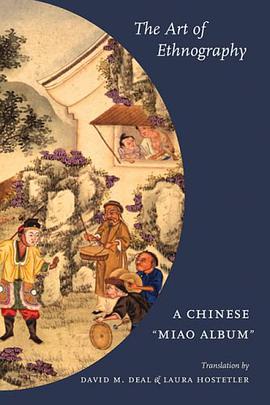
The "Art of Ethnography" is a fully illustrated translation of a 'Miao album' - a Chinese genre originating in the eighteenth century that used prose, poetry, and detailed illustrations to represent minority ethnic groups living in frontier regions under imperial Chinese control. These bound collections of hand-painted illustrations and handwritten text reveal how imperial China viewed culturally 'other' frontier populations. They also contain valuable information for anthropologists, geographers, and historians, and are coveted by art collectors for their beautiful imagery. 'Miao' in this context refers not just to groups that called themselves Miao (Hmong) or were classified as such by the majority Han culture, but generally to the many minority peoples in China's southwest.This lovely volume reproduces each of the eighty-two illustrations from the original album and the corresponding Chinese calligraphic text, along with an annotated English translation. Each entry depicts a different ethnic group residing in Guizhou. This album is anonymous and dates from sometime after 1797. Laura Hostetler's Introduction discusses the genesis and evolution of the Miao album genre and the socio-political context in which the albums were first made, the ethnographic content of the texts, the composition of the illustrations, and the albums' authorship and production. She situates the albums within the context of early modern imperial expansion internationally by introducing comparative examples of Japanese and Ottoman ethnography. Colour illustrations from other Miao albums and comparable works from other cultures give the reader a sense of the chromatic richness of Miao album illustrations and of their place in world ethnography.
作者简介
DAVID DEAL (1939-2001) was professor of history at Whitman College. LAURA HOSTETLER is associate professor of history at the University of Illinois at Chicago.
目录信息
读后感
My personal debt to David is beyong measure. I thanked him when he was alive, but i will do it again here. I think that my job- researching, writing, and teaching about the peoples of southwest China - is just about the most interesting, rewarding, and enjo...
My personal debt to David is beyong measure. I thanked him when he was alive, but i will do it again here. I think that my job- researching, writing, and teaching about the peoples of southwest China - is just about the most interesting, rewarding, and enjo...
My personal debt to David is beyong measure. I thanked him when he was alive, but i will do it again here. I think that my job- researching, writing, and teaching about the peoples of southwest China - is just about the most interesting, rewarding, and enjo...
My personal debt to David is beyong measure. I thanked him when he was alive, but i will do it again here. I think that my job- researching, writing, and teaching about the peoples of southwest China - is just about the most interesting, rewarding, and enjo...
My personal debt to David is beyong measure. I thanked him when he was alive, but i will do it again here. I think that my job- researching, writing, and teaching about the peoples of southwest China - is just about the most interesting, rewarding, and enjo...
用户评价
我必须说,这本书的学术底蕴深厚得令人敬畏,但最令人称道的是,作者成功地避开了学术写作中最常犯的错误:故作高深和自我陶醉。所有的复杂概念和理论框架,都被巧妙地“内化”到了具体的案例分析中,读者不需要频繁地停下来查阅脚注或啃那些拗口的术语。它成功地实现了理论与实践的完美融合,让你在阅读一个关于某个特定社群的故事时,自然而然地领悟到背后的社会结构是如何运作的。我印象最深的是关于记忆与空间关系的那一章,作者对一个老旧社区的拆迁过程的记录,简直是社会变迁的挽歌。他/她没有用宏大的政治口号来煽情,而是聚焦于失去家园的个体如何在新的环境中重建意义,这种对个体尊严的关注,让这本书具有了超越学科界限的普适性力量。这本书不仅是社会科学领域的佳作,更是一部深刻的人性探索之作。
说实话,我原本以为这会是一本枯燥的学术读物,但翻开后,我立即被作者那近乎小说家的笔触所吸引。它有一种奇特的魔力,能够让你在阅读过程中,仿佛身临其境地站在作者的田野现场,闻到当地的气味,感受到那种独特的时间流逝感。作者的文笔极其富有画面感,仿佛每一段文字背后都挂着一幅高清的摄影作品。更难能可贵的是,它毫不回避地展示了研究过程中的挣扎与不确定性——那些被传统研究报告刻意隐藏的“失败”时刻、自我怀疑、以及研究对象拒绝合作的瞬间。正是这些“不完美”,让整本书显得如此真实和可信。它提供了一个极佳的模板,展示了如何进行一种既严谨又充满人文关怀的研究。读完后,我觉得自己对如何进行有意义的对话,如何真正“倾听”而非只是“听见”,都有了全新的理解。
这本书简直是一场思维的冒险,它以一种近乎诗意的方式,将那些我们习以为常的日常片段,剥开表象,直抵其内核的复杂性。我读完后,感觉自己看世界的“分辨率”都提高了。作者对于细微之处的捕捉能力令人叹为观止,他/她似乎有一种魔力,能让最平凡的场景——比如一家人围坐吃晚餐的场景,或者通勤路上人们互相的眼神交流——瞬间充满了历史的重量和文化的张力。这本书不是那种干巴巴的理论堆砌,它更像是一部由无数个精妙的“田野笔记”串联而成的艺术品。我尤其欣赏它对“观察者”身份的不断反思,那种既抽离又深陷其中的矛盾状态,被描绘得淋漓尽致。它迫使读者去质疑我们所谓的“客观性”究竟意味着什么,以及我们如何通过自己的视角,无形中塑造了我们所研究的对象。这种自我批判的深度,让这本书的价值远超一般的学术论著,它更像是一面镜子,映照出我们作为社会生物的本质困境。读完后,我不得不重新审视自己过去那些轻易下的结论,那种豁然开朗的感觉,就像是忽然掌握了一把能打开许多隐藏房间的钥匙。
这本书真正击中我的,是它对于“边缘”群体的阐释方式。作者没有将他们视为需要被“拯救”或被“同情”的对象,而是以一种充满敬意和好奇的目光,去探究他们如何在其独特的生存逻辑下,构建起复杂而自洽的意义系统。这种去中心化的视角,极大地拓宽了我的视野。它挑战了主流社会关于“正常”与“异类”的二元对立,揭示了所谓的“主流”本身也是一个由权力建构起来的、充满漏洞的叙事。书中对权力运作的微妙分析,尤其是在资源分配和文化表达被压制时的隐秘反抗形式,写得尤为精彩和深刻。这本书不只是在描述“他者”,更是在邀请我们——作为被默认的“内部人”——去审视我们自身文化规范的局限性。对于任何渴望突破思维定势,真正理解人类社会多样性的人来说,这绝对是一本不可或缺的导读。
这本书的叙事节奏把握得极好,它不像传统报告那样追求线性逻辑的严密,反而更像一部结构精巧的交响乐。高潮与低谷的转换自然流畅,作者总能在适当的时候插入一些令人心神震颤的个人轶事,这些插曲既没有破坏宏大的社会分析,反而像一股暖流,为冰冷的观察注入了人性化的温度。我特别留意到作者如何处理跨文化交流中的“失语”瞬间,那些因语言不通或文化隔阂导致的尴尬、误解乃至微妙的权力动态,被描绘得极为细腻和富有同情心。这绝非一本告诉“你应该怎么做”的指南,而更像是一份关于“如何去感受”的邀请函。它教会我,真正的理解往往发生在那些我们无法用逻辑完全解释清楚的间隙之中。每一次阅读,都像是在跟随一位经验丰富的老向导,穿越一片充满迷雾的丛林,虽然不确定出口在哪里,但沿途的风景——那些关于人类行为模式的奇异发现——足以让人流连忘返。