
具体描述
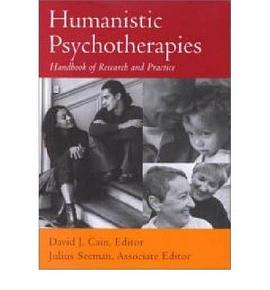
Humanistic Psychotherapies: Handbook of Research and Practice offers readers an outstanding compendium of the latest research and practice techniques in this important field. In addition to the editors' comprehensive overview of the history, defining characteristics, and evolution of humanistic psychotherapies, leading experts illustrate significant research results in the last decades and document the effectiveness of major humanistic therapeutic approaches, including client-centered, Gestalt, existential, and experiential.
The research presented shows these approaches to be equivalent and, in many cases, superior to others in treating a wide range of psychopathology. Contributors also offer guidelines for practice and introduce innovative and sophisticated methods for working with an increasingly difficult, diverse, and complex range of individuals, couples, families, and groups.
Of particular interest are chapters focusing on empirical evidence from humanistic psychotherapeutic practice that demonstrate the importance of the psychotherapeutic relationship and therapist empathy in effecting successful client outcome. The book also stresses the effectiveness of humanistic psychotherapies in establishing methods for working with client emotion and enabling patients with severe disabilities such as schizophrenia to progress in their development and functioning.
This handbook will be an invaluable resource for not only teachers and students but also practitioners and researchers.
作者简介
David J. Cain, PhD, ABPP, received his doctorate in clinical and community psychology from the University of Wyoming. He is director of the Counseling Center at United States International University and adjunct faculty in the Department of Psychology at Chapman University. He is the founder of the Association for the Development of the Person-Centered Approach and was the founder and editor of the Person-Centered Review. He is a fellow in clinical psychology of the American Board of Professional Psychology, is a member of the National Register of Certified Group Therapists, and serves on the editorial boards of the Journal of Humanistic Psychology and the Humanistic Psychologist.
Julius Seeman, PhD, received his degree in counseling in 1948 from the University of Minnesota. His first position was at the University of Chicago Counseling Center, where Carl Rogers was director. He was coordinator of research during the center's first funded study of psychotherapy outcomes. The challenge of deriving theory-based empirical outcome criteria so fascinated him that he devoted most of his subsequent research career at Peabody College to this task. A significant part of his research has focused on developing empirical definitions of the "fully functioning person." Presently he is professor emeritus at Peabody College of Vanderbilt University. He is currently doing consultation and psychotherapy. He is the author of Personality Integration.
目录信息
Preface
Acknowledgments
I. Historical and Conceptual Foundations
Defining Characteristics, History, and Evolution of Humanistic Psychotherapies
—David J. Cain
II. Overviews of Research
The Effectiveness of Humanistic Therapies: A Meta-Analysis
—Robert Elliott
Process–Outcome Research on Humanistic Therapy Variables
—Rainer Sachse and Robert Elliott
Experiencing Psychotherapy: Grounded Theory Studies
—David L. Rennie
III. Major Therapeutic Approaches
Client-Centered Therapy: The Evolution of a Revolution
—Jerold D. Bozarth, Fred M. Zimring, and Reinhard Tausch
Contacting Gestalt Therapy
—Uwe Strümpfel and Rhonda Goldman
Focusing-Oriented/Experiential Psychotherapy
—Marion N. Hendricks
Existential Psychotherapies
—Russell A. Walsh and Brian McElwain
Process–Experiential Psychotherapy
—Robert Elliott and Leslie S. Greenberg
IV. Therapeutic Modalities
Treating Couples and Families From the Humanistic Perspective: More Than the Symptom, More Than Solutions
—Susan Johnson and Christine Boisvert
Humanistic Group Psychotherapy
—Richard C. Page, James F. Weiss, and Germain Lietaer
Humanistic Play Therapy
—Sue Carlton Bratton and Dee Ray
The Empirical Validation of Relationship Enhancement Couple and Family Therapy
—Michael P. Accordino and Bernard G. Guerney, Jr.
V. Therapeutic Issues and Applications
Re-Visioning Empathy
—Jeanne C. Watson
The Self in Psychotherapy
—William Watson Purkey and Paula Helen Stanley
Emotion in Humanistic Psychotherapy
—Leslie S. Greenberg, Lorne M. Korman, and Sandra C. Paivio
Therapist Relational Variables
—Ted P. Asay and Michael J. Lambert
Client Variables and Psychotherapy Outcomes
—David M. Gonzalez
Humanistic Psychotherapy For People With Schizophrenia
—Garry Prouty
VI. Analysis and Synthesis
Future Directions in Research on Humanistic Psychotherapy
—William B. Stiles
Looking Back, Looking Ahead: A Synthesis
—Julius Seeman
Appendix
Author Index
Subject Index
About the Editors
· · · · · · (收起)
读后感
用户评价
这本《Humanistic Psychotherapies》的阅读体验,简直就像是进行了一场深度的心灵漫游。我原以为会是那种晦涩难懂的理论堆砌,结果作者以一种极其平易近人的方式,将人本主义心理治疗的核心理念娓娓道来。书中对“成为你自己”这一主题的探讨,尤其触动了我。它没有给我任何僵硬的框架,反而是鼓励我去探索自我经验的独特性。我印象最深的是关于“无条件的积极关注”那一部分,作者用生动的案例展示了如何在日常的交流中,真正地去倾听和接纳对方,而不是急于给出评判或解决方案。这不仅仅是关于治疗,更是关于如何更真实地与他人建立连接。书中的语言充满了温暖和邀请感,仿佛作者本人就坐在我对面,耐心而真诚地与我交流。读完后,我感觉自己的内心被熨平了一些急躁的棱角,多了一份对生命过程的敬畏和耐心。对于任何对自我成长和人际关系有深刻兴趣的人来说,这绝对是一本不可多得的宝典。它不是教你技巧,而是引导你成为一个更有深度、更能共情的人。
这本书最让我印象深刻的一点,在于它对“关系”的定义。在《Humanistic Psychotherapies》中,关系不是一个工具,而是疗愈发生的场域。作者通过对罗杰斯、马斯洛等先驱思想的梳理,构建了一个非常立体的人本主义图景,它强调的不是“治愈”疾病,而是“促进”成长。我尤其喜欢其中关于“真诚性”(Congruence)的论述,这不仅仅要求治疗师做到表里如一,更是在向读者发问:你对自己的真实感受有多久没有正视过了?这种探究的力度是温柔而坚定的。书中的案例选择极具代表性,它们避免了戏剧化的冲突,而是聚焦于那些日常生活中普遍存在的、关于意义和价值的追问。阅读过程中,我感觉到自己内心的批判声音被温柔地“安抚”了,取而代之的是一种更具建设性和探索欲的内在声音。这本书的价值在于,它提供了一个看待人性潜能的全新哲学框架,它让你相信,只要给予适当的环境,生命自身就有回归健康和完整的强大动力。这是一部真正能够滋养灵魂的作品。
老实说,我通常对这类专业性很强的书籍敬而远之,但《Humanistic Psychotherapies》成功地打破了我的固有印象。这本书的结构处理得非常巧妙,它不像某些教科书那样将理论点生硬地罗列出来,而是构建了一个连贯的、有机的知识体系。最让我眼前一亮的是,作者花费了大量篇幅来探讨治疗师自身的“存在状态”。这提醒了我,真正的改变往往源于治疗者自身的完整性,而不是他运用了多少高深的技巧。书中对“自我实现倾向”的阐述,不仅仅停留在理论层面,而是将其具体化为日常生活中的每一次选择和每一次冒险。我感觉作者在努力消除“专家”与“来访者”之间的鸿沟,让读者意识到,我们每个人都拥有内在的资源去处理生活中的难题。阅读过程中,我常常需要停下来,在书页的空白处写下自己的感悟,因为它激发的不是被动接受,而是主动的内在对话。对于那些在职业生涯中感到迷茫,或者在个人成长道路上寻找方向的人,这本书提供了坚实的、充满人性关怀的指引。
我是在一次非常低落的时期翻开这本《Humanistic Psychotherapies》的,坦白讲,我当时并不期待它能带来多大的安慰,只求能找到一些逻辑上的支撑。然而,这本书给予我的,远超逻辑。它最大的魅力在于其深刻的人文关怀和对人类复杂性的接纳。作者非常坦诚地讨论了治疗中的局限性、不确定性,以及那些无法被简单“解决”的问题。这种对“不完美”的拥抱,反而让我感到了前所未有的踏实。例如,书中对“现象学描述”的讲解,教会了我如何不带预设地去观察世界,这对我改善与家人的沟通方式起到了立竿见影的效果。它的文字像是一面镜子,清晰地映照出我们内心深处最真实的需求,却又不带任何评判。这本书读起来的节奏是缓慢而沉稳的,像是在进行一场细致的园艺工作,需要耐心修剪,才能看到生命的蓬勃生长。我强烈建议那些寻求心灵慰藉和深度自我理解的读者,把它放在手边,时不时地翻阅。
如果说有些心理学书籍是冷冰冰的手术刀,那么这本《Humanistic Psychotherapies》无疑是一捧温热的泉水。我特别欣赏作者在论述过程中所展现出的那种谦逊和开放的态度。它没有宣称自己是唯一的真理,而是将人本主义放在一个更广阔的心理学谱系中进行审视,同时又不失其独特的洞察力。书中对“当下体验”的强调,对我个人生活习惯的改变产生了潜移默化的影响。过去我总是在为明天焦虑,或者为昨天懊悔,但这本书让我开始真正停下来,去感受此刻手中咖啡的温度,去留意窗外光线的变化。这种对“此时此地”的回归,是极其强大的治疗力量。文字的张力恰到好处,既有学术的严谨性,又不失文学的美感。它不是那种读完会让人产生“我全懂了”的错觉的书,而是会让你在合上书本后,依然有很多思考的余韵和实践的冲动。我尤其推荐那些觉得传统认知行为疗法过于机械化的人来读读看,它会给你一个全然不同的视角。