
具体描述
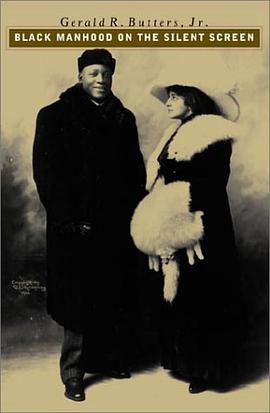
In early-twentieth-century motion picture houses, offensive stereotypes of African Americans were as predictable as they were prevalent. Watermelon eating, chicken thievery, savages with uncontrollable appetites, Sambo and Zip Coon were all representations associated with African American people. Most of these caricatures were rendered by whites in blackface. Few people realize that from 1915 through 1929 a number of African American film directors worked diligently to counter such racist definitions of black manhood found in films like D. W. Griffith's The Birth of a Nation, the 1915 epic that glorified the Ku Klux Klan. In the wake of the film's phenomenal success, African American filmmakers sought to defend and redefine black manhood through motion pictures. Gerald Butters's comprehensive study of the African American cinematic vision in silent film concentrates on works largely ignored by most contemporary film scholars: African American-produced and -directed films and white independent productions of all-black features. Using these "race movies" to explore the construction of masculine identity and the use of race in popular culture, he separates cinematic myth from historical reality: the myth of the Euro American-controlled cinematic portrayal of black men versus the actual black male experience. Through intense archival research, Butters reconstructs many lost films, expanding the discussion of race and representation beyond the debate about "good" and "bad" imagery to explore the construction of masculine identity and the use of race as device in the context of Western popular culture. He particularly examines the filmmaking of Oscar Micheaux, the most prolific andcontroversial of all African American silent film directors and creator of the recently rediscovered Within Our Gates-the legendary film that exposed a virtual litany of white abuses toward blacks. Black Manhood on the Silent Screen is unique in that it takes contemporary and original film theory, applies it to the distinctive body of African American independent films in the silent era, and relates the meaning of these films to larger political, social, and intellectual events in American society. By showing how both white and black men have defined their own sense of manhood through cinema, it examines the intersection of race and gender in the movies and offers a deft interweaving of film theory, American history, and film history.
作者简介
目录信息
读后感
用户评价
我必须承认,我原本对这类题材的影片持保留态度,总觉得有些故作高深,但这部作品完全颠覆了我的预期。它的叙事结构异常精妙,充满了后现代主义的解构手法,却又在核心主题上保持了惊人的稳定性和穿透力。影片中穿插了大量的象征符号和隐喻,初看可能会让人有些摸不着头脑,但随着剧情的推进,这些碎片化的信息逐渐拼凑成一幅宏大而震撼的图景。导演似乎有意避开传统的戏剧冲突,转而着力于刻画角色的内在体验和生存困境,探讨的是更深层次的人性与环境的互动关系。剪辑的手法非常大胆,频繁的跳切和时间线的交错,反而增强了故事的疏离感和荒谬感,让观众被迫以一种审视而非被动接受的姿态去观看,这是一次非常成功的艺术尝试。
这部电影的成功,很大程度上归功于其对时代氛围的精准捕捉。它不仅仅是一个故事,更像是一份关于特定历史时期社会情绪的档案记录。服装、道具乃至布景的每一个细节都考究到了极致,没有一丝一毫的时代错乱感,仿佛真的将我们带回了那个特定的年代。但它的高明之处在于,它没有停留在对历史的简单复刻上,而是用一种近乎超现实的视角去审视其中的矛盾与张力。导演似乎在玩味着“真实”与“表象”之间的界限,让你不断怀疑你所看到的究竟是历史的重现,还是潜意识的投射。观看过程中,我多次感到一种强烈的“既视感”,仿佛这些压抑和挣扎,也存在于我们当下的生活中,只是被包装得更精致罢了。
说实话,这部电影的片长让我有些犹豫,但当我真正投入其中时,时间仿佛静止了。它给我的感觉更像是一部流动的文学作品,文字的韵律被转化成了光影的诗篇。它的对话极其精炼,每一个词语都经过了千锤百炼,没有一句是多余的废话,充满了哲学的思辨色彩。我尤其欣赏它对于“沉默”的处理,很多关键性的转折点都是在万籁俱寂中完成的,那种压抑感和蓄势待发的力量感,远比喧嚣的争吵更具冲击力。摄影师对景深的运用令人叹为观止,前景的模糊与背景的清晰形成了强烈的对比,暗示着主角认知中那些清晰与模糊的界限。这是一部需要静下心来,甚至二刷三刷才能体会其深意的作品,它挑战了观众的耐心,但也慷慨地回报以深刻的感悟。
这部影片简直是一场视觉的盛宴,色彩的运用大胆而富有层次感,每一帧画面都像精心构图的油画。导演对光影的掌控达到了出神入化的境界,时而让人物笼罩在深邃的阴影中,烘托出内心的挣扎与复杂性;时而又用一束耀眼的光芒直射主角,仿佛要穿透屏幕,直击观众的灵魂。叙事节奏把握得极为精准,并非那种平铺直叙的老套路,而是像高明的音乐家在演奏,有张有弛,有激昂的爆发,也有令人屏息的宁静。特别是配乐,完全是为这部作品量身定做,它不仅仅是背景音,更是情感的载体,完美地填补了那些无声的瞬间,让观众能清晰地“听见”角色内心未曾说出口的叹息与呐喊。演员们的表演更是无可挑剔,他们的眼神交流充满了千言万语,肢体语言的细微变化都传达出深沉的意境,让人完全沉浸在那个虚构却又无比真实的世界里,看完之后久久无法抽离。
我很少用“史诗感”来形容一部非历史题材的影片,但这部作品完全配得上这个词。它在叙事上具有极强的延展性和包容性,似乎能在每一个普通角色的命运中,看到人类集体经验的缩影。导演构建了一个极其复杂的情感迷宫,主角们每一步的抉择都充满了宿命论的悲剧色彩,但同时又蕴含着微弱却坚韧的希望之光。影片的配乐风格多变,时而宏大庄严,时而又回归到极简主义的钢琴独奏,这种对比极大地增强了情感的张力。看完之后,我感受到的不是简单的悲伤或感动,而是一种对生命本质的敬畏感,它迫使你直面那些关于身份认同、社会期待和自我救赎的永恒命题。这是一次震撼心灵的观影体验,其影响力会持续很久。