
具体描述
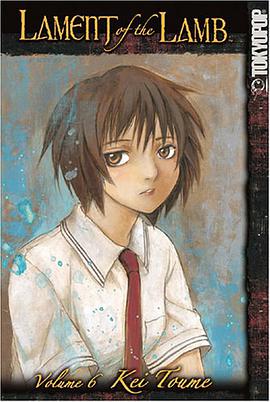
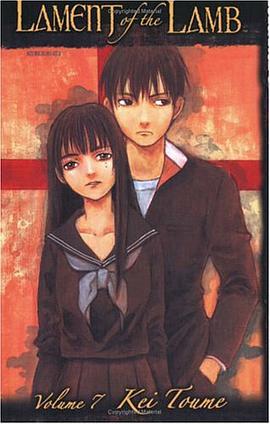
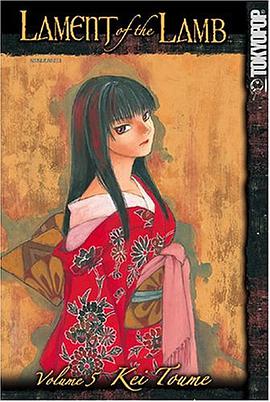
Kazuna satisfies his craving by drinking Chizuna's blood. Chizuna welcomes it and wants to merge with his flesh and blood. Kazuna, however, feels inadequate; he wants to be for Chizuna what she is to him. But Chizuna refuses to drink Kazuna's blood because that would associate him with her father. Minase withholds any further medication from Chizuna, fearing its dangerous effects on her. He tells Kazuna to exercise some influence on her and help control her symptoms. Minase, meanwhile, reflects on his long-standing and unshakeable attachment to Chizuna and his knowledge that she will never accept him as one of her own. Just then, he notices Yaegashi at the clinic inquiring about Kazuna's address. He tells her that Kazuna's moved in with her ailing sister, far away, and that she should stop looking for him Yaegashi reveals to Minase that she knows that Kazuna suffers from the same illness. Minase tells her to stay away from him, that it would only prolong her misery if she continued her efforts to find Kazuna. Nevertheless, out of love and loyalty, Yaegashi says she will persist. Minase relents and gives her Kazuna's address. Chizuna, having stopped her dosage of the powerful medicine, is anxious about what will happen should her symptoms arise again. Just then, Aunt Natsuko shows up with a proposition for them. She and Uncle Eda want to adopt both of them. She tells them that they can still stay together in their family home and, together, they'll fight their illness. Chizuna rejects her proposition. She says that she cannot bring anyone outside the Takeshiro family into the fold of this horrible illness. Her fate is sealed and to accept Aunt Natsuko's notions of a "happy little family" would be illusory and tragic. Kazuna agrees. Dejected, Aunt Natsuko leaves. Chizuna, still reeling from her medicine withdrawal, is stricken with fever and in the grip of a vampiric attack. Kazuna willingly offers his blood to her, but she refuses, not wanting to re-create with him the relationship she had with her father. Chizuna then collapses. Minase-san rushes in and whisks her off, accompanied by Kazuna, to recover at an old clinic once run by Chizuna's father. Minase leaves her there for observation and tells Kazuna he must keep away while she's ailing. Later that day, Kazuna gets a shock when he's approached by Yaegashi. Again, Kazuna pleads with her to forget about him, that a life together would be terrible. Yaegashi, in turn, admits that the days since he went away have been unbearable for her. Kazuna runs off, but the thought of the possessive Chizuna keeps Yaegashi from following him. Back at the house, Kazuna contemplates the futility of his helping Chizuna. He feels overwhelmed by her illness and diminished by his powerlessness. Back at the clinic, Minase orders Chizuna never to return to her old house. The advanced state of her disease, combined with Kazuna's presence, could be fatally dangerous, he says. He insists that Chizuna make herself at home at the clinic. But, after he leaves, she attempts to escape and hitch a ride back to the family home in Tokyo. She passes out on the road and is brought back by a local. Minase is anxious about her declining health. But Chizuna tells him that her situation is hopeless: with or without treatment, she's going to weaken. Her days are numbered. All she wants now is to return to Tokyo. Chizuna tells Minase that, no matter what, she will never drink Kazuna's blood and bind him to her fate, a fate that only she bears the burden of. By resisting Kazuna's blood, she is also freeing herself of the emotional grip exerted by her father. Minase refuses to give over the medicine, and he breaks down, expressing resentment that Kazuna took his place and regret because he wasn't the one to save Chizuna. Minase regrets that Chizuna never returned the passionate feelings that he's always had for her. Chizuna realizes that, for far too long, she's strung Minase's heart along, that he looks upon her that same way she obsessed over her father before he died. The next day, Minase finds that Chizuna is gone and that she's left a note. It's a parting note, expressing her lifelong gratitude to him and the inevitability of her decision to continue her deadly treatment if only to spend her last days with Kazuna. Minase despairs, but he does not regret his devotion to this woman.
作者简介
目录信息
读后感
用户评价
这本书所探讨的主题的沉重性,让我一度需要暂停阅读,去消化那些直击灵魂深处的问题。它不像许多奇幻或悬疑小说那样,提供一个明确的善恶对立,反而深入探讨了道德的灰色地带——当生存的必要性与伦理的底线发生冲突时,人性的边界究竟在哪里?书中对“牺牲”这个概念的解构尤为深刻,它没有美化任何一方的选择,而是冷酷地展示了每一种“正确”选择背后所付出的沉重代价。我特别关注了其中关于“责任的继承”那一章节,主人公被迫承担起前人留下的道德债务,那种无力感和宿命感被描绘得入木三分。读完后,我久久无法平静,它没有提供简单的答案或心灵鸡汤,而是像一面冰冷的镜子,映照出我们自身在面对困境时的怯懦与挣扎。这是一种挑战性的阅读体验,它不提供慰藉,只提供深刻的洞察,因此,我不会向所有人都推荐它,只适合那些准备好面对自身阴影的读者。
这本书的叙事节奏简直是教科书级别的慢热,起初的几章,我感觉自己像是在一片浓雾中摸索前行,人物的动机和世界观的构建都极其晦涩。作者似乎故意设置了重重迷障,让读者需要付出大量的耐心去拼凑那些散落的线索。我记得有一段描绘主角在那个潮湿、几乎令人窒息的古老图书馆里翻阅卷轴的场景,那种细腻到可以触摸到的霉味和纸张的腐朽感,几乎让我真的闻到了那种气味。这种对环境氛围的极致渲染,虽然偶尔会让人觉得推进缓慢,但一旦你适应了这种缓慢的呼吸,你会发现它像一条深埋地下的河流,表面平静无波,实则暗流汹涌。特别是作者对次要角色内心挣扎的刻画,那种微妙的、不愿被察觉的嫉妒与恐惧,处理得极其精妙,毫不煽情,却让人不寒而栗。我尤其欣赏作者对于“沉默”的运用,许多关键的冲突和情感爆发都是在无声中完成的,文字的留白恰到好处地将解读的空间交给了读者,使得每一次重读都会有新的体会。这绝对不是那种爆米花式的阅读体验,它要求你全身心投入,像一个考古学家一样,小心翼翼地剥开层层历史的尘埃,才能见到核心的结构。
这部作品的配乐(如果可以这样称呼的话)——也就是那些穿插其中的诗歌和独白——是其艺术成就中不可分割的一部分。它们的存在感极其强烈,每次出现都像是一次情感的蓄力,为即将到来的情节高潮做着精准的铺垫。这些诗歌往往具有一种古老的、吟游诗人的腔调,节奏感强烈,但内容上却极其隐晦,充满了大量的自然意象,比如风暴、枯木、以及永不熄灭的灯火。我发现自己常常会停下来,反复诵读那些段落,试图捕捉其中韵律的微妙变化。有趣的是,这些诗歌的语境似乎总是在叙事的高潮和低谷之间架起了一座桥梁,它们仿佛是角色的潜意识在用一种更纯粹、更原始的方式发声。这种将抒情诗体与严肃叙事如此紧密地编织在一起的做法,非常具有挑战性,但最终效果是极具沉浸感的,它提升了整部作品的文学层次,使其超越了普通故事的范畴,带有一种史诗般的悲剧色彩。
这本书的语言风格,说实话,初读时有些令人望而却步,充满了大量古典文学的引用和晦涩的哲学术语,感觉像是直接从一本十八世纪的学术论文里截取出来的片段。我好几次差点因为一个生僻的拉丁词汇而停下来查阅,这极大地打断了阅读的连贯性。但是,当故事情节逐渐深入,尤其是在涉及到那个神秘的教团的仪式描写时,这种略显做作的“高深”开始展现出其合理性。作者似乎想通过这种刻意的语言障碍,来模拟角色们所处时代知识的壁垒和权力的结构。那些繁复的句式和复杂的从句,反而强化了一种庄严感和不可侵犯感。特别是他对光影和色彩的描述,简直可以用“绘画般”来形容,那种“青铜色的黄昏”或者“被琥珀色油脂浸透的阴影”,既精准又充满象征意义。这种风格无疑会将一部分寻求轻松阅读的读者拒之门外,但对于痴迷于语言本身和文化深度的读者来说,这简直是一场语言的盛宴,每一次推敲都能发现新的韵味和隐藏的音节美感。
我必须承认,这本书的结构设计是极其大胆且充满风险的,它根本不遵循传统的小说三幕剧结构。情节的发展是跳跃性的,时间线经常被随意地折叠和重塑,感觉就像是在听一个得了健忘症的讲故事者,时而清晰,时而混乱。初读时我非常困惑,总觉得抓不住主线,甚至怀疑作者是否对自己笔下的人物命运有清晰的规划。然而,当我翻到最后,回溯整个阅读过程时,才恍然大悟。作者并非是想讲述一个线性的“发生了什么”的故事,而是试图构建一个“记忆如何运作”的模型。那些看似随机的闪回和重复出现的意象,实际上是情感记忆的碎片,它们在读者的脑海中反复重组,最终形成了一种比线性叙事更具震撼力的心理冲击。这种非线性的处理方式,要求读者主动参与到叙事构建中来,你不再是被动的接受者,而是情节的共同创造者。这种结构上的实验性,是这本书最让人印象深刻,也最值得称道的地方,它拓展了我对小说叙事可能性的理解。