
具体描述
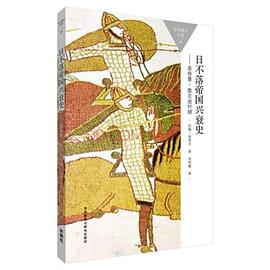
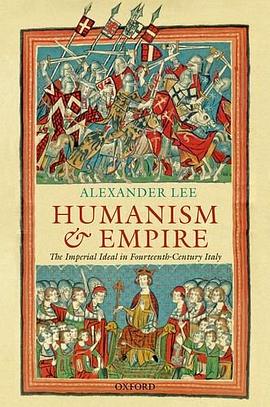
For more than a century, scholars have believed that Italian humanism was predominantly civic in outlook. Often serving in communal government, fourteenth-century humanists like Albertino Mussato and Coluccio Saltuati are said to have derived from their reading of the Latin classics a rhetoric of republican liberty that was opposed to the "tyranny" of neighbouring signori and of the German emperors.
In this ground-breaking study, Alexander Lee challenges this long-held belief. From the death of Frederick II in 1250 to the failure of Rupert of the Palatinate's ill-fated expedition in 1402, Lee argues, the humanists nurtured a consistent and powerful affection for the Holy Roman Empire. Though this was articulated in a variety of different ways, it was nevertheless driven more by political conviction than by cultural concerns. Surrounded by endless conflict--both within and between city-states--the humanists eagerly embraced the Empire as the surest guarantee of peace and liberty, and lost no opportunity to invoke its protection. Indeed, as Lee shows, the most ardent appeals to imperial authority were made not by "signorial" humanists, but by humanists in the service of communal regimes.
The first comprehensive, synoptic study of humanistic ideas of Empire in the period c.1250-1402, this volume offers a radically new interpretation of fourteenth-century political thought, and raises wide-ranging questions about the foundations of modern constitutional ideas. As such, it is essential reading not just for students of Renaissance Italy and the history of political thought, but for all those interested in understanding the origins of liberty.
作者简介
Alexander Lee is a fellow in the Centre for the Study of the Renaissance at the University of Warwick. Educated at the universities of Cambridge and Edinburgh, he has previously held positions at the University of Oxford, the Universite du Luxembourg, and the Universita degli studi di Bergamo. His recent publications include Petrarch and St. Augustine: Classical Scholarship, Christian Theology, and the Origins of the Renaissance in Italy (2012) and The Ugly Renaissance (2013). He is currently completing a biography of Niccolo Machiavelli.
目录信息
Part I The Defence of Empire
1. Communes, Signori, and Empire (c.1260-c.1335)
2. Providence, History, and Empire (c.1290-c.1335)
3. Italy, Rome, and Empire (c.1335-1369)
4. The Twilight of Empire (1369-1402)
Part II The Dynamics of Empire
5. The Bounds of Empire
6. Imperium and Sacerdotium
7. An Elective Empire
Epilogue: Humanism and Empire
Bibliography
· · · · · · (收起)
读后感
用户评价
如果说市面上的历史著作大多是宏观铺陈,那么这本书更像是用一把手术刀在做局部精细解剖。它对特定概念的词源学溯源和语义漂移分析达到了令人惊叹的程度。作者似乎对每一个被视为理所当然的术语都抱持着一种“怀疑的敬畏”,不断地叩问:“这个词在被带到新语境时,它携带了哪些旧世界的幽灵?” 这种对语言的执着,使得全书的论证基石无比坚固。我尤其喜欢它处理“进步主义”叙事中那种微妙的自我矛盾时所展现的幽默感——不是嘲讽,而是一种对人类局限性的深刻洞察。它让你意识到,那些最真诚地相信自己在“开化”他者的行动者,恰恰也是被自己时代最大的意识形态盲点所困住的人。这种洞察力要求读者也必须保持高度的警觉,时刻反思我们自己在阅读和阐释这些历史时,是否也戴着一副看不见的有色眼镜。阅读的过程,与其说是知识的吸收,不如说是一场持续不断的自我校准练习。
这本书的叙事节奏掌握得非常高明,它像一条蜿蜒的河流,时而湍急,时而深沉,引人入胜。我几乎无法用单一的标签来概括它涵盖的领域,因为它跨越了哲学思辨、政治经济学分析,甚至触及了美学范畴中的“异域情调”的生产机制。最让我拍案叫绝的是它对“同化”过程的解构。作者没有简单地将文化渗透视为单向的强加,而是着墨于当地精英阶层在接受、改造和重新诠释外来观念时的能动性。这部分内容读起来有一种醍醐灌顶的感觉,因为它挑战了我们对“被殖民者”的刻板印象——仿佛他们是完全被动的接受者。书中对特定地区知识分子群体内部关于“如何回应外部压力”的争论进行了细致的描摹,那些激烈的辩论、微妙的妥协,都展现了权力博弈的复杂人性。读完后,我发现自己对许多历史事件的理解都增添了一个维度:即理解事件,必须同时理解那些身处其中的人,他们所做的每一个选择,都是在多重张力下被挤压出来的产物。
我必须承认,初读这本书时,我感到了一种智力上的挫败感,因为它完全不照顾读者的既有认知舒适区。它强行将你拉入一个充满专业术语和复杂历史背景的深水区。然而,一旦你适应了这种节奏,并开始跟随作者的思路在不同的时空、不同的文本之间穿梭时,那种智力上的回报是巨大的。它提供了一种看待历史的“多焦镜头”视角,不再满足于单一的、自上而下的宏大叙事。作者在处理那些处于权力边缘,但又在关键时刻起到杠杆作用的人物群像时,笔触尤其细腻和富有同理心。这些“中间人”——翻译家、地方代理人、混血学者——他们夹缝中求生存的策略和思想挣扎,构成了本书最富张力的部分。读罢全书,我感觉自己对“权力如何在看似最不可能的地方渗透和运作”有了更深刻的理解。它不是一本能让人轻松阅读的书,但绝对是一本能彻底改变你看待世界方式的里程碑式的作品。
这本书的探讨角度实在太刁钻了,它没有落入那种常见的、非黑即白的道德审判窠臼,反而像是把历史的脉络摊开,让你近距离观察那些宏大叙事背后的微小齿轮是如何咬合、如何运转的。我特别欣赏作者处理“进步”这个概念时的那种审慎和克制。我们总习惯于用现代的价值标尺去衡量过去,但这本书却强迫你暂时放下手中的尺子,去理解彼时彼刻的知识结构和权力运作逻辑。它没有急于给出“是”或“否”的判断,而是深入挖掘了文化输出与意识形态构建之间那些微妙的共谋关系。例如,它对某个特定时期某个远洋考察团的记述,绝不仅仅是罗列他们发现了什么物种、绘制了哪些地图,更重要的是,它揭示了“发现”这个行为本身如何被用作合法性构建的工具。那种精细入微的文本分析,几乎让人感觉自己置身于档案室,呼吸着那些泛黄纸张的气味,体会着学者们在信息不完备的情况下,如何小心翼翼地搭建起他们对世界的认知框架。这种对复杂性的拥抱,远比简单的谴责或赞美来得更有力量和持久的影响。
这本书的论述密度极高,阅读起来需要极大的专注力,因为它拒绝提供任何廉价的结论或简单的总结。它更像是一系列相互关联但又各自独立的微型研究的汇集,每一个章节都能单独拿出来支撑起一篇博士论文的深度。我发现自己不得不频繁地停下来,合上书本,在脑中反复梳理作者刚刚构建起来的逻辑链条。其中关于文化商品化如何重塑地方身份认同的部分,尤其发人深省。它揭示了当一种地方文化元素被提炼、简化,并作为“异域风情”推向更广阔的市场时,它内部固有的复杂性和矛盾性是如何被系统性地抹除或淡化的。这种过程不仅仅是经济行为,更是一种认知重塑,它塑造了外部对内部的看法,同时也反过来,迫使内部群体为了迎合外部的凝视而调整自身的实践。这本书的价值在于,它让你看到,所谓的文化交流,从来都不是平等的物物交换,而是权力关系下的形态重塑。