
具体描述
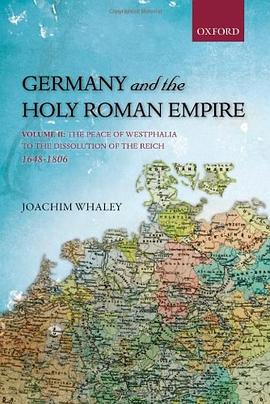
Germany and the Holy Roman Empire offers a new interpretation of the development of German-speaking central Europe and the Holy Roman Empire or German Reich, from the great reforms of 1495-1500 to its dissolution in 1806 after the turmoil of the French Revolutionary and Napoleonic Wars. Going against the notion that this was a long period of decline, Joachim Whaley shows how imperial institutions developed in response to the crises of the sixteenth and seventeenth centuries, notably the Reformation and Thirty Years War, and assesses the impact of international developments on the Reich. Central themes are the tension between Habsburg aspirations to create a German monarchy and the desire of the German princes and cities to maintain their traditional rights, and how the Reich developed the functions of a state during this period. The first single-author account of German history from the Reformation to the early nineteenth century since Hajo Holborn's study written in the 1950s, it also illuminates the development of the German territories subordinate to the Reich. Whaley explores the implications of the Reformation and subsequent religious reform movements, both Protestant and Catholic, and the Enlightenment for the government of both secular and ecclesiastical principalities, the minor territories of counts and knights and the cities. The Reich and the territories formed a coherent and workable system and, as a polity, the Reich developed its own distinctive political culture and traditions of German patriotism over the early modern period. Whaley explains the development of the Holy Roman Empire as an early modern polity and illuminates the evolution of the several hundred German territories within it. He gives a rich account of topics such as the Reformation, the Thirty Years War, Pietism and baroque Catholicism, the Aufklarung or German Enlightenment and the impact on the Empire and its territories of the French Revolution and Napoleon. It includes consideration of language, cultural aspects and religious and intellectual movements. Germany and the Holy Roman Empire engages with all the major debates among both German and English-speaking historians about early modern German history over the last sixty years and offers a striking new interpretation of this important period. Volume II starts with the end of the Thirty Years War and extends to the dissolution of the Reich
作者简介
目录信息
读后感
用户评价
这本书最吸引我的地方,在于它成功地捕捉到了“神圣性”与“帝国性”之间的永恒张力。我们常把“神圣罗马帝国”这个名字视为一个历史的讽刺,但作者却深入挖掘了那种“罗马继承者”的自我期许是如何驱动着历代皇帝的行动的,哪怕他们的实际权力可能只局限于哈布斯堡的领地。这种理想主义与残酷的现实政治之间的巨大鸿沟,构成了全书最引人入胜的内在冲突。作者对帝国骑士、城市自治体以及自由帝国城市的描绘,极大地丰富了我对帝国社会结构的理解。这些“中间权力”才是维持帝国表面运转的润滑剂,他们的存在既削弱了皇帝的中央集权,又在某种程度上防止了帝国彻底解体。书中的地图和插图选择也十分到位,帮助读者在脑海中构建起那个错综复杂、镶嵌着无数主权碎片的地理实体。读罢此书,我对欧洲早期民族国家形成前的政治形态有了一种更深刻、更辩证的认识,明白“统一”从来不是历史的唯一出路。
这本书的文笔流畅且极富洞察力,成功地将一个看似遥远而晦涩的政治实体带到了读者面前。它不是那种冰冷的历史记录,而是一部充满生命力的历史叙事。我特别欣赏作者在收尾部分对帝国终结的探讨——那种缓慢的、几乎是“自然死亡”的过程,而非简单的外部强力摧毁。一千多年的历史积累,最终在拿破仑的铁蹄下宣告终结,这种宿命感被作者描绘得既悲壮又合乎逻辑。读到最后,我没有感到强烈的惋惜,而是对一种复杂历史模式的终结产生了一种敬畏之情。全书结构严谨,从加洛林王朝的遗产开始,一步步铺陈到哈布斯堡的统治,最终收束于启蒙运动对中央集权的质疑,整个脉络清晰得令人赞叹。它成功地解答了我心中长期存在的疑问:一个如此松散的“国家”是如何存在并发挥影响力的?这部作品无疑是我书架上关于欧洲中世纪晚期与早期近代历史研究中最重要的一本参考书。
说实话,这本书的阅读体验是极具挑战性,但绝对物有所值的。它并非那种可以轻松翻阅的通俗读物,更像是一部严谨的学术专著,充满了对一手资料的审慎解读和对现有史学观点的细致辨析。我尤其赞赏作者在处理宗教改革这场巨变时的冷静克制。他没有简单地将马丁·路德塑造成一个英雄或煽动者,而是将其置于复杂的帝国政治背景下进行考察,清晰地展示了宗教信仰如何被用来作为世俗权力斗争的工具。书中关于“教随国定”(Cuius regio, eius religio)原则的形成和影响的分析,简直是教科书级别的。每一次阅读,我都感觉自己的历史认知框架在被重塑,那些原本看似理所当然的历史事件,在作者的梳理下展现出了全新的、多维度的逻辑链条。唯一美中不足的是,某些关于早期加洛林王朝继承问题的章节,其细节密度稍显过大,对于非专业读者来说,可能需要反复回读才能完全跟上作者的论证步伐。不过,对于那些渴望深入探究帝国政治基因的人来说,这正是这本书的价值所在。
作为一名对欧洲军事史有着浓厚兴趣的读者,我发现这本书在论述战争和军事组织方面,虽然不是核心侧重,但其见解却异常精辟独到。它没有花费大量篇幅去描述具体的战役细节,而是着重分析了帝国在面对外敌(如奥斯曼土耳其人)和内部冲突时,其军事动员机制的结构性缺陷。那个“全民皆兵”的理论理想与实际征召、补给的混乱现实之间的巨大反差,被揭示得淋漓尽致。特别是关于“帝国军队”(Reichsarmee)的组建和财政来源的分析,清晰地解释了为何帝国在关键时刻总是显得反应迟缓、力量分散。作者将军事失败更多地归因于政治体制的僵化,而非士兵的勇气不足,这种视角极具启发性。这种将政治、财政与军事力量紧密联系起来的分析框架,让我彻底理解了为何尽管有强大的皇帝和看似光荣的历史名号,帝国在近代欧洲的权力博弈中总是处于守势。
这部鸿篇巨制简直是历史爱好者的一场盛宴,我原本对神圣罗马帝国这段历史抱持着模糊的印象,只知道它“存在了很久”并且“很复杂”,但读完之后,我感觉自己仿佛穿越回了中世纪的宫廷和纷乱的帝国议会之中。作者在叙事时展现了一种令人惊叹的平衡感,既没有沉溺于枯燥的年表罗列,也没有为了追求戏剧性而过度简化复杂的政治角力。尤其让我印象深刻的是他对不同选帝侯之间微妙权力制衡的描绘,那种小心翼翼的外交辞令、私下的联盟与背叛,比任何小说都更加引人入胜。书中对帝国宪政结构,尤其是黄金诏书(Golden Bull)的深入剖析,清晰地揭示了皇帝权力是如何被限制和分散的,这对于理解为何这个帝国能维持近千年却又难以实现真正意义上的统一至关重要。阅读过程中,我不得不时常停下来思考,如何在一个如此碎片化、权力分散的政治实体中维持最低限度的凝聚力,这不仅仅是历史研究,更像是在研究一种极端复杂的组织行为学。作者的笔触细腻,能够将宏观的历史变迁与微观的贵族生活巧妙地融合在一起,让人在理解历史大势的同时,也能感受到那个时代人物的真实挣扎与抱负。