
具体描述
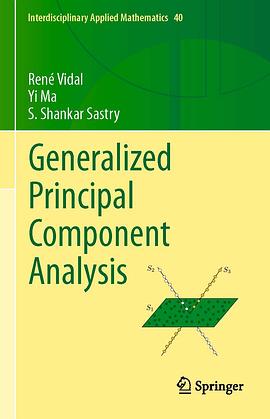
This book provides a comprehensive introduction to the latest advances in the mathematical theory and computational tools for modeling high-dimensional data drawn from one or multiple low-dimensional subspaces (or manifolds) and potentially corrupted by noise, gross errors, or outliers. This challenging task requires the development of new algebraic, geometric, statistical, and computational methods for efficient and robust estimation and segmentation of one or multiple subspaces. The book also presents interesting real-world applications of these new methods in image processing, image and video segmentation, face recognition and clustering, and hybrid system identification etc.
This book is intended to serve as a textbook for graduate students and beginning researchers in data science, machine learning, computer vision, image and signal processing, and systems theory. It contains ample illustrations, examples, and exercises and is made largely self-contained with three Appendices which survey basic concepts and principles from statistics, optimization, and algebraic-geometry used in this book.
作者简介
René Vidal is a Professor of Biomedical Engineering and Director of the Vision Dynamics and Learning Lab at The Johns Hopkins University.
Yi Ma is Executive Dean and Professor at the School of Information Science and Technology at ShanghaiTech University.
S. Shankar Sastry is Dean of the College of Engineering, Professor of Electrical Engineering and Computer Science and Professor of Bioengineering at the University of California, Berkeley.
目录信息
1.1 Modeling Data with a Parametric Model. . . . . . . . . . . . . . . . . . . . . . . . . . . . 2
1.1.1 The Choice of a Model Class . . . . . . . . . . . . . . . . . . . . . . . . . . . . . . 3
1.1.2 Statistical Models versus Geometric Models .. . . . . . . . . . . . . 4
1.2 Modeling Mixed Data with a Mixture Model . . . . . . . . . . . . . . . . . . . . . . . 6
1.2.1 Examples of Mixed Data Modeling . . . . . . . . . . . . . . . . . . . . . . . 7
1.2.2 Mathematical Representations of Mixture Models . . . . . . . 12
1.3 Clustering via Discriminative or Nonparametric Methods . . . . . . . . . 16
1.4 Noise, Errors, Outliers, and Model Selection . . . . . . . . . . . . . . . . . . . . . . . 18
Part I Modeling Data with a Single Subspace
2 Principal Component Analysis . . . . . . . . . . . . . . . . . . . . . . . . . . . . . . . . . . . . . . . . . . . . 25
2.1 Classical Principal Component Analysis (PCA) . . . . . . . . . . . . . . . . . . . . 25
2.1.1 A Statistical View of PCA. . . . . . . . . . . . . . . . . . . . . . . . . . . . . . . . . . 26
2.1.2 A Geometric View of PCA. . . . . . . . . . . . . . . . . . . . . . . . . . . . . . . . . 30
2.1.3 A Rank Minimization View of PCA. . . . . . . . . . . . . . . . . . . . . . . 34
2.2 Probabilistic Principal Component Analysis (PPCA) . . . . . . . . . . . . . . 38
2.2.1 PPCA from Population Mean and Covariance . . . . . . . . . . . . 39
2.2.2 PPCA by Maximum Likelihood . . . . . . . . . . . . . . . . . . . . . . . . . . . 40
2.3 Model Selection for Principal Component Analysis. . . . . . . . . . . . . . . . 45
2.3.1 Model Selection by Information-Theoretic Criteria . . . . . . 46
2.3.2 Model Selection by Rank Minimization .. . . . . . . . . . . . . . . . . . 49
2.3.3 Model Selection by Asymptotic Mean Square Error . . . . . 51
2.4 Bibliographic Notes . . . . . . . . . . . . . . . . . . . . . . . . . . . . . . . . . . . . . . . . . . . . . . . . . . 53
2.5 Exercises . . . . . . . . . . . . . . . . . . . . . . . . . . . . . . . . . . . . . . . . . . . . . . . . . . . . . . . . . . . . . . 54
3 Robust Principal Component Analysis . . . . . . . . . . . . . . . . . . . . . . . . . . . . . . . . . . . 63
3.1 PCA with Robustness to Missing Entries . . . . . . . . . . . . . . . . . . . . . . . . . . . 64
3.1.1 Incomplete PCA by Mean and Covariance Completion . . 68
3.1.2 Incomplete PPCA by Expectation Maximization . . . . . . . . . 69
3.1.3 Matrix Completion by Convex Optimization . . . . . . . . . . . . . 73
3.1.4 Incomplete PCA by Alternating Minimization.. . . . . . . . . . . 78
3.2 PCA with Robustness to Corrupted Entries . . . . . . . . . . . . . . . . . . . . . . . . . 87
3.2.1 Robust PCA by Iteratively Reweighted Least Squares . . . 89
3.2.2 Robust PCA by Convex Optimization .. . . . . . . . . . . . . . . . . . . . 92
3.3 PCA with Robustness to Outliers . . . . . . . . . . . . . . . . . . . . . . . . . . . . . . . . . . . . 99
3.3.1 Outlier Detection by Robust Statistics . . . . . . . . . . . . . . . . . . . . . 101
3.3.2 Outlier Detection by Convex Optimization . . . . . . . . . . . . . . . 107
3.4 Bibliographic Notes . . . . . . . . . . . . . . . . . . . . . . . . . . . . . . . . . . . . . . . . . . . . . . . . . . 113
3.5 Exercises . . . . . . . . . . . . . . . . . . . . . . . . . . . . . . . . . . . . . . . . . . . . . . . . . . . . . . . . . . . . . . 115
4 Nonlinear and Nonparametric Extensions. . . . . . . . . . . . . . . . . . . . . . . . . . . . . . . 123
4.1 Nonlinear and Kernel PCA . . . . . . . . . . . . . . . . . . . . . . . . . . . . . . . . . . . . . . . . . . 126
4.1.1 Nonlinear Principal Component Analysis (NLPCA) . . . . . 126
4.1.2 NLPCA in a High-dimensional Feature Space . . . . . . . . . . . . 128
4.1.3 Kernel PCA (KPCA) . . . . . . . . . . . . . . . . . . . . . . . . . . . . . . . . . . . . . . . 129
4.2 Nonparametric Manifold Learning . . . . . . . . . . . . . . . . . . . . . . . . . . . . . . . . . . 133
4.2.1 Multidimensional Scaling (MDS) . . . . . . . . . . . . . . . . . . . . . . . . . 134
4.2.2 Locally Linear Embedding (LLE) . . . . . . . . . . . . . . . . . . . . . . . . . 135
4.2.3 Laplacian Eigenmaps (LE) . . . . . . . . . . . . . . . . . . . . . . . . . . . . . . . . . 138
4.3 K-Means and Spectral Clustering . . . . . . . . . . . . . . . . . . . . . . . . . . . . . . . . . . . 143
4.3.1 K-Means Clustering . . . . . . . . . . . . . . . . . . . . . . . . . . . . . . . . . . . . . . . . 145
4.3.2 Spectral Clustering . . . . . . . . . . . . . . . . . . . . . . . . . . . . . . . . . . . . . . . . . 148
4.4 Bibliographic Notes . . . . . . . . . . . . . . . . . . . . . . . . . . . . . . . . . . . . . . . . . . . . . . . . . . 160
4.5 Exercises . . . . . . . . . . . . . . . . . . . . . . . . . . . . . . . . . . . . . . . . . . . . . . . . . . . . . . . . . . . . . . 161
4.A Laplacian Eigenmaps: Continuous Formulation .. . . . . . . . . . . . . . . . . . . 166
Part II Modeling Data with Multiple Subspaces
5 Algebraic-GeometricMethods . . . . . . . . . . . . . . . . . . . . . . . . . . . . . . . . . . . . . . . . . . . 171
5.1 Problem Formulation of Subspace Clustering . . . . . . . . . . . . . . . . . . . . . . 172
5.1.1 Projectivization of Affine Subspaces . . . . . . . . . . . . . . . . . . . . . . 172
5.1.2 Subspace Projection and Minimum Representation . . . . . . 174
5.2 Introductory Cases of Subspace Clustering . . . . . . . . . . . . . . . . . . . . . . . . . 176
5.2.1 Clustering Points on a Line . . . . . . . . . . . . . . . . . . . . . . . . . . . . . . . . 176
5.2.2 Clustering Lines in a Plane . . . . . . . . . . . . . . . . . . . . . . . . . . . . . . . . . 179
5.2.3 Clustering Hyperplanes . . . . . . . . . . . . . . . . . . . . . . . . . . . . . . . . . . . . 181
5.3 Subspace Clustering Knowing the Number of Subspaces.. . . . . . . . . 184
5.3.1 An Introductory Example . . . . . . . . . . . . . . . . . . . . . . . . . . . . . . . . . . 184
5.3.2 Fitting Polynomials to Subspaces. . . . . . . . . . . . . . . . . . . . . . . . . . 186
5.3.3 Subspaces from Polynomial Differentiation . . . . . . . . . . . . . . 188
5.3.4 Point Selection via Polynomial Division . . . . . . . . . . . . . . . . . . 190
5.3.5 The Basic Algebraic Subspace Clustering Algorithm . . . . 193
5.4 Subspace Clustering not Knowing the Number of Subspaces . . . . . 196
5.4.1 Introductory Examples . . . . . . . . . . . . . . . . . . . . . . . . . . . . . . . . . . . . . 196
5.4.2 Clustering Subspaces of Equal Dimension .. . . . . . . . . . . . . . . 198
5.4.3 Clustering Subspaces of Different Dimensions . . . . . . . . . . . 200
5.5 Model Selection for Multiple Subspaces . . . . . . . . . . . . . . . . . . . . . . . . . . . . 201
5.5.1 Effective Dimension of Samples of Multiple Subspaces . 202
5.5.2 Minimum Effective Dimension of Noisy Samples . . . . . . . . 204
5.5.3 Recursive Algebraic Subspace Clustering .. . . . . . . . . . . . . . . . 205
5.6 Bibliographic Notes . . . . . . . . . . . . . . . . . . . . . . . . . . . . . . . . . . . . . . . . . . . . . . . . . . 207
5.7 Exercises . . . . . . . . . . . . . . . . . . . . . . . . . . . . . . . . . . . . . . . . . . . . . . . . . . . . . . . . . . . . . . 210
6 StatisticalMethods . . . . . . . . . . . . . . . . . . . . . . . . . . . . . . . . . . . . . . . . . . . . . . . . . . . . . . . . . 217
6.1 K-Subspaces .. . . . . . . . . . . . . . . . . . . . . . . . . . . . . . . . . . . . . . . . . . . . . . . . . . . . . . . . . 219
6.1.1 K-Subspaces Model . . . . . . . . . . . . . . . . . . . . . . . . . . . . . . . . . . . . . . . . 219
6.1.2 K-Subspaces Algorithm . . . . . . . . . . . . . . . . . . . . . . . . . . . . . . . . . . . . 220
6.1.3 Convergence of the K-Subspaces Algorithm .. . . . . . . . . . . . . 221
6.1.4 Advantages and Disadvantages of K-Subspaces . . . . . . . . . . 222
6.2 Mixture of Probabilistic PCA (MPPCA). . . . . . . . . . . . . . . . . . . . . . . . . . . . 222
6.2.1 MPPCA Model . . . . . . . . . . . . . . . . . . . . . . . . . . . . . . . . . . . . . . . . . . . . . 223
6.2.2 Maximum Likelihood Estimation for MPPCA. . . . . . . . . . . . 223
6.2.3 Maximum a Posteriori (MAP) Estimation for MPPCA . . 226
6.2.4 Relationship between K-Subspaces and MPPCA. . . . . . . . . 228
6.3 Compression-Based Subspace Clustering . . . . . . . . . . . . . . . . . . . . . . . . . . . 231
6.3.1 Model Estimation and Data Compression .. . . . . . . . . . . . . . . . 231
6.3.2 Minimium Coding Length via Agglomerative Clustering 233
6.3.3 Lossy Coding of Multivariate Data . . . . . . . . . . . . . . . . . . . . . . . . 238
6.3.4 Coding Length of Mixed Gaussian Data . . . . . . . . . . . . . . . . . . 242
6.4 Simulations and Applications. . . . . . . . . . . . . . . . . . . . . . . . . . . . . . . . . . . . . . . . 247
6.4.1 Statistical Methods on Synthetic Data . . . . . . . . . . . . . . . . . . . . . 247
6.4.2 Statistical Methods on Gene Expression
Clustering, Image Segmentation, and Face Clustering . . . 254
6.5 Bibliographic Notes . . . . . . . . . . . . . . . . . . . . . . . . . . . . . . . . . . . . . . . . . . . . . . . . . . 258
6.6 Exercises . . . . . . . . . . . . . . . . . . . . . . . . . . . . . . . . . . . . . . . . . . . . . . . . . . . . . . . . . . . . . . 261
6.A Lossy Coding Length for Subspace-like Data . . . . . . . . . . . . . . . . . . . . . . 263
7 Spectral Methods . . . . . . . . . . . . . . . . . . . . . . . . . . . . . . . . . . . . . . . . . . . . . . . . . . . . . . . . . . . 267
7.1 Spectral Subspace Clustering . . . . . . . . . . . . . . . . . . . . . . . . . . . . . . . . . . . . . . . . 268
7.2 Local Subspace Affinity (LSA) and Spectral Local
Best-Fit Flats (SLBF) . . . . . . . . . . . . . . . . . . . . . . . . . . . . . . . . . . . . . . . . . . . . . . . . 270
7.3 Locally Linear Manifold Clustering (LLMC). . . . . . . . . . . . . . . . . . . . . . . 274
7.4 Spectral Curvature Clustering (SCC). . . . . . . . . . . . . . . . . . . . . . . . . . . . . . . . 276
7.5 Spectral Algebraic Subspace Clustering (SASC) . . . . . . . . . . . . . . . . . . . 279
7.6 Simulations and Applications. . . . . . . . . . . . . . . . . . . . . . . . . . . . . . . . . . . . . . . . 281
7.6.1 Spectral Methods on Synthetic Data . . . . . . . . . . . . . . . . . . . . . . . 281
7.6.2 Spectral Methods on Face Clustering. . . . . . . . . . . . . . . . . . . . . . 285
7.7 Exercises . . . . . . . . . . . . . . . . . . . . . . . . . . . . . . . . . . . . . . . . . . . . . . . . . . . . . . . . . . . . . . 289
8 Sparse and Low-Rank Methods . . . . . . . . . . . . . . . . . . . . . . . . . . . . . . . . . . . . . . . . . . 291
8.1 Self-Expressiveness and Subspace-Preserving Representations . . . 294
8.1.1 Self-Expressiveness Property . . . . . . . . . . . . . . . . . . . . . . . . . . . . . . 294
8.1.2 Subspace-Preserving Representation . . . . . . . . . . . . . . . . . . . . . . 296
8.2 Low-Rank Subspace Clustering (LRSC) . . . . . . . . . . . . . . . . . . . . . . . . . . . . 297
8.2.1 LRSC with Uncorrupted Data. . . . . . . . . . . . . . . . . . . . . . . . . . . . . . 297
8.2.2 LRSC with Robustness to Noise . . . . . . . . . . . . . . . . . . . . . . . . . . . 302
8.2.3 LRSC with Robustness to Corruptions . . . . . . . . . . . . . . . . . . . . 308
8.3 Sparse Subspace Clustering (SSC) . . . . . . . . . . . . . . . . . . . . . . . . . . . . . . . . . . 310
8.3.1 SSC with Uncorrupted Data. . . . . . . . . . . . . . . . . . . . . . . . . . . . . . . . 310
8.3.2 SSC with Robustness to Outliers . . . . . . . . . . . . . . . . . . . . . . . . . . 324
8.3.3 SSC with Robustness to Noise . . . . . . . . . . . . . . . . . . . . . . . . . . . . . 326
8.3.4 SSC with Robustness to Corrupted Entries.. . . . . . . . . . . . . . . 330
8.3.5 SSC for Affine Subspaces . . . . . . . . . . . . . . . . . . . . . . . . . . . . . . . . . . 332
8.4 Simulations and Applications. . . . . . . . . . . . . . . . . . . . . . . . . . . . . . . . . . . . . . . . 333
8.4.1 Low-Rank and Sparse Methods on Synthetic Data . . . . . . . 333
8.4.2 Low-Rank and Sparse Methods on Face Clustering . . . . . . 336
8.5 Bibliographic Notes . . . . . . . . . . . . . . . . . . . . . . . . . . . . . . . . . . . . . . . . . . . . . . . . . . 344
8.6 Exercises . . . . . . . . . . . . . . . . . . . . . . . . . . . . . . . . . . . . . . . . . . . . . . . . . . . . . . . . . . . . . . 345
Part III Applications
9 Image Representation .. . . . . . . . . . . . . . . . . . . . . . . . . . . . . . . . . . . . . . . . . . . . . . . . . . . . . 349
9.1 Seeking Compact and Sparse Image Representations . . . . . . . . . . . . . . 349
9.1.1 Prefixed Linear Transformations.. . . . . . . . . . . . . . . . . . . . . . . . . . 350
9.1.2 Adaptive, Overcomplete, and Hybrid Representations . . . 351
9.1.3 Hierarchical Models for Multiscale Structures. . . . . . . . . . . . 353
9.2 Image Representation with Multiscale Hybrid Linear Models . . . . . 354
9.2.1 Linear versus Hybrid Linear Models . . . . . . . . . . . . . . . . . . . . . . 354
9.2.2 Multiscale Hybrid Linear Models. . . . . . . . . . . . . . . . . . . . . . . . . . 361
9.2.3 Experiments and Comparisons.. . . . . . . . . . . . . . . . . . . . . . . . . . . . 365
9.3 Multiscale Hybrid Linear Models in Wavelet Domain . . . . . . . . . . . . . 369
9.3.1 Imagery Data Vectors in the Wavelet Domain . . . . . . . . . . . . 369
9.3.2 Hybrid Linear Models in the Wavelet Domain . . . . . . . . . . . . 371
9.3.3 Comparison with Other Lossy Representations .. . . . . . . . . . 372
9.4 Bibliographic Notes . . . . . . . . . . . . . . . . . . . . . . . . . . . . . . . . . . . . . . . . . . . . . . . . . . 376
10 Image Segmentation .. . . . . . . . . . . . . . . . . . . . . . . . . . . . . . . . . . . . . . . . . . . . . . . . . . . . . . . 377
10.1 Basic Models and Principles . . . . . . . . . . . . . . . . . . . . . . . . . . . . . . . . . . . . . . . . . 378
10.1.1 Problem Formulation .. . . . . . . . . . . . . . . . . . . . . . . . . . . . . . . . . . . . . . 378
10.1.2 Image Segmentation as Subspace Clustering . . . . . . . . . . . . . 380
10.1.3 Minimum Coding Length Principle . . . . . . . . . . . . . . . . . . . . . . . 381
10.2 Encoding Image Textures and Boundaries . . . . . . . . . . . . . . . . . . . . . . . . . . 382
10.2.1 Construction of Texture Features . . . . . . . . . . . . . . . . . . . . . . . . . . 382
10.2.2 Texture Encoding . . . . . . . . . . . . . . . . . . . . . . . . . . . . . . . . . . . . . . . . . . . 383
10.2.3 Boundary Encoding . . . . . . . . . . . . . . . . . . . . . . . . . . . . . . . . . . . . . . . . 384
10.3 Compression-Based Image Segmentation.. . . . . . . . . . . . . . . . . . . . . . . . . . 386
10.3.1 Minimizing Total Coding Length . . . . . . . . . . . . . . . . . . . . . . . . . . 386
10.3.2 Hierarchical Implementation .. . . . . . . . . . . . . . . . . . . . . . . . . . . . . . 387
10.3.3 Choosing the Proper Distortion Level . . . . . . . . . . . . . . . . . . . . . 389
10.4 Experimental Evaluation .. . . . . . . . . . . . . . . . . . . . . . . . . . . . . . . . . . . . . . . . . . . . 392
10.4.1 Color Spaces and Compressibility .. . . . . . . . . . . . . . . . . . . . . . . . 392
10.4.2 Experimental Setup . . . . . . . . . . . . . . . . . . . . . . . . . . . . . . . . . . . . . . . . . 394
10.4.3 Results and Discussions . . . . . . . . . . . . . . . . . . . . . . . . . . . . . . . . . . . . 395
10.5 Bibliographic Notes . . . . . . . . . . . . . . . . . . . . . . . . . . . . . . . . . . . . . . . . . . . . . . . . . . 399
11 Motion Segmentation.. . . . . . . . . . . . . . . . . . . . . . . . . . . . . . . . . . . . . . . . . . . . . . . . . . . . . . 401
11.1 The 3D Motion Segmentation Problem . . . . . . . . . . . . . . . . . . . . . . . . . . . . . 402
11.2 Motion Segmentation from Multiple Affine Views . . . . . . . . . . . . . . . . . 405
11.2.1 Affine Projection of a Rigid-Body Motion . . . . . . . . . . . . . . . . 405
11.2.2 Motion Subspace of a Rigid-Body Motion .. . . . . . . . . . . . . . . 406
11.2.3 Segmentation of Multiple Rigid-Body Motions. . . . . . . . . . . 406
11.2.4 Experiments on Multiview Motion Segmentation . . . . . . . . 407
11.3 Motion Segmentation from Two Perspective Views . . . . . . . . . . . . . . . . 413
11.3.1 Perspective Projection of a Rigid-Body Motion . . . . . . . . . . 414
11.3.2 Segmentation of 3D Translational Motions . . . . . . . . . . . . . . . 415
11.3.3 Segmentation of Rigid-Body Motions .. . . . . . . . . . . . . . . . . . . . 416
11.3.4 Segmentation of Rotational Motions or Planar Scenes . . . 417
11.3.5 Experiments on Two-View Motion Segmentation . . . . . . . . 418
11.4 Temporal Motion Segmentation . . . . . . . . . . . . . . . . . . . . . . . . . . . . . . . . . . . . . 421
11.4.1 Dynamical Models of Time-Series Data . . . . . . . . . . . . . . . . . . 422
11.4.2 Experiments on Temporal Video Segmentation .. . . . . . . . . . 423
11.4.3 Experiments on Segmentation of Human
Motion Data. . . . . . . . . . . . . . . . . . . . . . . . . . . . . . . . . . . . . . . . . . . . . . . . . 425
11.5 Bibliographical Notes . . . . . . . . . . . . . . . . . . . . . . . . . . . . . . . . . . . . . . . . . . . . . . . . 428
12 Hybrid System Identification. . . . . . . . . . . . . . . . . . . . . . . . . . . . . . . . . . . . . . . . . . . . . . 431
12.1 Problem Statement . . . . . . . . . . . . . . . . . . . . . . . . . . . . . . . . . . . . . . . . . . . . . . . . . . . 433
12.2 Identification of a Single ARX System. . . . . . . . . . . . . . . . . . . . . . . . . . . . . . 434
12.3 Identification of Hybrid ARX Systems. . . . . . . . . . . . . . . . . . . . . . . . . . . . . . 438
12.3.1 The Hybrid Decoupling Polynomial .. . . . . . . . . . . . . . . . . . . . . . 439
12.3.2 Identifying the Hybrid Decoupling Polynomial .. . . . . . . . . . 440
12.3.3 Identifying System Parameters and Discrete States . . . . . . . 443
12.3.4 The Basic Algorithm and Its Extensions . . . . . . . . . . . . . . . . . . 445
12.4 Simulations and Experiments .. . . . . . . . . . . . . . . . . . . . . . . . . . . . . . . . . . . . . . . 446
12.4.1 Error in the Estimation of the Model Parameters . . . . . . . . . 447
12.4.2 Error as a Function of the Model Orders . . . . . . . . . . . . . . . . . . 447
12.4.3 Error as a Function of Noise . . . . . . . . . . . . . . . . . . . . . . . . . . . . . . . 448
12.4.4 Experimental Results on Test Data Sets . . . . . . . . . . . . . . . . . . . 449
12.5 Bibliographic Notes . . . . . . . . . . . . . . . . . . . . . . . . . . . . . . . . . . . . . . . . . . . . . . . . . . 450
13 FinalWords . . . . . . . . . . . . . . . . . . . . . . . . . . . . . . . . . . . . . . . . . . . . . . . . . . . . . . . . . . . . . . . . . 453
13.1 Unbalanced and Multimodal Data . . . . . . . . . . . . . . . . . . . . . . . . . . . . . . . . . . . 454
13.2 Unsupervised and Semisupervised Learning.. . . . . . . . . . . . . . . . . . . . . . . 454
13.3 Data Acquisition and Online Data Analysis . . . . . . . . . . . . . . . . . . . . . . . . 455
13.4 Other Low-DimensionalModels . . . . . . . . . . . . . . . . . . . . . . . . . . . . . . . . . . . . 456
13.5 Computability and Scalability . . . . . . . . . . . . . . . . . . . . . . . . . . . . . . . . . . . . . . . 457
13.6 Theory, Algorithms, Systems, and Applications.. . . . . . . . . . . . . . . . . . . 459
A Basic Facts from Optimization .. . . . . . . . . . . . . . . . . . . . . . . . . . . . . . . . . . . . . . . . . . . 461
A.1 Unconstrained Optimization .. . . . . . . . . . . . . . . . . . . . . . . . . . . . . . . . . . . . . . . . 461
A.1.1 Optimality Conditions . . . . . . . . . . . . . . . . . . . . . . . . . . . . . . . . . . . . . . 462
A.1.2 Convex Set and Convex Function.. . . . . . . . . . . . . . . . . . . . . . . . . 462
A.1.3 Subgradient . . . . . . . . . . . . . . . . . . . . . . . . . . . . . . . . . . . . . . . . . . . . . . . . . 464
A.1.4 Gradient Descent Algorithm . . . . . . . . . . . . . . . . . . . . . . . . . . . . . . . 465
A.1.5 Alternating Direction Minimization . . . . . . . . . . . . . . . . . . . . . . . 466
A.2 Constrained Optimization .. . . . . . . . . . . . . . . . . . . . . . . . . . . . . . . . . . . . . . . . . . . 468
A.2.1 Optimality Conditions and Lagrangian Multipliers . . . . . . . 468
A.2.2 Augmented Lagrange Multipler Methods . . . . . . . . . . . . . . . . . 470
A.2.3 Alternating Direction Method of Multipliers. . . . . . . . . . . . . . 471
A.3 Exercises . . . . . . . . . . . . . . . . . . . . . . . . . . . . . . . . . . . . . . . . . . . . . . . . . . . . . . . . . . . . . . 474
B Basic Facts from Mathematical Statistics . . . . . . . . . . . . . . . . . . . . . . . . . . . . . . . . 475
B.1 Estimation of Parametric Models . . . . . . . . . . . . . . . . . . . . . . . . . . . . . . . . . . . . 475
B.1.1 Sufficient Statistics . . . . . . . . . . . . . . . . . . . . . . . . . . . . . . . . . . . . . . . . . 476
B.1.2 Mean Square Error, Efficiency, and Fisher Information . . 477
B.1.3 The Rao–Blackwell Theorem and Uniformly
Minimum-Variance Unbiased Estimator . . . . . . . . . . . . . . . . . . 479
B.1.4 Maximum Likelihood (ML) Estimator . . . . . . . . . . . . . . . . . . . . 480
B.1.5 Consistency and Asymptotic Efficiency of the
ML Estimator . . . . . . . . . . . . . . . . . . . . . . . . . . . . . . . . . . . . . . . . . . . . . . . 481
B.2 ML Estimation for Models with Latent Variables . . . . . . . . . . . . . . . . . . 485
B.2.1 Expectation Maximization (EM). . . . . . . . . . . . . . . . . . . . . . . . . . . 486
B.2.2 Maximum a Posteriori Expectation
Maximization (MAP-EM). . . . . . . . . . . . . . . . . . . . . . . . . . . . . . . . . . 488
B.3 Estimation of Mixture Models . . . . . . . . . . . . . . . . . . . . . . . . . . . . . . . . . . . . . . . 490
B.3.1 EM for Mixture Models . . . . . . . . . . . . . . . . . . . . . . . . . . . . . . . . . . . . 490
B.3.2 MAP-EM for Mixture Models . . . . . . . . . . . . . . . . . . . . . . . . . . . . . 492
B.3.3 A Case in Which EM Fails . . . . . . . . . . . . . . . . . . . . . . . . . . . . . . . . . 494
B.4 Model-Selection Criteria . . . . . . . . . . . . . . . . . . . . . . . . . . . . . . . . . . . . . . . . . . . . . 496
B.4.1 Akaike Information Criterion . . . . . . . . . . . . . . . . . . . . . . . . . . . . . . 497
B.4.2 Bayesian Information Criterion . . . . . . . . . . . . . . . . . . . . . . . . . . . . 498
B.5 Robust Statistical Methods.. . . . . . . . . . . . . . . . . . . . . . . . . . . . . . . . . . . . . . . . . . 498
B.5.1 Influence-Based Outlier Detection . . . . . . . . . . . . . . . . . . . . . . . . . 499
B.5.2 Probability-Based Outlier Detection . . . . . . . . . . . . . . . . . . . . . . . 501
B.5.3 Random-Sampling-Based Outlier Detection . . . . . . . . . . . . . . 503
B.6 Exercises . . . . . . . . . . . . . . . . . . . . . . . . . . . . . . . . . . . . . . . . . . . . . . . . . . . . . . . . . . . . . . 506
C Basic Facts from Algebraic Geometry . . . . . . . . . . . . . . . . . . . . . . . . . . . . . . . . . . . 509
C.1 Abstract Algebra Basics . . . . . . . . . . . . . . . . . . . . . . . . . . . . . . . . . . . . . . . . . . . . . 509
C.1.1 Polynomial Rings . . . . . . . . . . . . . . . . . . . . . . . . . . . . . . . . . . . . . . . . . . . 509
C.1.2 Ideals and Algebraic Sets . . . . . . . . . . . . . . . . . . . . . . . . . . . . . . . . . . 511
C.1.3 Algebra and Geometry: Hilbert’s Nullstellensatz . . . . . . . . . 513
C.1.4 Algebraic Sampling Theory .. . . . . . . . . . . . . . . . . . . . . . . . . . . . . . . 514
C.1.5 Decomposition of Ideals and Algebraic Sets . . . . . . . . . . . . . . 516
C.1.6 Hilbert Function, Polynomial, and Series . . . . . . . . . . . . . . . . . 517
C.2 Ideals of Subspace Arrangements . . . . . . . . . . . . . . . . . . . . . . . . . . . . . . . . . . . 519
C.3 Subspace Embedding and PL-Generated Ideals . . . . . . . . . . . . . . . . . . . . 522
C.4 Hilbert Functions of Subspace Arrangements . . . . . . . . . . . . . . . . . . . . . . 524
C.4.1 Hilbert Function and Algebraic Subspace Clustering. . . . . 525
C.4.2 Special Cases of the Hilbert Function . . . . . . . . . . . . . . . . . . . . . 528
C.4.3 Formulas for the Hilbert Function . . . . . . . . . . . . . . . . . . . . . . . . . 530
C.5 Bibliographic Notes . . . . . . . . . . . . . . . . . . . . . . . . . . . . . . . . . . . . . . . . . . . . . . . . . . 534
References. . . . . . . . . . . . . . . . . . . . . . . . . . . . . . . . . . . . . . . . . . . . . . . . . . . . . . . . . . . . . . . . . . . . . . . . . 535
Index . . . . . . . . . . . . . . . . . . . . . . . . . . . . . . . . . . . . . . . . . . . . . . . . . . . . . . . . . . . . . . . . . . . . . . . . . . . . . . . 553
· · · · · · (收起)
读后感
用户评价
对于那些希望在方法论上建立起自己独特见解的资深研究人员来说,本书的贡献无法估量。它提供了一个坚实的理论基石,让我们可以站在巨人的肩膀上,去质疑、去拓展已有的范式。作者在论述中展现出的那种严谨的逻辑链条和对数理细节的精雕细琢,使得全书的论述几乎无懈可击。它成功地构建了一个“为什么(Why)”和“如何(How)”紧密结合的知识结构,而不是仅仅罗列出一堆“做什么(What)”。这种深层次的剖析,促使我重新审视了数据结构背后的生成过程假设,从而能够设计出更能适应真实世界噪声和非线性特性的分析模型。这本书不仅仅是一部参考资料,它更像是一本启发性的思想伙伴,它挑战了我固有的分析框架,迫使我以更开放、更具实验精神的态度去面对未来的数据挑战。我强烈推荐给那些已经掌握基础,正寻求突破性创新的专业人士。
这本书的广度与深度达到了一个近乎完美的平衡点,它没有满足于停留在表面对经典方法进行复述,而是大刀阔斧地探索了其应用边界与局限性,这一点让我印象尤为深刻。它不像许多同类书籍那样,只停留在欧几里得空间内打转,而是勇敢地将分析视角拓展到了更复杂的黎曼流形甚至是信息几何的范畴,这无疑将本书的层次提升到了研究前沿的高度。更令人称道的是,作者在讨论每一种广义化方法时,都会极其审慎地分析其计算复杂性和收敛稳定性,这对于准备将理论付诸大规模计算实践的读者来说,是至关重要的“避坑指南”。阅读过程中,我多次停下来,对比了书中提出的新颖优化策略与我惯常使用的经典算法的优劣,这种对比和反思的过程,极大地强化了我对算法选择的批判性思维。这本书无疑是为那些不满足于现状、渴望推动技术前沿的学者和工程师量身定制的。
坦白说,我拿到这本书时,原本预期会是一本略显枯燥的教科书,但阅读过程中的惊喜层出不穷。作者的叙事节奏掌握得极佳,那种行云流水的叙述方式,让人完全沉浸其中,仿佛不是在阅读一篇篇密集的文字,而是在聆听一位经验极其丰富的专家,娓娓道来他毕生积累的洞见。书中对“广义”这一概念的诠释尤其精彩,它巧妙地超越了传统的基于方差最大化的线性投影,引入了更具适应性和情境敏感性的处理视角。这种多角度的审视,极大地拓宽了我对“主成分”这一概念的传统认知边界。书中穿插的那些精心挑选的案例研究,虽然抽象,却有力地支撑了理论的有效性,它们如同精确的坐标点,帮助读者将抽象的数学模型锚定在实际问题场景中。总而言之,这是一部需要静下心来细细品味的著作,其价值在于其提供的不仅仅是工具,更是一种看待和解析世界复杂性的新视角。
这部作品的阅读体验简直是一场智力上的盛宴,它不仅仅是一本技术手册,更像是一次深入探索数据内在结构的哲学之旅。作者以一种令人信服的清晰度,构建了一个宏大而严谨的理论框架,将原本晦涩难懂的多元统计概念,抽丝剥茧地呈现在读者面前。我尤其欣赏它在方法论上的深度挖掘,书中对不同维度缩减技术背后的数学基础进行了淋漓尽致的阐述,那些在其他入门读物中常被一笔带过的假设条件和约束,在这里都被置于显微镜下进行审视。每一次公式的推导都仿佛在引领我逐步揭开隐藏在复杂数据背后的真相,让我对如何从高维空间中提取出最具信息量的低维表示有了全新的、更加深刻的理解。它成功地平衡了理论的深度与实践的可操作性,使得即便是初次接触该领域尖端模型的读者,也能逐步建立起坚实的知识体系。这本书无疑为我处理复杂数据集的策略提供了革命性的指导,其影响远远超出了单纯的算法应用层面,更多是思维模式的重塑。
这本书的排版和图示设计简直是业界典范。在一个充斥着密密麻麻公式和图表的专业领域,能够做到如此清晰、直观的呈现,实属不易。那些复杂的迭代过程和特征空间的几何解释,如果仅仅依靠文字描述,读者必然会在半途迷失方向,但作者巧妙地利用了高质量的示意图,将抽象的数学操作具象化。比如,在解释某些非正交投影的优化目标时,配图的维度感和空间关系处理得恰到好处,使得原本需要耗费大量时间在脑海中构建模型的步骤,被瞬间打通。这种对读者学习路径的体贴入微,使得本书的门槛看似高昂,实则更容易被有志于深入钻研的读者跨越。它体现了一种深刻的教育理念:真正的专业深度,也应伴随着极致的表达清晰度。对于任何希望将理论知识转化为实际工程能力的专业人士而言,这种视觉化的辅助是无价之宝。