
具体描述
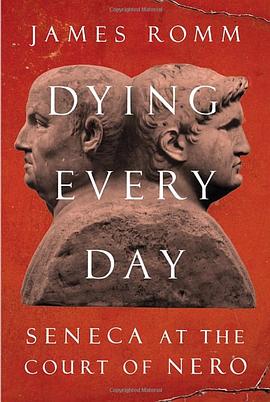
From acclaimed classical historian, author of Ghost on the Throne a high-stakes drama full of murder, madness, tyranny, perversion, with the sweep of history on the grand scale.
At the center, the tumultuous life of Seneca, ancient Rome’s preeminent writer and philosopher, beginning with banishment in his fifties and subsequent appointment as tutor to twelve-year-old Nero, future emperor of Rome. Controlling them both, Nero’s mother, Julia Agrippina the Younger, Roman empress, great-granddaughter of the Emperor Augustus, sister of the Emperor Caligula, niece and fourth wife of Emperor Claudius.
James Romm seamlessly weaves together the life and written words, the moral struggles, political intrigue, and bloody vengeance that enmeshed Seneca the Younger in the twisted imperial family and the perverse, paranoid regime of Emperor Nero, despot and madman.
Romm writes that Seneca watched over Nero as teacher, moral guide, and surrogate father, and, at seventeen, when Nero abruptly ascended to become emperor of Rome, Seneca, a man never avid for political power became, with Nero, the ruler of the Roman Empire. We see how Seneca was able to control his young student, how, under Seneca’s influence, Nero ruled with intelligence and moderation, banned capital punishment, reduced taxes, gave slaves the right to file complaints against their owners, pardoned prisoners arrested for sedition. But with time, as Nero grew vain and disillusioned, Seneca was unable to hold sway over the emperor, and between Nero’s mother, Agrippina—thought to have poisoned her second husband, and her third, who was her uncle (Claudius), and rumored to have entered into an incestuous relationship with her son—and Nero’s father, described by Suetonius as a murderer and cheat charged with treason, adultery, and incest, how long could the young Nero have been contained?
Dying Every Day is a portrait of Seneca’s moral struggle in the midst of madness and excess. In his treatises, Seneca preached a rigorous ethical creed, exalting heroes who defied danger to do what was right or embrace a noble death. As Nero’s adviser, Seneca was presented with a more complex set of choices, as the only man capable of summoning the better aspect of Nero’s nature, yet, remaining at Nero’s side and colluding in the evil regime he created.
Dying Every Day is the first book to tell the compelling and nightmarish story of the philosopher-poet who was almost a king, tied to a tyrant—as Seneca, the paragon of reason, watched his student spiral into madness and whose descent saw five family murders, the Fire of Rome, and a savage purge that destroyed the supreme minds of the Senate’s golden age.
作者简介
James Romm was born in 1958 in New York. After receiving his B.A. in Classics from Yale, he went on to earn a Ph.D. from Princeton in 1988. He has taught Greek language, literature and history at Bard College since 1990.
目录信息
读后感
用户评价
这本小说简直是**一场思想的过山车**,从头到尾都紧紧抓住了我的注意力,让我不得不一页接一页地翻下去。作者的叙事功力真是炉火纯青,他笔下的人物形象鲜活得仿佛能从纸面上跳出来,每一个抉择、每一次挣扎都充满了真实的人性重量。我尤其欣赏那种**细腻到近乎残酷的心理描写**,它不只是简单地告诉我们角色在想什么,而是让我们**沉浸式地体验**那种被困境撕扯的内在冲突。故事的结构设计得极其精巧,那些看似零散的线索,在恰到好处的时候交织在一起,构建出一个宏大而又令人信服的世界观。读完之后,我感觉自己像是经历了一场漫长的、充满挑战的旅程,但最终获得的是一种**深刻的顿悟**。它探讨的主题非常深刻,关于选择、关于代价、关于我们如何定义“活着”的意义,这些议题在我的脑海里久久回荡,激发了我对自身处境的重新审视。这本书绝不是那种读完就忘的快餐文学,它更像是一面镜子,照出了我们内心深处最复杂、最不愿面对的部分。
坦白说,刚开始读的时候,我有点被作者那**繁复而又充满韵律感的句式**给“劝退”了。它不像现在流行的那种直白、快速的叙事风格,而是更偏向于一种文学性的、带有强烈个人色彩的表达。但只要你耐心熬过前三章,一旦适应了这种独特的节奏,你会发现其中的**巨大魅力**。作者构建的世界观有一种**古典的史诗感**,即使背景设定可能很现代,但那种关于命运的沉重感和宿命论的挣扎,却让人联想起古希腊悲剧。我特别喜欢书中对环境氛围的渲染,那种**压抑、潮湿又充满隐喻的场景描写**,几乎让我能闻到空气中的尘土和绝望的气息。它要求读者投入大量的精力去解读字里行间那些潜藏的符号和典故,但正是这份努力,让最终的收获显得格外珍贵。对于那些追求阅读深度和文学性的老饕来说,这本书绝对是一场**酣畅淋漓的智力盛宴**,它拒绝喂养你,而是邀请你共同参与构建意义的过程。
说实话,我很少用“震撼”这个词来形容阅读体验,但这本书确实达到了这个效果。它的力量不在于情节有多么跌宕起伏(虽然紧张感也一直存在),而在于它**对存在本质的持续拷问**。作者使用了一种非常**疏离而又极具穿透力的观察者视角**,仿佛我们是透过一块被打磨得异常清晰的玻璃,观察着一场注定走向某种结局的戏剧。叙事节奏的控制堪称教科书级别,它懂得何时加速,何时停顿,留出空间让那些沉重的画面和对话在脑海中发酵。最让我印象深刻的是它对**记忆和遗忘**的处理方式,这部分内容写得既诗意又残酷,将人类面对时间流逝时的无力感刻画得淋漓尽致。这本书无疑是对当代文学的一次有力冲击,它迫使读者走出舒适区,去面对那些宏大叙事背后,个体生命所能承载的全部重量与光芒。这是一次**彻底、深刻、且难以忘怀的阅读洗礼**。
这本书给我的感觉,更像是在**解剖一个复杂的、多面体的灵魂**。它没有提供任何简单的答案或者廉价的安慰。恰恰相反,作者像一个冷峻的外科医生,一丝不苟地剖开了角色们最脆弱、最矛盾的内心世界。我尤其欣赏它对**道德灰色地带**的深入探讨,书中几乎没有绝对的好人或坏人,只有在极端压力下做出不同选择的个体。这种复杂性使得读者必须不断地自我反思:“如果是我,我会怎么做?”这种**代入式的伦理困境**,才是这本书最强大的地方。文字的力度非常强劲,笔锋犀利,很少有拖泥带水之处,每一个词语似乎都经过了千锤百炼,掷地有声。它不是一本让你读完后感到轻松愉快的书,但绝对是一本能**重塑你认知边界**的杰作,后劲十足,值得反复咀嚼品味。
我通常对这种**极度意识流的写作手法**不太感冒,总觉得容易让人迷失方向,但这本书的处理方式高明之处在于,它将意识的碎片化处理,与一个**清晰到近乎冷酷的外部事件链条**完美地结合在了一起。阅读过程有点像是在一个布满迷雾的森林里探险,你每走一步都充满不确定性,但总有一条看不见的线索在牵引着你向前。作者对于“时间”这个概念的解构和重塑,简直是**鬼斧神工**。它不是线性的推进,而是像多条河流汇入大海,时不时地会让你猛然惊觉“啊,原来我读到的这个片段,其实早就埋下了伏笔!”这种**精密的结构安排**,让我不禁停下来,翻阅回去对比,去惊叹于作者布局之宏大与细微之处的兼顾。它成功地避免了纯粹的晦涩,将哲学思辨包裹在引人入胜的叙事张力之下,阅读体验可谓**独一无二,令人着迷**。