
具体描述
One of The New York Times Book Review’s 10 Best Books of the Year
Winner of the Los Angeles Times Book Prize (History)
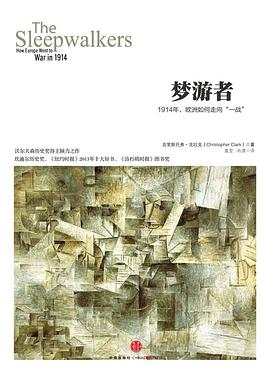
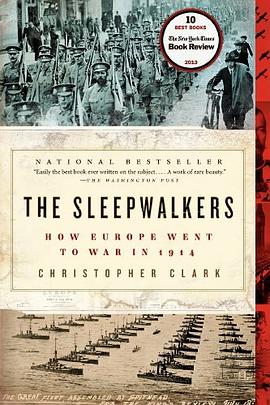
The Sleepwalkers: How Europe Went to War in 1914 is historian Christopher Clark’s riveting account of the explosive beginnings of World War I.
Drawing on new scholarship, Clark offers a fresh look at World War I, focusing not on the battles and atrocities of the war itself, but on the complex events and relationships that led a group of well-meaning leaders into brutal conflict.
Clark traces the paths to war in a minute-by-minute, action-packed narrative that cuts between the key decision centers in Vienna, Berlin, St. Petersburg, Paris, London, and Belgrade, and examines the decades of history that informed the events of 1914 and details the mutual misunderstandings and unintended signals that drove the crisis forward in a few short weeks.
Meticulously researched and masterfully written, Christopher Clark’s The Sleepwalkers is a dramatic and authoritative chronicle of Europe’s descent into a war that tore the world apart.
- - - - - - - - - - - - - - - - - - - - - - - - - - - - - - - - - - - - - - - - - - - - - - - - - - - - - - - - - - - - - - -
On the morning of June 28, 1914, when Archduke Franz Ferdinand and his wife, Sophie Chotek, arrived at Sarajevo railway station, Europe was at peace. Thirty-seven days later, it was at war. The conflict that resulted would kill more than fifteen million people, destroy three empires, and permanently alter world history.
The Sleepwalkers reveals in gripping detail how the crisis leading to World War I unfolded. Drawing on fresh sources, it traces the paths to war in a minute-by-minute, action-packed narrative that cuts among the key decision centers in Vienna, Berlin, St. Petersburg, Paris, London, and Belgrade. Distinguished historian Christopher Clark examines the decades of history that informed the events of 1914 and details the mutual misunderstandings and unintended signals that drove the crisis forward in a few short weeks.
How did the Balkans—a peripheral region far from Europe's centers of power and wealth—come to be the center of a drama of such magnitude? How had European nations organized themselves into opposing alliances, and how did these nations manage to carry out foreign policy as a result? Clark reveals a Europe racked by chronic problems—a fractured world of instability and militancy that was, fatefully, saddled with a conspicuously ineffectual set of political leaders. These rulers, who prided themselves on their modernity and rationalism, stumbled through crisis after crisis and finally convinced themselves that war was the only answer.
Meticulously researched and masterfully written, The Sleepwalkers is a magisterial account of one of the most compelling dramas of modern times.
Critical Praise
“An important book. . . . One of the most impressive and stimulating studies of the period ever published.” —Max Hastings, The Sunday Times
“Excellent. . . . The book is stylishly written as well as superb scholarship. No analysis of the origins of the First World War will henceforth be able to bypass this magisterial work.” —Ian Kershaw, BBC History
“The most readable account of the origins of the First World War since Barbara Tuchman’s The Guns of August. The difference is that The Sleepwalkers is a lovingly researched work of the highest scholarship.” —Niall Ferguson
“This compelling examination of the causes of World War I deserves to become the new standard one-volume account of that contentious subject.” —Foreign Affairs
“Clark is a masterly historian. . . . His account vividly reconstructs key decision points while deftly sketching the context driving them. . . . A magisterial work.” —The Wall Street Journal
“A monumental new volume. . . . Revelatory, even revolutionary. . . . Clark has done a masterful job explaining the inexplicable.” —The Boston Globe
“Easily the best book ever written on the subject. . . . A work of rare beauty that combines meticulous research with sensitive analysis and elegant prose. The enormous weight of its quality inspires amazement and awe. . . . Academics should take note: Good history can still be a good story.” —The Washington Post
“A meticulously researched, superbly organized, and handsomely written account.” —MHQ: The Quarterly Journal of Military History
“Superb. . . . One of the great mysteries of history is how Europe’s great powers could have stumbled into World War I. . . . This is the single best book I have read on this important topic.” —Fareed Zakaria
“A thoroughly comprehensive and highly readable account. . . . The brilliance of Clark’s far-reaching history is that we are able to discern how the past was genuinely prologue. . . . In conception, steely scholarship and piercing insights, his book is a masterpiece.” —Harold Evans, The New York Times Book Review
“As spacious and convincing a treatment as has yet appeared. . . . Clark’s prose is clear and laced with color.” —The Daily Beast
“A great book. . . An amazing narrative history of the crisis and the larger context.” —Slate
“A superb account of the causes of the first world war. . . . Clark brilliantly puts this illogical conflict into context.” —The Guardian
“This book is as authoritative as it is gripping. . . . Clark provides a vivid panorama of the jostling among Europe’s policymakers. . . . The reader is rapt as ‘watchful but unseeing’ protagonists head for inconceivable horror.” —The Independent
“Excellent. . . . Where Clark excels is in explaining how the pre-war diplomatic maneuvers resembled a giant exercise in game theory.”- —The Economist
“Clark’s narrative sophistication, his philosophical awareness, and his almost preternatural command of his sources make The Sleepwalkers an exemplary instance of how to navigate this tricky terrain. The best book on the origins of the First World War that I know.” —Thomas Laqueur, The London Review of Books
“One of 2013’s finest nonfiction books. . . . Offers more up-to-date scholarship than you’ll find in a classic like Barbara Tuchman’s The Guns of August.” —Matthew Yglesias, Slate
作者简介
Christopher Clark is a professor of modern European history and a fellow of St. Catharine's College at the University of Cambridge, UK. He is the author of Iron Kingdom: The Rise and Downfall of Prussia, 1600-1947, among other books.
目录信息
读后感
“战争开始了。谁也不知道在哪里又是怎样打起来的,但事情就是这样。它就在人们的脑袋后面,如今,它在人的脑袋后面张开了嘴,正喘着气。战争,就是种种罪恶、声声诅咒,是狂怒的目光,是脑海迸发的思想。战争就在这里,展现在世界面前,使其笼罩在它设置的那张电网下。战争时...
内容很详细,但个人感觉条理较乱,很分散。翻译的确算不上很好,作为一本专业书籍,全书注释很少,非专业人士看这本书还是需要一些其他辅助材料配合。
去年一戰百年,中信就出了這本《夢遊者》,查了一下,原文版出了一段時間而且頗受好評,而且內容是筆者更感興趣的戰前外交關係跟各國政局的介紹,所以就買了下來,拖到最近繁體版出了才閱讀。 就歷史題材來說,一戰應該算是數一數二殺死最多紙張油墨的,中文也出了不少,各式...
丘吉尔说过,一战最神秘的就是开头,到底怎么爆发的。传统的观点是,德国蓄意发动了一战。可后来的历史学家大多倾向于认为德国确实最轻率鲁莽,但谈不上有事先的周密计划。 Christopher Clark在 The Sleepwalkers这本书中认为,“一战的爆发是一场悲剧,但不是一桩罪行。”德国...
历史看似在下很大一盘棋实际上没有什么用(。 走向僵化的体系和一战的促成 小约瑟夫.奈在《理解国际冲突》中,将19世纪的均势体系划分为了五个阶段: 1815-1822的欧洲一致 1822-1854间民族主义和民主革命使国际干涉变得困难 1854-1870由于克里米亚战争和德国统一而更动荡 1870-...
用户评价
这本书的文字有一种独特的、令人不安的音乐性。它不是那种优美到令人心醉的散文体,而更像是一部用极其精准的机械零件组合而成的乐器,发出的声音干净、冷峻,却又准确地击中了某些深埋的情绪共鸣点。我发现自己常常需要放慢速度来阅读,不是因为文字晦涩,而是因为每一个句子的结构本身就蕴含着一种哲学的论证。作者对细节的把握达到了近乎偏执的程度,无论是对某个特定光线的描述,还是一次尴尬的沉默的长度,都被赋予了非同寻常的意义。这使得阅读过程本身变成了一种主动的探索,你必须像侦探一样,在字里行间寻找那些被刻意隐藏的线索。关于时间流逝的描绘尤其令人印象深刻,它不是线性的推进,而是充满了回声和重复,仿佛历史总是在以不同的面具重演。这本书让我反思了“意义”的建构过程,我们是如何将混乱的经验强行塞进有逻辑的框架中的,以及这种强行建构的代价。它是一本需要被置于书架高处,时不时拿下来翻阅,从中汲取新的力量和视角的作品。
读完这本书,我感到一种近乎宿醉后的清醒,带着轻微的头痛和对世界突然清晰的洞察。它成功地颠覆了我对“清醒”与“无知”之间界限的传统认知。作者似乎并不关心提供一个明确的答案或明确的道德指引,相反,他热衷于提出更尖锐的问题,并将这些问题抛掷到读者面前,让你自己去接住,去思考其中的重量。叙事结构的设计极其巧妙,它不像传统的线性叙事,而是更像一个多重反射的棱镜,从不同的角度折射出同一事件的不同光芒,让人无法轻易地以单一的视角去评判任何一个角色。我特别喜欢其中对于群体心理盲从现象的刻画,那种集体无意识的力量,可以轻易地将个体的理性碾碎,构建出一个虚假的共识。书中的对话充满了张力,那些看似平淡无奇的交谈,实则暗流涌动,每一句话背后都可能隐藏着一个巨大的秘密或者一个未被满足的渴望。这本书就像一面高倍显微镜,将人类行为的微观层面放大,展示了我们日常互动中隐藏的那些不自觉的、自动化执行的脚本。它需要耐心,但回报是丰厚的,它会让你开始质疑那些你从未质疑过的事物。
这部作品的魅力在于它对人性中那些“灰色地带”的大胆揭示。它拒绝了非黑即白的概念,而是将世界呈现为一片由无数种灰色调构成的复杂光谱。我欣赏作者没有试图美化或简化人类的动机,他坦然地展示了那些自私、恐惧和无力感是如何共同塑造了我们日常生活的底色。阅读体验是高度内省的,每读一章,我都感觉自己的一部分被剥离出来,放在一个透明的盒子里进行检验。书中对“责任”和“逃避”关系的探讨尤为深刻,那些看似是环境或命运的牺牲品,往往在更深层次上,是对主动选择的逃避。这种对个体能动性的质疑,挑战了现代社会主流叙事中对个人英雄主义的推崇。文笔上,它表现出一种克制到极致的力量,没有过多的修饰词,每一个用词都像经过精密计算,旨在最大化其指向性。最终,合上书页时,我感受到的不是故事的终结,而是自己对周遭世界理解的重新校准,它迫使我以一种全新的、更审慎的目光去观察那些习以为常的“例行公事”。
我必须承认,这本书的开篇给我带来了一丝困惑,它没有立即抛出一个引人入胜的钩子,而是仿佛在介绍一个已经运行了很久的复杂系统,你需要时间来适应它的运行规律和内部逻辑。然而,一旦你进入了作者设定的那个独特的语境,那种沉浸感是极其强大的。它提供了一种近乎冷酷的客观性,去审视那些在情感漩涡中挣扎的人们。那些角色,他们似乎都被某种看不见的引力场拉扯着,他们的选择往往是出于一种深层的、几乎是生物本能的驱动,而非基于深思熟虑的理性。书中对“疏离感”的探讨,尤其是在现代社会中,人与人之间情感连接的脆弱性,被刻画得入木三分。我体会到了一种强烈的共鸣,那种在人群中却感到无比孤独的体验。作者的叙事视角不断地在宏大叙事和微观个体之间切换,就像在太空中观察地球上的生命活动,既有俯瞰的广阔,又不失对个体挣扎的关注。这本书不提供安慰,它提供的是一种近乎残酷的清晰度。
这部作品初读时,我有些难以捉摸它的核心所在,仿佛置身于一个迷雾缭绕的森林中,每一步都充满了不确定性。作者的笔触如同一个技艺高超的织布工,将无数细微的观察和深刻的哲学思考编织进日常的叙事之中,形成了一种既熟悉又疏离的阅读体验。它不是那种直白的、一板一眼的故事情节推动,而是更侧重于人物内心世界的幽微变化,以及那些隐藏在社会表象之下,驱动着人们行为的无形力量。我尤其欣赏作者对“惯性”这一概念的探讨,那种我们习以为常却从未深究的生活模式,在作者的解构下显得如此荒谬又如此真实。那些主角们,他们似乎都在梦游中度过一生,遵循着既定的轨道,却又偶尔在某个瞬间被突如其来的顿悟惊醒,随即又迅速沉入更深的麻木。这种对人类生存状态的精准描摹,让我忍不住停下来,审视自己周遭的一切,思考我自己的“睡眠”是否也已经持续了太久。这本书的节奏是缓慢而沉稳的,像一台古老的钟摆,精准地丈量着时间的流逝,也预示着某种不可逆转的命运。它的文字密度很高,需要反复咀嚼,才能品尝出其中蕴含的酸涩与一丝不易察觉的甜美。
“humans tend to gravitate quickly from the observation of what exists to the presumption that an existing state of affairs is normal and thus must embody a certain ethical necessity."
国际关系史杰作,分析透彻,条理清晰,不偏不倚,出色地诠释了一战的复杂成因与悲剧性。惟行文过长、人物众多,如叙事更精炼些并添加人物表便可大大降低阅读难度。
国际关系史杰作,分析透彻,条理清晰,不偏不倚,出色地诠释了一战的复杂成因与悲剧性。惟行文过长、人物众多,如叙事更精炼些并添加人物表便可大大降低阅读难度。
“humans tend to gravitate quickly from the observation of what exists to the presumption that an existing state of affairs is normal and thus must embody a certain ethical necessity."
国际关系史杰作,分析透彻,条理清晰,不偏不倚,出色地诠释了一战的复杂成因与悲剧性。惟行文过长、人物众多,如叙事更精炼些并添加人物表便可大大降低阅读难度。