
具体描述
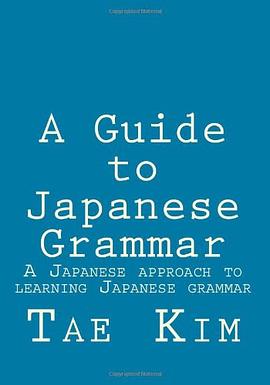
This guide was created as a resource for those who want to learn Japanese grammar in a rational, intuitive way that makes sense in Japanese. The explanations are focused on how to make sense of the grammar not from English but from a Japanese point of view.
It is released under the Creative Commons License and is free to copy and distribute for non-commercial uses.
作者简介
Tae Kim started learning Japanese in college and ended the first year very confused and only able to use the polite form. Eventually, he figured out how to talk like a real person and started a website for learning Japanese (www.guidetojapanese.org) to explain everything he had to figure out on his own.
Since then, he has worked at a big Japanese company in Japan as a Java developer, passed the JLPT level 1, got a perfect score in TOEIC (the Japanese company administered it every year) , and continues to work on his next book for learning Japanese in his spare time.
目录信息
1 Introduction 11
1.1 The problem with conventional textbooks . . . . . . . . . . . . . . . . . . . . . . 11
1.2 A Japanese guide to learning Japanese grammar . . . . . . . . . . . . . . . . . . 12
1.3 Suggestions . . . . . . . . . . . . . . . . . . . . . . . . . . . . . . . . . . . . . . . 13
2 The Writing System 15
2.1 The Scripts . . . . . . . . . . . . . . . . . . . . . . . . . . . . . . . . . . . . . . . 15
2.2 Intonation . . . . . . . . . . . . . . . . . . . . . . . . . . . . . . . . . . . . . . . . 16
2.3 Hiragana . . . . . . . . . . . . . . . . . . . . . . . . . . . . . . . . . . . . . . . . 16
2.3.1 The Muddied Sounds . . . . . . . . . . . . . . . . . . . . . . . . . . . . . 18
2.3.2 The Small 「や」、「ゆ」、and 「よ」 . . . . . . . . . . . . . . . . . . . 19
2.3.3 The Small 「つ」 . . . . . . . . . . . . . . . . . . . . . . . . . . . . . . . 20
2.3.4 The Long Vowel Sound . . . . . . . . . . . . . . . . . . . . . . . . . . . . 20
2.4 Katakana . . . . . . . . . . . . . . . . . . . . . . . . . . . . . . . . . . . . . . . . 21
2.4.1 The Long Vowel Sound . . . . . . . . . . . . . . . . . . . . . . . . . . . . 23
2.4.2 The Small 「ア、イ、ウ、エ、オ」 . . . . . . . . . . . . . . . . . . . . . 24
2.4.3 Some examples of words in Katakana . . . . . . . . . . . . . . . . . . . . 25
2.5 Kanji . . . . . . . . . . . . . . . . . . . . . . . . . . . . . . . . . . . . . . . . . . . 26
2.5.1 What is Kanji? . . . . . . . . . . . . . . . . . . . . . . . . . . . . . . . . . 26
2.5.2 Learning Kanji . . . . . . . . . . . . . . . . . . . . . . . . . . . . . . . . . 26
2.5.3 Reading Kanji . . . . . . . . . . . . . . . . . . . . . . . . . . . . . . . . . 27
2.5.4 Why Kanji? . . . . . . . . . . . . . . . . . . . . . . . . . . . . . . . . . . . 28
3 Basic Grammar 29
3.1 Basic Grammatical Structures . . . . . . . . . . . . . . . . . . . . . . . . . . . . . 29
3.2 Expressing State-of-Being . . . . . . . . . . . . . . . . . . . . . . . . . . . . . . . 29
3.2.1 Declaring something is so and so using 「だ」 . . . . . . . . . . . . . . . 29
3.2.2 Conjugating to the negative state-of-being . . . . . . . . . . . . . . . . . . 31
3.2.3 Conjugating to the past state-of-being . . . . . . . . . . . . . . . . . . . . 32
3.2.4 Conjugation summary . . . . . . . . . . . . . . . . . . . . . . . . . . . . . 32
3.3 Introduction to Particles . . . . . . . . . . . . . . . . . . . . . . . . . . . . . . . . 33
3.3.1 Defining grammatical functions with particles . . . . . . . . . . . . . . . . 33
3.3.2 The 「は」 topic particle . . . . . . . . . . . . . . . . . . . . . . . . . . . 33
3.3.3 The 「も」 inclusive topic particle . . . . . . . . . . . . . . . . . . . . . . 35
3.3.4 The 「が」 identifier particle . . . . . . . . . . . . . . . . . . . . . . . . . 36
3.4 Adjectives . . . . . . . . . . . . . . . . . . . . . . . . . . . . . . . . . . . . . . . . 38
3.4.1 Properties of Adjectives . . . . . . . . . . . . . . . . . . . . . . . . . . . . 38
3
3.4.2 The na-adjective . . . . . . . . . . . . . . . . . . . . . . . . . . . . . . . . 38
3.4.3 The i-adjective . . . . . . . . . . . . . . . . . . . . . . . . . . . . . . . . . 40
3.4.4 An annoying exception . . . . . . . . . . . . . . . . . . . . . . . . . . . . 42
3.5 Verb Basics . . . . . . . . . . . . . . . . . . . . . . . . . . . . . . . . . . . . . . . 43
3.5.1 Role of Verbs . . . . . . . . . . . . . . . . . . . . . . . . . . . . . . . . . . 43
3.5.2 Classifying verbs into ru-verbs and u-verbs . . . . . . . . . . . . . . . . . 45
3.5.3 Appendix: iru/eru u-verbs . . . . . . . . . . . . . . . . . . . . . . . . . . . 46
3.6 Negative Verbs . . . . . . . . . . . . . . . . . . . . . . . . . . . . . . . . . . . . . 47
3.6.1 Conjugating verbs into the negative . . . . . . . . . . . . . . . . . . . . . 47
3.7 Past Tense . . . . . . . . . . . . . . . . . . . . . . . . . . . . . . . . . . . . . . . 50
3.7.1 Past tense for ru-verbs . . . . . . . . . . . . . . . . . . . . . . . . . . . . 50
3.7.2 Past tense for u-verbs . . . . . . . . . . . . . . . . . . . . . . . . . . . . . 51
3.7.3 Past-negative tense for all verbs . . . . . . . . . . . . . . . . . . . . . . . 52
3.8 Particles used with verbs . . . . . . . . . . . . . . . . . . . . . . . . . . . . . . . 53
3.8.1 The direct object 「を」 particle . . . . . . . . . . . . . . . . . . . . . . . 54
3.8.2 The target 「に」 particle . . . . . . . . . . . . . . . . . . . . . . . . . . . 55
3.8.3 The directional 「へ」 particle . . . . . . . . . . . . . . . . . . . . . . . . 57
3.8.4 The contextual 「で」 particle . . . . . . . . . . . . . . . . . . . . . . . . 58
3.8.5 When location is the topic . . . . . . . . . . . . . . . . . . . . . . . . . . . 60
3.8.6 When direct object is the topic . . . . . . . . . . . . . . . . . . . . . . . . 61
3.9 Transitive and Intransitive Verbs . . . . . . . . . . . . . . . . . . . . . . . . . . . 62
3.9.1 Pay attention to particles! . . . . . . . . . . . . . . . . . . . . . . . . . . . 62
3.10 Relative Clauses and Sentence Order . . . . . . . . . . . . . . . . . . . . . . . . 63
3.10.1 Treating verbs and state-of-being like adjectives . . . . . . . . . . . . . . 63
3.10.2 Using state-of-being clauses as adjectives . . . . . . . . . . . . . . . . . 64
3.10.3 Using relative verb clauses as adjectives . . . . . . . . . . . . . . . . . . 65
3.10.4 Japanese Sentence Order . . . . . . . . . . . . . . . . . . . . . . . . . . 66
3.11 Noun-related Particles . . . . . . . . . . . . . . . . . . . . . . . . . . . . . . . . . 68
3.11.1 The last three particles . . . . . . . . . . . . . . . . . . . . . . . . . . . . 68
3.11.2 The Inclusive 「と」 particle . . . . . . . . . . . . . . . . . . . . . . . . . 68
3.11.3 The Vague Listing 「や」 and 「とか」 particles . . . . . . . . . . . . . . 69
3.11.4 The 「の」 particle . . . . . . . . . . . . . . . . . . . . . . . . . . . . . . . 70
3.11.5 The 「の」 particle as explanation . . . . . . . . . . . . . . . . . . . . . . 73
3.12 Adverbs and Sentence-ending particles . . . . . . . . . . . . . . . . . . . . . . . 77
3.12.1 Properties of Adverbs . . . . . . . . . . . . . . . . . . . . . . . . . . . . . 77
3.12.2 Sentence-ending particles . . . . . . . . . . . . . . . . . . . . . . . . . . . 79
3.12.3 「ね」 sentence ending . . . . . . . . . . . . . . . . . . . . . . . . . . . . 79
3.12.4 「よ」 sentence ending . . . . . . . . . . . . . . . . . . . . . . . . . . . . 80
3.12.5 Combining both to get 「よね」 . . . . . . . . . . . . . . . . . . . . . . . 81
4 Essential Grammar 83
4.1 Polite Form and Verb Stems . . . . . . . . . . . . . . . . . . . . . . . . . . . . . . 84
4.1.1 Not being rude in Japan . . . . . . . . . . . . . . . . . . . . . . . . . . . . 84
4.1.2 The stem of verbs . . . . . . . . . . . . . . . . . . . . . . . . . . . . . . . 84
4.1.3 Using 「〜ます」 to make verbs polite . . . . . . . . . . . . . . . . . . . . 87
4.1.4 Using 「です」 for everything else . . . . . . . . . . . . . . . . . . . . . . 88
4.1.5 「です」 is NOT the same as 「だ」 . . . . . . . . . . . . . . . . . . . . 90
4
4.2 Addressing People . . . . . . . . . . . . . . . . . . . . . . . . . . . . . . . . . . . 92
4.2.1 Referring to yourself . . . . . . . . . . . . . . . . . . . . . . . . . . . . . . 92
4.2.2 Referring to others by name . . . . . . . . . . . . . . . . . . . . . . . . . . 93
4.2.3 Referring to others with "you" . . . . . . . . . . . . . . . . . . . . . . . . . 93
4.2.4 Referring to others in third person . . . . . . . . . . . . . . . . . . . . . . 94
4.2.5 Referring to family members . . . . . . . . . . . . . . . . . . . . . . . . . 95
4.3 The Question Marker . . . . . . . . . . . . . . . . . . . . . . . . . . . . . . . . . . 96
4.3.1 Questions in polite form . . . . . . . . . . . . . . . . . . . . . . . . . . . . 96
4.3.2 The question marker in casual speech . . . . . . . . . . . . . . . . . . . . 97
4.3.3 「か」 used in relative clauses . . . . . . . . . . . . . . . . . . . . . . . . 98
4.3.4 Using question words . . . . . . . . . . . . . . . . . . . . . . . . . . . . . 99
4.4 Compound Sentences . . . . . . . . . . . . . . . . . . . . . . . . . . . . . . . . . 103
4.4.1 Expressing a sequence of states . . . . . . . . . . . . . . . . . . . . . . . 103
4.4.2 Expressing a sequence of verbs with the te-form . . . . . . . . . . . . . . 105
4.4.3 Expressing reason or causation using 「から」 and 「ので」 . . . . . . . 106
4.4.4 Using 「のに」 to mean "despite" . . . . . . . . . . . . . . . . . . . . . . 109
4.4.5 Expressing contradiction using 「が」 and 「けど」 . . . . . . . . . . . . 110
4.4.6 Expressing multiple reasons using 「し」 . . . . . . . . . . . . . . . . . . 112
4.4.7 Expressing multiple actions or states using 「〜たりする」 . . . . . . . . 113
4.5 Other uses of the te-form . . . . . . . . . . . . . . . . . . . . . . . . . . . . . . . 114
4.5.1 Using 「〜ている」 for enduring states . . . . . . . . . . . . . . . . . . . 114
4.5.2 Enduring state-of-being vs enduring state of action . . . . . . . . . . . . . 117
4.5.3 Using 「〜てある」 for resultant states . . . . . . . . . . . . . . . . . . . 119
4.5.4 Using the 「〜ておく」 form as preparation for the future . . . . . . . . . 120
4.5.5 Using motion verbs (⾏く、来る) with the te-form . . . . . . . . . . . . . . 121
4.6 Potential Form . . . . . . . . . . . . . . . . . . . . . . . . . . . . . . . . . . . . . 123
4.6.1 Expressing the ability to do something . . . . . . . . . . . . . . . . . . . . 123
4.6.2 The Potential Form . . . . . . . . . . . . . . . . . . . . . . . . . . . . . . . 123
4.6.3 Potential forms do not have direct objects . . . . . . . . . . . . . . . . . . 125
4.6.4 Are 「⾒える」 and 「聞こえる」 exceptions? . . . . . . . . . . . . . . . 126
4.6.5 「ある」, yet another exception . . . . . . . . . . . . . . . . . . . . . . . 127
4.7 Using する and なる with the に particle . . . . . . . . . . . . . . . . . . . . . . . 128
4.7.1 Using 「なる」 and 「する」 for nouns and na-adjectives . . . . . . . . . 128
4.7.2 Using 「なる」 with i-adjectives . . . . . . . . . . . . . . . . . . . . . . . 130
4.7.3 Using 「なる」 and 「する」 with verbs . . . . . . . . . . . . . . . . . . . 131
4.8 Conditionals . . . . . . . . . . . . . . . . . . . . . . . . . . . . . . . . . . . . . . . 132
4.8.1 How to say "if" in Japanese . . . . . . . . . . . . . . . . . . . . . . . . . . 132
4.8.2 Expressing natural consequence using 「と」 . . . . . . . . . . . . . . . 132
4.8.3 Contextual conditionals using 「なら (ば)」 . . . . . . . . . . . . . . . . . 134
4.8.4 General conditionals using 「ば」 . . . . . . . . . . . . . . . . . . . . . . 135
4.8.5 Past conditional using 「たら (ば)」 . . . . . . . . . . . . . . . . . . . . . 137
4.8.6 How does 「もし」 fit into all of this? . . . . . . . . . . . . . . . . . . . . 139
4.9 Expressing "must" or "have to" . . . . . . . . . . . . . . . . . . . . . . . . . . . . 140
4.9.1 When there's something that must or must not be done . . . . . . . . . . 140
4.9.2 Using 「だめ」, 「いけない」, and 「ならない」 for things that must not
be done . . . . . . . . . . . . . . . . . . . . . . . . . . . . . . . . . . . . . 140
4.9.3 Expressing things that must be done . . . . . . . . . . . . . . . . . . . . . 142
5
4.9.4 Various short-cuts for the lazy . . . . . . . . . . . . . . . . . . . . . . . . . 143
4.9.5 Saying something is ok to do or not do . . . . . . . . . . . . . . . . . . . . 145
4.10 Desire and Suggestions . . . . . . . . . . . . . . . . . . . . . . . . . . . . . . . . 146
4.10.1 How to get your way in Japan . . . . . . . . . . . . . . . . . . . . . . . . . 146
4.10.2 Verbs you want to do with 「たい」 . . . . . . . . . . . . . . . . . . . . . 146
4.10.3 Indicating things you want or want done using 「欲しい」 . . . . . . . . . 148
4.10.4 Making a motion to do something using the volitional form . . . . . . . . . 149
4.10.5 Making a motion to do something using the volitional form . . . . . . . . . 151
4.10.6 Making Suggestions using the 「ば」 or 「たら」 conditional . . . . . . . 152
4.11 Performing an action on a relative clause . . . . . . . . . . . . . . . . . . . . . . 153
4.11.1 The direct quote . . . . . . . . . . . . . . . . . . . . . . . . . . . . . . . . 153
4.11.2 The interpreted quote . . . . . . . . . . . . . . . . . . . . . . . . . . . . . 154
4.11.3 Using 「って」 as a casual version of 「と」 . . . . . . . . . . . . . . . . 156
4.12 Defining and Describing . . . . . . . . . . . . . . . . . . . . . . . . . . . . . . . . 158
4.12.1 The various uses of 「いう」 . . . . . . . . . . . . . . . . . . . . . . . . . 158
4.12.2 Using 「いう」 to define . . . . . . . . . . . . . . . . . . . . . . . . . . . 158
4.12.3 Using 「いう」 to describe anything . . . . . . . . . . . . . . . . . . . . . 159
4.12.4 Rephrasing and making conclusions with 「という」 . . . . . . . . . . . 161
4.12.5 Using 「って」 or 「て」 for 「という」 . . . . . . . . . . . . . . . . . . 163
4.12.6 Saying 「ゆう」 instead of 「いう」 . . . . . . . . . . . . . . . . . . . . . 165
4.13 Trying something out or attempting to do something . . . . . . . . . . . . . . . . 166
4.13.1 Let's try some stuff . . . . . . . . . . . . . . . . . . . . . . . . . . . . . . . 166
4.13.2 To try something out . . . . . . . . . . . . . . . . . . . . . . . . . . . . . . 166
4.13.3 To attempt to do something . . . . . . . . . . . . . . . . . . . . . . . . . . 167
4.14 Giving and Receiving . . . . . . . . . . . . . . . . . . . . . . . . . . . . . . . . . 169
4.14.1 Japanese people like gifts . . . . . . . . . . . . . . . . . . . . . . . . . . . 169
4.14.2 When to use 「あげる」 . . . . . . . . . . . . . . . . . . . . . . . . . . . 170
4.14.3 When to use 「くれる」 . . . . . . . . . . . . . . . . . . . . . . . . . . . 171
4.14.4 When to use 「もらう」 . . . . . . . . . . . . . . . . . . . . . . . . . . . 174
4.14.5 Asking favors with 「くれる」 or 「もらえる」 . . . . . . . . . . . . . . . 175
4.15 Making requests . . . . . . . . . . . . . . . . . . . . . . . . . . . . . . . . . . . . 177
4.15.1 Politely (and not so politely) making requests . . . . . . . . . . . . . . . . 177
4.15.2 「〜ください」- a special conjugation of 「くださる」 . . . . . . . . . 177
4.15.3 Using 「〜ちょうだい」 as a casual request . . . . . . . . . . . . . . . . 179
4.15.4 Using 「〜なさい」 to make firm but polite requests . . . . . . . . . . . . 180
4.15.5 The Command Form . . . . . . . . . . . . . . . . . . . . . . . . . . . . . . 181
4.15.6 Negative Command . . . . . . . . . . . . . . . . . . . . . . . . . . . . . . 183
4.16 Numbers and Counting . . . . . . . . . . . . . . . . . . . . . . . . . . . . . . . . 184
4.16.1 The Number System . . . . . . . . . . . . . . . . . . . . . . . . . . . . . . 184
4.16.2 Counting and Counters . . . . . . . . . . . . . . . . . . . . . . . . . . . . 187
4.16.3 Using 「⽬」 to show order . . . . . . . . . . . . . . . . . . . . . . . . . . 192
4.17 Casual Patterns and Slang . . . . . . . . . . . . . . . . . . . . . . . . . . . . . . 192
4.17.1 Basic Principles of Slang . . . . . . . . . . . . . . . . . . . . . . . . . . . 192
4.17.2 Sentence ordering and particles . . . . . . . . . . . . . . . . . . . . . . . 194
4.17.3 Using 「じゃん」 instead of 「じゃない」 to confirm . . . . . . . . . . . 195
4.17.4 Using 「つ」 for 「という」 . . . . . . . . . . . . . . . . . . . . . . . . . 197
4.17.5 Using 「ってば」 and 「ったら」to show exasperation . . . . . . . . . . 199
6
4.17.6 Using 「なんか」 just about everywhere . . . . . . . . . . . . . . . . . . 199
4.17.7 Showing contempt for an action with 「〜やがる」 . . . . . . . . . . . . . 201
4.18 More sentence-ending particles . . . . . . . . . . . . . . . . . . . . . . . . . . . . 202
4.18.1 「な」 and 「さ」 sentence-ending particles . . . . . . . . . . . . . . . . 202
4.18.2 「かい」 and 「だい」 sentence-ending particles . . . . . . . . . . . . . 204
4.18.3 Gender-specific sentence-ending particles . . . . . . . . . . . . . . . . . 205
4.18.4 That's a wrap! . . . . . . . . . . . . . . . . . . . . . . . . . . . . . . . . . 206
5 Special Expressions 211
5.1 Causative and Passive Verbs . . . . . . . . . . . . . . . . . . . . . . . . . . . . . 211
5.1.1 Causative Verbs . . . . . . . . . . . . . . . . . . . . . . . . . . . . . . . . 211
5.1.2 Passive Verbs . . . . . . . . . . . . . . . . . . . . . . . . . . . . . . . . . 216
5.1.3 Using passive form to show politeness . . . . . . . . . . . . . . . . . . . . 218
5.1.4 Causative-Passive Forms . . . . . . . . . . . . . . . . . . . . . . . . . . . 219
5.2 Honorific and Humble Forms . . . . . . . . . . . . . . . . . . . . . . . . . . . . . 222
5.2.1 Set Expressions . . . . . . . . . . . . . . . . . . . . . . . . . . . . . . . . 222
5.2.2 Other substitutions . . . . . . . . . . . . . . . . . . . . . . . . . . . . . . . 225
5.2.3 Honorific and Humble Conjugations . . . . . . . . . . . . . . . . . . . . . 227
5.2.4 Making honorific requests . . . . . . . . . . . . . . . . . . . . . . . . . . . 230
5.3 Things that happen unintentionally . . . . . . . . . . . . . . . . . . . . . . . . . . 232
5.3.1 Using 「しまう」 with other verbs . . . . . . . . . . . . . . . . . . . . . . 232
5.3.2 Using the casual version of 「〜てしまう」 . . . . . . . . . . . . . . . . . 233
5.3.3 Another meaning of 「しまう」 . . . . . . . . . . . . . . . . . . . . . . . 235
5.4 Expressions with generic nouns . . . . . . . . . . . . . . . . . . . . . . . . . . . . 235
5.4.1 Using 「こと」 to say whether something has happened . . . . . . . . . 235
5.4.2 Using 「ところ」 as an abstract place . . . . . . . . . . . . . . . . . . . . 237
5.4.3 Using 「もの」 as a casual feminine way to emphasize . . . . . . . . . . 238
5.5 Expressing levels of certainty . . . . . . . . . . . . . . . . . . . . . . . . . . . . . 238
5.5.1 Using 「かもしれない」 to express uncertainty . . . . . . . . . . . . . . . 239
5.5.2 Using 「でしょう」 to express a fair amount of certainty . . . . . . . . . 240
5.5.3 Using 「でしょう」 and 「だろう」 to express strong amount of certainty 241
5.6 Expressing amounts . . . . . . . . . . . . . . . . . . . . . . . . . . . . . . . . . . 243
5.6.1 Indicating that's all there is using 「だけ」 . . . . . . . . . . . . . . . . . 244
5.6.2 Using 「のみ」 as a formal version of 「だけ」 . . . . . . . . . . . . . . . 246
5.6.3 Indication that there's nothing else using 「しか」 . . . . . . . . . . . . . 246
5.6.4 Expressing the opposite of 「だけ」 with 「ばかり」 . . . . . . . . . . . 249
5.6.5 Saying there's too much of something using 「すぎる」 . . . . . . . . . . 250
5.6.6 Adding the 「も」 particle to express excessive amounts . . . . . . . . . 253
5.6.7 Using 「ほど」 to express the extent of something . . . . . . . . . . . . . 254
5.6.8 Using 「〜さ」 with adjectives to indicate an amount . . . . . . . . . . . 256
5.7 Express similarity and hearsay . . . . . . . . . . . . . . . . . . . . . . . . . . . . 258
5.7.1 Expressing similarity with よう . . . . . . . . . . . . . . . . . . . . . . . . 258
5.7.2 Using 「みたい」 to say something looks like something else . . . . . . . 260
5.7.3 Guessing at an outcome using 「〜そう」 . . . . . . . . . . . . . . . . . 261
5.7.4 Expressing hearsay using 「〜そうだ」 . . . . . . . . . . . . . . . . . . . 264
5.7.5 Expressing hearsay or behavior using 「〜らしい」 . . . . . . . . . . . . 266
5.7.6 「っぽい」: Slang expression of similarity . . . . . . . . . . . . . . . . . . 267
7
5.8 Using ⽅ and よる for comparisons, etc . . . . . . . . . . . . . . . . . . . . . . . 268
5.8.1 Using 「⽅」 for comparisons . . . . . . . . . . . . . . . . . . . . . . . . 268
5.8.2 Using 「より」 for comparisons . . . . . . . . . . . . . . . . . . . . . . . 270
5.8.3 Using 「⽅」 to express a way to do something . . . . . . . . . . . . . . 272
5.8.4 Using 「によって」 to express dependency . . . . . . . . . . . . . . . . 273
5.8.5 Indicating a source of information using 「によると」 . . . . . . . . . . . 274
5.9 Saying something is easy or difficult to do . . . . . . . . . . . . . . . . . . . . . . 275
5.9.1 Variations of 「〜にくい」 with 「〜がたい」 and 「〜づらい」 . . . . . 277
5.10 More negative verbs . . . . . . . . . . . . . . . . . . . . . . . . . . . . . . . . . . 278
5.10.1 Doing something without doing something else . . . . . . . . . . . . . . . 278
5.10.2 A casual masculine type of negative that ends in 「ん」 . . . . . . . . . . 281
5.10.3 A classical negative verb that ends in 「ぬ」 . . . . . . . . . . . . . . . . 282
5.11 Hypothesizing and Concluding . . . . . . . . . . . . . . . . . . . . . . . . . . . . 284
5.11.1 Coming to a conclusion with 「わけ」 . . . . . . . . . . . . . . . . . . . . 284
5.11.2 Making hypotheses with 「とする」 . . . . . . . . . . . . . . . . . . . . . 286
5.12 Expressing time-specific actions . . . . . . . . . . . . . . . . . . . . . . . . . . . 288
5.12.1 Expressing what just happened with 「〜ばかり」 . . . . . . . . . . . . . 288
5.12.2 Express what occurred immediately after with 「とたん」 . . . . . . . . . 290
5.12.3 Using 「ながら」 for two concurrent actions . . . . . . . . . . . . . . . . 291
5.12.4 Using 「ながら」 with state-of-being . . . . . . . . . . . . . . . . . . . . . 293
5.12.5 To repeat something with reckless abandon using 「まくる」 . . . . . . . 295
5.13 Leaving something the way it is . . . . . . . . . . . . . . . . . . . . . . . . . . . . 296
5.13.1 Using 「まま」 to express a lack of change . . . . . . . . . . . . . . . . . 296
5.13.2 Using 「っぱなし」 to leave something the way it is . . . . . . . . . . . . 297
6 Advanced Topics 299
6.1 Formal Expressions . . . . . . . . . . . . . . . . . . . . . . . . . . . . . . . . . . 299
6.1.1 What do you mean by formal expressions? . . . . . . . . . . . . . . . . . 299
6.1.2 Using 「である」 for formal state-of-being . . . . . . . . . . . . . . . . . 299
6.1.3 Negative of 「である」 . . . . . . . . . . . . . . . . . . . . . . . . . . . . 301
6.1.4 Sequential relative clauses in formal language . . . . . . . . . . . . . . . 302
6.2 Things that should be a certain way . . . . . . . . . . . . . . . . . . . . . . . . . 304
6.2.1 Using 「はず」 to describe an expectation . . . . . . . . . . . . . . . . . 304
6.2.2 Using 「べき」 to describe actions one should do . . . . . . . . . . . . . 306
6.2.3 Using 「べく」 to describe what one tries to do . . . . . . . . . . . . . . 309
6.2.4 Using 「べからず」 to describe things one must not do . . . . . . . . . . 311
6.3 Expressing the minimum expectation . . . . . . . . . . . . . . . . . . . . . . . . . 312
6.3.1 Using 「(で)さえ」 to describe the minimum requirement . . . . . . . . . 312
6.3.2 「(で)すら」 - Older version of 「(で)さえ」 . . . . . . . . . . . . . . . . 314
6.3.3 「おろか」 - It's not even worth considering . . . . . . . . . . . . . . . . . 316
6.4 Showing signs of something . . . . . . . . . . . . . . . . . . . . . . . . . . . . . . 317
6.4.1 Showing outward signs of an emotion using 「〜がる」 . . . . . . . . . . 317
6.4.2 Using 「ばかり」 to act as if one might do something . . . . . . . . . . . 320
6.4.3 Using 「めく」 to indicate an atmosphere of a state . . . . . . . . . . . . 321
6.5 Formal expressions of non-feasibility . . . . . . . . . . . . . . . . . . . . . . . . . 323
6.5.1 Expressing the inability to not do using 「〜ざるを得ない」 . . . . . . . . 324
6.5.2 Expressing the inability to stop doing something using 「やむを得ない」 325
8
6.5.3 Expressing what cannot be done with 「〜かねる」 . . . . . . . . . . . . 327
6.6 Tendencies . . . . . . . . . . . . . . . . . . . . . . . . . . . . . . . . . . . . . . . 328
6.6.1 Saying something is prone to occur using 「〜がち」 . . . . . . . . . . . 328
6.6.2 Describing an ongoing occurrence using 「〜つつ」 . . . . . . . . . . . . 330
6.6.3 Describing a negative tendency using 「きらいがある」 . . . . . . . . . 333
6.7 Advanced Volitional . . . . . . . . . . . . . . . . . . . . . . . . . . . . . . . . . . 334
6.7.1 Negative Volitional . . . . . . . . . . . . . . . . . . . . . . . . . . . . . . . 334
6.7.2 Using the volitional to express a lack of relation . . . . . . . . . . . . . . . 337
6.7.3 Using 「であろう」 to express likelihood . . . . . . . . . . . . . . . . . . 338
6.7.4 Using 「かろう」 as volitional for 「い」 endings . . . . . . . . . . . . . 340
6.8 Covered by something . . . . . . . . . . . . . . . . . . . . . . . . . . . . . . . . . 342
6.8.1 Using 「だらけ」 when an object is riddled everywhere with something . 342
6.8.2 Using 「まみれ」 to describe a covering . . . . . . . . . . . . . . . . . . 343
6.8.3 「ずくめ」 to express entirety . . . . . . . . . . . . . . . . . . . . . . . . 344
6.9 Advanced proximity of actions . . . . . . . . . . . . . . . . . . . . . . . . . . . . . 346
6.9.1 Using 「が早いか」 to describe the instant something occurred . . . . . . 346
6.9.2 Using 「や/や否や」 to describe what happened right after . . . . . . . 347
6.9.3 Using 「そばから」 to describe an event that repeatedly occurs soon after 349
6.10 Others . . . . . . . . . . . . . . . . . . . . . . . . . . . . . . . . . . . . . . . . . . 350
6.10.1 Using 「思いきや」 to describe something unexpected . . . . . . . . . . 350
6.10.2 Using 「〜がてら」 to do two things at one time . . . . . . . . . . . . . . 351
6.10.3 Using 「〜あげく (挙句)」 to describe a bad result . . . . . . . . . . . . . 352
· · · · · · (收起)
读后感
用户评价
我是一名对日本语言有着近乎痴迷的学习者,一直以来,我都希望能找到一本能够深入剖析日语语法精髓的书籍。这本书,无疑满足了我所有的期待,甚至超出了我的想象。它最让我震撼的是,作者能够以一种“探究式”的视角,将日语的语法结构分解成一个个更小的组成部分,并详细解释它们是如何协同工作,共同构建起完整的句子。这种方法,让我能够更清晰地理解日语的“逻辑”所在。我尤其欣赏书中对于“使役动词”和“被动动词”的讲解。这两个语态常常让初学者感到困惑,但在本书中,作者通过生动的例子,将它们在不同场景下的细微差别进行了清晰的区分,并提供了大量练习,让我能够熟练地运用它们。例如,书中对于“させる”和“られる”这两个使役和被动语态的细微差别,都进行了非常深入的剖析,并提供了大量例句。此外,书中还涉及到许多关于“条件句”的表达。日语中的条件句种类繁多,用法也十分灵活,我之前常常在如何恰当地使用它们方面感到困惑。本书通过对各种条件句的分类,以及在不同句型中的应用,让我能够理解它们在表达假设、条件、推测等逻辑关系时的关键作用。书中还包含了很多关于“接续词”的讲解,这些词虽然看似不起眼,但却是连接句子、表达逻辑的关键。本书将这些宝贵的语言素材融入到语法讲解之中,让我学到的不仅是语法规则,更是地道的日语表达。我常常在阅读日本文章时,有意识地去寻找书中提到的语法点,并尝试将它们运用到自己的写作中。这本书让我对日语的理解进入了一个新的层次,也为我更深入地研究日本语言文化打下了坚实的基础。
我是一名对日语的细微之处有着不懈追求的学习者,总觉得自己在表达时,总缺那么一点“地道”的味道。这本书,恰恰弥补了我的这一不足。它最让我着迷的是,作者能够以一种“解剖麻雀”的细致,将每一个语法点都拆解开来,分析其构成、功能以及在不同语境下的运用。我尤其喜欢书中对于“相态”的讲解。日语的动词相态变化非常微妙,我之前常常在区分“て形”、“た形”等相态的细微差别时感到困惑。本书通过详细的案例分析,让我明白了这些相态是如何表达动作的完成、持续、反复等不同状态,并且还指导我如何在不同的语境下选择最恰当的相态,让我的表达更加准确和自然。例如,书中对于“て形”的多种用法,都进行了非常详细的阐述,包括表示并列、表示原因、表示顺接等。此外,书中还涉及到许多关于“连用形”的用法。我之前在理解和运用连用形时,常常感到力不从心。本书通过大量的生动形象的例子,让我明白了连用形是如何与其他词语组合,形成新的词语或表达方式,并且还指导我如何在不同的语境下选择最恰当的连用形,让我的表达更加丰富和有层次。书中还包含了很多关于“拟人”的讲解,这些拟人虽然是中文的,但在日语中的用法和含义却有许多不同之处。本书将这些宝贵的语言素材融入到语法讲解之中,让我学到的不仅是语法规则,更是地道的日语表达。我常常在阅读日本文章时,有意识地去寻找书中提到的语法点,并尝试将它们运用到自己的写作中。这本书让我对日语的理解进入了一个新的层次,也为我更深入地研究日本语言文化打下了坚实的基础。
作为一名长久以来对日本语言抱有浓厚兴趣的普通爱好者,我一直在寻找一本能够真正帮助我跨越语法鸿沟的书籍。市面上的日语教材琳琅满目,但很多要么过于理论化,要么过于碎片化,难以形成系统的认知。直到我偶然发现了这本书,我的学习之路才真正进入了一个新的阶段。它最让我印象深刻的是其独特的讲解方式,作者并非一股脑地将所有语法规则倾泻而出,而是循序渐进,将每一个语法点都置于一个具体的语言环境中进行阐述。这种“在语境中学语法”的方法,对于我这样不喜欢死记硬背的学习者来说,简直是福音。比如,书中对于动词变形的解释,我之前总是在记忆各种词尾变化,但常常忘记其使用场景。这本书通过列举大量不同动词在不同时态、语态下的实际应用,并详细解释了变形背后的逻辑,让我能够理解变形的“原因”,而不是仅仅记住“结果”。更值得称道的是,书中对于句子结构的分析,它能够清晰地剖析出日语句子的主语、谓语、宾语以及各种修饰成分的构成,并且通过图示化的方式,将抽象的句子结构变得具象化。这对于我理解长句、复杂句的构成,以及如何准确地捕捉句子的核心意思,起到了至关重要的作用。我尤其喜欢书中对于“使役”和“被动”语态的讲解,这两个语态常常让初学者感到困惑,但在本书中,作者通过生动的例子,将它们在不同场景下的细微差别进行了清晰的区分,并提供了大量练习,让我能够熟练地运用它们。此外,书中还涉及了许多日常会话中常用的惯用语和固定搭配,这些内容往往是教科书里不会强调的,但却是提升口语地道性的关键。这本书将这些宝贵的语言素材融入到语法讲解之中,让我学到的不仅是语法规则,更是地道的日语表达。总的来说,这本书在我的日语学习过程中扮演了“桥梁”的角色,它连接了我对日语的喜爱和实际掌握之间的距离。
在我的日语学习生涯中,我曾遇到过不少语法书籍,但真正让我感到“醍醐灌顶”的,非此书莫属。它最让我难以忘怀的是,作者能够以一种“循循善诱”的方式,将那些看似复杂的语法结构,层层剥茧,直至其最根本的形态,让我能够从根本上理解语言的运作原理。我特别欣赏书中对于“动词分类”的讲解。日语中的动词分类非常复杂,我之前常常在区分五段动词、一段动词、不规则动词时感到困惑。本书通过详细的分类,以及它们在变形时的规律性,让我能够更清晰地理解动词的变位,并且还指导我如何在不同的语境下选择最恰当的动词形式。例如,书中对于“サ变动词”和“カ変動词”的区分,以及它们在变形时的不同规则,都进行了非常详细的阐述。此外,书中还涉及到许多关于“副动词”的用法。我之前在理解和运用副动词时,常常感到力不从心。本书通过大量的生动形象的例子,让我明白了副动词是如何修饰动词、形容词等,并且还指导我如何在不同的语境下选择最恰当的副动词,让我的表达更加生动和富有表现力。书中还包含了很多关于“敬语等级”的讲解,这些敬语虽然是中文的,但在日语中的用法和含义却有许多不同之处。本书将这些宝贵的语言素材融入到语法讲解之中,让我学到的不仅是语法规则,更是地道的日语表达。我常常在阅读日本文章时,有意识地去寻找书中提到的语法点,并尝试将它们运用到自己的写作中。这本书让我对日语的理解进入了一个新的层次,也为我更深入地研究日本语言文化打下了坚实的基础。
作为一个对日本语言和文化有着持续热情的研究者,我在学习过程中一直致力于追求对语言的“透彻”理解,而不仅仅是停留在表面的掌握。这本书,无疑是我在这条道路上遇到的最得力的助手之一。它最令我赞赏的是,作者以一种“系统化”的思维方式,将日语语法分解成各个相互关联的部分,并清晰地展示了它们之间的逻辑关系。这种宏观的视角,让我能够更好地理解整个日语的结构,而不是零散地记忆各个知识点。我尤其欣赏书中对于“连接词”的讲解。日语中的连接词种类繁多,功能各异,我之前常常在如何恰当地使用它们方面感到困惑。本书通过对各种连接词的分类,以及在不同句型中的应用,让我能够理解它们在连接句子、表达因果、转折、递进等逻辑关系时的关键作用。例如,书中对于“だから”、“したがって”、“それゆえ”等词语的细微差别,都进行了非常深入的剖析,并提供了大量例句。此外,书中还涉及到许多关于“句末助词”的运用。句末助词虽然看似微小,但却承载着说话者的语气、情感以及对听话者的态度,我之前在这方面常常感到捉襟见肘。本书通过详细的案例分析,让我明白了不同句末助词在表达疑问、感叹、命令、建议等方面的不同效果,并且还指导我如何在不同的社交场合下选择最恰当的句末助词。书中还包含了很多关于“比喻”、“拟人”等修辞手法在日语中的运用,这对于我理解日语文学作品和高阶表达非常有帮助。我常常在阅读日本文章时,有意识地去寻找书中提到的语法点,并尝试将它们运用到自己的写作中。这本书让我对日语的理解进入了一个新的层次,也为我更深入地研究日本语言文化打下了坚实的基础。
我是一位曾经尝试过多种日语学习方法的学习者,但总感觉自己在语法方面始终难以突破,尤其是那些看似简单却又充满陷阱的细微之处。这本书的出现,可以说是为我解开了许多困扰已久的难题。它最让我感到惊喜的是,作者能够将一些非常晦涩的语法规则,用一种“生活化”的语言进行解释,让学习变得不再枯燥,而是充满乐趣。我特别喜欢书中对于“副词”的讲解。日语中的副词种类繁多,用法也十分灵活,我之前常常不知道如何恰当地使用它们。本书通过大量的日常对话和情景模拟,让我理解了不同副词在表达时间、地点、方式、程度等方面的不同含义,并且还指导我如何在不同的语境下选择最恰当的副词,让我的表达更加自然和生动。例如,书中对于“もう”和“まだ”的区分,以及它们在表示动作完成和未完成时的不同用法,都进行了非常详细的阐述。此外,书中还涉及到许多关于“敬语”的实际运用。我之前在学习敬语时,总觉得它们是需要死记硬背的,但本书通过展示不同敬语在实际交流中的使用场景,以及它们在表达尊敬、谦逊、委婉等方面的不同效果,让我明白了敬语不仅仅是规则,更是沟通的艺术。书中还包含了很多关于“惯用语”和“俗语”的讲解,这些内容往往是教科书里不会强调的,但却是提升口语地道性的关键。本书将这些宝贵的语言素材融入到语法讲解之中,让我学到的不仅是语法规则,更是地道的日语表达。我常常会根据书中的例句,自己尝试进行改写,或者在阅读日本书籍时,有意识地去寻找书中提到的语法点。这本书让我对日语的理解更加深入,也让我的学习过程充满了成就感。
我是一名对日语的细微之处充满好奇的学习者,一直以来,总觉得自己在理解和运用日语时,缺乏一种“语感”,很多时候感觉像是机械地套用规则,而不是发自内心地理解。这本书的出现,无疑极大地弥补了我的这一不足。它最让我震撼的是,作者并没有把语法看作是枯燥的规则集合,而是将其视为理解日本文化和思维方式的钥匙。书中对于一些看似微小的语法差异,例如不同副词的使用,是如何反映出说话者情感的细微变化,是如何影响整个句子的语气的,都有深入的探讨。这让我开始重新审视语言学习的意义,不仅仅是为了交流,更是为了更深层次地理解人。我特别喜欢书中对于“程度副词”和“程度连词”的讲解。我之前总是将它们混为一谈,但这本书通过对比不同的表达方式,让我明白了它们在表达程度上的细微差异,以及如何在不同的语境下选择最恰当的词语。比如,书中对于“とても”和“非常に”的区分,以及它们在不同场合下的使用习惯,都进行了非常细致的阐述。此外,书中还涉及到许多关于“量词”的用法。日语中的量词非常丰富,我之前常常在选择量词时感到犹豫。本书通过大量的实例,让我理解了不同量词的使用规则,以及它们在实际生活中的具体应用,并且还分享了一些关于量词的有趣文化背景知识,让我在学习语法的同时,也了解了相关的文化习俗。书中还包含了很多不同风格的例句,从正式的书面语到日常的口语表达,应有尽有,这对于我练习不同语体的运用非常有帮助。我常常会根据书中的例句,自己尝试进行改写,或者在阅读日本书籍时,有意识地去寻找书中提到的语法点。这本书不仅仅是一本语法书,更是一本关于如何“读懂”日语的书。
作为一名渴望在日语学习中达到“精通”境界的学习者,我一直在寻找一本能够帮助我超越基础语法,理解语言背后深层含义的书籍。这本书,无疑是我在这条道路上遇到的最重要的一盏明灯。它最让我惊艳的是,作者能够以一种“诗意”般的笔触,将那些看似枯燥的语法规则,描绘成一幅幅生动的画面,让我在理解的同时,也感受到了语言的魅力。我特别喜欢书中对于“拟声拟态词”的讲解。日语中的拟声拟态词非常丰富,我之前常常在理解和运用它们时感到力不从心。本书通过大量的生动形象的例子,让我明白了这些词语是如何捕捉声音和形态的细微之处,并且还指导我如何在不同的语境下选择最恰当的拟声拟态词,让我的表达更加生动和富有表现力。例如,书中对于“キラキラ”和“ピカピカ”的区分,以及它们在描述光泽和闪烁时的不同用法,都进行了非常详细的阐述。此外,书中还涉及到许多关于“比喻”和“象征”的表达。我之前在理解日语文学作品中的这些修辞手法时,常常感到力不从心。本书通过详细的案例分析,让我明白了这些修辞手法是如何丰富语言的内涵,以及它们在表达情感、意境等方面的不同效果,并且还指导我如何在自己的写作中运用这些修辞手法。书中还包含了很多关于“日本汉字”的讲解,这些汉字虽然是中文的,但在日语中的用法和含义却有许多不同之处。本书将这些宝贵的语言素材融入到语法讲解之中,让我学到的不仅是语法规则,更是地道的日语表达。我常常在阅读日本文章时,有意识地去寻找书中提到的语法点,并尝试将它们运用到自己的写作中。这本书让我对日语的理解进入了一个新的层次,也为我更深入地研究日本语言文化打下了坚实的基础。
当我第一次接触这本书时,我正处于一个日语学习的平台期,感觉自己的进步非常缓慢,对于语法的理解也常常停留在表面。这本书以其独特的视角和深入的讲解,为我打开了一扇新的大门。它最让我欣喜的是,作者能够将一些非常抽象的语法概念,通过生动形象的比喻和引人入胜的案例,变得易于理解。例如,书中对于“惯用句”和“固定搭配”的讲解,我之前总是觉得它们是需要死记硬背的,但本书通过分析这些搭配的构成和演变,以及它们在实际语境中的应用,让我明白它们并非孤立的存在,而是有着内在的逻辑和联系。我特别喜欢书中对于“情态助动词”的讲解,这些助词常常承载着说话者的语气、情感和判断,我之前在理解它们时常常感到力不从心。本书通过大量的对话和文章片段,展示了不同情态助动词在细微语气上的差异,并且还分析了它们在表达否定、推测、可能性等方面的不同用法,让我能够更准确地把握说话者的真实意图。书中还穿插了许多关于日本社会习俗和礼仪的知识,这些知识与语法点的结合,让我觉得学习语言的过程也成为了了解日本社会的一个窗口。例如,在讲解“请求”的表达方式时,书中不仅列举了不同的敬语表达,还分析了不同表达方式背后所蕴含的文化含义,以及在不同场合下应该选择何种表达。这本书的排版设计也十分出色,大量的图表和重点标记,使得复杂的内容一目了然,并且方便我进行复习和查阅。我常常会在学习新单词或句子时,翻阅这本书,查找与该词或句子相关的语法点,加深理解。总而言之,这本书是我日语学习旅途中一个重要的“助推器”,它让我对日语的理解更加深刻,也让我的学习过程充满了乐趣。
这本书在我手中已经停留了一段时间,从最初的好奇与探索,到如今的信赖与依赖,它的价值早已超出了我最初的预期。我是一个对日本文化充满热情的学习者,从动漫、日剧到文学作品,我对这门语言的魅力始终无法抗拒。然而,许多学习材料往往停留在基础的词汇和简单的会话,对于构建更深层次的理解,尤其是在语法层面,我总是感到力不从心。这本书的出现,就像是为我点亮了一盏明灯。它并非简单地罗列语法条文,而是将复杂的语法概念以一种非常直观和易于理解的方式呈现出来。作者的叙述风格十分吸引人,仿佛在与一位经验丰富的老师进行私下交流,他不仅解释了“是什么”,更深入地探讨了“为什么”以及“如何运用”。例如,书中对于助词的讲解,我之前总是混淆不清,同一个助词在不同的语境下会有截然不同的含义,常常让我感到沮丧。但这本书通过大量的实例,将助词的细微差别一一剖析,并结合实际语境进行对比,让我豁然开朗。我特别欣赏书中对于“敬语”部分的讲解,这是我一直以来学习的难点。书中没有死板地给出敬语的等级划分,而是通过描绘不同的社交场合,展示了敬语在实际交流中的微妙运用,以及如何在不同身份、不同关系的人们之间恰当地表达敬意。这种情境化的教学方式,让我能够更自然地掌握敬语的精髓,而不是生硬地记忆规则。此外,书中还穿插了许多与日本社会文化相关的有趣知识,这些知识与语法点的结合,使得学习过程不再枯燥,反而充满探索的乐趣。它让我明白,语言不仅仅是沟通的工具,更是承载文化和思维方式的载体。这本书的排版也十分精美,大量的图示和表格,使得复杂的语法结构一目了然,极大地提升了阅读体验。我时常在学习之余,翻阅这本书,总能从中找到新的启发,甚至在不经意间发现自己之前理解的某个语法点其实存在偏差。总而言之,这本书已经成为我日语学习道路上不可或缺的伙伴,我强烈推荐给所有渴望深入理解日语语法,并希望在语言学习中获得更多乐趣的朋友们。
很简洁直白,没有上来就一堆masu形真是太好了。但是看的快忘的也快,还需要多复习。
真是良心语法书,晚点补个笔记
很简洁直白,没有上来就一堆masu形真是太好了。但是看的快忘的也快,还需要多复习。
作者说「写这个指南是为了从日语而非英语的角度出发把语法讲明白」,讽刺的是他恰恰是用西方语法的思维把日语讲清楚了,而不是大陆乱七八糟自创术语罗列句型的「语法」。大陆正是习惯了英语语法的范式,学一门语言其实只要抓住名词动词形容词虚词的纵向形变+横向排列就很简洁明了,无需废话。
和这本书相比,标日的语法讲解简直就是💩