
具体描述
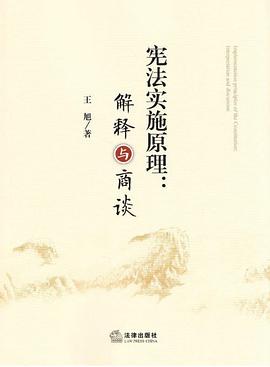
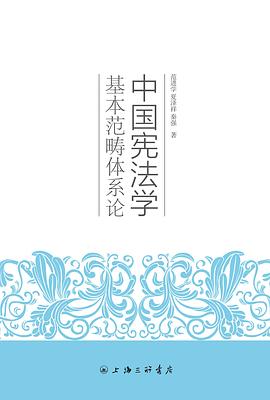
中国宪法学体系的构建当取决于宪法学自身基本范畴的构建,基本范畴是评价一个学科是否成熟、完善的主要标志。本书把当代中国宪法学基本范畴概括为八组十六个范畴,即民主与共和、宪法与法治、基本权利(人权)与国家权力、宪法职权与宪法责任、宪法规范与宪法效力、宪法救济与宪法诉讼、宪法概念与宪法解释、宪法监督与宪法审查。它们大致勾勒出了中国宪法学的基本框架,整个基本范畴体系构成个内部相通、外部协调的有机联系的整体。各个范畴之间具有逻辑同一性基础,既有独立的价值,又体现其在体系中的不孤立与相容性。每个范畴发挥作用,都依赖于其他范畴提供支持。八对范畴依顺序展现的是宪法运行的全过程,共同致力于宪政理想的实现。这十六个基本范畴之间的运作是一个有机联系的整体,互为表里,相得益彰,保障公民基本权利、限制国家权力的宪法规范是裁决宪法纠纷的依据,但是只有经过有效适当的解释宪法各个概念之后,才能在宪法诉讼中充分完成宪法救济,追究违宪者的宪法责任,实施宪法监督,开展宪法审查,体现宪法根本大法的最高法效力,完成民主与共和的宪政理想,宪法之治意义上的法治方才实现。
作者简介
范进学:上海交通大学凯原法学院教授,兼任中国宪法学研究会常务理事、上海市法学会宪法学研究会副会长、上海市法学会法理学研究会副会长、中国法理学研究会理事、中国人民大学宪法与行政法研究中心研究员、山东大学法学院兼职教授。
夏泽祥:山东临朐人,山东师范大学法学院副教授,法学博士,硕士研究生导师,主要从事宪法学研究,主要学术兼职:中国宪法学研究会理事。
秦强:山东微山人,中国人民大学法学院法学博士,中国人民大学社会学系博士后,现为全国宣传干部学院工作人员。
目录信息
第一节 民主•••••••••••••••••••••••••••••••••••••••••••••••••••••••••••••••••9
一、 什么是民主?••••••••••••••••••••••••••••••••••••••••••••••••••••••••9
(一) 定义“民主”不容易•••••••••••••••••••••••••••••••••••••••••••••••9
(二) 民主的起源•••••••••••••••••••••••••••••••••••••••••••••••••••••10
(三) 罗马共和制•••••••••••••••••••••••••••••••••••••••••••••••••••••13
(四) 宪政自由民主•••••••••••••••••••••••••••••••••••••••••••••••••••14
(五) 代议制民主•••••••••••••••••••••••••••••••••••••••••••••••••••••16
(六) 现代民主及其发展•••••••••••••••••••••••••••••••••••••••••••••••18
二、 现代民主的含义•••••••••••••••••••••••••••••••••••••••••••••••••••••19
三、 民主的实现形式•••••••••••••••••••••••••••••••••••••••••••••••••••••27
(一) 直接民主•••••••••••••••••••••••••••••••••••••••••••••••••••••••27
(二) 间接民主(代议制民主)•••••••••••••••••••••••••••••••••••••••••28
四、 民主集中制•••••••••••••••••••••••••••••••••••••••••••••••••••••••••29
(一) 实行民主集中制的必然性•••••••••••••••••••••••••••••••••••••••••29
(二) 民主集中制的概念与实质•••••••••••••••••••••••••••••••••••••••••31
(三) 民主与民主集中制的关系•••••••••••••••••••••••••••••••••••••••••36
(四) “民主集中制原则”宪法文本解读•••••••••••••••••••••••••••••••••38
第二节 共和••••••••••••••••••••••••••••••••••••••••••••••••••••••••••••••••46
一、“共和”的起源•••••••••••••••••••••••••••••••••••••••••••••••••••••••46
二、古典民主共和与现代自由共和••••••••••••••••••••••••••••••••••••••••••50
三、民主与共和之精神比较••••••••••••••••••••••••••••••••••••••••••••••••52
第二章 宪法与法治••••••••••••••••••••••••••••••••••••••••••••••••••••••••••••54
第一节 宪法••••••••••••••••••••••••••••••••••••••••••••••••••••••••••••••••54
一、 宪法的起源与演进•••••••••••••••••••••••••••••••••••••••••••••••••••54
(一)西方宪法之起源与演化•••••••••••••••••••••••••••••••••••••••••••54
(二)中国宪法之起源与演进•••••••••••••••••••••••••••••••••••••••••••54
二、根本法与作为根本法的中国宪法••••••••••••••••••••••••••••••••••••••••59
三、高级法与作为高级法的中国宪法•••••••••••••••••••••••••••••••••••••••••62
四、宪法是什么?•••••••••••••••••••••••••••••••••••••••••••••••••••••••••67
第二节 法治••••••••••••••••••••••••••••••••••••••••••••••••••••••••••••••••72
一、法治的概念••••••••••••••••••••••••••••••••••••••••••••••••••••••••••72
二、法治与宪政•••••••••••••••••••••••••••••••••••••••••••••••••••••••••••73
三、中国法治模式••••••••••••••••••••••••••••••••••••••••••••••••••••••••75
(一)“共产党领导下的依法治国”法治模式•••••••••••••••••••••••••••••••75
(二)依法治国与法治•••••••••••••••••••••••••••••••••••••••••••••••••78
(三)共产党领导与权力制约•••••••••••••••••••••••••••••••••••••••••••82
(四)法治模式比较•••••••••••••••••••••••••••••••••••••••••••••••••••84
(五)当代中国法治模式的标志•••••••••••••••••••••••••••••••••••••••••84
四、中国法治发展反思••••••••••••••••••••••••••••••••••••••••••••••••••••89
(一)发展、稳定与效能权威政府•••••••••••••••••••••••••••••••••••••••90
(二)公共善、党性善与法治•••••••••••••••••••••••••••••••••••••••••••92
(三)民主权利的孱弱与法治基础•••••••••••••••••••••••••••••••••••••••94
(四)“司法不断改革论”与司法独立••••••••••••••••••••••••••••••••••••••96
(五)名义宪法、保障宪法与宪政•••••••••••••••••••••••••••••••••••••••100
(六)诚信、政府公信力与法治的道德•••••••••••••••••••••••••••••••••••102
第三章 基本权利(人权)与国家权力••••••••••••••••••••••••••••••••••••••••••105
第一节 基本权利(人权)••••••••••••••••••••••••••••••••••••••••••••••••••••105
一、人权的性质•••••••••••••••••••••••••••••••••••••••••••••••••••••••••105
(一)人权的分歧•••••••••••••••••••••••••••••••••••••••••••••••••••••105
(二)人权的本质•••••••••••••••••••••••••••••••••••••••••••••••••••••106
二、基本人权:人权发展的宪法形态••••••••••••••••••••••••••••••••••••••••109
三、基本权利的竞合与冲突•••••••••••••••••••••••••••••••••••••••••••••••116
(一)基本权利的竞合问题•••••••••••••••••••••••••••••••••••••••••••••117
(二)基本权利的竞合问题•••••••••••••••••••••••••••••••••••••••••••••118
第二节 国家权力•••••••••••••••••••••••••••••••••••••••••••••••••••••••••••120
一、 宪法逻辑中的国家权力••••••••••••••••••••••••••••••••••••••••••••••120
二、国家权力的基本性质••••••••••••••••••••••••••••••••••••••••••••••••121
三、国家权力的人权保障义务••••••••••••••••••••••••••••••••••••••••••••124
(一)立法权与立法机关••••••••••••••••••••••••••••••••••••••••••••••125
(二)行政权与行政执法机关••••••••••••••••••••••••••••••••••••••••••125
(三)司法权与司法机关••••••••••••••••••••••••••••••••••••••••••••••127
第四章 宪法职权与宪法责任••••••••••••••••••••••••••••••••••••••••••••••••••130
第一节 宪法职权•••••••••••••••••••••••••••••••••••••••••••••••••••••••••••130
一、宪法职权概说•••••••••••••••••••••••••••••••••••••••••••••••••••••••130
二、立法权•••••••••••••••••••••••••••••••••••••••••••••••••••••••••••••130
(一)立法权的内容•••••••••••••••••••••••••••••••••••••••••••••••••••130
(二)立法权的组织与运行•••••••••••••••••••••••••••••••••••••••••••••132
三、行政权•••••••••••••••••••••••••••••••••••••••••••••••••••••••••••••134
(一)行政权的内容•••••••••••••••••••••••••••••••••••••••••••••••••••134
(二)行政权的组织与运行•••••••••••••••••••••••••••••••••••••••••••••134
四、司法权•••••••••••••••••••••••••••••••••••••••••••••••••••••••••••••136
(一)司法权的内容•••••••••••••••••••••••••••••••••••••••••••••••••••136
(二)司法权的组织与运行•••••••••••••••••••••••••••••••••••••••••••••137
五、三种宪法职权之间的关系•••••••••••••••••••••••••••••••••••••••••••••142
(一)三权均衡•••••••••••••••••••••••••••••••••••••••••••••••••••••••142
(二)立法权优越•••••••••••••••••••••••••••••••••••••••••••••••••••••143
(三)行政权优越•••••••••••••••••••••••••••••••••••••••••••••••••••••144
六、我国现行宪法规定的宪法职权及其相互关系•••••••••••••••••••••••••••••147
(一)我国现行宪法规定的宪法职权•••••••••••••••••••••••••••••••••••••147
(二)宪法职权之间的关系•••••••••••••••••••••••••••••••••••••••••••••149
第二节 宪法责任•••••••••••••••••••••••••••••••••••••••••••••••••••••••••••150
一、宪法责任的概念•••••••••••••••••••••••••••••••••••••••••••••••••••••150
(一)宪法责任的主体是什么•••••••••••••••••••••••••••••••••••••••••••151
(二)宪法“责任”是什么•••••••••••••••••••••••••••••••••••••••••••••152
(三)承担宪法责任的理由是什么•••••••••••••••••••••••••••••••••••••••152
二、宪法责任的性质•••••••••••••••••••••••••••••••••••••••••••••••••••••152
(一)“政治责任”说••••••••••••••••••••••••••••••••••••••••••••••••••152
(二)“政治责任与法律责任”说••••••••••••••••••••••••••••••••••••••••152
(三)“政治责任、法律责任与道德责任”说••••••••••••••••••••••••••••••154
三、宪法责任的特征••••••••••••••••••••••••••••••••••••••••••••••••••••154
四、宪法责任的形式••••••••••••••••••••••••••••••••••••••••••••••••••••156
第五章 宪法规范与宪法效力••••••••••••••••••••••••••••••••••••••••••••••••••157
第一节 宪法规范•••••••••••••••••••••••••••••••••••••••••••••••••••••••••••157
一、宪法规范的性质界定•••••••••••••••••••••••••••••••••••••••••••••••••157
二、宪法规范的价值定位•••••••••••••••••••••••••••••••••••••••••••••••••159
三、宪法规范的基本内容•••••••••••••••••••••••••••••••••••••••••••••••••163
(一)宪法规范中国家权力与基本人权关系•••••••••••••••••••••••••••••••163
(二)宪法规范中基本权利与基本义务关系•••••••••••••••••••••••••••••••164
(三)宪法规范中国家权力之间的关系•••••••••••••••••••••••••••••••••••165
第二节 宪法效力•••••••••••••••••••••••••••••••••••••••••••••••••••••••••••166
一、宪法效力的基本分类•••••••••••••••••••••••••••••••••••••••••••••••••166
二、宪法规范的效力形态•••••••••••••••••••••••••••••••••••••••••••••••••167
三、宪法规范的私法效力•••••••••••••••••••••••••••••••••••••••••••••••••168
(一)宪法规范能否进入私法领域?•••••••••••••••••••••••••••••••••••••168
(二)基本权利的私法效力•••••••••••••••••••••••••••••••••••••••••••••172
第六章 宪法救济与宪法诉讼••••••••••••••••••••••••••••••••••••••••••••••••••176
第一节 宪法救济•••••••••••••••••••••••••••••••••••••••••••••••••••••••••••176
一、宪法救济的概念辨析•••••••••••••••••••••••••••••••••••••••••••••••••176
二、宪法救济的原则•••••••••••••••••••••••••••••••••••••••••••••••••••••177
(一)案件性原则•••••••••••••••••••••••••••••••••••••••••••••••••••••177
(二)穷尽法律救济原则•••••••••••••••••••••••••••••••••••••••••••••••177
(三)时效性原则•••••••••••••••••••••••••••••••••••••••••••••••••••••177
(四)适用救济程序原则•••••••••••••••••••••••••••••••••••••••••••••••178
三、与宪法救济相关的制度类型•••••••••••••••••••••••••••••••••••••••••••178
(一)司法审查•••••••••••••••••••••••••••••••••••••••••••••••••••••••178
(二)违宪审查•••••••••••••••••••••••••••••••••••••••••••••••••••••••178
(三)宪法监督•••••••••••••••••••••••••••••••••••••••••••••••••••••••191
(四)宪法保障•••••••••••••••••••••••••••••••••••••••••••••••••••••••192
四、我国的宪法救济制度及其完善•••••••••••••••••••••••••••••••••••••••••193
(一)我国已有的宪法救济制度的框架及主要缺陷•••••••••••••••••••••••••193
(二)完善我国宪法救济制度的路径•••••••••••••••••••••••••••••••••••••194
第二节 宪法诉讼•••••••••••••••••••••••••••••••••••••••••••••••••••••••••200
一、宪法诉讼的概念辨析•••••••••••••••••••••••••••••••••••••••••••••••••200
(一)行政诉讼的含义•••••••••••••••••••••••••••••••••••••••••••••••••200
(二)宪法诉讼与其它诉讼制度•••••••••••••••••••••••••••••••••••••••••201
(三)宪法诉讼与司法审查•••••••••••••••••••••••••••••••••••••••••••••201
(四)宪法诉讼与违宪审查•••••••••••••••••••••••••••••••••••••••••••••201
二、宪法诉讼的起源与发展•••••••••••••••••••••••••••••••••••••••••••••••201
(一)宪法诉讼制度的起源及其在美国的确立•••••••••••••••••••••••••••••202
(二)普通法院型宪法诉讼模式•••••••••••••••••••••••••••••••••••••••••207
(三)宪法法院型宪法诉讼模式•••••••••••••••••••••••••••••••••••••••••213
(四)提起宪法诉愿的期间和方式•••••••••••••••••••••••••••••••••••••••216
(五)宪法诉愿的受理和裁判•••••••••••••••••••••••••••••••••••••••••••216
三、宪法诉讼的原则•••••••••••••••••••••••••••••••••••••••••••••••••••••217
(一)政治问题和法律争讼以外的事项不予审查的原则•••••••••••••••••••••217
(二)诉讼身份限制原则•••••••••••••••••••••••••••••••••••••••••••••••218
(三)合宪性推定原则•••••••••••••••••••••••••••••••••••••••••••••••••219
(四)宪法判断回避原则•••••••••••••••••••••••••••••••••••••••••••••••219
(五)穷尽法律救济原则•••••••••••••••••••••••••••••••••••••••••••••••220
四、宪法诉讼的裁判效力•••••••••••••••••••••••••••••••••••••••••••••••••220
第七章 宪法概念与宪法解释••••••••••••••••••••••••••••••••••••••••••••••••••221
第一节 宪法概念•••••••••••••••••••••••••••••••••••••••••••••••••••••••••••221
一、何谓宪法概念?•••••••••••••••••••••••••••••••••••••••••••••••••••••221
二、宪法概念的特征•••••••••••••••••••••••••••••••••••••••••••••••••••••223
第二节 宪法解释•••••••••••••••••••••••••••••••••••••••••••••••••••••••••••225
一、宪法解释概念•••••••••••••••••••••••••••••••••••••••••••••••••••••••225
二、宪法解释的主体•••••••••••••••••••••••••••••••••••••••••••••••••••••227
三、宪法解释的客体•••••••••••••••••••••••••••••••••••••••••••••••••••••232
四、宪法解释程序•••••••••••••••••••••••••••••••••••••••••••••••••••••••233
(一)立法机关解释宪法的程序•••••••••••••••••••••••••••••••••••••••••233
(二)普通法院解释宪法的程序•••••••••••••••••••••••••••••••••••••••••234
(三)特殊机关解释宪法的程序•••••••••••••••••••••••••••••••••••••••••234
五、解释宪法的原则•••••••••••••••••••••••••••••••••••••••••••••••••••••235
(一)解释宪法必须遵循人民主权原则•••••••••••••••••••••••••••••••••••235
(二)解释宪法必须遵循法治原则•••••••••••••••••••••••••••••••••••••••236
(三)解释宪法必须遵循尊重和保障人权原则•••••••••••••••••••••••••••••238
(四)解释宪法必须遵循法治原则•••••••••••••••••••••••••••••••••••••••239
六、全国人大常委会解释宪法程序设想•••••••••••••••••••••••••••••••••••••239
七、宪法解释方法•••••••••••••••••••••••••••••••••••••••••••••••••••••••241
(一)文义解释••••••••••••••••••••••••••••••••••••••••••••••••••••••241
(二)原旨解释或历史解释•••••••••••••••••••••••••••••••••••••••••••••241
(三)目的解释•••••••••••••••••••••••••••••••••••••••••••••••••••••••242
八、宪法解释与宪法修改•••••••••••••••••••••••••••••••••••••••••••••••••244
九、关于宪法方法论之争•••••••••••••••••••••••••••••••••••••••••••••••••246
(一)宪法方法论之争的由来••••••••••••••••••••••••••••••••••••••••••246
(二)宪法方法论之争的实质••••••••••••••••••••••••••••••••••••••••••251
(三)如何看待当下中国宪法方法论之争?••••••••••••••••••••••••••••••256
第八章 宪法监督与宪法审查•••••••••••••••••••••••••••••••••••••••••••••••••259
第一节 宪法监督•••••••••••••••••••••••••••••••••••••••••••••••••••••••••••259
一、何谓宪法监督?•••••••••••••••••••••••••••••••••••••••••••••••••••••259
二、宪法监督程序之设定•••••••••••••••••••••••••••••••••••••••••••••••••260
三、宪法监督程序之审思•••••••••••••••••••••••••••••••••••••••••••••••••263
(一)程序设定的监督主体•••••••••••••••••••••••••••••••••••••••••••••263
(二)程序设定的场景与程序提起主体•••••••••••••••••••••••••••••••••••265
(三)程序监督的客体•••••••••••••••••••••••••••••••••••••••••••••••••266
(四)程序设定的合理性•••••••••••••••••••••••••••••••••••••••••••••••267
四、宪法监督程序之变造•••••••••••••••••••••••••••••••••••••••••••••••••268
第二节 宪法审查•••••••••••••••••••••••••••••••••••••••••••••••••••••••••••271
一、司法审查•••••••••••••••••••••••••••••••••••••••••••••••••••••••••••271
二、中国宪法审查•••••••••••••••••••••••••••••••••••••••••••••••••••••••274
(一)中国宪法审查制度•••••••••••••••••••••••••••••••••••••••••••••••274
(二)法律:是否是违宪审查的对象•••••••••••••••••••••••••••••••••••••277
(三)“不适当”一词的宪法解释••••••••••••••••••••••••••••••••••••••••280
(四)中国宪法审查制之完善•••••••••••••••••••••••••••••••••••••••••••281
后记•••••••••••••••••••••••••••••••••••••••••••••••••••••••••••••••••••••••283
· · · · · · (收起)
读后感
用户评价
一本严谨的著作,虽然我尚未能一窥其全貌,但从其书名《中国宪法学基本范畴体系论》便能感受到作者在构建一个系统性、逻辑严谨的学术体系的雄心。宪法学,作为国家法律体系的基石,其基本范畴的梳理和体系化无疑是理解和深化宪法研究的关键。我尤其期待这本书能厘清那些看似相似却内涵迥异的概念,例如,在权利保障与权力制约这对矛盾体中,如何界定和理解“基本权利”的边界,以及“权力制约”的具体形式和有效性,是如何在中国的具体语境下被建构和运作的。 Furthermore, the notion of "体系论" (systematic theory) itself implies a profound engagement with the interconnectedness and hierarchical relationships between these fundamental categories. It suggests that the book won't merely present a collection of definitions, but rather a framework that explains how these elements interact, influence, and ultimately constitute the entire edifice of Chinese constitutional law. I'm particularly curious about the author's approach to identifying and articulating the foundational building blocks of this edifice, and how they argue for the logical coherence and completeness of the proposed system. This kind of foundational work is crucial for both theoretical advancement and practical application, providing a solid grounding for legal scholars, practitioners, and even policymakers to engage with the complexities of China's constitutional order. The sheer ambition of such a project hints at a deep and patient exploration of the subject matter, and I eagerly anticipate discovering the author's unique contributions to this vital area of legal scholarship. The title itself promises a comprehensive and analytical approach, aiming to dissect and reassemble the core conceptual components of Chinese constitutional law into a coherent and understandable structure. This is no small feat, and I'm eager to see how the author navigates the intricate landscape of legal theory and practice to achieve this ambitious goal. The potential for illuminating hitherto obscure connections and for providing a more nuanced understanding of the underlying principles governing China's constitutional framework is immense.
对于《中国宪法学基本范畴体系论》这本书,我怀着极大的学术兴趣,尽管我尚未有机会翻阅,但这个书名本身就预示着一场对宪法学核心概念的深度探索。宪法,作为国家权力的根基与公民权利的保障,其基本范畴的梳理与体系的构建,是理解国家治理模式的关键。我特别好奇作者如何处理“民主原则”在不同语境下的理解,以及“宪法解释权”的归属与行使机制。Furthermore, the term "体系论" indicates a methodical and structured approach, suggesting that the book will weave together various fundamental categories into a coherent and interconnected theoretical framework. This implies an examination of how these concepts influence and shape each other, forming a comprehensive understanding of Chinese constitutionalism. I am particularly interested in the author's rationale for defining these specific categories as fundamental and their argument for the logical consistency and comprehensiveness of the proposed system. The development of such a systematic theory is crucial for advancing legal scholarship, providing a clear and organized foundation for both theoretical inquiry and practical application. Therefore, I anticipate that this work will offer valuable insights into the foundational principles of Chinese constitutional law and contribute significantly to our academic discourse. The sheer intellectual undertaking of systematizing the core concepts of constitutional law is impressive, and I eagerly await the opportunity to engage with the author's meticulous scholarship and insightful analysis, expecting a thoroughly enlightening and comprehensive exploration.
《中国宪法学基本范畴体系论》这本书的名字让我充满了期待,虽然我还没来得及翻阅,但仅凭书名,就能感受到作者在构建一个严谨、系统的宪法学理论体系的努力。宪法学,作为国家法律体系的顶端,其基本概念的梳理和范畴的划分,是理解宪法精神和实施的关键。我尤其好奇作者是如何处理“人权保障”与“社会发展”之间的平衡,以及“法治原则”在中国的具体内涵和实践维度。Furthermore, the term "体系论" signifies a commitment to establishing a coherent and interconnected framework for these fundamental categories. It suggests that the book will go beyond mere definitions and explore the logical relationships, the hierarchical structures, and the functional interdependencies between these concepts. I am eager to understand how the author argues for the validity and completeness of their proposed system, and what criteria they employ to identify and define these core constitutional categories. The development of such a systematic theoretical approach is crucial for advancing legal scholarship, providing a solid foundation for further research and practical application. Therefore, I anticipate that this work will offer valuable insights into the foundational principles of Chinese constitutionalism and contribute significantly to our understanding of its theoretical underpinnings. The sheer intellectual rigor required to undertake such a project is commendable, and I eagerly await the opportunity to engage with the author's meticulous analysis and well-crafted arguments, expecting a thorough and insightful exploration of the subject matter.
《中国宪法学基本范畴体系论》这本书,仅仅从书名上,就足以让我对作者的学术功力与研究深度产生浓厚的兴趣,尽管我还没有正式翻阅。宪法学,作为国家政治与法律的基石,其基本范畴的梳理与体系化,是理解国家运作的逻辑起点。我尤其期待作者在“国家结构形式”的理论建构上,如何处理中央与地方的关系,以及在“政党与宪法”的互动模式中,如何体现宪法的权威性。Moreover, the emphasis on "体系论" suggests a systematic and integrated approach to understanding these fundamental categories, implying a focus on their interrelationships, their hierarchical organization, and their functional significance within the broader framework of Chinese constitutional law. I am keen to explore how the author identifies and articulates the essential building blocks of this system, and the theoretical underpinnings that support their proposed structure. The creation of a coherent theoretical system is a vital aspect of legal scholarship, providing clarity and a robust foundation for further analysis and application. Therefore, I anticipate that this book will offer significant contributions to our understanding of Chinese constitutionalism, illuminating its theoretical architecture and practical implications. The ambition of constructing such a systematic theory is highly commendable, and I eagerly await the opportunity to delve into the author's detailed arguments and nuanced perspectives, expecting a profoundly informative and comprehensive exploration.
我迫不及待地想要深入了解《中国宪法学基本范畴体系论》这本书,即使尚未展开阅读,这个书名已然激起了我对宪法学基本概念的强烈探究欲。宪法学,作为国家政治与法律秩序的核心,其基本范畴的厘清与体系化,是理解和发展宪法理论的基石。我尤为关注作者在“公民基本权利”的界定上,如何处理个体自由与集体利益的优先性,以及在“宪法实施”层面,如何连接理论规范与实践操作的落差。Moreover, the "体系论" aspect of the title suggests a holistic and integrated approach to these fundamental categories, implying that the book will not merely present isolated concepts but will explore their intricate relationships, their hierarchical organization, and their collective contribution to the overall framework of Chinese constitutional law. I am keen to understand the author's methodology in identifying and articulating these foundational elements, and the theoretical justifications for the proposed system. The process of systematization is vital for bringing clarity and coherence to complex legal domains, and I anticipate that this book will offer a significant contribution in this regard. The ambition to construct a systematic theory of constitutional law's basic categories is a challenging yet rewarding endeavor, and I eagerly await the opportunity to delve into the author's sophisticated analysis and well-articulated arguments, anticipating a profoundly illuminating examination of the subject.
《中国宪法学基本范畴体系论》这本书,光是书名就足以让我感受到其学术的厚重感,尽管我还没有开始阅读,但其潜力已经让我十分向往。宪法学,作为规范国家权力与保障公民权利的最高法律,其基本范畴的梳理与体系化的构建,是理解国家根本制度的关键。我尤为好奇作者是如何界定“国家权力”的来源与合法性,以及“宪法修改”的程序与实践在中国的特殊性。Furthermore, the emphasis on "体系论" suggests a comprehensive and interconnected approach to these fundamental categories, implying a focus on their logical relationships, their hierarchical organization, and their functional significance within the broader structure of Chinese constitutional law. I am keen to understand how the author identifies and articulates the core building blocks of this system, and the theoretical justifications for their proposed framework. The process of systematization is vital for bringing clarity and coherence to complex legal disciplines, and I anticipate that this book will offer a significant contribution in this regard. The ambition to construct a systematic theory of constitutional law's basic categories is a challenging yet rewarding endeavor, and I eagerly await the opportunity to delve into the author's detailed arguments and nuanced perspectives, expecting a profoundly informative and comprehensive exploration of the subject matter.
一本值得深入探讨的著作,虽然我尚未展开阅读,但《中国宪法学基本范畴体系论》这个书名已经勾勒出了一幅宏大的学术图景。宪法学,作为规范国家权力运行和保障公民权利的最高法律,其基本范畴的界定和体系化是学术研究的基石。我尤其好奇作者如何界定“国家性质”与“政权形式”之间的内在联系,以及“宪法监督”与“法律监督”在中国的具体实践中所呈现出的差异与共鸣。Furthermore, the concept of "体系论" implies a structured and organized approach to understanding these fundamental categories. It suggests that the book will not simply present a list of terms, but rather an intricate web of concepts, demonstrating their interrelationships, their hierarchical organization, and their functional significance within the broader framework of Chinese constitutional law. I am particularly interested in how the author addresses the potential for conceptual ambiguity or overlap, and how they propose to resolve such issues to create a truly coherent and logically sound system. The development of a systematic theoretical framework is crucial for advancing legal scholarship, providing clarity for both theoretical analysis and practical application. Therefore, I expect this book to offer valuable insights into the underlying principles that govern the Chinese constitutional order, and to contribute significantly to our understanding of its evolution and operation. The ambition of creating a comprehensive and coherent system of constitutional law concepts is a testament to the author's dedication and expertise, and I eagerly anticipate discovering the unique perspectives and arguments presented within its pages. The title itself signifies a deep engagement with the foundational elements of legal theory, and I am eager to explore the intellectual landscape charted by this important work, anticipating a rigorous and enlightening examination of the subject.
我对于《中国宪法学基本范畴体系论》这本书充满期待,虽然尚未翻阅,但其书名已然透露出作者在宪法学基本概念研究上的宏大视野。宪法学,作为国家秩序的根本,其基本范畴的辨析与体系的建构,是理解和发展宪法理论的关键。我特别关注作者如何处理“宪法原则”与“宪法规范”之间的联系,以及“公民的政治参与”在中国的制度安排与理论定位。Moreover, the term "体系论" signifies a systematic and holistic approach, implying that the book will not only define individual concepts but also explore their interconnections, their hierarchical relationships, and their collective contribution to the overall framework of Chinese constitutional law. I am eager to understand the author's methodology in identifying and articulating these fundamental categories, and the theoretical rationale behind their proposed system. The development of a coherent and comprehensive theoretical framework is crucial for advancing legal scholarship, providing clarity and a solid foundation for both further research and practical application. Therefore, I anticipate that this work will offer valuable insights into the foundational principles of Chinese constitutionalism and contribute significantly to our academic discourse. The intellectual undertaking of constructing such a systematic theory is indeed impressive, and I eagerly await the opportunity to engage with the author's meticulous analysis and well-articulated arguments, expecting a thoroughly insightful and comprehensive exploration of the subject matter.
我对于《中国宪法学基本范畴体系论》这本书充满了好奇,尽管我还没有深入阅读,但其书名所传递出的学术深度和研究视野已经深深吸引了我。宪法学,作为国家政治与法律的最高规范,其核心概念的梳理与构建,是理解一个国家政治体制和社会秩序的关键。我尤其关注作者如何处理“公民权利”与“国家权力”之间的张力,以及“宪法解释”与“宪法适用”在实践中的不同路径。 Moreover, the term "体系论" suggests a holistic approach, where individual concepts are not treated in isolation but are understood as integral parts of a larger, interconnected system. This implies a rigorous examination of the logical relationships, dependencies, and potential conflicts between various constitutional categories. I am keen to explore how the author establishes the foundational principles upon which this entire system is built, and what criteria are used to define these fundamental categories. The process of systematization in legal scholarship is often fraught with challenges, requiring careful consideration of historical development, comparative legal practices, and the specific socio-political context. Therefore, I anticipate that this book will offer a sophisticated and well-reasoned argument for its proposed conceptual framework. The potential for this work to provide a more robust and coherent understanding of Chinese constitutionalism is significant, and I am eager to delve into its arguments and critically assess its contributions. The sheer intellectual undertaking of creating a systematic theory of fundamental categories within a complex legal tradition like China's is impressive in itself, and I look forward to experiencing the depth of insight it offers. The title promises a journey into the very foundations of constitutional thought in China, and I am ready to embark on that exploration with an open mind and a keen analytical eye, anticipating a comprehensive and illuminating exposition.
我非常期待拜读《中国宪法学基本范畴体系论》这本书,尽管还未开始阅读,但其书名已然点燃了我对宪法学核心概念探索的热情。宪法作为国家的根本法,其基本范畴的梳理与构建,是理解国家治理逻辑与公民权利保障的重要途径。我特别关注作者如何处理“主权在民”与“人民民主专政”之间的关系,以及“分权制衡”在中国的具体体现和实践中的效能。Moreover, the inclusion of "体系论" in the title suggests a comprehensive and systematic approach to organizing these fundamental categories. This implies a thoughtful exploration of how these concepts are interrelated, how they form a cohesive whole, and how they contribute to the overall functioning of the Chinese constitutional system. I am keen to see how the author identifies and articulates the core building blocks of this system, and the theoretical underpinnings that support their proposed structure. The process of systematization is essential for providing clarity and coherence in legal discourse, and I anticipate that this book will offer a valuable contribution in this regard. The ambition of creating a systematic theory of fundamental categories within the complex domain of constitutional law is a significant undertaking, and I am eager to discover the author's unique perspective and the depth of their analysis. The title itself promises a rigorous intellectual journey into the foundational concepts of Chinese constitutionalism, and I look forward to the insights and enlightenment this book will undoubtedly provide, eagerly anticipating a profound and insightful examination.
不错,学习中
不错,学习中
不错,学习中
不错,学习中
不错,学习中