
具体描述
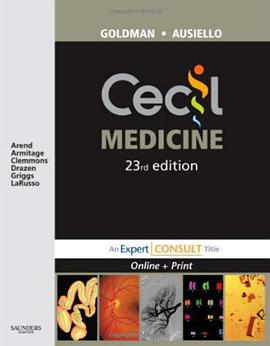
Faster reference...better practice! If you aren't already getting your medical information from Cecil Medicine, it's time for you to start. The 23rd Edition is quite simply the fastest and best place to find all of the clinical answers you need! Both inside the remarkably user-friendly printed version of this Expert Consult title and on its fully searchable web site, you'll find definitive, unbiased, evidence-based guidance on the evaluation and management of every medical condition-from a veritable "who's who" of preeminent leaders in the field.
A new chapter format makes clinically actionable information leap right off the page-including algorithms to simplify decision making.
Access to the complete contents of this Expert Consult title online, fully searchable, permits rapid consultation from anyplace with an Internet connection.
A wealth of brand-new chapters and comprehensive updates throughout put the latest knowledge and evidence-based practices at your fingertips.
An exceptionally practical focus zeroes in on today's most relevant, current, essential knowledge for every condition you see-including the most pertinent bibliographical references, with annotations explaining their clinical significance.
Each chapter indicates which management recommendations are supported by Grade A clinical evidence, so you can implement them with total confidence.
The editorial team is a veritable "who's who" of preeminent leaders in medicine today, and noted world authorities have written each and every chapter, so you get all the accuracy, expertise, and dependability you could ask for...and then some!
Your purchase entitles you to access the web site until the next edition is published, or until the current edition is no longer offered for sale by Elsevier, whichever occurs first. If the next edition is published less than one year after your purchase, you will be entitled to online access for one year from your date of purchase. Elsevier reserves the right to offer a suitable replacement product (such as a downloadable or CD-ROM-based electronic version) should access to the web site be discontinued.
作者简介
Lee Goldman, MD, Executive Vice President for Health and Biomedical Sciences and Dean of the Faculties of Health Sciences and of Medicine, Harold and Margaret Hatch Professor of the University, Professor of Medicine and of Epidemiology, Columbia University, New York, NY
Dennis Ausiello, MD, Jackson Professor of Clinical Medicine, Harvard Medical School, Chief, Medical Service, Massachusetts General Hospital, Boston, MA
目录信息
2 Bioethics in the Practice of Medicine
3 Care of Dying Patients and Their Families
4 Cultural Context of Medicine
5 Socioeconomic Issues in Medicine
6 Approach to the Patient: History and Physical Examination
7 Approach to the Patient with Abnormal Vital Signs
8 Statistical Interpretation of Data
9 Using Data for Clinical Decisions
10 Principles of Outcome Assessment
11 Patient Safety and Quality of Care
12 Principles of Preventive Health Care
13 The Periodic Health Examination
14 Physical Activity
15 Violence and Injury
16 Immunization
17 Principles of Occupational and Environmental Medicine
18 Radiation Injury
19 Bioterrorism
20 Chronic Poisoning: Trace Metals and Others
21 Epidemiology of Aging: Implications of the Aging of Society
22 Biology of Aging
23 Common Clinical Sequelae of Aging
24 Urinary Incontinence
25 Neuropsychiatric Aspects of Aging
26 Delirium and Other Mental Status Problems in the Older Patient
27 Principles of Drug Therapy
28 Pain
29 Biology of Addiction
30 Tobacco
31 Alcohol Abuse and Dependence
32 Drug Abuse and Dependence
33 Immunosuppressing Drugs Including Glucocorticoids
34 Prostaglandins, Aspirin, and Related Compounds
35 Antithrombotic Therapy
36 Complementary and Alternative Medicine
37 Principles of Genetics: Overview of the Paradigm of Genetic Contribution to Health and Disease
38 Genetic Risk Assessment
39 Single Gene and Chromosomal Disorders
40 The Inherited Basis of Common Diseases
41 Gene and Cell Therapy
42 The Innate and Adaptive Immune Systems
43 The Major Histocompatibility Complex and Disease Susceptibility
44 Mechanisms of Immune-Mediated Tissue Injury
45 Mechanisms of Inflammation and Tissue Repair
46 Transplant Immunology
47 Complement in Health and Disease
48 Approach to the Patient with Possible Cardiovascular Disease
49 Epidemiology of Cardiovascular Disease
50 Cardiac Function and Circulatory Control
51 Radiology of the Heart
52 Electrocardiography
53 Echocardiography
54 Nuclear Cardiology and Computed Tomography
55 Cardiac Magnetic Resonance Imaging
56 Catheterization and Angiography
57 Heart Failure: Pathophysiology and Diagnosis
58 Heart Failure: Management and Prognosis
59 Diseases of the Endocardium and Myocardium
60 Principles of Electrophysiology
61 Approach to the Patient with Suspected Arrhythmia
62 Approach to Cardiac Arrest and Life-Threatening Arrhythmias
63 Cardiac Arrhythmias with Supraventricular Origin
64 Ventricular Arrhythmias and Approach to the Survivor of Cardiac Arrest
65 Electrophysiologic Interventional Procedures and Surgery
66 Arterial Hypertension
67 Pulmonary Hypertension
68 Congenital Heart Disease in Adults
69 Atherosclerosis, Thrombosis, and Vascular Biology
70 Angina Pectoris
71 Acute Coronary Syndrome: Unstable Angina and Non-ST Segment Elevation Myocardial Infarction
72 ST-Elevation Acute Myocardial Infarction and Complications of Myocardial Infarction
73 Percutaneous Coronary Interventions
74 Surgical Treatment of Coronary Artery Disease
75 Valvular Heart Disease
76 Infective Endocarditis
77 Pericardial Disease
78 Diseases of the Aorta
79 Atherosclerotic Peripheral Arterial Disease
80 Other Peripheral Arterial Diseases
81 Peripheral Venous Disease
82 Cardiac Transplantation
83 Approach to the Patient with Respiratory Disease
84 Imaging in Pulmonary Disease
85 Respiratory Structure and Function
86 Disorders of Ventilatory Control
87 Asthma
88 Chronic Obstructive Pulmonary Disease
89 Cystic Fibrosis
90 Bronchiectasis and Localized Airway/Parenchymal Disorders
91 Alveolar Filling Disorders
92 Interstitial Lung Disease
93 Occupational Pulmonary Disorders
94 Physical, Chemical, and Aspiration Injuries of the Lung
95 Sarcoidosis
96 Acute Bronchitis and Tracheitis
97 Approach to the Patient with Pneumonia
98 Lung Abscess
99 Pulmonary Embolism
100 Diseases of the Diaphragm, Chest Wall, Pleura, and Mediastinum
101 Obstructive Sleep Apnea and Hypopnea Syndromes
102 Surgical Approach to Lung Disease
103 Approach to the Patient in a Critical Care Setting
104 Respiratory Monitoring in Critical Care
105 Acute Respiratory Failure
106 Ventilator Management in the Intensive Care Unit
107 Approach to the Patient with Shock
108 Cardiogenic Shock
109 Shock Syndromes Related to Sepsis
110 Disorders Due to Heat and Cold
111 Acute Poisoning
112 Electric Injury
113 Medical Aspects of Trauma and Burn Care
114 Rhabdomyolysis
115 Approach to the Patient with Renal Disease
116 Structure and Function of the Kidneys
117 Total Body Fluids
118 Potassium Balance Disorders
119 Acid-Base Disorders
120 Disorders of Magnesium and Phosphorus
121 Acute Renal Failure
122 Glomerular Disorders and Nephrotic Syndromes
123 Tubulointerstitial Diseases
124 Obstructive Uropathy
125 Diabetes and the Kidney
126 Vascular Disorders of the Kidney
127 Renal Calculi (Nephrolithiasis)
128 Cystic Diseases of the Kidney
129 Hereditary Nephropathies and Abnormalities of the Urinary Tract
130 Benign Prostate Disease and Prostatitis
131 Chronic Renal Failure
132 Renal Osteodystrophy
133 Treatment of Irreversible Renal Failure
134 Approach to the Patient with Gastrointestinal Disease
135 Diagnostic Imaging Procedures in Gastroenterology
136 Gastrointestinal Endoscopy
137 Gastrointestinal Hemorrhage and Occult Gastrointestinal Bleeding
138 Disorders of Gastrointestinal Motility
139 Functional Gastrointestinal Disorders: Irritable Bowel, Non-Ulcer Dyspepsia, and Noncardiac Chest Pain
140 Diseases of the Esophagus
141 Pathophysiology of Acid Peptic Disease
142 Diagnosis and Treatment of Acid Peptic Disease
143 Approach to the Patient with Diarrhea and Malabsorption Syndromes
144 Inflammatory Bowel Disease
145 Appendicitis, Diverticulitis, and Inflammatory Diseases of the Intestine, Peritoneum, Mesentery, and Omentum
146 Vascular Diseases of the Intestine
147 Pancreatitis
148 Diseases of the Rectum and Anus
149 Approach to the Patient with Liver Disease
150 Approach to the Jaundiced Patient and or Abnormal Liver Tests
151 Acute Viral Hepatitis
152 Chronic Hepatitis
153 Toxin and Drug-Induced Liver Disease
154 Inherited, Infiltrative, and Metabolic Disorders Involving the Liver
155 Bacterial, Parasitic, Fungal, and Granulomatous Liver Diseases
156 Alcoholic and Non-Alcoholic Steatohepatitis
157 Cirrhosis and Its Sequelae
158 Hepatic Failure and Liver Transplantation
159 Diseases of the Gallbladder and Bile Ducts
160 Hematopoiesis and Hematopoietic Growth Factors
161 The Peripheral Blood Smear
162 Approach to the Anemias
163 Microcytic and Hypochromic Anemias
164 Autoimmune and Intravascular Hemolytic Anemias
165 Hemolytic Anemias: Red Cell Membrane and Metabolic Defects
166 The Thalassemias
167 Sickle Cell Anemia and Associated Hemoglobinopathies
168 Hemoglobinopathies: Methemoglobinemias, Polycythemias, and Unstable Hemoglobins
169 Nonhemolytic Normochromic, Normocytic Anemias
170 Megaloblastic Anemias
171 Aplastic Anemia and Related Disorders
172 Polycythemias and Unstable Hemoglobins
173 Leukopenia and Leukocytosis
174 Approach to the Patient with Lymphadenopathy and Splenomegaly
175 Disorders of Phagocyte Function
176 Eosinophilic Syndromes
177 Chronic Myeloproliferative Disorders: Essential Thrombocythemia and Myelofibrosis with Myeloid Metaplasia
178 Approach to the Patient with Bleeding and Thrombosis
179 Hemorrhagic Disorders: Abnormalities of Platelet and Vascular Function
180 Hemorrhagic Disorders: Coagulation Factor Deficiencies
181 Hemorrhagic Disorders: Disseminated Intravascular Coagulation, Liver Disease, and Vitamin K Deficiency
182 Thrombotic Disorders and Hypercoagulable States
183 Transfusion Medicine
184 Hematopoietic Stem Cell Transplantation
185 Epidemiology of Cancer
186 Genetics of Cancer
187 Biology of Cancer
188 Endocrine Manifestations of Tumors: Ectopic Hormone Production
189 Paraneoplastic Syndromes and Other Non-neoplastic Effects of Cancer
190 Tumor Markers
191 Cancer Prevention
192 Principles of Cancer Therapy
193 Myelodysplastic Syndrome
194 The Acute Leukemias
195 The Chronic Leukemias
196 Non-Hodgkin's Lymphomas
197 Hodgkin's Disease
198 Plasma Cell Disorders
199 Tumors of the Central Nervous System and Intracranial Hypertension and Hypotension
200 Head and Neck Cancer
201 Lung Cancer and Other Pulmonary Neoplasms
202 Neoplasms of the Esophagus and Stomach
203 Neoplasms of the Large and Small Intestine
204 Carcinoma of the Pancreas
205 Pancreatic Endocrine Tumors
206 Liver and Biliary Tract Tumors
207 Tumors of the Kidney, Bladder, Ureters, and Renal Pelvis
208 Breast Cancer and Differential Diagnosis of Benign Nodules
209 Gynecologic Cancers
210 Testicular Cancer
211 Prostate Cancer
212 Bone Sarcomas
213 Soft Tissue Sarcoma
214 Melanoma and Nonmelanoma Skin Cancers
215 Cancer of Unknown Primary Origin
216 Approach to the Patient with Inborn Errors of Metabolism
217 Disorders of Lipid Metabolism
218 Galactosemia
219 Glycogen Storage Diseases
220 Fructose Intolerance
221 Primary Hyperoxaluria
222 Disorders of Purine and Pyrimidine Metabolism
223 Lysosomal Storage Diseases
224 Disorders of Phenylalanine and Tyrosine Metabolism
225 The Hyperprolinemias and Hydroxyprolinemia
226 Diseases of the Urea Cycle
227 Branched Chain Aminoacidurias
228 Homocystinuria
229 The Porphyrias
230 Wilson's Disease
231 Iron Overload (Hemochromatosis)
232 Nutrition's Interface with Health and Disease
233 Nutritional Assessment
234 Protein-Energy Malnutrition
235 Enteral Nutrition
236 Parenteral Nutrition
237 Vitamins and Micronutrients
238 The Eating Disorders
239 Obesity
240 Principles of Endocrinology
241 Neuroendocrinology and the Neuroendocrine System
242 Anterior Pituitary
243 Posterior Pituitary
244 The Thyroid
245 The Adrenal Cortex
246 The Adrenal Medulla, Catecholamines, and Pheochromocytoma
247 Diabetes Mellitus - Type I and Complications
248 Diabetes Mellitus - Type II, Including Metabolic Syndrome
249 Hypoglycemia/Pancreatic Islet Cell Disorders
250 Polyglandular Disorders
251 Carcinoid Syndrome
252 Disorders of Sexual Differentiation
253 The Testis and Male Sexual Function
254 Approach to Women's Health
255 Ovaries and Development
256 Menstrual Cycle and Fertility
257 Contraception
258 Neoplastic Diseases in Pregnancy
259 Hypertension and Common Medical Problems in Pregnancy
260 HIV in Pregnancy
261 Hirsutism
262 Menopause
263 Mineral and Bone Homeostasis
264 Osteoporosis
265 Osteomalacia and Rickets
266 The Parathyroid Glands, Hypercalcemia, and Hypocalcemia
267 Medullary Thyroid Carcinoma and Calcitonin
268 Paget's Disease of Bone (Osteitis Deformans)
269 Osteonecrosis, Osteosclerosis/Hyperostosis and Other Disorders of Bone
270 Approach to the Patient with Allergic or Immunologic Disease
271 Primary Immunodeficiency Diseases
272 Allergic Rhinosinusitis and Chronic Sinusitis
273 Urticaria and Angioedema
274 Systemic Anaphylaxis, Food Allergy, and Insect Sting Allergy
275 Drug Allergy
276 Mastocytosis
277 Approach to the Patient with Rheumatic Disease
278 Laboratory Testing in Rheumatic Diseases
279 Imaging Studies in Rheumatic Diseases
280 Connective Tissue Structure and Function
281 Inherited Diseases of Connective Tissues
282 Inherited Inflammatory Disorders
283 Osteoarthritis
284 Bursitis, Tendonitis, and Other Periarticular Disorders, and Sports Medicine
285 Rheumatoid Arthritis
286 The Spondyloarthropathies
287 Systemic Lupus Erythematosus
288 Scleroderma (Systemic Sclerosis)
289 Sj gren's Syndrome
290 Polymyositis and Dermatomyositis
291 The Systemic Vasculitides
292 Polymyalgia Rheumatica and Temporal Arteritis
293 Infections of Bursae, Joints, and Bones
294 Crystal Deposition Diseases
295 Fibromyalgia and Chronic Fatigue Syndrome
296 Amyloidosis
297 Systemic Diseases in which Arthritis is a Feature
298 Multifocal Fibrosclerosis
299 Surgical Treatment of Joint Diseases
300 Emerging and Re-emerging Infectious Disease Threats
301 Host-Pathogen Interactions
302 Principles of Anti-infective Therapy
303 Approach to Fever or Suspected Infection in the Normal Host
304 Approach to Fever or Suspected Infection in the Compromised Host
305 Approach to the Patient with Healthcare-associated Infections
306 Approach to the Patient with Suspected Enteric Infection
307 Approach to the Patient with Urinary Tract Infection
308 Approach to the Patient with a Sexually Transmitted Disease
309 Approach to the Patient Before and After Travel
310 Antibacterial Therapy
311 Staphylococcal Infections
312 Streptococcus pneumoniae Infections
313 Non-pneumococcal Streptococcal Infections
314 Rheumatic Fever
315 Enterococcal Infections
316 Diphtheria and Other Corynebacteria Infections
317 Listeria Infections
318 Anthrax and Other Bacillus Infections
319 Erysipelothrix Infections
320 Clostridial Infections
321 Non-spore-forming Anaerobic and Mixed Anaerobic Infections
322 Neisseria meningitidis Infections
323 Neisseria gonorrhoeae Infections
324 Hemophilus influenzae and Moraxella Infections
325 Hemophilus ducreyi Infections (Chancroid)
326 Cholera and Other Vibrio Infections
327 Campylobacter Infections
328 Escherichia coli and Other Enterobacteriaceae Infections
329 Pseudomonas and related Gram-negative Bacillary Infections
330 Salmonella Infections
331 Shigella Infections
332 Brucella Infections
333 Tularemia and Other Francisella Infections
334 Plague and Other Yersinia Infections
335 Whooping Cough and Other Bordetella Infections
336 Legionella Infections
337 Bartonella Infections
338 Granuloma Inguinale (Donovanosis)
339 Mycoplasma Infection
340 Chlamydia Infections
341 Treponema Infection (Syphilis)
342 Nonsyphilitic Treponema Infections
343 Borrelia burgdorferi Infection (Lyme Disease)
344 Relapsing Fever and Other Borrelia Infections
345 Leptospira Infection
346 Tuberculosis
347 Other Mycobacterioses
348 Leprosy (Hansen's Disease)
349 Rickettsia Infections
350 Zoonoses
351 Actinomycosis
352 Nocardiosis
353 Antifungal Therapy
354 Histoplasmosis
355 Coccidioidomycosis
356 Blastomycosis
357 Paracoccidioidomycosis
358 Cryptococcosis
359 Sporotrichosis
360 Candidiasis
361 Aspergillosis
362 Mucormycosis
363 Pneumocystis carinii
364 Mycetoma
365 Dematiaceous Fungal Infection
366 Antiparasitic Therapy
367 Malaria
368 African Trypanosomiasis (Sleeping Sickness)
369 American Trypanosomiasis (Chagas' Disease)
370 Leishmaniasis
371 Toxoplasmosis
372 Cryptosporidiosis
373 Giardiasis
374 Amebiasis
375 Babesiosis and Other Protozoan Diseases
376 Cestode Infections
377 Schistosomiasis (Bilharziasis)
378 Liver, Intestinal, and Lung Fluke Infections
379 Nematode Infections
380 Filariasis
381 Arthropods and Leeches
382 Venomous Snake Bites
383 Venoms and Poisons from Marine Organisms
384 Antiviral Therapy (Non-AIDS)
385 Rhinovirus
386 Respiratory Syncytial Virus
387 Parainfluenza Viral Diseases
388 Influenza Virus
389 Adenovirus
390 Coronavirus
391 Rubeola Virus (Measles)
392 Rubella (German Measles)
393 Mumps Virus
394 Slow Virus Infections
395 Parvovirus
396 Smallpox, Monkeypox, and Other Poxviruses
397 Papillomavirus
398 Herpes Simplex and Other Human Herpesviruses
399 Varicella-Zoster Virus (Chickenpox, Shingles)
400 Cytomegalovirus
401 Epstein-Barr Virus Infection
402 Human T-cell Lymphotropic Viruses Types I and II
403 Enteroviruses (Poliovirus, Coxsackieviruses, Echoviruses, and Others)
404 Rotavirus, Norviruses, and Other Gastrointestinal Viruses
405 Hemorrhagic Fevers
406 Arthropod-Borne Viruses
407 HIV Infection and AIDS Global Overview
408 Immunopathogenesis of HIV Infections
409 Biology of Human Immunodeficiency Viruses
410 Epidemiology of HIV Infection and AIDS
411 Prevention of HIV Infection
412 Treatment of HIV Infection and AIDS
413 Clinical Manifestations of HIV and AIDS
414 Pulmonary Manifestations of HIV/AIDS
415 Skin Manifestations in Patients with HIV Infection
416 Hematology and Oncology in HIV/AIDS Patients
417 Neurologic Manifestations of HIV/AIDS
418 Approach to the Patient with Neurological Disease
419 Radiologic Imaging Procedures
420 Psychiatric Disorders in Medical Practice
421 Headaches and Other Head Pain
422 Head and Spinal Cord Injury
423 Spine, Disc, Spinal Cord, and Spinal Root Disease
424 Regional Cerebral Dysfunction
425 Alzheimer's Disease and Other Disorders of Cognition
426 The Epilepsies
427 Syncope
428 Coma, Persistent Vegetative State, and Brain Death
429 Disorders of Sleep and Circadian Rhythms
430 Approach to Cerebrovascular Diseases
431 Ischemic Cerebrovascular Disease
432 Hemorrhagic Cerebrovascular Disease
433 Parkinsonism
434 Other Movement Disorders
435 Amyotropic Lateral Sclerosis and Other Motor Neuron Diseases
436 Multiple Sclerosis and Demyelinating Conditions of the Central Nervous System
437 Meningitis: Bacterial, Viral, and Other
438 Brain Abscess and Parameningeal Infections
439 Encephalitis
440 Poliomyelitis
441 Rabies
442 Prion Diseases
443 Nutritional and Alcohol Related Neurologic Disorders
444 Congenital, Developmental, and Neurocutaneous Disorders
445 Autonomic Disorders and Their Management
446 Peripheral Neuropathies
447 Muscle Diseases
448 Disorders of Neuromuscular Transmission
449 Diseases of the Visual System
450 Neuro-Ophthalmology
451 Diseases of the Mouth and Salivary Glands
452 Approach to the Patient with Ear, Nose, and Sinus Conditions
453 Smell and Taste
454 Hearing and Equilibrium
455 Throat Disorders
456 Principles of Medical Consultation
457 Preoperative Evaluation
458 Overview of Anesthesia
459 Postoperative Care and Complications
460 Medical Consultation in Psychiatry
461 Structure and Function of the Skin
462 Examination of the Skin and Approach to Diagnosing Skin Diseases
463 Principles of Therapy
464 Eczemas, Photodermatoses, Papulosquamous (Including Fungal) Diseases and Figurate Erythemas
465 Macular, Papular, Vesiculobullous, and Pustular Diseases
466 Urticaria, Cutaneous Drug Hypersensitivity Rashes, Nodules and Tumors, and Atrophic Diseases
467 Infections, Hyper- and Hypopigmentation, Regional Dermatology, and Distinctive Lesions in Black Skin
468 Reference Intervals and Laboratory Value
· · · · · · (收起)
读后感
用户评价
我一直在思考,《Cecil Medicine》这本书究竟能带给我什么?在我眼中,它可能不仅仅是一本医学教材,更像是医学领域的一部“史诗”。我曾听闻,能够冠以如此厚重名号的书籍,必然承载着一代又一代医学人的智慧和经验。想象一下,翻开它,就像穿越时空,与那些伟大的医生和科学家们进行一场跨越时空的对话。我尤其好奇,它是否会涉及一些医学史上的重要里程碑事件,那些改变了医学发展轨迹的关键发现?或者,它会以一种令人惊叹的方式,将复杂的医学概念,比如基因工程、免疫疗法等,以一种非专业人士也能理解的语言呈现出来?我深信,真正的知识传播,不仅仅是信息的堆砌,更是思想的启迪。我希望《Cecil Medicine》能够做到这一点,它不只是知识的罗列,更是对医学精神的传承。我期待它能让我对医学的认识,从零散的片段,上升到一种更系统、更深刻的理解,从而对人类健康和医学发展产生更宏大的敬意。
每当我看到《Cecil Medicine》这个名字,脑海中总会浮现出一些画面:古老的医学院图书馆,堆积如山的医学文献,以及那些为人类健康事业奉献一生的医者。我总觉得,这本书必定蕴含着深厚的学术底蕴和严谨的科学精神。我并非医学专业人士,但作为一名对世界充满好奇的学习者,我始终坚信,了解生命、了解疾病,是认识我们自身的重要途径。我曾想,这本书里是否会收录一些医学史上的经典案例,那些充满智慧和勇气的诊断与治疗过程,能够让我感受到医学的魅力所在?它是否会像一部详尽的“人体百科全书”,为我揭示那些隐藏在身体深处的奥秘?我期待它能提供给我一种全新的视角,去理解疾病的发生发展,去认识医学的边界与无限可能。我希望,通过它,我能够对人类的健康产生更深层的思考,并从中汲取更多的知识和灵感,去更好地理解生命本身的价值。
这本《Cecil Medicine》究竟是何方神圣?每次去书店,总会忍不住在医学类书架前驻足,寻找那些能够真正触及我内心深处、引发我对知识渴望的书籍。《Cecil Medicine》这个名字,总是带着一种不容置疑的权威感,让我好奇它究竟蕴藏着怎样的医学智慧。我曾听说,它是一本能够陪伴医生职业生涯的百科全书,但对于我这样一个对医学充满好奇,但又非专业人士的读者来说,它的价值究竟体现在哪里?是那些晦涩难懂的病理生理过程,还是那些精妙绝伦的诊断思路?我更倾向于想象,它或许像一位温和而博学的导师,能够用深入浅出的语言,揭示疾病的本质,引导我理解人体的奥秘。我常常幻想,如果我能翻开它,是否就能窥见医学研究的最新前沿,了解那些正在改变人类健康的革命性突破。它会让我感受到科学的严谨,还是会激发我对生命的敬畏?我希望它不仅仅是一本教科书,更能是一扇窗,让我看到医学世界的广阔与深邃,感受到其中蕴含的无尽魅力。我猜想,那些能够将如此厚重的医学知识融会贯通,并以如此命名传播的著作,背后一定有着非凡的贡献和长久的积淀。
对于《Cecil Medicine》这本书,我一直抱着一种既敬畏又好奇的复杂情绪。我曾在某个深夜,在图书馆昏黄的灯光下,看到它静静地躺在书架上,那沉甸甸的分量本身就足以说明它的内容之丰富。我常常想象,这本书里收录的知识,是否就像一个庞大的知识库,能够解答我在学习过程中遇到的每一个疑惑?我并不是医学专业的学生,但对生命科学和人类健康有着浓厚的兴趣。因此,我总是对那些能够系统性地介绍医学知识的书籍充满期待。《Cecil Medicine》这样的名字,总让我觉得它不仅仅是一本关于疾病的书,更可能是一部关于“治愈”和“健康”的宏大叙事。我希望能从中找到一些关于疾病预防的智慧,了解那些日常生活中容易被忽视的健康信号,甚至挖掘出一些关于人体自我修复的奥秘。我喜欢那种能够拓展我视野、提升我认知水平的书籍,而《Cecil Medicine》在我心中,恰恰具备这样的潜力,它似乎在无声地诉说着医学的进步和人类对抗疾病的不懈努力。
《Cecil Medicine》这个名字,在我听来,就像是一座知识的灯塔,指引着医学前进的方向。我曾经在某个时刻,因为对健康问题的关注,而开始对医学产生浓厚的兴趣。我并非科班出身,但总是希望能够通过阅读,去了解那些关于生命与健康的知识。《Cecil Medicine》给我的感觉,就像是一部关于医学的“百科全书”,它收录了无数的知识,涵盖了医学的方方面面。我常常想象,它是否能够帮助我理解那些复杂难懂的医学术语,或者能够让我对某些疾病的形成机制有更深刻的认识?我尤其好奇,这本书是否会包含一些关于医学伦理和人文关怀的内容,毕竟,医学不仅仅是科学,更是人性的体现。我期待它能够让我对医学这个领域,产生一种更全面、更深刻的理解,而不仅仅停留在表面。它在我心中,代表着一种严谨、深邃的学术追求,我希望从中能够获得知识的启迪,并对生命健康有更多的敬畏与思考。
好书永远读不完!读不够!
好书永远读不完!读不够!
好书永远读不完!读不够!
好书永远读不完!读不够!
好书永远读不完!读不够!