
具体描述
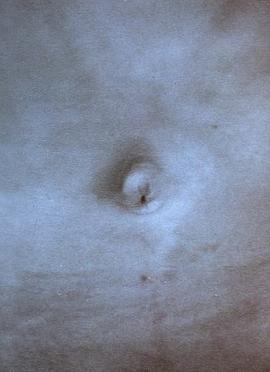
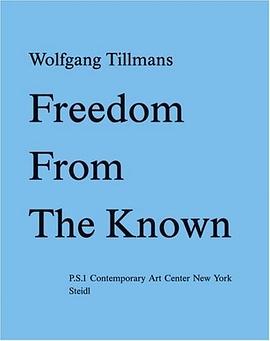
Freedom From The Known is the first book to focus entirely on Wolfgang Tillmans's abstract photographs, exploring the presence abstraction has had within his figurative and representational work. It is published on the occasion of the artist's first major solo exhibition for an American museum--curated by Bob Nickas, who contributes an essay here--which opened at P.S.1 in Long Island City, New York, in the spring of 2006. Of the 25 pieces here, 24 were produced specifically for this project and had never been seen before the exhibition. Most of are "cameraless" pictures, made by the direct manipulation of light on paper, rather than on a negative. At the exhibition, each photograph was presented in a frame, which marked a departure for the artist, who pioneered installation with tape and pins. But he was right: Frames gave these elusive, transitory, abstract images coherence as objects in space, as well as both buoyancy and weight. They were accompanied by a group of figurative photographs from the 1990s series Empire, which made the shift from figure to abstraction by being passed through a photocopy or fax machine, then scanned to the highest possible resolution, turned into large-scale C-prints and framed. A selection of earlier photographs provides a context for Tillmans's passage from figurative and representational imagery to abstraction. Taken together, these more conceptual works reveal the self-reflective impulse underpinning choices of media and topic throughout his work.
作者简介
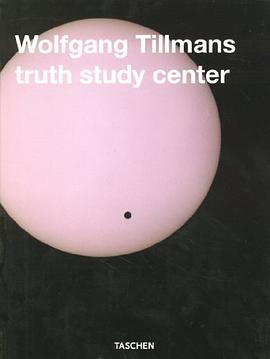
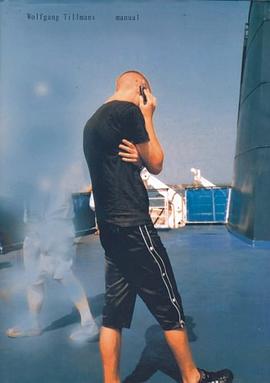
Accept no substitutes: Wolfgang Tillmans could well be the coolest photographer on the planet. Always imitated, never bettered, he's the lens-meister of the zeitgeist, the photo-journo who went artside, a man in constant demand, moving effortlessly from magazine to fashion shoot to gallery retrospective. He creates identities, he's the brand name of hip. From Ray Gun to i-D, his images feel iconic before they're out of the fluid. I'll be your mirror, he whispers, and the Gen X-kids find themselves reflected in his always open pictures.
Make your own meaning, rave about them, the artifice, the stagings, it's so close to home and snapshot-casual you could do it yourself. But you couldn't. Framing is all. Every shot is classically composed, it's just the subjects that are so Now. From the portraits that made him famous, through the still lives and landscapes (undermining the genres with every shot), this book is high colour, dirty realist heaven. Finding the still point in the information overload, the sexuality in the machine, and the image in the image saturation, Tillmans gives us the brief epiphanies we might just remember as our own.
目录信息
读后感
每一页都那么好看。以至于我不知道该形容谁。 在机场Check-in的Bianca Jagger? 穿着双色鞋的Gillian Wearing? 裤衩破了大洞的Bernhard Wilhelm? 还是头发湿漉漉的Jarvis? 抑或浑身披着亮片萌动少女Chloe? 当然,还有神情凝重Koolhaas。
每一页都那么好看。以至于我不知道该形容谁。 在机场Check-in的Bianca Jagger? 穿着双色鞋的Gillian Wearing? 裤衩破了大洞的Bernhard Wilhelm? 还是头发湿漉漉的Jarvis? 抑或浑身披着亮片萌动少女Chloe? 当然,还有神情凝重Koolhaas。
每一页都那么好看。以至于我不知道该形容谁。 在机场Check-in的Bianca Jagger? 穿着双色鞋的Gillian Wearing? 裤衩破了大洞的Bernhard Wilhelm? 还是头发湿漉漉的Jarvis? 抑或浑身披着亮片萌动少女Chloe? 当然,还有神情凝重Koolhaas。
每一页都那么好看。以至于我不知道该形容谁。 在机场Check-in的Bianca Jagger? 穿着双色鞋的Gillian Wearing? 裤衩破了大洞的Bernhard Wilhelm? 还是头发湿漉漉的Jarvis? 抑或浑身披着亮片萌动少女Chloe? 当然,还有神情凝重Koolhaas。
每一页都那么好看。以至于我不知道该形容谁。 在机场Check-in的Bianca Jagger? 穿着双色鞋的Gillian Wearing? 裤衩破了大洞的Bernhard Wilhelm? 还是头发湿漉漉的Jarvis? 抑或浑身披着亮片萌动少女Chloe? 当然,还有神情凝重Koolhaas。
用户评价
这本书的装帧设计,我必须再提一次,它与内容是浑然一体的,而不是简单的包装。内页的留白处理得极其讲究,仿佛是故意在提醒读者:停下来,呼吸。排版上没有使用那种常见的、讨好读者的居中对齐,而是采用了略微偏左的、充满动感的布局,这使得阅读过程本身变成了一种动态的体验,而非被动的接受。我注意到,在涉及到时间流逝的章节中,字体会微妙地变小,行距会收紧,形成一种视觉上的“压迫感”,完美模拟了那种时间加速流逝的主观感受。这是一种非常成熟的、将媒介特性融入到内容表达的典范。它不仅仅是用文字讲述故事,它用纸张、墨水、排版,共同构建了一个完整的、可触摸的“世界”。我甚至怀疑,作者在创作时,是不是也把印刷工艺和装订方式纳入了最终的艺术构想之中。
读罢前三分之一,我彻底被作者对日常细节的捕捉能力所折服。这哪里是一本“书”,这简直就是一本关于如何“观看”世界的操作手册,但它的操作指南却是如此的晦涩而又迷人。作者似乎拥有某种超能力,能够将那些我们习以为常、视而不见的瞬间——比如清晨咖啡机里蒸汽冒出的角度、公交车窗上凝结的水汽、或者图书馆里书脊磨损的纹理——提升到哲学思辨的高度。叙事节奏的把控极其高明,时而如山洪爆发般密集而狂乱,信息量大到让人喘不过气;时而又戛然而止,留下大片留白,让读者的大脑有足够的空间去消化刚刚被冲击过的内容。这本书没有明确的主角,或者说,每一个被提及的场景和物件,都成了主角。它探讨的议题非常宏大,却总是从极小的切口切入,这种“以小见大”的手法,非常高级。我甚至开始怀疑自己以往的生活方式,是不是错过了太多本该被铭记的美丽瞬间。
我用了整整一个周末才勉强读完第一遍,感觉像刚完成了一场高强度的脑力马拉松。合上书的那一刻,房间里的空气似乎都变得稀薄了。这本书带来的冲击是缓慢渗透的,它没有惊天动地的情节转折,但它彻底改变了我观察身边事物的“语法结构”。以前我只是“看到”一堵墙,现在我会去思考这堵墙的材料构成、它所处的历史时期、以及它对空间划分的社会学意义。它像一把精密的钥匙,打开了通往“深度感知”的大门。虽然过程略显艰涩,需要投入大量的专注力去追逐作者那跳跃性的思维链条,但最终获得的回报是巨大的——一种更加敏锐、更加复杂、也更加诚实的自我认知。对于那些寻求快餐式阅读的读者来说,这本书可能会是一种挑战,但对于真正热爱思考、渴望突破现有思维框架的人来说,它无疑是一部值得反复咀嚼的珍藏之作。
这本书的封面设计简直就是一场视觉的盛宴,那种低调却又充满力量感的排版,瞬间抓住了我的眼球。我是在一个阳光明媚的午后,在一家充满老式木头香气的独立书店里偶然发现它的。翻开扉页,那种纸张的触感,略微粗粝却又带着恰到好处的韧性,让人忍不住想多摩挲几下。内容本身,虽然我还没有深入阅读,但仅仅是浏览那些章节标题和引言片段,就能感受到一种深沉的思辨气质。它似乎并不急于提供一个明确的答案,反而更像是在搭建一个迷宫,邀请读者自愿迷失其中,去探索那些关于存在、时间和记忆的细微裂缝。我尤其欣赏作者那种近乎手术刀般精准的语言组织能力,每一个词语的选择都像是经过了千锤百炼,毫不冗余,却又蕴含着巨大的信息密度。它散发出的那种独特的“知识的汗味”,让我确信这绝不是一本可以被快速消化的流行读物,而是一部需要用时间去浸泡、去体悟的文本。我感觉它更像是一面打磨光滑的黑曜石,映照出的不是我的面容,而是我内心深处那些未曾言说的疑问。
我发现这本书最令人着迷的一点在于它的“多重维度”。它不是单一的线性的叙事,更像是一张由无数细线交织而成的蜘蛛网,你触碰任何一根线,都会引起整张网的震动。我尝试从社会学的角度去解读其中关于空间和距离的描述,发现无比契合;转而从心理学的角度审视那些关于“缺席”和“在场”的论述,又发现了全新的意义层次。这种文本的延展性和包容性,意味着每一次重读都会带来全新的体验,它拒绝被单一的标签所定义。作者的文字里有一种冰冷的、近乎科学的客观性,但这种客观性却又带着一种令人心碎的感伤。就像是冷静地记录一场火灾的燃点和蔓延速度,但记录者本身却在默默流泪。这种理性与情感的奇妙平衡,是许多当代作家难以企及的高度。我必须承认,有些段落我不得不停下来,去查阅一些相关的历史背景或艺术理论,否则,我担心我会错失作者精心埋设的那些“知识彩蛋”。