
具体描述
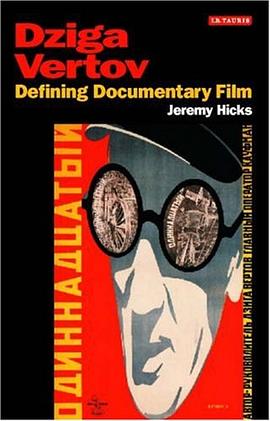
Pioneer of political documentary and inventor of cin ma v rite, "Dziga Vertov" has exerted a decisive influence on directors from Eisenstein to Godard. Yet his reputation long rested upon a lone masterpiece, "Man with a Movie Camera." Recently, however Vertov has begun to be recognised as the creator of a body of innovative and distinct films and, as Jeremy Hicks argues, documentary as we know it today is unthinkable without the rediscovery of Vertov. This, the first book in English to cover the whole of Vertov's career, reveals him to be an auteur, allowing readers to combine the familiar and less familiar aspects of his filmmaking and thinking in a cohesive narrative.
Jeremy Hicks demonstrates how Vertov draws on Soviet journalistic models for his transformation of newsreel into the new form of documentary film. Through analyses of "Cine-Pravda No 21" (Leninist Cine-Pravda), "Cine-Eye," "Forward Soviet , ""A Sixth Part of the Earth," "The Eleventh Year," "Man with a Movie Camera," "Enthusiasm, Three Songs of Lenin," and "Lullaby," he shows how Vertov's greatest works combine authentic documentary footage ingeniously for tremendous rhetorical effect.
Today, with the energetic revival of interest in documentary film, Vertov's reflexive and overtly partisan films are of great relevance; but they need to be better known and understood. This is the purpose of "Dziga Vertov - Defining Documentary Film."
作者简介
目录信息
读后感
用户评价
这本书最令人惊叹的地方,在于其强大的预见性。尽管它的核心理论根植于特定的历史时期,但它对电影作为一种社会工具和认知媒介的深入探讨,在今天的数字媒体环境中依然振聋发聩。它不是一本纯粹的历史文献,而更像是一份关于“视觉认知操作手册”的早期草稿。作者对“运动的诗意”的描述,那种将日常的行走、奔跑、劳动瞬间提升到哲学高度的手法,让我对那些看似平淡无奇的纪录片产生了全新的敬畏。它提醒我们,镜头捕捉到的每一个瞬间都不是孤立的,它们之间的关系,才是真正定义意义的场所。我尤其喜欢其中关于“非表演性”演员的论述,那种强调素人面孔和真实身体语言的力量,对比今天充斥着过度修饰的表演,显得如此的珍贵和具有批判性。这本书提供了一个后现代解构主义的基石,只是它用的是胶片和光线,而不是文字。
这本书的价值,在于它敢于彻底否定掉那些让电影变得“容易理解”的拐杖,要求观众主动地参与到意义的构建中来。它的理论体系,仿佛是一套精密的机械图纸,详细绘制了如何通过视听元素的精确并置,来绕过传统的大脑皮层,直接冲击潜意识。我发现,它对时间切片的精细化处理,甚至可以与现代派音乐的结构有着异曲同工之妙——都是在有限的框架内,通过重复、变奏和突然的停止,来最大化张力的释放。这种处理方式,让我对那些看似杂乱无章的实验短片有了一种全新的欣赏角度,不再将其视为“搞怪”或“晦涩难懂”,而是理解为一种高度提炼的、拒绝被驯化的艺术表达。这本书的阅读体验,更像是一次对自身审美偏见的严酷“清洗”,读完之后,你会发现很多以前觉得理所当然的“电影规则”都变得站不住脚了。
这部电影理论的精粹,简直像一剂强心针,直接注入到那些沉溺于传统叙事桎梏的影迷脑海里。我原本以为自己对蒙太奇的理解已经够深入了,读了它之后才发现,之前的认知简直是管中窥豹。作者的笔触冷峻而精准,没有丝毫多余的煽情或晦涩的术语堆砌,直抵电影本质的肌理。特别是对“意象组合”那几章的论述,读起来仿佛能听到剪辑室里胶片飞速转动的声音,每一个画面、每一个停顿、每一次跳切,都被赋予了近乎数学般的严密逻辑和爆炸性的情感张力。它强迫你跳出故事的舒适区,去直面光影本身的力量,去感受被切割、重组后的新时间与新空间是如何在观众的意识中完成一场精神的炼金术。读完后,我再看任何一部所谓的“先锋”作品,都忍不住在心里默默地进行解构分析,寻找那种纯粹的、不被情节拐杖支撑的视觉冲击力。那种感觉,就像是突然学会了用一种全新的语言去观察整个世界,每一个日常的场景都可能成为下一组震撼人心的画面素材。
坦率地说,初读这本书时,我差点被那种近乎偏执的唯物主义和对“生活本身”的狂热追求给劝退。它没有试图为你编织一个美丽的光影梦境,反而像一个冷酷的解剖师,将电影这门艺术拆得支离破碎,只留下最原始的材料——时间、运动和真实事件的记录。行文风格极其硬朗,充满了那个时代知识分子特有的、不容置疑的革命热情。它似乎在挑战每一个创作者的良心:你拍的到底是真的生活,还是仅仅是为生活披上了一层华丽的叙事外衣?这种挑战是极具穿透力的,它迫使你反思自己作为观众,是否已经被习惯性地驯化,习惯了被动地接受“被安排好的”情感流程。这本书不是让你舒服地享受电影,而是让你带着一身的汗水和泥泞,去重新审视胶片背后的那片土地和那些匆忙走过的人们。阅读过程是一种思想上的“负重前行”,但抵达的彼岸,却是无比开阔的。
我感觉自己像是在进行一次对电影本体论的“考古发掘”。这本书的语言结构和段落安排,有一种独特的、近乎于宣言式的节奏感。它不是那种平铺直叙的教学读物,而是充满了断裂和强调,仿佛作者每写完一个观点,都要用力地在桌子上敲一下以示肯定。这种略显激进的表达方式,反而建立了一种不可抗拒的权威感。它成功地剥离了电影与戏剧、小说之间的虚假联系,坚持认为电影的生命力在于其自身的、独特的时间和空间组织能力。我特别欣赏它对“眼睛对镜头的凝视”这一现象的分析,它探讨了观众在观看过程中那种复杂的权力关系——谁在看,被谁看,以及这种观看如何被组织和控制。读完之后,我再去看那些有着明确叙事目的的影片时,总会忍不住去寻找那些“非叙事”的、纯粹的视觉片段,试图从中还原出作者所追求的“纯粹的电影流”。
An introduction of Vertov's oeuvre, in this sense kind of important; film analysis is quite readable, paying significant attention to the interplay between image and sound which is crucial in Vertov's cinematic concept; put Vertov's works in a larger historical and socio-political context; however, superficial and reductive, not much insight in it.
An introduction of Vertov's oeuvre, in this sense kind of important; film analysis is quite readable, paying significant attention to the interplay between image and sound which is crucial in Vertov's cinematic concept; put Vertov's works in a larger historical and socio-political context; however, superficial and reductive, not much insight in it.
An introduction of Vertov's oeuvre, in this sense kind of important; film analysis is quite readable, paying significant attention to the interplay between image and sound which is crucial in Vertov's cinematic concept; put Vertov's works in a larger historical and socio-political context; however, superficial and reductive, not much insight in it.
An introduction of Vertov's oeuvre, in this sense kind of important; film analysis is quite readable, paying significant attention to the interplay between image and sound which is crucial in Vertov's cinematic concept; put Vertov's works in a larger historical and socio-political context; however, superficial and reductive, not much insight in it.
An introduction of Vertov's oeuvre, in this sense kind of important; film analysis is quite readable, paying significant attention to the interplay between image and sound which is crucial in Vertov's cinematic concept; put Vertov's works in a larger historical and socio-political context; however, superficial and reductive, not much insight in it.