
具体描述
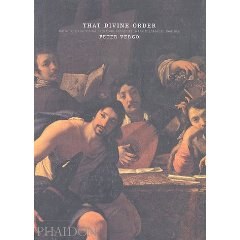
Ever since antiquity, philosophers have pointed to the supposed 'divine' character of music, and following Pythagoras's discovery of the mathematical basis of the musical scale, have posited a link between the mathematical order of music, the physical order of the universe and the moral order of human society. Both practising artists and moralists came to believe that, by demonstrating an analogy with music, they could claim a dignity and value for their art - whether painting, architecture or sculpture - that it might otherwise lack. Why was this so? What was the point of such analogies? What advantages was music believed to enjoy, by comparison with the visual arts? Artists and critics frequently cited music as a manifestation of God-given order to which visual arts should aspire. But on what evidence was this belief in the inherently systematic character of music based; and in practical terms, how might visual art seek to emulate any such divine order or system? In what way might Gothic cathedrals have been based on systems of harmonic proportion? How did Poussin's search for a compositional principle derived from antique 'modes' in music resemble, or differ from, Palladio's attempts to embody musical 'harmonies' in architecture? And how did each artist conceive of the sense and value of such analogies? Systematic answers to such questions have hitherto been lacking, and, for the first time, Professor Vergo makes direct and detailed comparisons between musical and pictorial practices in the long period covered by the book. He also provides a broad analysis of changes in the character of the analogies drawn at different times, using in his analyses critical and philosophical sources as well as evidence about artistic and musical practice. That Divine Order will be of interest to art historians and musicologists, to practising artists and musicians, to students of cultural history and those concerned with aesthetic theory and interdisciplinary studies.
作者简介
目录信息
读后感
用户评价
语言的运用在这本书里达到了近乎诗意的境界,但又不失其故事的流畅性。作者的遣词造句,带着一种独特的、略显古朴却又极富画面感的质地。你能在他的笔下看到色彩的流动、声音的交织,甚至能嗅到场景中特有的气味。这种强烈的感官体验,让阅读过程不再是单纯的文字解码,而更像是一场沉浸式的多媒体体验。特别是那些描写宏大场景或内心独白的段落,句式长短错落有致,音韵和谐,读起来有一种天然的节奏感。它不像某些当代小说追求的极简和锋利,而是选择了一种更具层次感和回味的表达方式。它教会了我,优秀的文字是可以直接触动灵魂深处的宁静与震撼的。
我必须赞叹作者对于“留白”的艺术处理。那些没有被直接写明、需要读者自行想象和填补的空白地带,才是这本书真正能流传的价值所在。它没有试图把所有答案都塞进读者的嘴里,而是巧妙地留下了足够多的想象空间,让每个人都能在自己的经验和理解之上,构建出属于自己的“That Divine Order”。这种留白,赋予了作品持久的生命力,每一次重读,或许都能带来新的感悟和解读。它拒绝了简单粗暴的结论,拥抱了世界的复杂性和多义性。这是一种对读者智识的尊重,也是对深刻主题的恰当处理——有些事情,最好的表达方式,就是不把话说满。
这本书的叙事节奏掌控得简直是大师级的。从头到尾,作者就像一位经验老道的指挥家,精准地拿捏着情节推进的速度和情感张力的释放。你不会感到任何拖沓,每一个场景的转换都恰到好处地将你从一个悬念带入另一个更深的迷局。尤其是当故事进入中段,那些看似不经意埋下的伏笔,如同抽丝剥茧般被一一揭开,那种“原来如此”的震撼感是少有作品能给予的。它没有那种为了追求篇幅而刻意拉长的注水情节,相反,每一次转折都服务于主题的深化。阅读过程如同跟随一条蜿蜒曲折的河流漂流,时而平静地欣赏两岸风光,时而又被湍急的暗流卷入惊涛骇浪之中。这种对阅读体验的细腻设计,让这本书读起来酣畅淋漓,根本停不下来。我甚至在某些需要停下来思考的段落,也会忍不住一口气读下去,生怕错过下一秒的精彩。
作者对人物心理刻画的深度,是我近些年来读到过的最令人印象深刻的。那些角色,绝非扁平的工具人,他们拥有极其复杂的内心世界和难以言喻的矛盾情感。你仿佛能真正走进他们的头脑,理解他们做出那些看似荒谬或痛苦决定的深层动机。最妙的是,作者没有急于评判任何一个角色,而是将选择权完全交给了读者。我们跟着他们一同经历挣扎、妥协与救赎,直至最终理解,在某些特定的境遇下,他们别无选择。这种抽丝剥茧的心理剖析,使得故事的现实感和穿透力极强。读完之后,我甚至会时不时地回想起某个角色的某个眼神或一句低语,它们所蕴含的重量,远远超出了文字本身所承载的意义。这才是真正有生命力的文学作品的标志。
这本书的结构布局,可以说是一次对传统叙事模式的优雅挑战。它看似松散,实则紧密,通过不同时间线和视角之间的巧妙穿插,构建了一个宏大而精密的网状结构。起初,你可能会感觉信息量过大,甚至有些迷茫,但随着阅读的深入,你会惊喜地发现,每一个看似不相关的片段,最终都会汇集成一条清晰的河流,指向一个既出乎意料又合乎情理的终点。这种碎片化的信息重组过程,极大地锻炼了读者的主动思考能力,我们不再是被动接受故事,而是积极参与到意义的建构中去。这种叙事上的胆识和技巧,值得所有热爱文学结构实验的读者细细品味。