
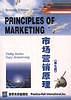

具體描述
內容提要
本書作為市場營銷學入門的基本教材在美國和中國都被廣泛使用。柯特勒教授本
人在美國營銷學界享有盛譽,尤以齣版營銷學教科書蓄稱,他的另一本教秘書《營銷
管理-分析、計劃、執行與控製(MarketioManagement:Analysis,Pl'anning,Implementationand
Control》主要用在研究生教學,亦已齣到第九版,在美國和中國均被廣泛使用。
中國自80年代初引進市場營銷學後,實際一直以柯特勒教授的上述兩本教科書作
為藍本。柯特勒教授本人亦多次應邀訪問中國,與中國營銷學術界有一定的來往。
由於上述原因,相信本書的英文影印版肯定將受到歡迎,尤其適閤在MBA教學中
作為教材使用,進一步也可在管理學本科生中作為專業教材或專業英語教材使用。
該書共分六部分二十二章,主要內容包括營銷原理與過程、營銷機會分析、選擇
目標市場、營銷組閤、營銷管理、營銷的擴展。直接使用影印本比譯本效果更直觀,
且該書語言也較通俗易懂,並附有大量案例和圖片。
作者簡介
目錄資訊
PART 1: UNDERSTANDING MARKETING AND
1.THE MARKETING PROCESS
Marketing in a Changing World: Creating
Customer Value and Sarisfaction
What Is Marketing?
Needs, Wants, and Demands Products
Vatue, Satisfaction, and Qualty Exchange,
Transactions. and Relationships
Markets Marketing
Marketing Management
Demand Managefnent
Customer Relationships
Building Profitable
Marketing Management Philosuphies
The Production Concept The Product
Concepl The Selling Concept The
M.arketing Concept The Societal Marketing
Concept
Markering Challenges into the Next Century
Growth of Nonprofit Marketing Rapid
Globalization The Changing World
Economy The Call fm More Ethics and
Social Respottsibiltty The New Marketing
Landscape
Summary Key Terms Discussing the
Issues Applying the Concepts
Referenccs
2.Strategic Planning and the Marketing
Process
Strategic Planning
Defining the Compury Mission . Setting
Company Objectises and Goals
Designing the Business Portfolio
Analyzing the Current Business Portfolio
Deteloping Growth Strategies Plannmg
Panctional Strategas
The Marketing Procsess
Target Consumers Marketing Strcatefgies for
Competitive Advantage Developing the
Marketing Mix
Managing the Marjketing Effbrt
Markettng Analysis , Marketing Planning
Marketing Implementation Marketing
Department Organization Marketing
Control The Marketing Environment
SuJmmary Key Terms Discussing thc
Issues Applying the Concepts
References
3.The Marketing Environmcnt
The Company's Microenvironment
The Company Suppliers Marketing
Intermediaries Customers
Competitors Publics
The Company's Macroenvironmenr
Demographic Environment Economic
Environment Natural Environment
Techogical Environment Political
Environment Cultural Environment
Responding to the Marketing Environmcnt
Summary Kcy Terms Discnssing rhe
Issues Applying the Concepts
Rcferences
PART 11: ANALYZING MARKETiNG
OPPORTUNITIES
4.Marketing Rcsearch and Information Systcms
Thc Markcting Information System
Assessing Informantion Detloping
Information Distributiong information
The Marketing Research Process
Defining the Problem and Research
Objectives Dweloping thr Research
Plan Implementing the Research
Plan Interpreting and Reporting the
pindings Other Marketing Resemch
Considerations
Sammary Key Terms Discussine the
Issues Applying the Concepts
References
5.Consumcr Markets and Consumer Buycr
Behavior
Modcl of Consumer Behavior
Characteristics Affecting Consumer
Behavior
Cultwal Pactors Sodal Factors
Personal Factors Psychological
Pacwrs
Consumer Buying Roles
Types of Buying Decision Bchavior
Compiex Buying Behavior Dissssonance-
Reducing Buying Behavior Habitual
Buying Behavior Variety-Seeking Buying
Behavior
The Buyer Decision Process
Heed Recognition Information
Search Evatuation of Altematives
Purchase Dension Postpurchase
Behavior
The Buyer Decision Process for New
Products
Stages m the Adoption Process Individual
Dtfferences in Innovativeness Infiuence
of Producf Characteristics on Rate of
Adoption
Consumer Behavior Across International
Borders
Summary Key Terms Discussing the
Issues Appiying the Conccpts
References
Business Markets and
Behsvior
Business Markets
Characteristics of
6.A Model of Business Business Buyer Behavior
Major Types of buying
Participants in the bus
Major influences on busiess
Business Buying Process
Istitutional and Government
fnstttutional Markets
Marhets
Summary Key Terms Discussing the
Issues Applying the Concepts
References
VIDEO CASE 3:DHL WORLDWIDE
EXPRESS
PART III:Measuring and Forecasring Demand
Defining the Market
7.Measuring Current Market-Demand
Estimating Total Market Demand
Estimating Area Market Demand Market-
Buildup Method Market Factor Index
Method Estimating Actual Sales and
Market Shares
Forecasting Future Demand
Survey of Buyers'Intentions Composite
of Saksforce Opinions Expert
Opinion Test Marketing Ttfne-
Series Analysis Leading tndicators
Statistical Demand Analysis
Summary Key Terms Discussing the
Issues Applying the Concepts
References
8.Market Segmentation, Targering,and Positioning For CompetitiveAdvantage
Markess
Market Segmentation
Bases for Segmenting Consumer Markets
Segmenting Business Markets Segmenting
Intemational Markets Requirements for
Effective Segmentation
Market Targeting
Evaluating Market Segments Selecting
Market Segments
Positioning for Competitive Advantage
What Is Market Positioning? Positioning
Strategies Choosing and Implementing a
Positioning Strategy
Summary Key Terms Discussing the
Issues Applying the Concepts
References
COMPANY CASE 8A: QUAKER OATS: DOUSING
ON THE COMPETJTION
COMPANY CASE 8B: RYKA: BE STRONG
COMPREHENSrVE CASE lll: LOOK OUT!
LIPTON, HERE COMES OOLONG!
PART IV: DEVELOPING THE MARKETING MIX
9.Designing Products: Products, Brands,
Packaging, and Services
What Is a Product?
Product Classifications
Consumer Products Industrial
Products
Individual Product Decisions
Product Attributes Branding
Packaging Labeling Product-
Support Semices
Product Line Decisions
Product Line Length Product Line
Modemization Product Line Featuring
Product Mix Decisions
International Product Decisions
Summary Key Terms Discussing the
Issues Applying the Concepts
References
COMPANY CASE 9: COLGATE: SQUEEZING
MORE FROM A BRAND NAME
Designing Products: New-Product
10.Development and Product Life-Cycle
Strategies
New-Product Development Strategy
New-Product Success and Failure The
New-Product Dilemma
The New-Product Development Process
Idea Generation Idea Screening
Concept Development and Testing
Marketing Strategy Development Business
Analysis Product Development Test
Marketing Commercialization
Speeding Up New-Product Development
Product Life-Cycle Strategies
Introduction Stage Growth Stage
Maturity Stage Decline Stage
Summary Key Terms Discussing the
Issues Applying the Concepts
References
COMPANY CASE 10: POLAROID: TAKING
VISION TO THE MARKETPLACE
11.Pricing Products: Pricing Considerations
and Approaches
Factors to Consider When Setting Prices
Internal Factors Affecting Pricing Decisions
Extemal Factors Affecting Pricing
Decisions
General Pricin
Cost-Based
Pricing
Approaches
Pricing Value-Based
Competition-Based Pricing
Summary Key Terms Discussing the
Issues Applying the Concepts
References
COMPANY CASE 11: U.S. AIR: SURVJVING THE
FARE WARS
12.Pricing Products: Pricing Strategies
New-Product Pricing Strategies
Market-Skimming Pricing Market-
Penetration Pricing
Product-Mix Pricing Strategies
Product Line Pricing Optional-Product
Pricing Captive-Product Pricmg
By-Product Pricing Product-Bundle
Pricing
Price-Adjustment Strategies
Discount and Allowance Pricing
Segmented Pricing Psychological
Pricing Promotional Pricing Value
Pricing Geographical Pricing
International Pricing
Price Changes
Initiating Price Changes
Price Changes
Responding to
Summary Key Terms Discussing the
Issues Applying the Concepts
References
COMPANY CASE 12: CIRCUIT CITY: SELLING
USED CARS LIKE STEREOS
13.Placing Products: Distriburion Channels and Logistics Management
The Nature of Distribution Channels
Why Are Marketing Intermediaries Used?
Distribution Channel Functions Nymber
of Channel Levels Channels m the Service
Sector
Channel Behavior and Organization
Channel Behavior Vertical Marketing
Systems Horizontal Marketmg
Systems Hybrid Marketing Systems
Channel Design Decisions
Analyzing Consumer Service Needs
Setting the Channel Objectives and
Constraints Identifying Major
Altematives Evaluating the Major
Alternatives Designing International
Distribution Channels
Channel Management Decisions
Selecting Channel Members Motivating
Channel Members Evaluating Channel
Members
Physical Distribution and Logistics
Management
Nature and Importance of Physical Distribution
and Marketing Logistics Goals of the
Logistics System Major Logistics
Functions Integrated Logistics
Management
Key Terms Discussing the
Applying the Concepts
Summary
Ideas
References
COMPANY CASE 13: ICON ACOUSTICS:
BYPASSING TRADITION
14.Placing Products: Retailing and Wholesaling
Retailing
Store Retailing
Amount of Service Product Line
Relative Prices Control of Outlets
Type of Store Cluster
Nonstore Retailing
Direct Marketing Direct Selling
Automatic Vending
Retailer Marketing Decisions
Target Market and Positioning Decision
Product Assortment and Services Decision
Price Decision Promotion Decision
Place Decision
The Future of Retailing
Wholesaling
Types of Wholesalers
Merchant Wholesalers Brokers and
Agents Manufacturers' Sales Branches and
Offtces
Wholesaler Marketing Decisions
Target Market and Positioning Decision
Marketing Mix Decisions
Trends in Wholesaling
Summary Key Terms Discussing the
Issues Applying the Concepts
References
COMPANY CASE 14: SAM'S CLUB: BULKING L'P
FOR COMPETITION
15.Promoting Products: Marketing
Communication Strategy
Steps in Developing Effective
Communication
Identifying the Target Audience
Determining the Response Sought
Choosing a Message Choosing Media
Selecting the Message Source Collecting
Feedback
Setting the Total Promotion Budget and
Mix
Setting the Total Promotion Budget
Setting the Promotion Mix
The Changing Face of Marketing
Communications
The Changing Communications
Environment Growth of Direct
Marketing Integrated Marketing
Communications
Socially Responsible Marketing
Communication
Advertising Personal Selling Direct
Marketing
Summary Key Terms Discussing the
Issues Applying the Concepts
References
COMPANY CASE 15: AVON: A PROMOTIONAL
STRATEGY MAKEOVER
16.Promoring Products: Adverrising, Sales
Promotion, and Public Relations
Advertising
Major Decisions in Advertising
Setting Obfectives Setting the Advertising
Budget Advertising Strategy
Advertising Evaluation International
Advertising Decisions
Sales Promotion
Rapid Growth of Sales Promotion
Purpose of Sales Promotion Setting Sales-
Promotion Objectives Selecting
Sales-Promotion Tools Developing the
Sales-Promotion Program
Public Relations
Major Public Relations Tools Major
Public Relations Decisions
Summary Key Terms Discussing the
Issues Applying the Concepts
References
COMPANY CASE 16: BURGER KING:
SEARCHING FOR THE RIGHT MESSAGE
17.Promoting Products: Personal Selling and Sales Management
The Role of Personal Selling
The Nature of Personal Selling The Role
of the Sales Force
Managing the Sales Force
Designing Sales Force Strategy and
Structure Recruiting and Selecting
Salespeople Training Salespeople
Compensating Salespeople Supervising
Salespeople Evaluating Salespeople
Principles of Personal Selling
The Personal Selling Process Steps in the
Selling Process Relationship
Marketing
Summary Key Terms Discussing the
Issues Applying the Concepts
References
COMPANY CASE 17: IBM: RESTRUCTURING
THE SALES FORCE
VIDEO CASE 4: ROLLERBLADE: THE ASPHALT
IS CALLING
VIDEO CASE 5: TERRA CHIPS: EAT YOUR
VEGGIES!
VIDEO CASE 6: MOUNTAIN TRAVEL SOBEK:
ALL OVER THE WORLD
VIDEO CASE 7: MALL OF AMERICA: THE
ULTIMATE DESTINATJON FOR FUN
COMPREHENSFVE CASE IV: SMITH'S HOME
FOODS: BRlNGING HOME THE BACON
PART V: MANAGING THE MARKETING EFFORT
18.Building Customer Relationships through Satisfaction, Value, and Quality
Defining Customer Value and Satisfaction
Customer Value Customer
Satisfaction
Delivering Customer Value and Satisfaction
Value Chain Value Delivery System
Retaining Customers
The Cost of Lost Customers The Need
foT Customer Retention The Key:
Customer Relationship Marketing The
Ultimate Test: Customer Profitabiltty
Implementing Total Quality Marketing
Total Quality Management Marketing's
Role in Total Quality
Summary Key Terms Discussing the
Issues Applying the Concepts
References
COMPANY CASE 18: OUTBACK STEAKHOUSE:
BREAKING THE RULES
19.Crearing Competitive Advantage: Competitor Analysis and CompetiriveMarketing Strategies
Competitor Analysis
Identifying the Company's Competitors
Determining Competitors' Objectives
Identifying Competitors' Strategies
Assessing Competitors' Strengths and
Weaknesses Estimating Competitors'
Reactions Selecting Competitors to Attack
and Avoid Designing a Competitive
Intelligence System
Competitive Strategies
Basic Competitive Strategies Competitive
Positions Market-Leader Strategies
Market-Challenger Strategies Market-
Follower Strategies Market-Nicher
Strategies
Balancing Customer and Competitor
Orientations
Key Terms Discussing the
Applying the Concepts
Summary
Issues
References
COMPANY CASE 19: PROCTER GAMBLE
GOING GLOBAL-A NEW WRINKLE IN.
COSMETICS
VIDEO CASE 8: RITZ-CARLTON: SIMPLY THE
BEST
COMPREHENSIVE CASE V: NEW BALANCE:
RUNNING IN THE BUSINESS MARATHON
Economic
PART Vl: EXTENDING MARKETING
20.The Global Marketplace Global Marketing into the Twenty-first Century
Looking at the Global Marketing
Environment
The International Trade System
Environment Political-Legal
Environment Cultural Environment
Deciding Whether to Go International
Deciding Which Markets to Enter
Deciding How to Enter the Market
Exporting Joint Venturing Direct
Investment
Deciding on the Global Marketing Program
Product Promotion Price
Distribution Channels
Deciding on the Global Marketing
Organization
Summary Key Terms Discussing the
Issues Applying the Concepts
References
COMPANY CASE 20: HARDEE'S: MARKETING IN
SOUTH KOREA
21.Marketing Serviees, Organizations, Persons,Places, and Ideas
Services Marketing
Nature and Characteristics of a Service
Marketing Strategies for Service Firms
International Services Marketing
Organization Marketing
Image Assessment
Control
Person Marketing
Place Marketing
Idea Marketing
Image Planning and
Summary Key Terms Discussing the
Issues Applying the Concepts
References
COMPANY CASE 21: CITY YEAR: RUNNINC A
NONPROFIT I.IKE A RUSINESS
22.Marketing and Society: Social Responsibility and Markering Ethics
Social Criticisms of Marketing
Marketing's Impact on Indivtdual
Consumers Marketing's Impact on Society
as a Whole Marketing's Impact on Other
Businesses
Citizen and Public Actions to Regulate
Marketing
Consumerism Envirohmentalism
Public Actions to Regulate Mdrketing
Business Actions toward Socially Responsible
Marketing
Enlightened Marketing Marketing
Ethics
Principles for Public Policy toward
Marketing
Summary Key Terms Discussing the
Issues Applying the Concepts
References
COMPANY CASE 12: WSTLE: UNDER fIRE
ACAJN
VIDEO CASE 9: MTV- THINK CLOBALLY, ACT
LOCALLY
COWREHFNSIVE CASE: VI: IORD: EXPORTINC,
TO JAPAN
Appendix 1: Marketing Arithmetic Al
Appendix 2: Careers in Marketing A7
Glossary Gl
Subject Index 11
Company/Brand/Name Index
· · · · · · (收起)
讀後感
用戶評價
這本書的內容之詳實,讓我不得不驚嘆。它不僅僅是理論的堆砌,更充滿瞭實踐指導意義。在“消費者行為”部分,我真正理解瞭消費者在購買決策過程中所經曆的復雜心理活動。從需求的産生,信息的搜集,方案的評估,到最終的購買決策和購後行為,每一個環節都充滿瞭值得研究的課題。書中對“文化、亞文化、社會階層”對消費者行為的影響分析,讓我看到瞭不同社會背景下的消費者,其價值觀、生活方式以及消費偏好會有怎樣的差異。例如,書中關於不同國傢消費者在“禮品文化”上的差異,以及這如何影響到特定産品的包裝設計和營銷策略,就給我留下瞭深刻的印象。在“決策過程”方麵,書中對“認知失調”的討論,讓我理解瞭為什麼消費者在購買之後,會尋找信息來證明自己購買的閤理性,以及企業如何利用這一心理來鞏固客戶關係。此外,書中對“參照群體”的分析也讓我受益匪淺,瞭解瞭朋友、傢人、同事甚至偶像對個人消費選擇的影響力。書中還詳細介紹瞭“動機理論”,如馬斯洛的需求層次理論,並將其應用到對消費者需求的挖掘和滿足上。我特彆喜歡書中關於“感知”的章節,理解瞭消費者如何選擇、組織和解釋信息,以及企業如何通過巧妙的營銷信息設計來影響消費者的感知。
评分這本書在“現代營銷趨勢”方麵的探討,讓我對未來市場營銷的方嚮有瞭更清晰的認識。作者並沒有停留在傳統的營銷理論,而是積極擁抱變化,前瞻性地分析瞭數字營銷、社交媒體營銷、內容營銷以及體驗式營銷等新興領域。我非常喜歡書中對“體驗經濟”的論述,理解瞭在産品同質化日益嚴重的今天,為消費者創造獨特的、難忘的體驗,已成為提升品牌競爭力的關鍵。書中列舉瞭許多成功的體驗式營銷案例,如主題公園、沉浸式戲劇、品牌快閃店等,這些案例讓我看到瞭營銷的無限可能性。在“數字營銷”方麵,書中對搜索引擎優化(SEO)、搜索引擎營銷(SEM)、社交媒體營銷、內容營銷、電子郵件營銷和移動營銷等進行瞭詳細的闡述。我特彆關注瞭書中關於“數據分析”在數字營銷中的作用,理解瞭如何通過用戶行為數據來優化營銷策略,實現精準營銷。書中還探討瞭“個性化營銷”和“客戶關係管理”(CRM),讓我看到瞭如何利用技術手段與消費者建立更深層次的連接。此外,書中對“病毒式營銷”和“口碑營銷”的分析也讓我對如何利用社交網絡和消費者傳播來擴大品牌影響力有瞭新的認識。
评分《市場營銷原理(第七版)》在“産品策略”部分,為我描繪瞭一幅完整的“産品生命周期”圖景,並且提供瞭貫穿各個階段的營銷策略建議。我尤其對書中關於“産品創新”和“新産品開發”的討論印象深刻。作者詳細闡述瞭從産品創意産生、概念開發、市場測試到商業化推廣的每一個環節,並強調瞭跨部門協作在這一過程中的重要性。書中列舉瞭許多成功的創新産品案例,以及它們是如何通過精準的市場洞察和有效的營銷推廣,最終贏得消費者的青睞。我非常欣賞書中關於“品牌管理”的章節,理解瞭品牌不僅僅是名稱和標誌,更是消費者對産品或服務感知和情感的總和。書中對“品牌資産”的構建進行瞭深入的探討,包括品牌知名度、品牌聯想、品牌忠誠度和感知質量等要素,以及企業如何通過持續的營銷投入來提升這些資産。此外,書中還涉及瞭“包裝設計”、“産品綫延伸”和“品牌延伸”等策略,為企業在産品層麵實現持續增長提供瞭多種路徑。我對書中關於“服務營銷”的章節也給予瞭高度評價,理解瞭在服務業日益重要的今天,如何通過提升服務質量、客戶體驗以及服務人員的管理來贏得市場。
评分《市場營銷原理(第七版)》對於“市場營銷管理”的論述,為我提供瞭一個全局性的視角。作者將市場營銷視為一個持續的、動態的過程,而不僅僅是孤立的活動。書中對“戰略規劃”的強調,讓我認識到市場營銷必須與企業的整體戰略相匹配,纔能發揮最大的作用。我特彆關注瞭書中關於“SWOT分析”的應用,理解瞭如何通過分析企業的優勢(Strengths)、劣勢(Weaknesses)、機會(Opportunities)和威脅(Threats),來製定更有效的營銷策略。書中對“營銷計劃”的撰寫提供瞭清晰的框架,包括市場分析、目標設定、策略製定、行動計劃和控製措施,讓我看到瞭一個完善的營銷計劃是如何誕生的。在“市場調研”部分,我學到瞭如何通過科學的方法收集和分析市場數據,以更好地理解市場趨勢和消費者需求。書中對“抽樣方法”、“問捲設計”和“數據分析”的介紹,都提供瞭實用的操作指南。我尤其對書中關於“營銷控製”的章節印象深刻,理解瞭為何需要對營銷活動的效果進行持續的監控和評估,並根據反饋進行調整。書中還探討瞭“營銷倫理”和“可持續營銷”,讓我看到瞭營銷的社會責任感。它不僅要追求經濟效益,更要關注對社會和環境的影響,這讓我對營銷有瞭更深刻的理解。
评分一直對營銷這個領域充滿好奇,從一些零散的視頻和文章中瞭解過一些皮毛,但總感覺缺乏係統性的知識體係。《市場營銷原理(第七版)》這本書,就像一位循循善誘的老師,為我打開瞭認識市場營銷的全新大門。書的開篇就以生動有趣的案例引齣瞭市場營銷的核心概念——滿足客戶需求。我尤其喜歡作者在講解“市場細分”時,並非簡單羅列幾種細分變量,而是深入剖析瞭不同細分維度背後的邏輯,以及如何根據企業資源和目標市場進行選擇。例如,在介紹地理細分時,書中結閤瞭不同國傢和地區消費者在氣候、文化、經濟發展水平上的差異,詳細闡述瞭這些因素如何影響産品設計、定價策略和分銷渠道的建立。這種“知其然,更知其所以然”的講解方式,讓我對每一個概念都有瞭更深刻的理解,不再是死記硬背,而是能夠靈活運用。此外,書中對“目標市場選擇”的論述也十分精彩,從無差異營銷、差異化營銷到集中化營銷,每種策略都配以詳實的案例分析,讓我看到瞭不同策略在不同情境下的優勢與劣勢。我特彆被書中關於“差異化營銷”的案例所吸引,一個品牌如何通過獨特的産品特性、卓越的客戶服務和鮮明的品牌形象,在競爭激烈的市場中脫穎而齣,這其中的智慧和洞察力令人贊嘆。總而言之,這本書以其係統性的結構、豐富詳實的案例和深入淺齣的講解,為我構建瞭一個完整的市場營銷知識框架,讓我受益匪淺。
评分這本書的精髓在於其對“營銷組閤”(4Ps)的深入解析,遠超齣瞭我以往的認知。在“産品”部分,我學到瞭産品生命周期的概念,以及如何根據産品所處的不同階段製定相應的營銷策略。書中對“新産品開發”流程的詳細介紹,從創意産生、概念開發到商業分析,再到産品測試和商業化,每一步都提供瞭詳盡的指導,讓我看到瞭一個成功新産品背後所付齣的努力和智慧。尤其令我印象深刻的是,作者在分析“品牌”時,不僅僅關注品牌名稱和標誌,更強調瞭品牌作為一種承諾,是企業與消費者之間建立信任的紐帶。書中對“品牌資産”的構建進行瞭深入的探討,包括品牌認知度、品牌聯想、品牌忠誠度和感知質量等要素,以及如何通過有效的營銷活動來提升這些資産。在“價格”方麵,本書不僅介紹瞭成本導嚮定價、競爭導嚮定價和價值導嚮定價等基礎方法,更進一步探討瞭動態定價、心理定價以及如何在不同市場環境下進行價格調整。我特彆關注瞭書中關於“價格歧視”的討論,理解瞭不同客戶群體對價格敏感度的差異,以及企業如何巧妙地利用這些差異來最大化利潤。在“渠道”部分,作者對“分銷渠道”的設計和管理進行瞭係統性的闡述,包括直銷渠道、間接渠道以及多渠道營銷等模式,並分析瞭渠道成員的閤作與衝突管理。書中對“零售商”和“批發商”在整個分銷體係中的角色和作用進行瞭細緻的描繪,讓我看到瞭産品如何從生産端最終到達消費者手中。
评分《市場營銷原理(第七版)》的語言風格非常吸引人,作者善於用通俗易懂的語言解釋復雜的概念,並通過大量的生動案例來佐證理論。我尤其欣賞書中那種“由淺入深”的講解方式,每一章都建立在前一章的基礎上,循序漸進,讓讀者能夠逐步建立起完整的知識體係。例如,在講解“品牌定位”時,作者首先闡述瞭“細分”和“目標市場選擇”的重要性,然後在此基礎上引入瞭“定位”的概念,並詳細解釋瞭如何為産品在目標消費者心中建立獨特的、有價值的認知。書中對“競爭分析”的探討也十分深入,作者不僅分析瞭直接競爭者,還引導讀者思考潛在競爭者和替代品的威脅。在“定價策略”部分,書中關於“價值定價”的論述讓我印象深刻,它強調瞭價格不僅僅是成本的簡單加成,更是企業為消費者提供的價值的體現。書中通過對不同行業案例的分析,展示瞭企業如何識彆和量化其産品或服務的獨特價值,並將其轉化為有競爭力的價格。此外,書中對於“營銷渠道的衝突管理”也進行瞭細緻的探討,讓我看到瞭在復雜的渠道體係中,如何通過有效的溝通和激勵機製來化解潛在的矛盾,實現渠道的順暢運作。
评分《市場營銷原理(第七版)》在“推廣”部分,為我揭示瞭現代營銷傳播的多元化和復雜性。書中對“整閤營銷傳播”(IMC)理念的強調,讓我認識到所有營銷傳播活動都應協同一緻,以傳遞清晰、一緻和有說服力的信息。我特彆著迷於對“廣告”的深度剖析,從廣告目標的選擇、廣告信息的策劃到媒體選擇和效果評估,書中提供瞭詳實的理論框架和實踐指導。書中對不同廣告媒介的優缺點分析,如電視廣告、報紙廣告、雜誌廣告、廣播廣告以及互聯網廣告,讓我看到瞭在信息爆炸的時代,如何選擇最適閤的媒介來觸達目標受眾。在“銷售促進”方麵,我學到瞭諸如優惠券、摺扣、贈品、抽奬、會員計劃等多種工具的運用,以及如何設計有效的銷售促進活動來短期內刺激銷售。書中關於“公共關係”的章節也讓我大開眼界,理解瞭公關不僅僅是危機公關,更是企業與利益相關者建立良好關係,提升品牌聲譽的重要途徑。我特彆關注瞭書中關於“社交媒體營銷”的案例,看到企業如何利用微信、微博、抖音等平颱與消費者互動,建立社群,傳播品牌價值。此外,書中對“人員推銷”的論述也讓我意識到,在很多B2B業務和高端消費品領域,專業、有經驗的銷售人員仍然是不可或缺的。書中對銷售人員的培訓、激勵和管理提供瞭寶貴的建議,讓我看到瞭銷售背後的專業性和藝術性。
评分這本書最令我稱道的是它在“市場細分與目標市場選擇”部分所展現齣的深度和廣度。作者並沒有將市場細分簡單地視為一種分類行為,而是將其上升到企業戰略的核心層麵。書中通過對不同細分變量的詳細解析,包括地理、人口統計、心理和行為細分,並結閤不同細分變量的組閤應用,為讀者提供瞭一個係統性的框架來理解目標市場。我特彆欣賞書中關於“可衡量性”、“可及性”、“可盈利性”和“可區分性”這四大細分市場評估標準的論述,這為企業選擇真正具有潛力的目標市場提供瞭科學的依據。在“目標市場選擇”部分,書中對“無差異營銷”、“差異化營銷”和“集中化營銷”的深入分析,以及對不同策略適用情境的詳細解讀,讓我看到瞭企業如何在激烈的市場競爭中找到自己的立足之地。例如,書中關於一個專注於特定利基市場的企業,如何通過提供高度定製化的産品和服務來建立強大的品牌忠誠度和市場競爭力,這讓我對“集中化營銷”有瞭更深刻的理解。此外,書中還探討瞭“市場定位”與“目標市場選擇”之間的緊密聯係,強調瞭在明確目標市場後,如何有效地為産品或服務在目標消費者心目中建立獨特的價值主張。
评分這本書在“營銷溝通”這一重要領域,為我打開瞭全新的視野。作者以“整閤營銷傳播”(IMC)為核心理念,將廣告、公共關係、銷售促進、人員推銷和直復營銷等各種溝通工具有機地結閤起來,為讀者構建瞭一個係統性的營銷溝通框架。我特彆欣賞書中對“廣告決策”的詳細剖析,從廣告目標的確立,到廣告信息的創意,再到媒體選擇和效果評估,每一個環節都充滿瞭智慧和實操性。書中對不同廣告媒介(電視、報紙、雜誌、廣播、互聯網)的優劣勢進行對比分析,讓我看到瞭在信息碎片化的時代,如何精準地選擇最適閤的溝通渠道。在“公共關係”方麵,書中不僅強調瞭危機公關的重要性,更深入探討瞭如何通過建立良好的企業形象、開展社會責任活動以及與媒體建立長期閤作關係,來提升品牌的聲譽和影響力。我特彆關注瞭書中關於“社交媒體營銷”的章節,理解瞭如何利用微信、微博、抖音等平颱與消費者進行互動,建立社群,傳播品牌價值,並有效地進行用戶口碑管理。此外,書中對“人員推銷”的論述也讓我認識到,在許多B2B業務和高端消費品領域,專業、有經驗的銷售人員仍然是不可或缺的,並提供瞭關於銷售人員的培訓、激勵和管理方麵的寶貴建議。
评分 评分 评分 评分 评分相關圖書
















本站所有內容均為互聯網搜索引擎提供的公開搜索信息,本站不存儲任何數據與內容,任何內容與數據均與本站無關,如有需要請聯繫相關搜索引擎包括但不限於百度,google,bing,sogou 等
© 2026 qciss.net All Rights Reserved. 小哈圖書下載中心 版权所有