
具体描述
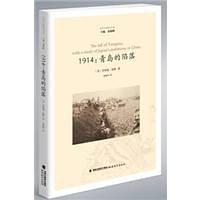
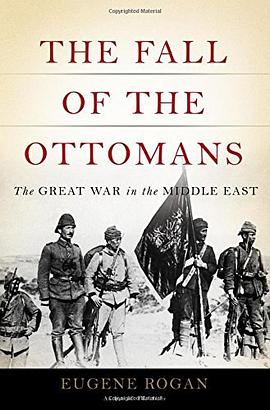
In 1914 the Ottoman Empire was depleted of men and resources after years of war against Balkan nationalist and Italian forces. But in the aftermath of the assassination in Sarajevo, the powers of Europe were sliding inexorably toward war, and not even the Middle East could escape the vast and enduring consequences of one of the most destructive conflicts in human history. The Great War spelled the end of the Ottomans, unleashing powerful forces that would forever change the face of the Middle East.
In The Fall of the Ottomans, award-winning historian Eugene Rogan brings the First World War and its immediate aftermath in the Middle East to vivid life, uncovering the often ignored story of the region’s crucial role in the conflict. Bolstered by German money, arms, and military advisors, the Ottomans took on the Russian, British, and French forces, and tried to provoke Jihad against the Allies in their Muslim colonies. Unlike the static killing fields of the Western Front, the war in the Middle East was fast-moving and unpredictable, with the Turks inflicting decisive defeats on the Entente in Gallipoli, Mesopotamia, and Gaza before the tide of battle turned in the Allies’ favor. The great cities of Baghdad, Jerusalem, and, finally, Damascus fell to invading armies before the Ottomans agreed to an armistice in 1918.
The postwar settlement led to the partition of Ottoman lands between the victorious powers, and laid the groundwork for the ongoing conflicts that continue to plague the modern Arab world. A sweeping narrative of battles and political intrigue from Gallipoli to Arabia, The Fall of the Ottomans is essential reading for anyone seeking to understand the Great War and the making of the modern Middle East.
作者简介
Eugene Rogan is a Fellow of St. Antony’s College and lectures in the Modern History of the Middle East at the University of Oxford. The author of The Arabs, Rogan lives in Oxford, England.
目录信息
读后感
今读完这本《奥斯曼帝国衰亡》,感觉这本书把一战与奥斯曼帝国的灭亡那段历史梳理的非常清楚,这本书让我看到今天中东乱局的主要根源,英国,法国,俄国,美国和德国与奥斯曼帝国有着千丝万缕的关系,扯也扯不断。 那个时候,德国和奥斯曼帝国的交好使俄国产生报复行为,英法两...
作者讲故事的能力还是相当不错的,在不算长的篇幅里把一战中东的故事和各族命运描绘的非常清晰。帝国末年,各族都经历了一轮血的洗礼。 一、奥斯曼帝国 和穷途末路的“东亚病夫”大清帝国相比,“西亚病夫”奥斯曼帝国相似点自然很多,不同之处也不少: 1、帝国末年,总有一群...
看完了《阿拉伯的劳伦斯》,了解汉志战场和阿拉伯起义,以及耳熟能详的哈希姆王朝的崛起,那本书是以劳伦斯等4个主人公的视角描述了一战的中东战场,但是主要还是聚焦于协议国,虽然其中有一个德国人。但是站在奥斯曼土耳其的视角,一战是什么样子的,这个帝国是如何输掉战争,...
不用职责亚美尼亚人投靠了同样信仰基督教的俄国人,阿拉伯人与英国人合作给了帝国背后一刀。本来就是在一个民族国家崛起的大时代,要想维持这个多民族的大帝国几乎是不可能的事情。 无论是霍姆斯还是库尔德人,新闻中的一个个名词都可以在本书找到出处。奥斯曼帝国的解体,也是...
用户评价
这部作品的叙事张力简直是扣人心弦,作者对于历史细节的把握精准得令人咋舌,仿佛能让人身临其境地感受到那个风云变幻时代的脉搏。我尤其欣赏它在描绘关键转折点时所展现出的那种克制而又磅礴的力量感。它没有落入简单的英雄史观的窠臼,而是深入剖析了错综复杂的政治角力、文化冲突以及技术革新对一个庞大帝国命运的决定性影响。开篇对于旧有体制内部腐朽与僵化的描写,细致入微,让人读来不胜唏嘘,那些看似微不足道的内部矛盾,是如何像温水煮青蛙一般,最终导向了无可挽回的衰落。书中对各方势力,无论是内部的改革派、保守派,还是外部的列强,其动机和策略的剖析都极其深刻,展现出高超的洞察力。它不只是在叙述“发生了什么”,更是在探究“为什么会发生”以及“后果是什么”。读完整部书,你会感觉像是经历了一场漫长而又残酷的洗礼,对历史进程的理解达到了一个新的维度。
我必须强调,这部书的资料搜集工作做得极其扎实,其引用的第一手资料之广博,令人叹为观止。它显然是建立在数十年严谨的史学研究基础之上的,但最难能可贵的是,作者成功地将这些厚重的学术成果转化成了大众能够理解和欣赏的叙事。书中对于某些被传统史学忽略或简单带过的社会经济现象的深入探讨,为理解帝国的衰亡提供了全新的切入点。例如,它对十九世纪末期财政改革的分析,揭示了经济权力转移是如何比军事失败更具决定性的意义。读完后我立刻去查阅了其中提到的几份原始文件和私人信件集,发现作者的解读不仅准确,而且富有洞察力,许多结论都带有一种“豁然开朗”的感觉。这本书无疑将成为未来研究该课题的基石性著作,它的严谨性毋庸置疑。
这部作品的结构设计非常巧妙,它并非完全按照时间顺序线性推进,而是采用了多视角的交织叙事手法。在关键历史事件发生前后,作者会频繁地在不同的地理位置和不同的权力中心之间跳跃,这种碎片化的信息流非但没有造成阅读上的障碍,反而极大地增强了悬念感和史诗感。它成功地构建了一个立体的、多维度的历史空间,让读者能够同时观察到从君士坦丁堡的宫廷深处到巴尔干半岛前线的战壕中的种种景象。特别是当涉及到民族主义思潮的兴起时,作者对不同群体内部声音的呈现,清晰地展示了“统一”与“分裂”这两种强大力量是如何相互撕扯的。我特别喜欢它在描述那些关键性战役时所采取的宏观战略分析与微观战场细节的完美结合,让人对战争的残酷性和复杂性有了全新的认识。
与其他同类主题的作品相比,这本书最独特之处在于它对“遗产”和“继承”问题的探讨。它没有止步于帝国的最终瓦解,而是用相当大的篇幅审视了在旧秩序崩塌后,新的国家和地区是如何在前者的废墟上构建身份认同和政治结构的。这种对“后遗症”的关注,使得全书的视野更为开阔,也更具现实意义。作者并没有简单地将“衰落”视为终结,而是将其视为一个漫长、痛苦的“转型”过程。这种辩证的视角避免了道德审判,将历史视为一个连续不断的复杂流动。对于我个人而言,它极大地启发了我对于当代世界格局中,旧有大国如何应对权力真空和身份重塑的思考。阅读体验是深刻的、令人不安的,但绝对是值得的,它让你不再用非黑即白的简单框架去看待历史的兴亡。
说实话,我原本以为这是一部会枯燥乏味的学术专著,没想到它在文学性和可读性上远超我的预期。作者的文笔流畅且富有画面感,即便是一些关于军事部署或外交条约的冗长描述,也处理得张弛有度,引人入胜。最让我印象深刻的是他对人物心理描写的细腻程度,那些身处历史洪流中的个体,他们的挣扎、希望与幻灭,被刻画得栩栩如生。比如,书中对于某位关键人物在面临重大决策时的内心独白,那种混合着恐惧、责任感与一丝傲慢的情绪,被作者捕捉得如此精准,让人不由自主地感同身受。这种对“人”的关注,使得宏大的历史叙事变得有血有肉,不再是冰冷的年代事件堆砌。我常常在阅读时停下来,凝视书页,思考在那种高压环境下,我们现代人是否能做出不同的选择。这不仅仅是一本历史书,它更像是一面映照人性和权力本质的镜子。
今日中东诸多问题都可以追溯到奥斯曼帝国的崩溃。当年奥斯曼和大清,一个欧洲病夫,一个东亚病夫。只是奥斯曼离西方更近,受压也更早,类似戊戌变法的尝试也更早。到基马尔世俗化改革,基本西化,成了无所适从的国家,而中国仍以独特的文明立于东方。读完这本书,对英国人阴险(treacherous)、两面三刀(perfidious)和虚伪(hypocrisy)的印象进一步加深了。
今日中东诸多问题都可以追溯到奥斯曼帝国的崩溃。当年奥斯曼和大清,一个欧洲病夫,一个东亚病夫。只是奥斯曼离西方更近,受压也更早,类似戊戌变法的尝试也更早。到基马尔世俗化改革,基本西化,成了无所适从的国家,而中国仍以独特的文明立于东方。读完这本书,对英国人阴险(treacherous)、两面三刀(perfidious)和虚伪(hypocrisy)的印象进一步加深了。
中规中矩,清晰明朗地讲了奥斯曼帝国在一战中的几条战线
The First World War was a turning point of world history, and it dictated the course of 20 century in a way could hardly be underestimated. But most of the history we read focused on the European battlegrounds, and a century later we suddenly realized the war in the near east front may surpass the one in the west to become a more significant even..
The First World War was a turning point of world history, and it dictated the course of 20 century in a way could hardly be underestimated. But most of the history we read focused on the European battlegrounds, and a century later we suddenly realized the war in the near east front may surpass the one in the west to become a more significant even..