
具体描述
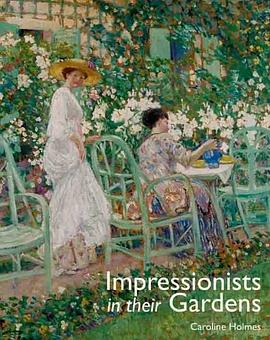
'Impressionists in their Gardens' explores gardens through the senses of the Impressionists from three continents - Europe, North America and Australia - enjoying the essentially similar pleasures of the garden, but engaging with the light from their skies in order to create very different sensations. The enclosure of the garden acts like a picture frame showcasing a living canvas that exudes the individuality, vision and taste of its tenants, their family, friends, lifestyles and, in the simple words of the greatest Impressionist and gardener Monet, providing motifs to paint. The first section uses contemporary paintings and photographs to see the who, what and where of Impressionist gardens - planting, eating, loving, sleeping, children, animals, working and painting. The second section, illustrated with paintings, old photographs and modern images, starts at the horticultural source - the nurseryman Latour-Marliac at Temple sur Lot, then Monet at Giverny; American Impressionists at Old Lyme, Cos Cob and Appledore in the USA; Gertrude Jekyll at Munstead Wood and beyond; the Heidelburg School and Frederick McCubbin at Fontainebleau; and, chronologically last but not least, Renoir at Les Colettes. Caroline Holmes' travels have enabled her to take this unique approach, as a garden historian and gardener she understands how weather has shaped and formed the earth's sublime topography and how the control of the human hand is beautifully displayed in its fine crafted gardens, observed and colourfully captured by these artists. Join her in the garden for the great pleasures of solitude and sociability; food and friendship; sound and scent; cool shade and balmy warmth, not forgetting glorious colour.
作者简介
目录信息
读后感
用户评价
Wow, just finished "Impressionists in Their Gardens" and my head is still buzzing with color and light! It's not just a book; it's an invitation, a whispered secret from the past. The author has this incredible knack for transporting you directly into those sun-drenched afternoons, the scent of lavender heavy in the air. I felt like I was standing shoulder-to-shoulder with Monet, watching him capture the fleeting shimmer of water lilies, or peeking over Renoir's shoulder as he sketched a smiling child amidst a riot of roses. The descriptions are so vivid, so tactile, you can almost feel the rough bark of the trees, the soft petals of the flowers brushing against your cheek. It’s more than just an art history lesson; it’s an immersive experience. I found myself pausing constantly, trying to recall specific paintings, my mind filling in the gaps with the sensory details the book so artfully provided. It’s the kind of book that makes you want to rush out to your own garden (or a local park, if you’re urban-bound) and try to see the world through those Impressionist eyes. The way the author weaves in anecdotes about the artists' lives, their struggles, their joys, and how these directly influenced their garden creations, adds such a profound human dimension. It really drives home that these weren't just detached artistic endeavors, but deeply personal sanctuaries, places of inspiration and solace. It has truly changed the way I look at both art and nature.
This tome, "Impressionists in Their Gardens," is a revelation, a meticulously researched and beautifully rendered exploration of a surprisingly central theme in the Impressionist movement. I was particularly struck by the author's meticulous attention to detail when discussing the horticultural choices made by the artists. It wasn't just about pretty flowers; it was about strategic planting, the deliberate creation of specific moods and atmospheres. The book delves into the influence of contemporary gardening trends, the availability of new plant species, and even the evolving social dynamics of leisure time, all of which played a significant role in shaping these artistic oases. The historical context provided is crucial, illuminating how these gardens were not merely backdrops but active participants in the creation of the artworks. I found the comparative analyses between different artists' approaches to be particularly insightful. For instance, the contrast between Monet's obsessive dedication to his Giverny paradise and Degas's more ephemeral engagement with smaller, more intimate garden spaces offered a fascinating glimpse into their diverse artistic philosophies. The author's prose, while scholarly, is never dry; it's engaging and insightful, always pointing towards a deeper understanding of the artworks themselves. It’s the kind of book that rewards careful reading and contemplation, offering layers of meaning with each chapter.
"Impressionists in Their Gardens" is a truly unique and insightful contribution to the study of Impressionism. Moving beyond the canvases themselves, the author invites us into the private sanctuaries where many of these masterpieces found their initial spark. The book is a testament to the profound connection these artists felt with nature, not just as a passive observer, but as an active creator and cultivator. I was particularly fascinated by the deep dives into the specific plants and design philosophies that characterized each artist's garden. It’s clear that the author has a deep understanding of both art history and horticulture, and the way these two disciplines are integrated is seamless. The narrative is engaging and accessible, managing to be both scholarly and deeply personal. The descriptions of the gardens are so vivid, they practically leap off the page, allowing the reader to visualize the riot of color, the interplay of light and shadow, and the very atmosphere that inspired these revolutionary artists. It’s the kind of book that not only educates but also deeply moves the reader, fostering a greater appreciation for the multifaceted genius of the Impressionists and their enduring legacy. I found myself re-examining my favorite Impressionist works with fresh eyes, recognizing the garden's indelible imprint.
What a breath of fresh air, "Impressionists in Their Gardens"! It’s not your typical dry art history text. Instead, it's a vibrant, living narrative that pulls you into the world of these revolutionary artists through the lens of their most personal spaces: their gardens. The author has a remarkable gift for storytelling, weaving together biographical details, horticultural insights, and art analysis with effortless grace. I was particularly drawn to how the book highlights the symbiotic relationship between the artists and their gardens. These weren't just places to relax or escape; they were laboratories of color, form, and light, directly influencing the very brushstrokes on their canvases. The descriptions are so rich and evocative, you can practically smell the damp earth after a spring rain and hear the buzz of bees around the sunflowers. I particularly enjoyed the detailed accounts of specific gardens, like Monet's Giverny, which felt less like a historical description and more like a personal tour led by a knowledgeable friend. The author’s ability to connect the seemingly mundane act of gardening with the profound artistic innovations of Impressionism is truly exceptional. It makes you realize how deeply intertwined human creativity and the natural world can be. This book has left me with a renewed sense of wonder and a desire to seek out the beauty in my own surroundings.
Absolutely captivated by "Impressionists in Their Gardens." It’s a different kind of art book, one that grounds the ethereal beauty of Impressionism in the tangible earth, the very soil from which their inspiration sprung. The author has an uncanny ability to make the reader feel like they're privy to the artists' private thoughts and motivations. I especially appreciated the sections that focused on the *process* of gardening as an artistic act. It wasn't just about the finished product, the vibrant canvases, but the sweat, the planning, the trial and error that went into cultivating these spaces. The book makes a compelling argument that the gardens were often as much a subject of artistic experimentation as the landscapes themselves. I found myself re-evaluating familiar paintings, seeing them anew through the lens of the garden that birthed them. The author’s sensitivity to light and shadow, color and form, mirrors the very techniques of the Impressionists, making the descriptions of the gardens themselves feel like miniature paintings in prose. It’s an intimate and revealing portrait of these artists, showing a side of them that is often overlooked – their connection to the natural world, their desire to shape and cultivate beauty on a personal scale. This book has certainly enriched my appreciation for their work immeasurably.